Gadget Withdrawal Tantrums: Why They Happen and How to Stop the Battle
It is a scenario familiar to almost every modern parent. Your child is sitting quietly, mesmerized by a tablet or glued to a video game. The house is peaceful. Then, the timer goes off. You say, "Time’s up," and reach for the device.
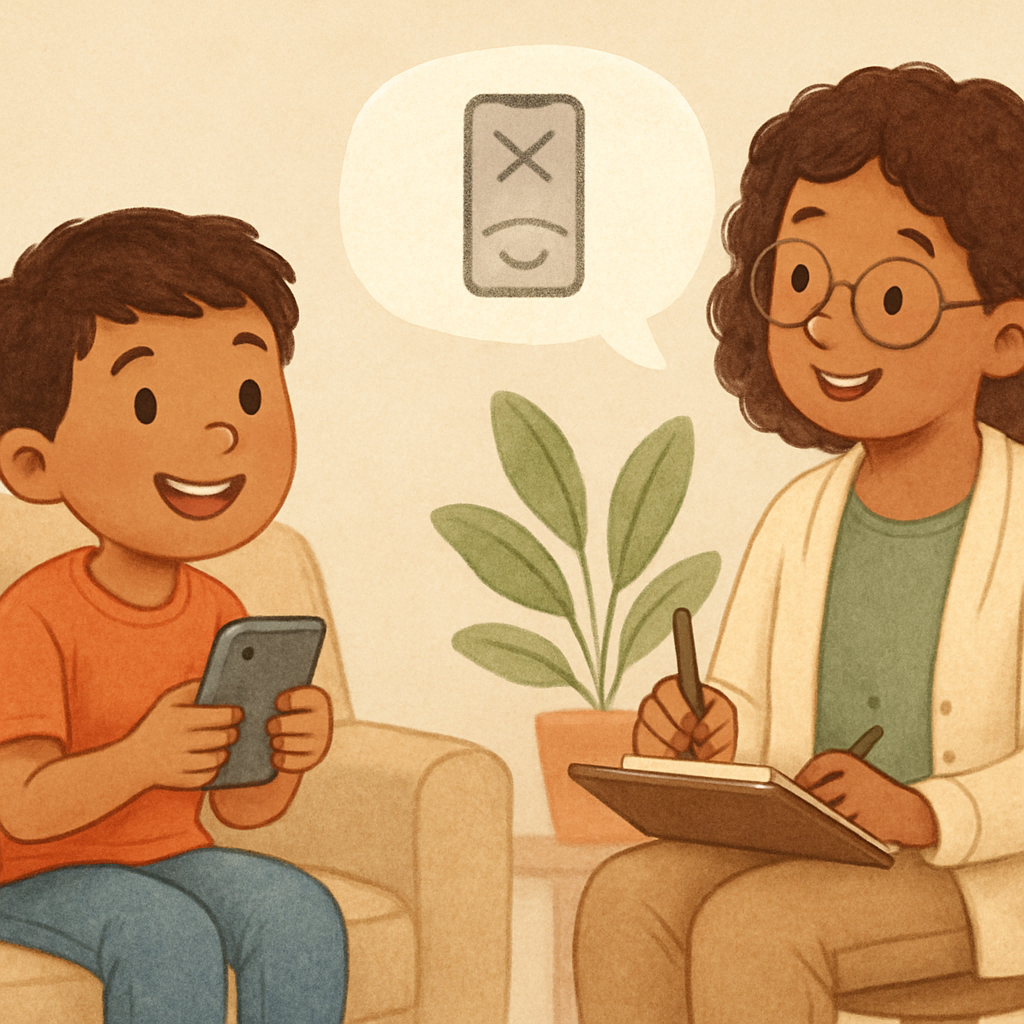
Suddenly, the peace is shattered. The screaming starts, the device is clutched to the chest, or perhaps it is thrown across the room. You are witnessing gadget withdrawal tantrums in real-time.
In today’s digital age, screens are an integral part of learning and entertainment. However, the transition away from the screen is becoming one of the biggest flashpoints in family life. If you are exhausted by the daily battle over the "off" button, you are not alone. This guide will help you understand the psychology behind the meltdown and provide practical strategies to handle the transition effectively.
The Science Behind the Meltdown
To manage gadget withdrawal tantrums effectively, it is crucial to understand that your child isn't just being "difficult." There is a physiological process happening beneath the surface.
The Dopamine Drop
Video games, social media, and fast-paced cartoons are designed to be hyper-stimulating. They trigger the release of dopamine—the brain's "feel-good" neurotransmitter. When a child is immersed in a game, their brain is bathed in dopamine. When you take the device away, that supply is cut off abruptly.
This sudden drop in dopamine can feel physically uncomfortable, leading to irritability and distress. The tantrum is often a reaction to this chemical crash, rather than a calculated act of defiance.
The "Flow State" Interruption
Have you ever been deep in a project or a good book, only to be interrupted? It is jarring. Children on screens often enter a "flow state"—a zone of total immersion. Being pulled out of this state without adequate preparation is disorienting. Their brain needs time to bridge the gap between the high-speed digital world and the slower-paced real world.
5 Strategies to Tame Gadget Withdrawal Tantrums
You cannot avoid screens entirely, but you can change how you manage the transition away from them. Here are five proven strategies to reduce conflict.
1. Set Clear, Consistent Boundaries
Ambiguity breeds anxiety. If screen time rules change every day—sometimes they get an hour, sometimes 10 minutes, sometimes until you get tired of the noise—children will push boundaries to see what they can get.
- Create a Schedule: Have set times for screens (e.g., "Screens are allowed after homework is done until 5:00 PM").
- Stick to It: Consistency is key. If a tantrum results in five more minutes "just to keep the peace," the child learns that screaming works.
2. Use Visual Timers
Young children have a poor concept of time. "Five more minutes" is an abstract concept.
- Make Time Visible: Use a sand timer, a kitchen timer, or a visual timer app on the device itself.
- The Countdown: Give warnings at the 10-minute, 5-minute, and 1-minute marks. This allows the child to mentally prepare for the end of the session.
3. Create a "Bridge" Activity
Going from high-stimulation gaming to a boring task (like brushing teeth) is a recipe for gadget withdrawal tantrums.
- The Bridge: Offer a transition activity that is physical or sensory but not digital. "When the timer goes off, we are going to have a snack" or "We are going to have a wrestling match."
- Physical Movement: Encouraging movement helps regulate the body and burn off the frustration of the transition.
4. Turn Off Autoplay
Streaming services and apps are designed to keep us watching. The "Autoplay" feature, which starts the next episode immediately, makes it incredibly hard for a child to stop.
- Disable It: Go into the settings of YouTube, Netflix, or other apps and turn off autoplay.
- Natural Stopping Points: It is much easier to turn off a device when an episode ends than in the middle of a storyline.
5. Co-View and Connect
Often, we use screens as a babysitter (which is sometimes necessary!). However, if you only interact with your child to tell them to turn it off, you become the "bad guy."
- Join In: Spend the last 5 minutes of their screen time watching or playing with them. Ask questions about the game.
- Transition Together: This connection makes the transition a shared experience rather than a demand from authority.
When to Worry: Is It More Than Just a Tantrum?
While gadget withdrawal tantrums are common, they can sometimes indicate underlying issues.
Signs of Problematic Use
If the tantrums are violent, involve self-harm, or if the child is losing interest in all other activities (playing outside, seeing friends, eating), it may be time to reassess.
- Interference with Daily Life: Is screen time affecting sleep or schoolwork?
- Inability to Regulate: Does the child remain unregulated for hours after the device is removed?
If you notice these signs, it may be helpful to consult with a paediatrician or a child behaviour specialist.
Conclusion
Gadget withdrawal tantrums are one of the most frustrating aspects of modern parenting, but they are also a teachable moment. They are an opportunity to teach your child about boundaries, self-regulation, and healthy habits.
Remember, you are the pilot of the digital plane. By setting clear expectations, understanding the biology of the brain, and remaining calm in the face of the storm, you can reduce the conflict and help your child develop a healthy relationship with technology.
If the battle over screens is taking a toll on your family’s happiness, we are here to help. Our team of child development experts can provide personalized strategies to manage behaviour and restore peace to your home.
Contact us today to book a consultation or call daar at 02 9133 2500.
Frequently Asked Questions (FAQ)
1. Why are gadget withdrawal tantrums worse with video games than TV?
Video games are interactive and offer variable rewards (leveling up, finding items), which creates a stronger dopamine loop than passive TV watching. The "just one more level" compulsion makes stopping much harder.
2. Should I ban screens completely if my child has tantrums?
Going "cold turkey" can sometimes lead to more rebellion. Instead of a total ban, focus on reducing the duration and changing the content. Slower-paced, educational content is less likely to cause overstimulation than fast-paced gaming.
3. How long should a gadget withdrawal tantrum last?
A typical tantrum caused by disappointment or dopamine withdrawal usually lasts 5 to 20 minutes. If your child is screaming for an hour or more, or if they become destructive, this requires a different intervention strategy.
4. My child hits me when I take the tablet. What do I do?
Safety first. Calmly hold the boundary: "I will not let you hit me. Hitting hurts." Remove the device and place it out of reach. Do not negotiate or return the device until everyone is calm. Physical aggression is a sign that the child lacks the skills to handle their frustration and needs your help to co-regulate.
5. What is the recommended screen time for kids?
Guidelines vary, but generally:
- Under 18 months: Avoid screens (except video chatting).
- 18-24 months: High-quality programming, watched with parents.
- 2-5 years: 1 hour per day of high-quality programs.
- 6+ years: Consistent limits that prioritize sleep, physical activity, and other behaviours essential to health.

.png?width=48&height=48&name=Group%201%20(3).png)
























.svg)




.svg)