
.png?width=48&height=48&name=Group%201%20(3).png)























6 February, 2026

Breaking the Digital Spell: A Guide to Excessive Gadget Use for Kids Therapy
In the modern household, the glow of a screen is as common as the lightbulb. Tablets, smartphones, and gaming consoles have become integral parts of education and entertainment. However, for many families, the relationship with technology has shifted from helpful tool to overwhelming master.
If you find yourself constantly battling over the iPad, witnessing meltdowns when the Wi-Fi goes down, or noticing that your child prefers virtual worlds to the real one, you are not alone. The rise of digital dependency is a growing concern for parents worldwide.
The good news is that help is available. Through excessive gadget use for kids therapy and targeted screen use behaviour modification, you can help your child develop a healthier relationship with technology. This guide explores how professional support can turn the tide on tablet dependency and bring connection back to your family.
Understanding the Pull: Why Are Screens So Addictive?
To address the problem, we must first understand the mechanism. Apps and games are often designed by behavioural psychologists to be habit-forming. They utilize variable reward schedules—similar to slot machines—to keep the brain releasing dopamine.
For a child with a developing brain, this constant dopamine loop can be incredibly difficult to break. This is why "just five more minutes" often turns into two hours, and why taking the device away results in explosive anger. It isn't just "bad behaviour"; it is a physiological response to tablet dependency.
What is Excessive Gadget Use for Kids Therapy?
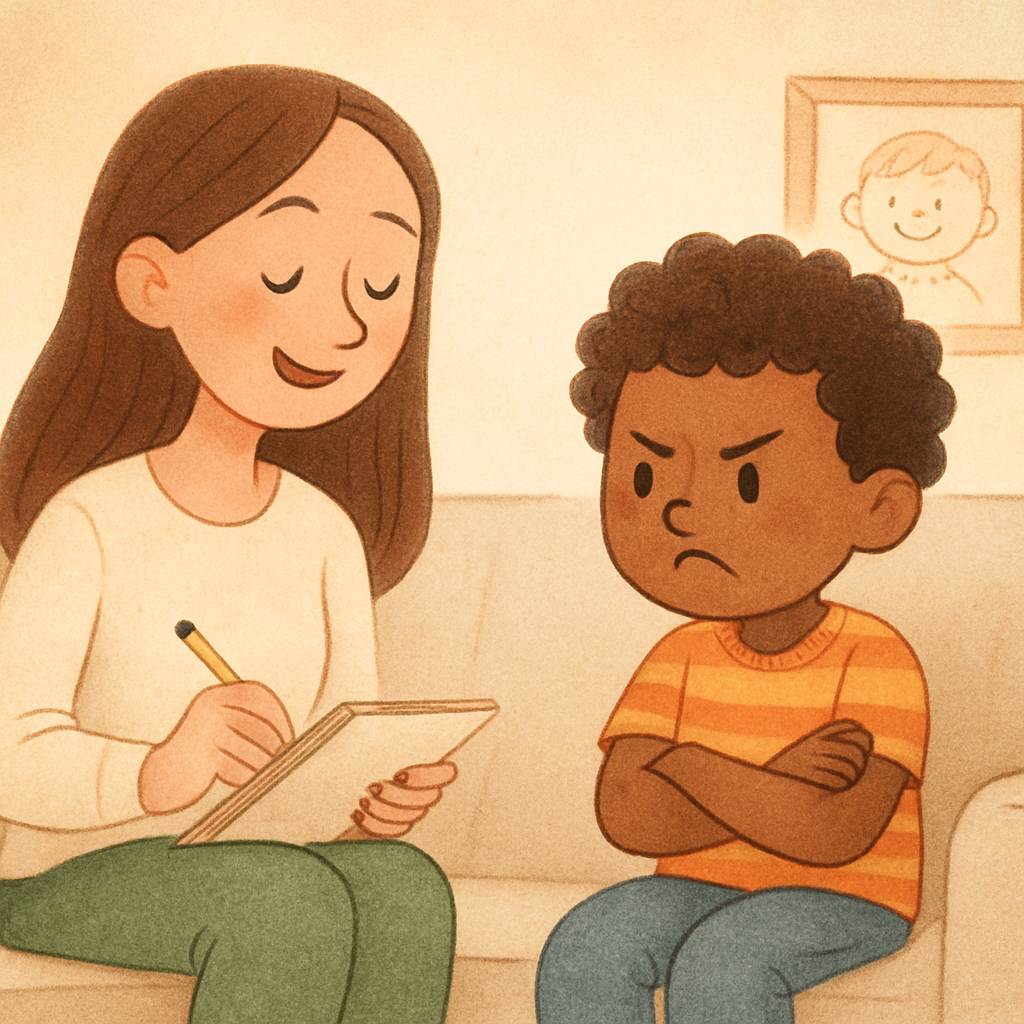
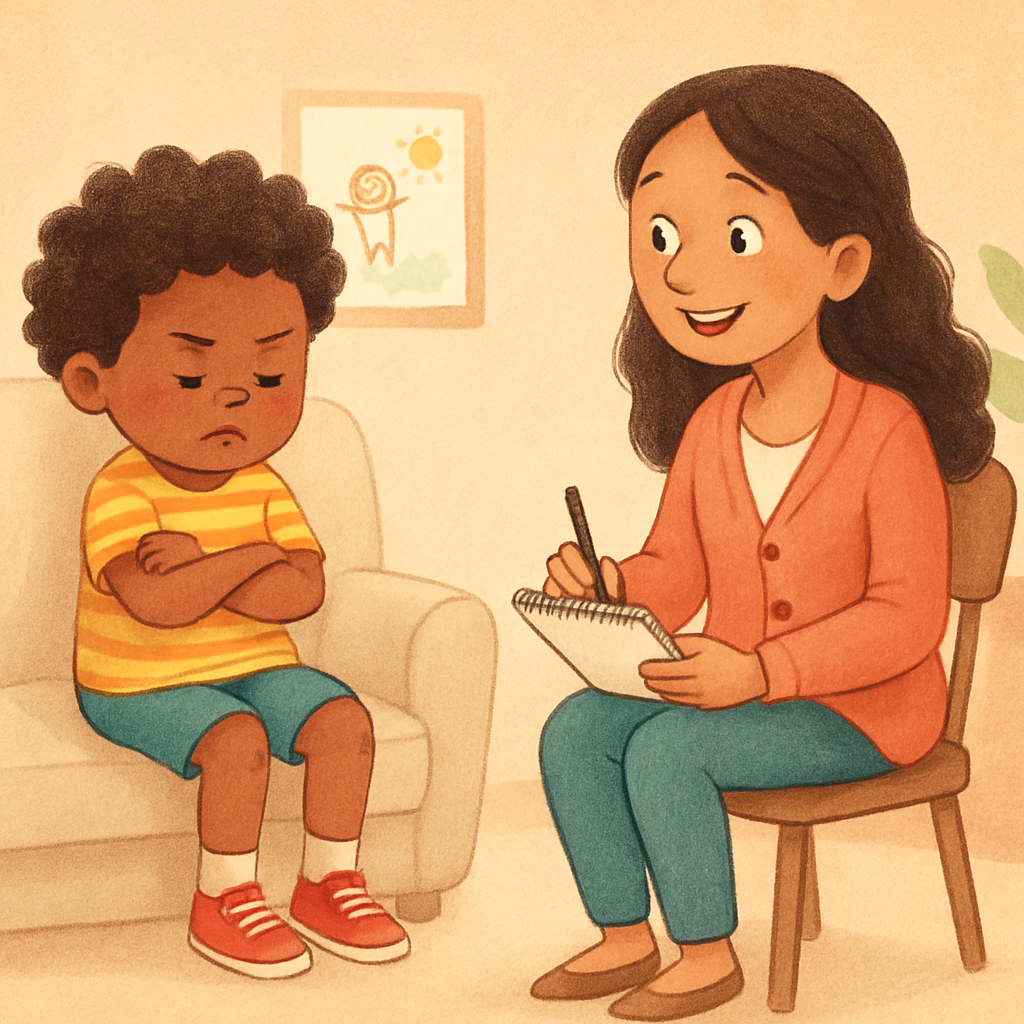
Excessive gadget use for kids therapy is not about banning technology forever. Instead, it is a specialized form of therapy designed to help children (and parents) regulate usage and address the underlying emotional or behavioural issues fueling the dependency.
Therapists use a variety of evidence-based approaches to help children regain control.
1. Behavioural Therapy
CBT is highly effective for tablet dependency therapy. It helps children identify the thoughts and feelings that trigger the urge to pick up a device. Are they bored? Anxious? Lonely? By recognizing these triggers, they can learn healthier coping mechanisms that don't involve a screen.
2. Screen Use Behaviour Modification
This approach focuses on changing the habits surrounding device use. Screen use behaviour modification involves setting up a structured environment where screen time is a privilege, not a right. It uses positive reinforcement to encourage non-screen activities, slowly rewiring the brain’s reward system to find joy in offline hobbies.
3. Family Systems Therapy
Often, screen issues are a family issue. Behaviour therapy work best when the whole family is involved. This might look like creating a "family media plan," modeling healthy usage as parents, and improving communication so that screens aren't used as a digital babysitter or an avoidance tactic.
Signs Your Child May Need Screen Time Control Therapy
How do you know when it has crossed the line from "liking games" to needing professional help? Here are common signs that screen time control therapy might be necessary:
- Withdrawal Symptoms: The child becomes irritable, anxious, or aggressive when they cannot access their device.
- Loss of Interest: They no longer care about hobbies, sports, or friends they used to enjoy.
- Deception: They sneak devices at night or lie about how much time they have spent online.
- Interference with Daily Life: Grades are dropping, sleep is suffering, or hygiene is neglected due to screen time.
- Failed Attempts to Cut Back: You have tried limits, but the child cannot stick to them.
Excessive iPad Use Intervention: Practical Steps for Parents
While professional therapy is invaluable, there are steps you can take at home to start an excessive iPad use.
Create "Tech-Free" Zones
Establish areas of the house where devices are simply not allowed, such as the dining table and bedrooms. This physical boundary helps reduce the constant impulse to check the screen.
The "Grandma's Rule" (Premack Principle)
In behaviour therapy and devices, we often use the Premack Principle: "High-probability behaviours (screens) can be used to reinforce low-probability behaviours (chores/homework)."
- Translation: "You can have 30 minutes of iPad time after your homework is done and your room is tidy."
Use Visual Timers
Time distorts when you are online. A child might genuinely feel like they have only played for ten minutes when it has been an hour. Use physical, visual timers so the child can see time passing. This helps prepare their brain for the transition off the device.
Model the Behaviour You Want
If you are scrolling through your phone while telling your child to get off theirs, the message will be lost. Screen use behaviour modification starts at the top. Show your child that you can put your phone away and engage with them fully.
The Role of Behaviour Therapy and Devices
Integrating behaviour therapy and devices means using the technology itself as a tool for moderation.
- Monitoring Apps: Use apps that track usage and shut down specific apps after a set time.
- Co-Viewing: Instead of isolating screen time, make it social. Play the game with them. This turns a solitary, addictive activity into a bonding experience.
Conclusion
Technology is a wonderful servant but a terrible master. If your home feels like a battleground over bandwidth, know that there is a path forward. You are not failing as a parent; you are navigating a digital landscape that didn't exist a generation ago.
By seeking excessive gadget use for kids therapy and implementing excessive iPad use intervention strategies, you can help your child break free from the digital spell. The goal isn't to banish technology, but to put it back in its proper place—as a tool for life, not a substitute for it.
If you are worried about your child’s relationship with technology, don't wait for the problem to outgrow your ability to manage it. Our team specializes in tablet dependency therapy and screen time control therapy.
Contact us today to schedule a consultation or call daar at 02 9133 2500 and take the first step toward a healthier, more connected family life.
Frequently Asked Questions (FAQ)
Is screen addiction a real clinical diagnosis?
While "Internet Gaming Disorder" is included in the DSM-5 (the manual used by mental health professionals) as a condition for further study, "screen addiction" is not yet a formal diagnosis. However, the symptoms of dependency and the negative impact on life are very real and treatable through excessive gadget use for kids' therapy.
How does tablet dependency therapy work for toddlers?
For very young children, therapy is primarily parent focused. It involves coaching parents on how to set boundaries, manage tantrums, and introduce sensory-rich play to replace the screen. The goal is excessive iPad use before the habit becomes deeply ingrained.
Can behaviour therapy help with social media addiction too?
Absolutely. Screen use behaviour modification applies to social media, gaming, and general browsing. Therapy can help teens navigate the social pressure of being "always on" and build self-esteem independent of likes and comments.
.svg)




.svg)