
.png?width=48&height=48&name=Group%201%20(3).png)























5 February, 2026

Breaking the Digital Spell: Effective iPad Addiction Therapy for Kids
Introduction
In the modern household, the silence of a child is often not a sign of mischief, but a sign of a screen. While tablets and smartphones offer incredible educational opportunities, the line between healthy usage and dependency is becoming increasingly blurred. For many parents, the battle over the tablet is a daily source of stress, tears, and conflict.
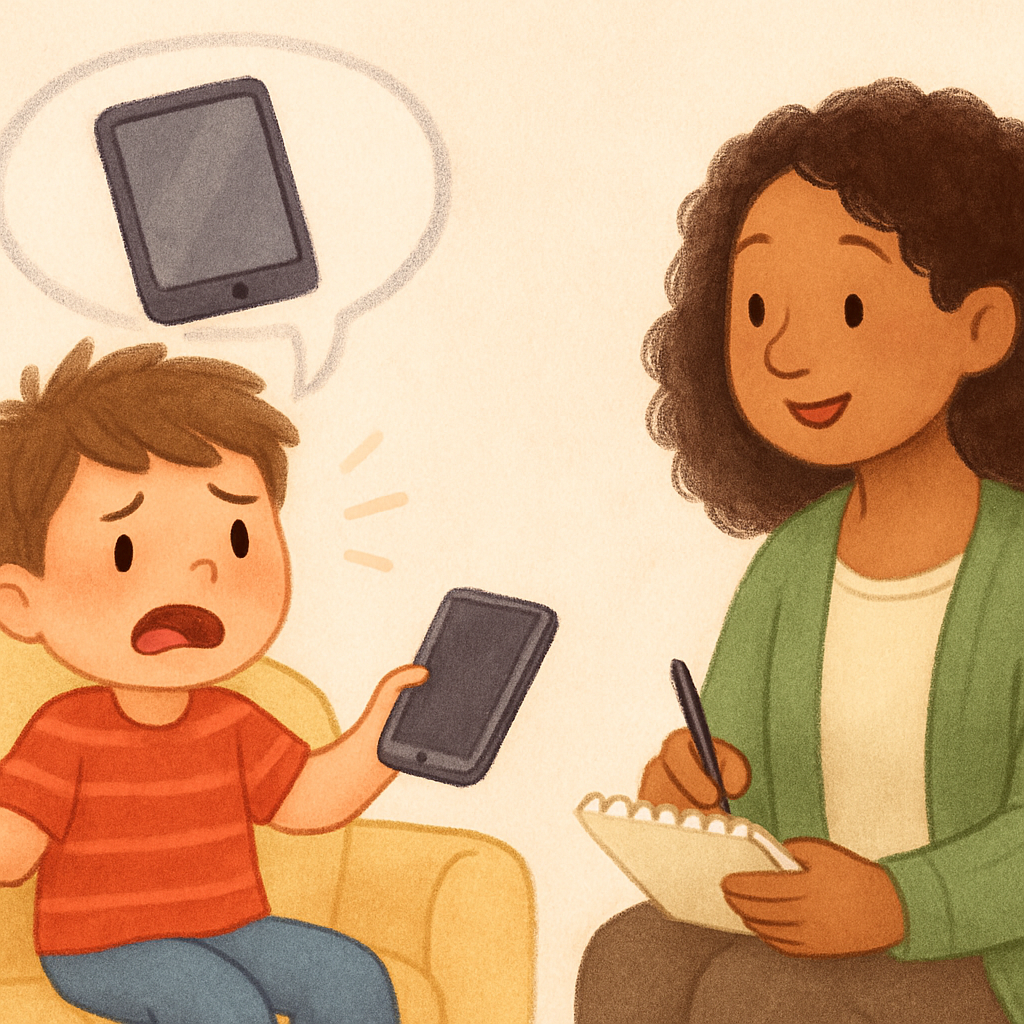
If you find that your child experiences extreme distress when the device is taken away, loses interest in offline play, or experiences sleep disturbances due to blue light, you might be dealing with more than just a bad habit. You may need to explore iPad addiction therapy for kids. This guide explores professional approaches, including behaviour therapy and screen use behaviour modification, to help your family regain control and restore a healthy childhood balance.
Understanding the Pull: Why is it so Hard to Stop?
Before diving into solutions, it is vital to understand the mechanism. Apps and games are designed by psychologists and engineers to trigger dopamine releases in the brain—the same "feel-good" chemical associated with sugar cravings. For a developing child’s brain, which lacks fully formed impulse control, resisting this pull is nearly impossible without guidance.
This is where excessive gadget use therapy comes into play. It moves beyond simple "grounding" and addresses the neurological and psychological roots of the dependency.
Core Therapeutic Approaches
When simple home rules fail, professional therapeutic strategies can provide a structured path forward. Here are the primary methods used by child psychologists and digital wellness experts.
1. Behaviour Therapy
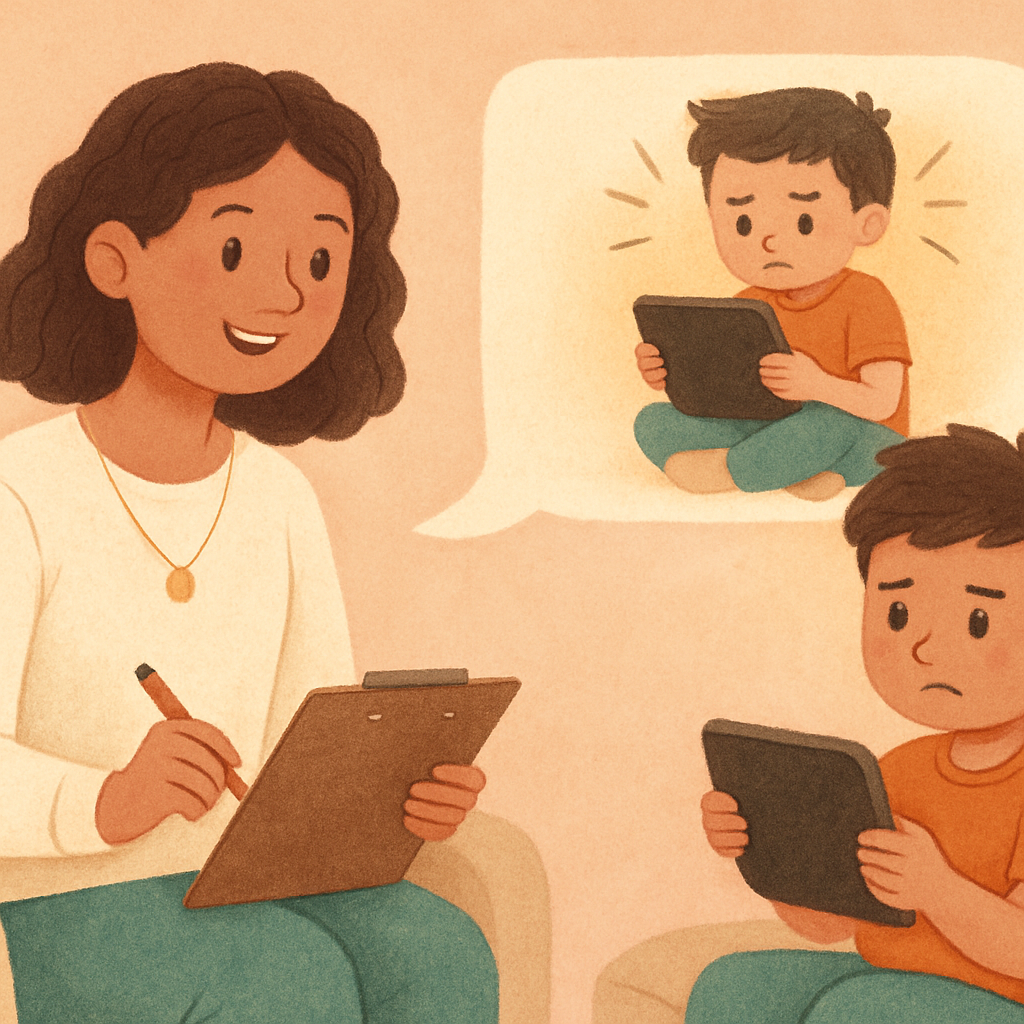
Behaviour therapy is the gold standard for treating various forms of dependency. In the context of screen addiction, behavioural therapy helps children identify the triggers that make them reach for the iPad.
Is it boredom? Anxiety? Social pressure?
Once the trigger is identified, the therapist works with the child to develop coping mechanisms that do not involve a screen. Instead of escaping into a game when they feel overwhelmed, they learn to verbalize their feelings or engage in physical activity.
2. Screen Use Behaviour Modification
While CBT focuses on thoughts, screen use behaviour modification focuses on actions and habits. This approach is highly structured and often involves a "token economy" or reward system.
The goal is to rewire the brain’s reward pathway. Instead of the instant gratification of a video game, the child learns to appreciate delayed gratification.
- Replacement Behaviours: The therapy actively replaces screen time with high-engagement offline activities (sports, art, building) to prevent withdrawal boredom.
- Gradual Desensitization: Rather than going "cold turkey," which can cause severe meltdowns, usage is reduced systematically to lower the brain's tolerance level.
3. Screen Time Control Therapy
Screen time control therapy is often a family-centric approach. It recognizes that a child’s screen habits do not exist in a vacuum. This therapy coaches parents on how to set boundaries that stick without damaging the parent-child relationship.
This involves creating "Tech-Free Zones" (like the dinner table or bedroom) and "Tech-Free Times." The therapy helps parents enforce these boundaries consistently, moving from an authoritarian "Because I said so" to a collaborative family agreement on digital health.
Signs Your Child May Need Professional Help
How do you know when to move from parental restrictions to professional iPad addiction therapy for kids? Look for these red flags:
- Withdrawal Symptoms: Agitation, depression, or aggression when the device is removed.
- Loss of Interest: The child no longer cares about hobbies, sports, or friends they used to enjoy.
- Deception: Sneaking devices at night or lying about usage time.
- Physical Impact: Headaches, eye strain, or significant changes in eating and sleeping habits.
Practical Steps for Parents at Home
While waiting for or working with a therapist, you can implement these excessive gadget use therapy techniques at home:
- The Digital Detox: Start with a 24-hour reset where the whole family (parents included) goes screen-free. This resets the baseline for stimulation.
- Greyscale Mode: Turn your child’s iPad to "greyscale" in the accessibility settings. By removing the vibrant colors, the device becomes significantly less stimulating and addictive to the brain.
- Out of Sight, Out of Mind: Do not charge devices in bedrooms. Create a central charging station in a common area.
Conclusion
Navigating the digital landscape is one of the hardest challenges modern parents facese. It is easy to feel guilty or overwhelmed, but it is important to remember that these devices are designed to be addictive. If your family is struggling, seeking iPad addiction therapy for kids is not a sign of failure; it is a proactive step toward health.
By utilizing behaviour therapy and structured screen time control therapy, you can help your child break the cycle of excessive gadget use. The goal isn't to banish technology forever, but to put it back in its place: as a tool, not a master. With the right support, your child can look up from the screen and re-engage with the vibrant, real world waiting for them.
Book for a consultation or call daar at 02 9133 2500 for expert guidance tailored to your child’s needs.
Frequently Asked Questions.
At what age should I start Screen Time Control Therapy?
Prevention is best. The American Academy of Pediatrics recommends no screen time for children under 18-24 months. If you notice dependency issues, behaviour modification strategies can be adapted for children as young as 3 or 4 years old.
Can’t I just lock the iPad away?
Taking the device away addresses the access, but not the underlying drive. Without screen use behaviour modification, the child will likely binge the moment they get access again. Therapy builds long-term self-regulation skills.
How long does therapy take?
It varies by child and severity. Some families see results in a few weeks of implementing new structures, while deep-seated dependency may require several months of behaviour therapy.
.svg)




.svg)