
.png?width=48&height=48&name=Group%201%20(3).png)























5 February, 2026

Navigating Screen Time Transition Difficulty for Kids

Introduction
Do you worry about the amount of time your child spends on digital devices? You're not alone. Many parents are concerned that screen time is taking over, leading to temper tantrums when it's time to stop. The good news is these meltdowns can disrupt family life and negatively impact your child’s health. Understanding why these outbursts happen and learning effective strategies to manage them can help restore balance and improve your child’s mental health, making screen time a more positive experience for everyone. In addition to managing meltdowns, there are ways to reduce phone separation anxiety in children caused by device limits. Strategies such as gradually decreasing screen time, offering alternative enjoyable activities, and maintaining open communication about device usage can ease the transition and help children adapt more comfortably to boundaries.
Key Highlights
- Understand that post-screen-time anger is often a biological reaction to a drop in dopamine, the brain's "feel-good" chemical.
- Setting clear and consistent device limits as a family can prevent many power struggles before they begin.
- Help your child through difficult transitions by giving warnings and moving them to another enjoyable activity.
- When meltdowns happen, it's crucial for you to remain calm and avoid lecturing your child in the heat of the moment.
- Parenting strategies that focus on proactive planning and consistent rules are more effective than reacting to outbursts.
- Recognize the signs of device withdrawal, like changes in sleep or mood, and consult a pediatrician if you have concerns.
What Is Post-Screen-Time Anger in Kids?
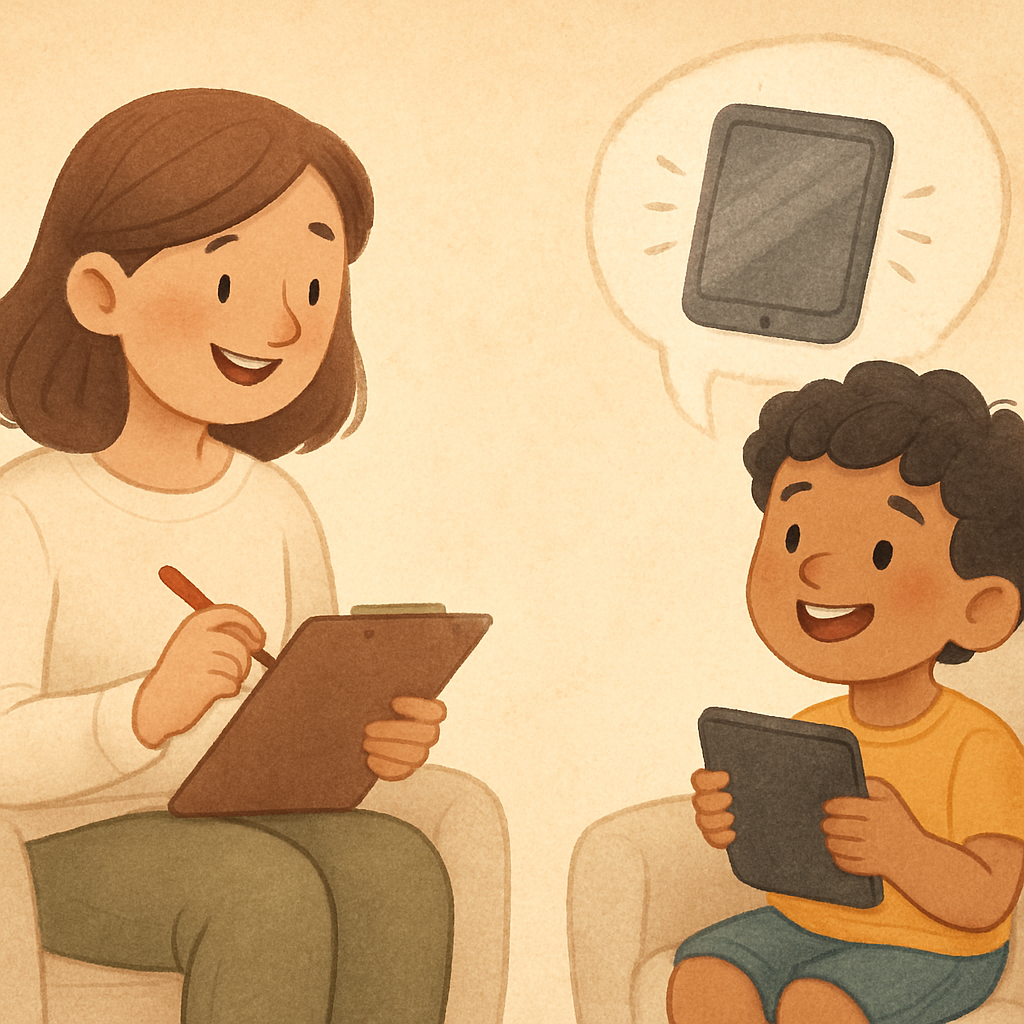
Post-screen-time anger is the frustration or defiance children show when asked to turn off devices they’ve been engaged with for extended periods in front of a screen. This reaction isn’t just misbehaviour—it has a biological cause. Activities like gaming release dopamine, and stopping them lowers dopamine, causing irritability.
Kids often use screens to escape boredom or distress, so turning them off brings those feelings back and triggers outbursts. According to experts at the University of Washington, young children are still learning to manage disappointment and frustration. To ease transitions, set predictable routines and teach coping skills without devices to reduce screen reliance.
Recognising Signs of Device Withdrawal and Frustration

It’s important to tell the difference between a typical tantrum and device withdrawal. If your child has intense outbursts or big feelings every time screen time ends—no matter how you respond—it could be a warning sign. Frequent fights over devices may point to a growing issue with screen use.
Watch for changes in your child’s well-being. Too much screen time, including TikTok, can cause poor focus, sleep problems, mood swings, and low energy—all of which can lead to more frequent and severe outbursts.
Key signs of device withdrawal include:
|
Behavioural Signs |
Physical & Social Signs |
|---|---|
|
Intense anger or tantrums when stopping |
Changes in sleep or eating habits |
|
Screens are first/last thing they seek |
Poor hygiene; complaints like back pain |
|
Little interest in other activities |
Withdrawal from family and friends |
These behaviours suggest your child may be struggling to manage time away from screens.
Practical Strategies for Smoother Transitions from Screens
Managing screen time endings proactively helps prevent meltdowns and makes transitions smoother for your child and family. Involving your child in setting limits and planning off-screen activities reduces resistance, as kids are more likely to accept rules they help create, especially when it comes to digital media. The following sections offer preparation techniques and expert tips for guiding your child from the virtual world back to real life.
Creative Transition Activities and Expert Recommendations
Abruptly switching a child from a stimulating game to a quiet task often triggers meltdowns. Experts suggest using "trading up" with creative transition activities to bridge the gap between screen time and the end of screen time with other tasks.
Choose simple, enjoyable buffer activities that redirect your child's energy. Younger kids may enjoy unstructured play, while older kids might prefer picking their own activity:
- Get moving: Run outside, shoot baskets, or dance.
- Engage their body: Toss a pillow to release tension.
- Connect: Read together or cuddle with a pet.
- Assign a chore: Small tasks help them feel helpful and grounded.
Transition activities ease the dopamine drop after screen time, making it easier for your child to shift and behave positively.
Behaviour Therapy and Devices: Helping Kids Build Resilience
Sometimes, tantrums over screen time can be a sign of deeper struggles, such as an anxiety disorder or difficulty with emotional regulation for toddlers. When meltdowns are severe and frequent, consistent parenting strategies are essential, but you might also consider seeking additional support. Building resilience in toddlers and children is a key part of helping them manage life's frustrations, including device limits.
Resources from organizations like the Child Mind Institute or your pediatrician can offer guidance on technology addiction. Behaviour therapy provides structured approaches to help children develop coping skills and manage their emotions more effectively. These techniques can empower both you and your child to handle screen time challenges with confidence.
Behaviour Therapy Approaches for Device Limit Tantrums
When your child has a tantrum over screen time limits, your response can either escalate or calm the situation. Behaviour therapy recommends staying calm and reinforcing boundaries with consistent parenting, showing that rules remain firm despite big reactions, even with the various opinions available on the internet.
During a meltdown, logical reasoning won’t help. Instead, focus on these steps:
- Stay calm: Take deep breaths and avoid power struggles.
- Be brief: Clearly state the limit— ““I know it’s hard, but screen time is over.”
- Give space: Let your child find a quiet spot to cool down.
- Redirect energy: Encourage safe physical activity to release frustration.
Using these techniques consistently helps children manage disappointment and develop better behaviour.
Conclusion
In conclusion, managing children's anger after iPad screen time is key to building a healthy relationship with technology. Recognizing signs of anger allows parents to use practical strategies for smoother transitions to other activities. Behaviour therapy can also help children cope with strong emotions and meltdowns. Aim for a balanced environment that values both technology and emotional well-being.
For personalized advice, seek support, book a consultation, or call daar at 02 9133 2500 to improve your child’s screen time experience.
Frequently Asked Questions
How can I help my child understand and accept screen time rules?
Involve your child in creating a family media use plan. When kids have a voice in setting the rules, they feel a sense of ownership, which increases acceptance. Explain the reasons for healthy limits in an age-appropriate way, emphasizing that this is a part of balanced family life for everyone.
What are immediate steps to manage a device-related meltdown?
Stay calm and avoid arguing. Firmly but gently state that screen time, including YouTube, is over. Give your child space to cool down in a safe spot. Once they are calm, you can reconnect with them. Redirecting their energy to another activity can also help encourage positive behaviour and improve your child's health.
How can parents stay consistent with device limits during tantrums?
To stay consistent, remind yourself of your long-term parenting goals. Don't negotiate or give in to behavioural issues during a tantrum every single time. Use simple, firm phrases and remember that holding the boundary teaches your child that the screen limits on their electronic devices are not up for debate.
.svg)




.svg)