
.png?width=48&height=48&name=Group%201%20(3).png)























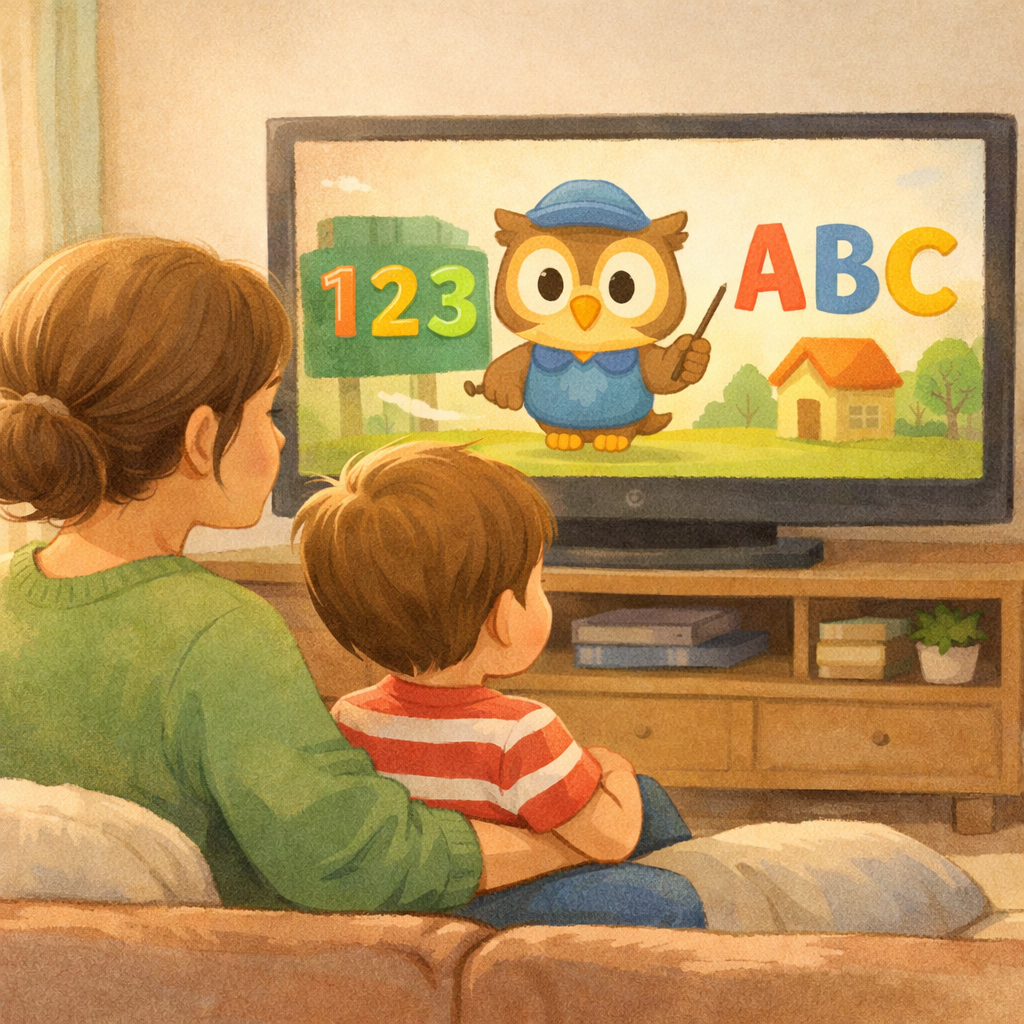
13 March, 2026

How Educational Movies for Autistic Children Boost Learning
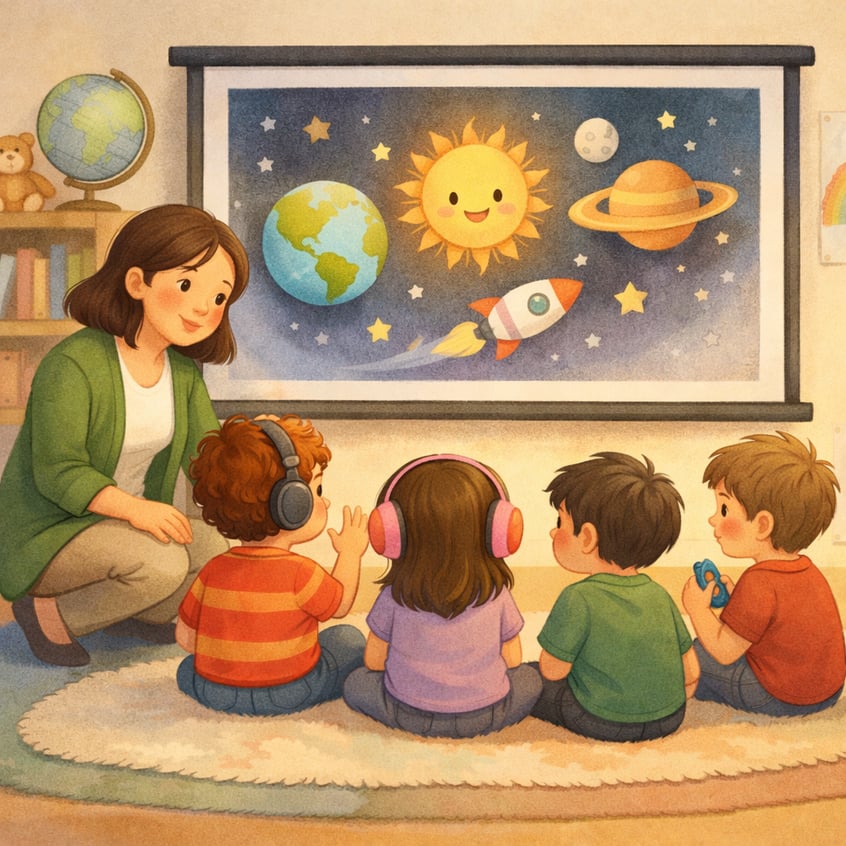
Key Highlights
- Educational movies can be a powerful tool for children with autism spectrum disorder, helping to improve social skills and engagement. However, when considering screen addiction, especially among kids, going cold turkey from platforms like YouTube may not always be the best approach. Instead, careful media use and gradually reducing screen time can transform media consumption from a passive activity into a dynamic learning experience while minimizing withdrawal effects.
- Careful media use can transform screen time from a passive activity into a dynamic learning experience.
- Visual storytelling in films helps capture the attention of children with autism, making complex ideas easier to understand.
- Balancing educational movies with physical activity and offline social interaction is key to healthy development.
- Setting clear boundaries and using parental controls ensures screen time remains a positive and safe activity.
Introduction
Many parents of children with autism spectrum disorder wonder about the role of screen time in their child's development. While it's easy to worry about too much screen time and use, what if you could turn that time into a valuable learning opportunity? Educational movies, when chosen and used thoughtfully, can be more than just entertainment. They can become a powerful tool to support your child’s learning, communication, and social growth, making screen time a positive and enriching part of their day.
Understanding How Autistic Children Learn
Children with autism spectrum disorder often learn differently from their neurotypical peers. Many neurodivergent children are visual thinkers, which means they process and retain information more effectively when it's presented visually. This is why tools like charts, pictures, and videos can be so impactful.
For some, social anxiety can make traditional classroom settings feel overwhelming. Learning through media can offer a more predictable and less stressful environment. Understanding these unique learning styles is the first step toward using tools like educational movies to their fullest potential. Next, we will explore the common learning profiles and the role of visual media.
Common Learning Profiles in Autism Spectrum Disorder
Children with autism spectrum disorder have diverse learning profiles and unique strengths. Many are visual learners who excel with images, videos, or diagrams, making them receptive to screen-based media. Some focus intensely on their interests and absorb large amounts of information. Further research is essential to understand how to effectively support these children in their learning process.
However, attention deficits can make traditional learning environments challenging. While fast-paced media may overwhelm some children, it can help others stay engaged. Therapeutic methods like cognitive behavioral therapy (CBT) can support attention and learning skills.
Understanding your child’s specific learning style is essential. By identifying their strengths and challenges, you can tailor educational experiences and media use to best support them. This personalized approach makes learning more enjoyable and effective.
The Role of Visual Supports and Media in Autism Education
Visual supports are a cornerstone of autism education, and digital media, particularly video gaming, is a powerful extension of this strategy. For children who think in pictures, videos and movies make abstract concepts concrete and easier to grasp. Online platforms can offer a safe space to practice social skills by observing interactions without the immediate pressure of a real-life situation.
This type of media use transforms passive viewing into active learning for young people. Educational films can demonstrate social cues, emotional expressions, and daily routines in a clear, repetitive way. This helps build a foundation for real-world interactions. To set healthy boundaries around YouTube use, it is important to co-create a family media plan that specifies when and how long screens can be used.
Visual media can effectively be used to:
- Teach new vocabulary and language concepts.
- Model appropriate social behaviors and interactions.
- Break down complex tasks into simple, visual steps.
- Explain emotions and others' perspectives.
Individual Strengths and Challenges in Learning Styles
Every neurodivergent child has a unique mix of strengths and challenges. For example, some children with autism may have exceptional memory or deep interests, excelling in pattern recognition and logical thinking. Others with attention deficit hyperactivity disorder (ADHD) may struggle to focus on tasks without immediate feedback and find social cues confusing. Digital media’s instant rewards can be especially tempting for those with attention deficit hyperactivity disorder (ADHD), making balanced screen use important.
Recognizing these differences is key. By nurturing strengths and supporting challenges, you can create an environment where each child thrives, builds confidence, and develops skills at their own pace.
What Are Educational Movies for Autistic Children?
Educational movies for children with autism spectrum disorder are films specifically designed or chosen to support their learning and development. Unlike typical entertainment, these movies have a clear purpose, whether it's to teach social skills, explain emotions, or introduce new concepts in an accessible way.
The goal is to make media use an active part of education, not just passive screen time. By selecting the right content, you can transform a tablet or TV into a powerful teaching tool that aligns with your child's unique learning style. We'll now look at what defines these films and some key features to look for.
Defining Educational Films and Their Purpose
Educational films are videos created with clear learning goals. They aim to teach or explain concepts in an engaging, easy-to-understand way. For autistic children, these films can make abstract ideas more concrete, often focusing on social skills, emotional recognition, and daily routines.
Unlike entertainment-focused games or online activities, educational films prioritize clarity and learning. They use simple language, clear visuals, and structured stories to present information. The purpose is not just to fill time but to build real-world skills and knowledge.
These films make screen time productive by offering a supportive environment where children can learn at their own pace and without classroom pressures—helping boost confidence and understanding.
Key Features of Autism-Friendly Educational Movies
When selecting digital media for a child with autism spectrum disorder, certain features can make a big difference. Look for specific videos with clear, direct language and a moderate pace. Movies with predictable plots and character behaviors are often more comforting and easier to follow than those with complex, fast-changing storylines.
Visual clarity is also essential for younger viewers. Bright, contrasting colors without overwhelming sensory effects can help maintain focus. Many online platforms offer features like a restricted mode, which helps filter out potentially mature content. Yes, there are specific parental controls that can limit kids' access to YouTube, such as using the YouTube Kids app, which allows you to block channels, disable search, and set timers.
Key features to look for include:
- Simple, predictable storylines.
- Clear and literal language.
- Strong visual cues that support the dialogue.
- Calm and consistent audio without sudden loud noises.
- Characters who explicitly state their feelings and intentions.
Popular Examples Used in Australian Classrooms
In Australian classrooms, educators often use a variety of educational movies and specific channels to support young children with autism. These resources are chosen for their ability to engage children visually while teaching important social and emotional skills. The YouTube Kids app, with its search function disabled, is a popular choice because it offers a more controlled environment and curated content.
Channels like "Daniel Tiger's Neighborhood" are widely used because they explicitly address social-emotional themes like sharing, managing frustration, and understanding others' feelings. The songs and repetitive phrases make the lessons memorable for young children. Similarly, "Bluey" is praised for its realistic portrayal of family life and play, offering valuable examples of social interaction and problem-solving.
Managing screen time is still important, but using these high-quality resources can make that time more beneficial. Below are some examples often used to support learning.
|
Channel/Show |
Focus Area |
Why It Works for Autistic Children |
|---|---|---|
|
Daniel Tiger's Neighborhood |
Social-Emotional Skills |
Uses simple songs and direct language to teach coping strategies. |
|
Bluey |
Social Interaction & Play |
Models imaginative play and positive family dynamics. |
|
Numberblocks |
Math Concepts |
Visualizes numbers as characters, making math concrete and fun. |
|
Cosmic Kids Yoga |
Body Awareness & Regulation |
Combines storytelling with gentle physical activity to aid regulation. |
Benefits of Educational Movies for Autistic Learners
Educational movies offer significant benefits for autistic learners by tapping into their visual learning strengths. The combination of moving pictures, sound, and story can capture and hold their attention in ways that other teaching methods might not. This increased engagement makes learning feel less like a chore and more like an enjoyable activity.
From improving social skills by watching characters interact to boosting language development through clear narration, these films can be a versatile tool. Thoughtfully managed screen time can support growth in attention, communication, and social understanding. Let's examine how visual storytelling can specifically enhance attention and support other key skills.
Improving Attention and Engagement Through Visual Storytelling
Visual storytelling is an effective way to engage children with attention difficulties. Unlike static worksheets or lectures, movies offer a dynamic, multi-sensory experience that holds interest longer. Stories also provide context, making information more meaningful and memorable.
However, content selection is crucial. While some YouTube videos are educational, many rely on fast pacing and constant stimulation—similar to video games—which can worsen attention spans, increase social isolation, and expose children to inappropriate material. This is influenced by the YouTube algorithm. Choose films with a calm, deliberate pace that encourages focus.
Used wisely, educational movies can boost engagement by turning lessons into exciting adventures through compelling characters and stories.
Supporting Social Skills Development
Educational movies can be an excellent resource for developing social skills in children with autism spectrum disorder. Films often show characters navigating various social situations, providing clear and repeatable examples of how to interact with others. A child can observe body language, facial expressions, and tone of voice in a low-pressure setting, which they can then practice in real life.
Many online activities can feel isolating, but watching movies together can become a shared experience. You can pause the film to discuss what a character might be feeling or why they acted a certain way. This helps teach perspective-taking, a key component of social understanding. These guided conversations turn entertainment into a direct lesson on peer interaction.
Unlike the unpredictability of real-world social encounters, a movie offers a safe and predictable environment to learn. This can reduce anxiety and build confidence, empowering your child to engage more successfully with others in their daily life.
Promoting Language and Communication Growth
Educational movies can boost language development and communication skills by introducing new vocabulary in context. Hearing words alongside visual cues reinforces learning and retention.
Unlike video games with limited dialogue, movies offer structured conversations and narratives. Repeated phrases and songs in children’s films help with language acquisition, modeling correct pronunciation and sentence structure engagingly.
You can enhance learning by repeating movie phrases, asking questions about the story, and encouraging your child to describe what they see. This interactive approach turns passive viewing into active language practice, strengthening communication skills.
How Educational Movies Can Address Sensory Needs
Educational movies can be adapted to meet the sensory needs of autistic children, making screen time more comfortable and positive. Many autistic children are sensitive to loud noises, bright lights, or fast visuals, so choosing calm, predictable content is important.
Audio-visual customization features let you adjust volume, brightness, and add subtitles to create a sensory-friendly experience. These adjustments help your child engage with content without feeling overwhelmed. The following sections will cover how to customize media and set up a supportive viewing space.
Audio-Visual Customization for Sensory Comfort
Customizing audio-visual settings is essential for meeting a child's sensory needs. Sudden loud noises or busy screens can be distressing, so choosing films with calm soundtracks and simple visuals helps create a comfortable environment. Lowering the volume and dimming brightness can further reduce sensory overload.
Parental controls like the YouTube Kids app or "Restricted Mode" on YouTube help limit access to unpredictable content, giving you more control over what your child sees and hears.
The goal is to make viewing safe and predictable. By managing sensory input, you help your child stay calm, focused, and able to enjoy learning.
Using Sopportive Tools (Subtitles, Narration, Sound Control)
Supportive tools like subtitles, narration, and sound control can enhance the viewing experience for neurodivergent children. Subtitles provide clarity and help with language skills, making it easier for young viewers to follow along. Similarly, narration can bring stories to life, addressing social skills and emotional understanding. Implementing sound control settings allows family members to customize the audio experience, creating a comfortable environment while reducing overwhelming stimuli. These tools encourage meaningful engagement with educational content, promoting positive interactions and facilitating a sense of ownership in their learning journey.
Creating a Positive Viewing Environment
Creating a positive viewing environment is as important as the content itself. Make screen time comfortable, shared, and intentional by setting aside specific times to watch together instead of leaving the TV on in the background. This structure helps many children with autism feel more at ease.
Include family members to encourage conversation and connection. Let your child choose from a pre-approved list of movies or help set up the viewing area with pillows and blankets. These steps build positive associations with screen time.
Balance viewing with other activities. After watching, do something physical or a hands-on project related to the film to ease the transition away from screens and reinforce what was learned.
Integrating Educational Movies Into Daily Learning Routines
Integrating educational movies into your child's daily routines can transform screen time from a simple pastime into a valuable learning tool. Instead of allowing random device use, be intentional about when and how movies are watched. By scheduling media use, you can ensure it complements other educational goals and doesn't disrupt important activities.
This structured approach helps your child understand that screens are just one part of their day, creating a balance for safe internet usage. The following sections offer tips on how to timetable screen time for a positive impact, pair movies with hands-on activities, and balance digital entertainment with essential offline experiences.
Timetabling Screen Time for Positive Impact
Setting a clear schedule for screen time is one of the most effective ways to ensure it has a positive impact on gaming time. When movies are part of daily routines, children know what to expect, which can reduce arguments over when to turn devices off. Establishing a consistent time limit helps teach self-regulation and reinforces that screen time is a finite activity.
How much daily screen time is recommended for kids? While guidelines vary by age, the key is balance. For school-aged children, many experts suggest limiting recreational screen use to 1-2 hours per day. It’s important to set time limits that work for your family and prioritize sleep, physical activity, and social interaction to reduce any negative effects. Use a visual timer so your child can see how much time is left, making the transition away from the screen smoother.
To effectively timetable screen time:
- Use a visual schedule to show when movie time is planned.
- Set a timer to clearly define the end of screen time.
- Avoid screen time right before bed or during meals.
- Schedule it as a reward after homework or chores are completed.
Pairing Movies With Hands-On Activities
Pairing educational movies with hands-on activities extends learning beyond the screen. Connecting film concepts to real-world experiences reinforces understanding and transforms passive viewing into active, multi-sensory learning—especially effective for many autistic children.
After an animal-themed movie, visit a zoo, play with animal figures, or draw the animals you saw. For films about building, use blocks to create your own structures. These offline activities give kids a break from screens and help them apply what they’ve learned in new settings.
Unlike online games that keep kids glued to devices, these activities boost creativity, fine motor skills, and social interaction. This approach makes screen time a springboard for exploration rather than an endpoint.
Balancing Movies with Offline Social Experiences
 While educational movies can teach social skills, real-world practice is essential. Balancing screen time with offline social activities supports your child’s development and mental health. These experiences let them apply lessons from movies in real-life situations.
Encourage involvement in structured activities like Lego clubs, swimming classes, or music groups to foster peer interaction. Even simple activities such as family board games or park visits help build social skills.
The aim is for screens to supplement—not replace—human connection. By promoting offline interactions, you help your child gain confidence, form meaningful relationships, and adapt socially.
Setting Healthy Boundaries Around Screen Time
Setting healthy boundaries around screen time is crucial for protecting family relationships and ensuring your younger children engage with the online world safely. This isn't about banning device use but about teaching mindful and balanced habits. Using parental controls and establishing clear rules helps create a predictable structure for your child.
When the whole family is on board, these boundaries become a shared value rather than a source of conflict. The following sections will guide you on building family media agreements, monitoring behavior, and encouraging self-regulation to foster a healthy relationship with technology.
Building Family Media Agreements
One of the best family strategies to prevent digital addiction is to create a media agreement together. This is a collaborative plan that outlines the rules for media use, including mobile phone usage, in your home. When children are involved in creating the rules, they feel a sense of ownership and are more likely to follow them. This process opens up a conversation about why balance is important for a healthy family life.
Your agreement should be clear, consistent, and apply to everyone in the family—parents included. This models healthy behavior and shows that the rules are about well-being, not just controlling your child's screen time. You can use parental controls in the YouTube app as a tool to help enforce the agreement, but the foundation should be mutual understanding and respect.
A family media agreement might include:
- Screen-free zones, such as bedrooms and the dinner table.
- Designated screen-free times, like the first hour after school and the hour before bed.
- Rules about asking for permission before downloading new apps, including the use of a separate app for kids’ media consumption.
- A commitment to balancing screen time with other family activities.
Monitoring Behavioral Changes During Use
Monitor your child's behavior during and after media use. Signs like irritability, anxiety, or withdrawal symptoms when screen time ends may signal problematic use. Watch for decreased interest in other activities or secrecy about what they're viewing.
Tracking these changes helps you spot early signs of screen addiction. If specific content or excessive use negatively affects their mood or behavior, adjust the rules and suggest alternative activities.
Keep communication open. Ask how they feel after watching videos or playing games. This builds their self-awareness and gives you insight into their digital habits, so you can maintain open lines of communication and step in supportively if needed.
Encouraging Self-Regulation Strategies
Teaching your child self-regulation is key to long-term psychological health and balanced tech use. Instead of relying on external controls, help them manage their own screen time by recognizing feelings and impulses around device use.
For example, teach them to notice the urge for "just one more video" and use simple techniques like deep breaths or switching to a planned offline activity. This approach is more sustainable than constant battles over strict limits.
Encourage timers and planning a mix of online and offline activities. By giving your child these tools, you build independence and resilience—crucial skills for navigating today's digital world.
Recognizing Signs of Digital Overuse and Addressing Challenges
It is important to recognize when healthy media use crosses the line into problematic screen use, including video game addiction or screen addiction. This is not just about the amount of time spent online but how it impacts your child's life. Look for significant behavioral changes, a loss of interest in other activities, or extreme distress when screens are removed.
Knowing the signs of internet addiction, including potential indications of internet gaming disorder, can help you intervene early and address challenges before they become more serious. The next sections will detail what to watch for, strategies to reduce over-reliance on screens, and how to handle meltdowns if they occur.
Noticing When Screen Time Becomes Too Much
To know if your child is suffering from YouTube addiction or other forms of screen time, look for signs that their device use is negatively impacting their life. The issue isn't just the number of hours they spend online, but whether it's causing problems with their mental health, schoolwork, or relationships. True screen addiction, sometimes discussed under internet use disorders, involves a loss of control.
You might notice that their entire mood depends on whether they can access their device. They may neglect responsibilities, hygiene, or even sleep to continue watching videos. Another key sign is when they continue their problematic use despite clear negative consequences.
Look for these warning signs:
- Intense irritability, sadness, or anger when screen time is restricted.
- Loss of interest in hobbies or activities they used to enjoy.
- Lying about the amount of time they spend on screens.
- Withdrawing from family and friends in favor of online activities.
- A decline in academic performance.
Strategies for Reducing Over-Reliance on Screens
The most effective ways to help kids reduce their YouTube screen time involve a combination of clear boundaries and appealing alternatives. Simply taking away the screen is not enough; you need to fill that time with engaging offline activities. Start by setting a consistent time limit for all screen use, including social media, videos, and addressing gaming addiction, and enforce it with parental controls if necessary.
Collaborate with your child to brainstorm a list of fun alternative activities. This gives them a sense of control and ensures they have something to look forward to when the screen turns off. The goal is to make real life as compelling as their digital world.
Here are some effective strategies:
- Establish "screen-free" times and zones in your home.
- Plan daily physical activity or outdoor playtime.
- Introduce new hobbies like drawing, building models, or learning an instrument.
- Schedule regular family game nights or other interactive activities.
How to Respond if Meltdowns Occur After Restriction
If your child's behavior worsens after restricting YouTube, respond with empathy and consistency. Meltdowns often signal withdrawal or anxiety, especially in neurodivergent children who use screens to self-regulate. Their strong reaction shows they’re struggling with the change.
Stay calm and validate their feelings without giving in: “I know you’re upset that screen time is over. It’s hard to stop when you’re having fun.” Then, gently redirect them to a calming activity, like a “calm-down corner” or a breathing exercise.
Avoid punishing meltdowns, as this can harm their emotional health and lead to power struggles. Instead, use the moment to teach new coping skills. Consistently maintain boundaries while offering support to help them manage emotions without screens.
Encouraging Alternative Activities Beyond Movies
While educational movies have their place, a healthy childhood is filled with a wide variety of activities. Encouraging alternative activities helps create a balanced lifestyle and reduces reliance on screens. Focus on options that promote physical activity, foster creative hobbies, and facilitate peer interaction.
By making offline life vibrant and engaging, you can naturally decrease the pull of digital entertainment. The following sections will explore ideas for outdoor play, creative skill development, and social opportunities that will enrich your child's life beyond the screen.
Outdoor Play and Physical Activity for Balance
Encourage your child to replace YouTube with enjoyable outdoor activities and regular exercise. Physical activity improves mental health, reduces stress, and provides sensory input often sought from screens.
Choose activities your child genuinely likes—bike rides, sports teams, or nature walks. Make it fun and engaging so it feels like an adventure rather than a chore.
By consistently prioritizing physical activity, you create a healthy balance with screen time. Outdoor play naturally connects children to the world, supports sensory needs, and builds strong bodies and minds—making it a great alternative to passive screen viewing.
Promoting Creative Hobbies and Skill Development
Promoting creative hobbies is another excellent way to encourage skill development and offer appealing alternative activities to screen time for older children. Many children are drawn to online platforms because they offer a way to create and explore. You can channel that same creative energy into offline pursuits like drawing, painting, writing stories, or building with Lego.
Find a hobby that aligns with your child's interests. If they love the world-building aspect of video games, they might enjoy learning to code, designing their own board game, or joining a drama club. These activities build confidence and provide a sense of accomplishment that is deeply rewarding.
While some online platforms can support skill development, the goal is to foster passions that exist beyond the screen. These creative hobbies not only reduce screen dependency but also help your child discover new talents, express themselves, and develop valuable lifelong skills.
Facilitating Peer Interaction and Participation in Groups
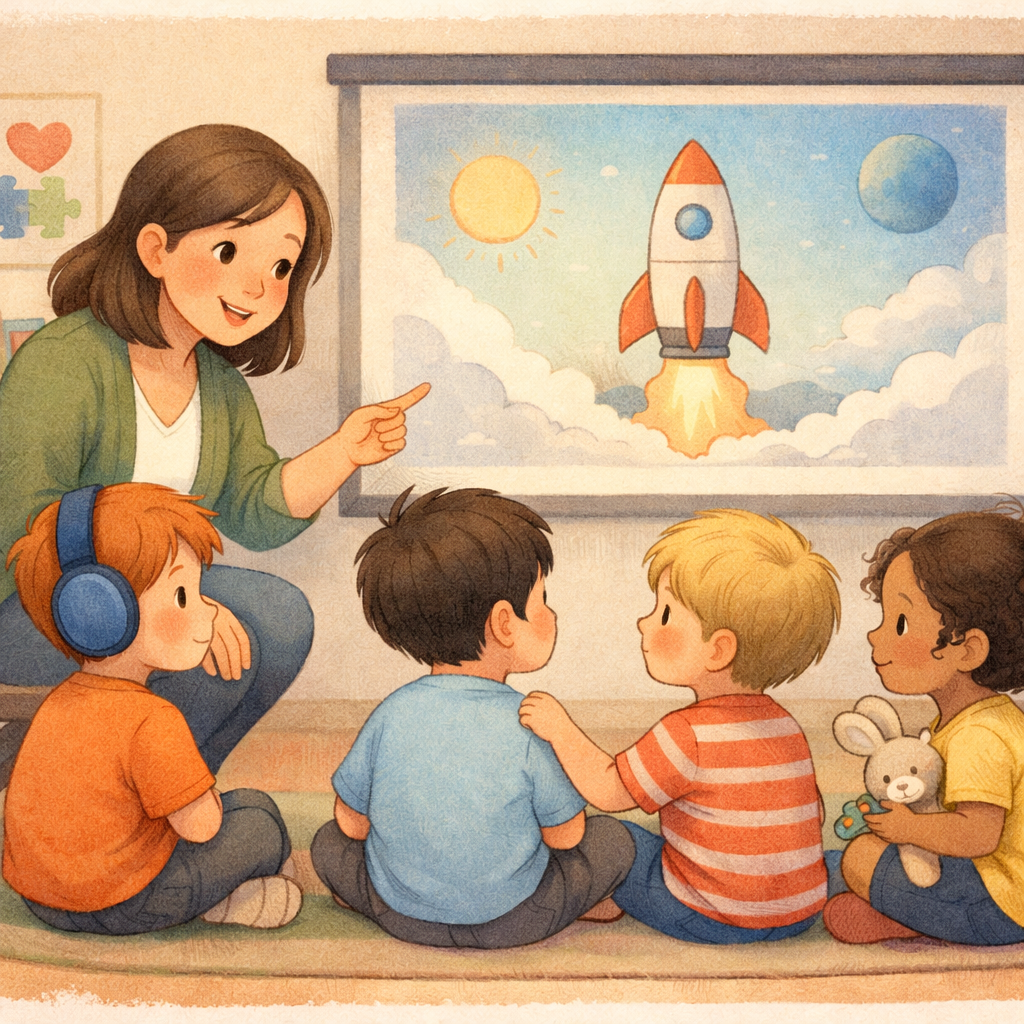
Facilitating peer interaction is crucial for building social skills and strengthening family relationships. If screen time is replacing face-to-face interactions, it's important to create structured opportunities for your child to engage with others. For children with social anxiety, online connections can feel safer, so start with low-pressure situations.
Enroll your child in a group or club based on their interests, such as an art class, a coding camp, or a martial arts dojo. These environments provide a shared focus that can make interaction feel more natural. Participation in these groups helps them practice conversation, cooperation, and friendship-building in a supportive setting.
You can also model positive social behavior at home. Plan regular family game nights or outings that encourage teamwork and communication. By actively fostering these real-world connections, you help your child build a strong social support system that extends far beyond any screen.
Conclusion
In conclusion, educational movies can greatly enhance learning for autistic children by addressing their unique needs, boosting engagement, and supporting social and language development. However, they should be used thoughtfully, with limits on screen time and a balance of other creative activities. Monitor for signs of digital overuse and address challenges early to maximize benefits.
For personalized guidance, schedule a consultation or call daar at 02 9133 2500 with our experts today!
Frequently Asked Questions
What types of movies are best for autistic children’s learning?
The best educational movies for children with autism spectrum disorder feature clear language, predictable plots, and strong visual cues. Content from platforms like the YouTube Kids app, with shows that explicitly teach social-emotional skills, is often effective. Prioritize calm and purposeful media use to make screen time a learning experience.
How can I make sure my child benefits from educational screen time?
To ensure your child benefits from screen time, focus on active media use. Co-watch with them, discuss the harmful content, and pair it with offline activities. Use parental controls and thoughtful content selection to create a safe and purposeful learning environment. Intentional device use is key to maximizing educational benefits.
What should I do if my child seems addicted to watching movies?
If you suspect screen addiction, look for negative behavioral changes and a loss of interest in other activities. Set clear limits on screen time using parental controls and introduce engaging offline alternatives. If meltdowns occur, respond with empathy while holding firm boundaries and consider seeking professional help if needed.
.svg)




.svg)