
.png?width=48&height=48&name=Group%201%20(3).png)























12 March, 2026

Engaging Educational Shows for Neurodiverse Children
Key Highlights
- Educational shows can be fantastic tools for neurodiverse children, helping to build social skills and emotional understanding.
- The best shows for children on the autism spectrum often feature strong visual storytelling and clear visual cues.
- Managing screen time is about quality over quantity, focusing on programs that support your child’s development.
- Animated shows with vibrant colors and predictable content can be less overwhelming for children with sensory sensitivities.
- Live-action programs offer a great way to model real-life social interactions and teach practical skills.
- Choosing the right show means considering your child's unique needs, interests, and developmental stage.
Introduction
Finding the perfect shows for your child can feel like a huge task, especially for parents of neurodiverse children. For kids on the autism spectrum, screen time can be more than just fun; it can be a valuable tool for learning and growth. The right educational shows can help improve social skills and support your child's overall development. This guide will help you explore the world of children's television and discover the best recommended shows that are both enjoyable and beneficial for your child.
Understanding Neurodiversity and Educational Viewing in Australia
Neurodiversity celebrates the idea that differences in brain function are natural. For neurodiverse children, this means they might process the world differently, including how they watch and understand television. Thoughtful screen time can support a child's development by reinforcing social cues and modeling positive social interactions.
Understanding your child's unique viewing needs is the first step toward making screen time a positive experience. Shows that cater to the autism spectrum by offering predictable stories and clear communication can be incredibly supportive. Let's look closer at what makes a show a good fit.
The Unique Needs of Neurodiverse Children When Watching TV
Neurodiverse children often need special consideration with screen time. Sensory sensitivities—like loud noises, bright lights, or fast-paced scenes—can be overwhelming, so shows with a calmer pace and softer visuals are more comfortable.
Abstract social concepts can also be hard to understand. TV programs that clearly model social skills, such as sharing or taking turns, provide helpful examples—especially for nonverbal autistic children who learn visually.
Choosing gentle, sensory-friendly content makes screen time enriching and enjoyable. The aim is to find programs that engage your child without causing distress, turning TV into a tool for building communication skills and understanding the world.
Key Qualities That Make Educational Shows Suitable for Neurodiverse Kids
When choosing educational shows for neurodiverse kids, look for programs with qualities that make learning easier and more enjoyable. Strong visual storytelling helps explain complex ideas like emotions. Predictable content and repetitive structures provide comfort, reduce anxiety, and support focus—one reason many top shows for autistic children use familiar formats each episode. Clear social cues and modeled interactions naturally build social skills.
Key features to look for:
- Predictable Plotlines: Simple, consistent stories.
- Clear Visual Cues: Exaggerated expressions and uncluttered backgrounds.
- Sensory-Friendly Content: Gentle sounds, slow pacing, no flashing lights.
- Positive Social Modeling: Characters show empathy, cooperation, and problem-solving.
How to Choose the Right Educational Show for Neurodiverse Children
Choosing the right programs for your child is simpler when you know what to look for. The best educational shows support your child’s development by reinforcing social skills and daily routines, making screen time a productive and fun activity. It’s about finding a balance that entertains while also teaching.
With so many options available, focusing on shows with strong visual cues and clear lessons can help narrow down the choices. The goal is to pick shows that blend fun and learning, contributing positively to your child’s growth. We’ll now discuss how to assess specific elements of a show.
Assessing Content, Pacing, and Visual Style
The content, pacing, and visual style of a show are critical factors. Programs with clear language and predictable storylines create a sense of security and make it easier for children to follow along. A slower pace with calm visuals can prevent overstimulation, which is especially important for children with sensory sensitivities.
Animation often works well because it uses vibrant colors and strong visual storytelling to make abstract concepts more understandable. For example, exaggerated facial expressions can serve as clear visual cues for emotions. Shows that are particularly suitable for nonverbal autistic children often rely on this visual clarity to convey meaning without much dialogue.
When you're previewing a show, consider these elements to see if it's a good match for your child's needs.
|
Feature to Assess |
Why It's Important for Neurodiverse Children |
|---|---|
|
Pacing |
A slow, deliberate pace helps prevent sensory overload and improves comprehension. |
|
Visual Style |
Simple backgrounds and clear, bright colors help focus attention on the characters and actions. |
|
Language |
Clear, simple language and repetition reinforce vocabulary and communication skills. |
|
Storyline |
Predictable storylines reduce anxiety and make it easier to understand social situations. |
Factors for Different Age Groups and Developmental Levels
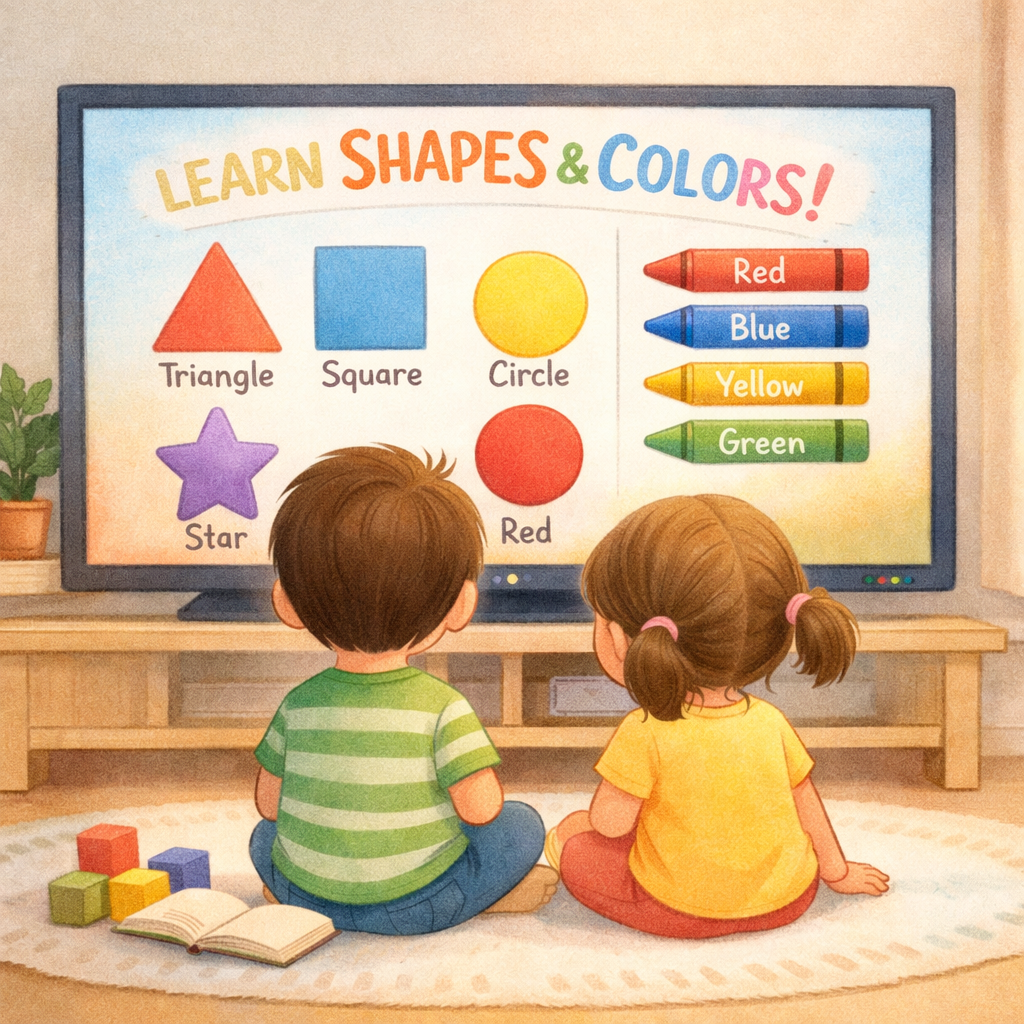
A show's effectiveness greatly depends on its age appropriateness and how well it aligns with your child's developmental level. For younger kids, programs that teach basic skills like letters, numbers, and colors in a structured manner are highly effective. These shows often break down concepts into simple, manageable steps that support a young child's learning.
As children grow, their needs change. Age-appropriate shows for neurodiverse kids under 10 might focus more on complex social situations, problem-solving, and emotional regulation. It is important to consider your child's individual abilities and learning goals, whether it’s recognizing emotions or mastering daily routines.
When choosing a show, think about what new skills it can help build. The right program should engage your child without being overwhelming and match their interests. Consider these factors:
- For Young Children (2-5): Focus on shows with simple songs, repetition, and basic concepts.
- For Early Elementary (6-8): Look for programs with relatable characters that model friendships and problem-solving.
- For Older Kids (9+): Choose content that explores more complex social dynamics and critical thinking.
Conclusion
In summary, selecting the right educational shows for neurodiverse children can significantly enhance their learning experiences and cater to their unique needs. By understanding the qualities that make a show educationally enriching and suitable for various developmental levels, parents and caregivers can create a supportive viewing environment. From pacing to visual style, every aspect of the show should aim to engage and promote positive learning outcomes. Remember, the right content can make a world of difference in nurturing curiosity and growth.
If you’re ready to explore tailored recommendations, don’t hesitate to reach out for a consultation or call daar at 02 9133 2500!
Frequently Asked Questions
Are there educational shows that help nonverbal autistic children?
Yes, many educational shows are great for nonverbal autistic children. Programs that rely on strong visual storytelling, clear visual cues, and exaggerated facial expressions can help build comprehension without dialogue. Shows like "Pocoyo" and "Shaun the Sheep" use minimal or no speech, making them excellent choices.
Which TV shows are parent-recommended for neurodiverse learning?
Parent-recommended shows for neurodiverse children often include "Daniel Tiger's Neighborhood," "Sesame Street," and "Bluey." These programs are praised for teaching social skills and emotional regulation in a gentle, engaging way. Parent support groups and neurodiversity blogs are practical resources for finding more suggestions and managing screen time effectively.
Do any educational shows use ABA-informed approaches for autistic kids?
While few educational shows are explicitly designed with ABA therapy principles, many use similar techniques. Programs that use repetition, clear language, and break down basic skills into simple steps align well with ABA-informed approaches. These shows reinforce positive behaviors and help autistic kids learn in a structured way.
.svg)




.svg)