
.png?width=48&height=48&name=Group%201%20(3).png)























11 March, 2026

Best Movies for Autistic Kids: Top Picks for Fun
Key Highlights
- Shows that feature clear structures and repetition can be very beneficial for children on the autism spectrum.
- The best screen time options for young children often focus on social-emotional learning and building social skills.
- Animated shows with strong visual storytelling can be a great choice, creating sensory-friendly content.
- Live-action programs can model social interactions and help develop new skills in a calm, engaging manner.
- Choosing the right show means considering your child's specific needs, including sensory processing and interests.
- Media can be a powerful tool for teaching empathy and understanding different emotional responses.
Introduction
Finding the right shows for your child to watch can feel like a major task, especially for parents of neurodiverse children. For young children on the autism spectrum, screen time can be more than just entertainment; it can be a valuable tool for early intervention support, learning and development. The right programs can help improve communication skills and support their mental health. This guide will help you navigate the world of children's television to find the best recommended shows that are both enjoyable and beneficial for your child.
Understanding Neurodiversity and the Power of Suitable Entertainment
Neurodiversity celebrates the idea that brain differences are natural variations in the human experience. For children on the autism spectrum, this means they may interact with the world differently, including how they watch and process television shows, which can help caregivers recognize these viewing needs. Viewing needs can vary greatly, from requiring predictable storylines to avoiding overwhelming sensory input.
Understanding these unique challenges is the first step toward making screen time a positive experience for autistic individuals. When choosing movies for your autistic child, consider shows that cater to different sensory processing styles and help build communication skills. This approach can be incredibly supportive for their mental health. Now, let's explore what makes a show a good fit for your child.
What Makes TV Shows and Movies Supportive for Neurodiverse Kids in Australia
When choosing a show for your child, consider their personality and needs. Gentle, sensory-friendly content that promotes learning without overwhelming is best. For children on the autism spectrum, predictable plotlines, lower noise, soft lighting, and slower pacing provide comfort. You can also explore recommendations from friends or family on social media platforms.
Supportive media should be part of a balanced routine. A flexible approach to limiting screen time ensures your child’s viewing is both entertaining and enriching. Programs that model clear social communication help build empathy and understanding; gentle movies with clear cues can be especially comforting for autistic kids.
Focusing on these factors makes viewing constructive, supporting your child’s development, and serving as a valuable early intervention tool.
Key Elements of Autism-Friendly and Sensory-Friendly Content
Autism-friendly shows include features that support children on the spectrum, such as strong visual cues and structured repetition. These elements clarify abstract ideas and reduce anxiety, making them valuable resources.
Sensory-friendly content emphasizes emotional regulation and understanding body language. To avoid overwhelming sensitive kids, skip shows with sudden loud noises, fast editing, or intense drama. Instead, choose programs with:
- Predictable, clear storylines
- Calm pacing and gentle sound design
- Exaggerated facial expressions for emotions
- Positive social interaction modeling
Selecting shows with these qualities can make screen time enjoyable and supportive for your child's early intervention, promoting comfort and comprehension.
Top Animated Shows Recommended for Neurodiverse Kids
Animated shows are often a fantastic choice for neurodiverse children, particularly those with an autism spectrum disorder. The visual nature of animation can make it easier to understand emotions and social cues. Many series are created with sensory sensitivities in mind, featuring calm pacing and gentle sound design that help prevent the negative effects of overstimulation.
From a young child learning about feelings to characters embarking on exciting adventures, animation offers a world of meaningful differences and possibilities. Shows from studios like Studio Ghibli can provide comfort, teach valuable lessons, and become a wonderful part of your child's routine. Let's look at some specific examples of gentle cartoons.
Gentle Australian and International Cartoons to Consider
Many animated shows are popular in the autism community for their engaging stories and relatable characters, especially for children navigating an autism diagnosis. While Disney and Pixar films are favorites, other series also resonate with young children. These gentle shows offer comfort, inspiration, and familiar experiences. Classic movies can introduce new ideas in an accessible way.
For example, Pixar’s Inside Out helps explain emotions visually, which is useful for autistic children. The Lego Movie offers creative storytelling and clear social situations. Much like Willy Wonka and the Chocolate Factory, such movies provide predictable scenarios that many autistic kids find reassuring.
Here are some recommended animated movies:
|
Show/Movie |
Why It’s Recommended |
|---|---|
|
Inside Out |
Illustrates emotions through relatable characters, including a young girl who navigates her feelings during a family move. |
|
Finding Dory |
Features a character with cognitive differences, encouraging empathy. |
|
Moana |
Shares positive messages of self-discovery and courage with vivid animation. |
|
Mary and Max |
Touching portrayal of friendship and Asperger's syndrome. |
Why Animation Often Resonates with Autistic and Neurodiverse Kids
Animated movies and TV shows are especially effective for the whole family, particularly autistic children. Their clear visuals simplify complex ideas, making abstract concepts like emotions and social interactions easier to understand. Exaggerated facial expressions and body language in cartoons clarify social cues that might be missed in real life, building empathy.
The predictability of animated worlds offers a safe space for imaginative play without the sensory overload of real-life situations, much like visiting a chocolate factory. This comfort helps children engage more deeply and develop new skills. By presenting stories vibrantly and clearly, animation becomes a powerful tool for learning and emotional regulation.
Great Live-Action Series for Neurodiverse Children
While animation is a great option, live-action therapy services programs also offer unique benefits for neurodiverse children. These shows provide realistic models of social interactions and behaviors from real stories, helping children with autism learn new skills in a relatable context. They can also introduce hobbies that encourage physical activity and hands-on learning.
Choosing the right live-action content is key. Look for programs with calm pacing, clear dialogue, and positive messages that build social skills and important information communication skills. When selected carefully, these shows can become a valuable part of your child's media diet, supporting their growth and understanding of the world.
Live-Action Shows Encourage Social and Communication Skills
Many live-action series support social and emotional learning. For children with autism, including those like an autistic boy, shows that model pro-social behavior is especially helpful, visually demonstrating how to navigate friendships and manage emotions. Positive portrayals of autism can be empowering.
These programs also help caregivers by providing talking points for social communication, as our speech therapists guide them through effective methods. Watching characters face challenges teaches children strategies for real-life situations and helps them build new skills. Beneficial options include:
- Educational programs that explain social concepts clearly
- Interactive shows that prompt participation
- Series focused on teamwork and collaboration
- Storytelling that models empathy and problem-solving
This content is more than entertainment—it’s a valuable tool for building confidence and social skills.
Series That Prioritize Comfort and Minimize Overstimulation
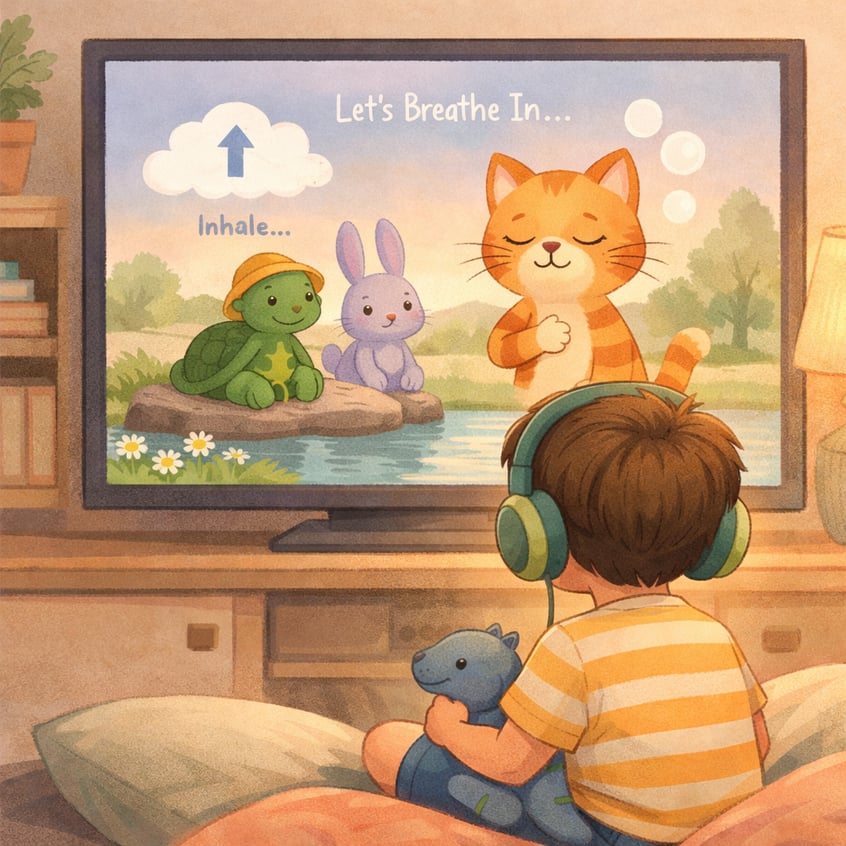
Finding live-action shows with calm engagement is important for children on the autism spectrum. The best options avoid loud noises, fast editing, and intense drama to prevent sensory overload in their everyday lives. Nature, science, and gentle storytelling programs are soothing and educational.
Shows with predictable formats and simple explanations—like many educational series—help reduce anxiety and make information easier to absorb. Many autistic children prefer these calming, clear presentations.
Biographical films like Temple Grandin are also inspiring. They accurately portray neurodiverse individuals, promote understanding, and offer calming stories that support emotional regulation and a positive experience.
Conclusion
In conclusion, choosing the right shows for neurodiverse children is key to creating a supportive and enjoyable viewing experience. By focusing on content that promotes comfort, engagement, and social skills—and considering factors like animation style and sensory elements—parents can help their kids benefit from screen time. However, it’s important to be mindful of too much screen time, as it can replace important developmental activities that require real-world interaction. If you need help finding suitable shows or want personalized recommendations, feel free to ask.
Reach out for a consultation or call daar at 02 9133 2500 for your child’s entertainment choices, which can greatly impact their development and well-being.
Frequently Asked Questions
How can parents tell if a show or movie is appropriate for their neurodiverse child?
Parents can preview content, look for predictable plots, and select programs that model positive social communication skills. Using parental controls and prioritizing shows that build empathy without causing excessive screen time and overstimulation are great strategies. Observing your child's reactions is key to managing their screen time and finding appropriate content that helps them learn practical skills.
Are there specific types of content or genres to avoid for sensitive or easily overwhelmed kids?
Yes, content with sudden loud noises, fast-paced editing, intense drama, or confusing traditional social settings can cause sensory overload for young people. It is best to avoid genres that rely on jump scares or complex emotional conflicts. Prioritizing shows that support emotional regulation will benefit your child's mental health and viewing experience.
Do movies offer different benefits than TV shows for children on the autism spectrum?
Movies and TV shows can both be beneficial. Movies offer a complete, contained story, which can be satisfying. TV shows, with their recurring characters and settings, provide consistency and repetition that can reinforce learning. The key is to balance screen time with physical activity and choose content that builds social skills for a positive experience, along with keeping up with the latest updates in entertainment.
What's a good kids' show/movie for an autistic child? : r/autism
A great choice for autistic children is "Daniel Tiger's Neighborhood." This animated series promotes emotional intelligence, social skills, and problem-solving through relatable stories. Its gentle pace and familiar characters provide a comforting viewing experience, making it an ideal option for neurodiverse kids seeking engaging yet calming content.
.svg)




.svg)