
.png?width=48&height=48&name=Group%201%20(3).png)























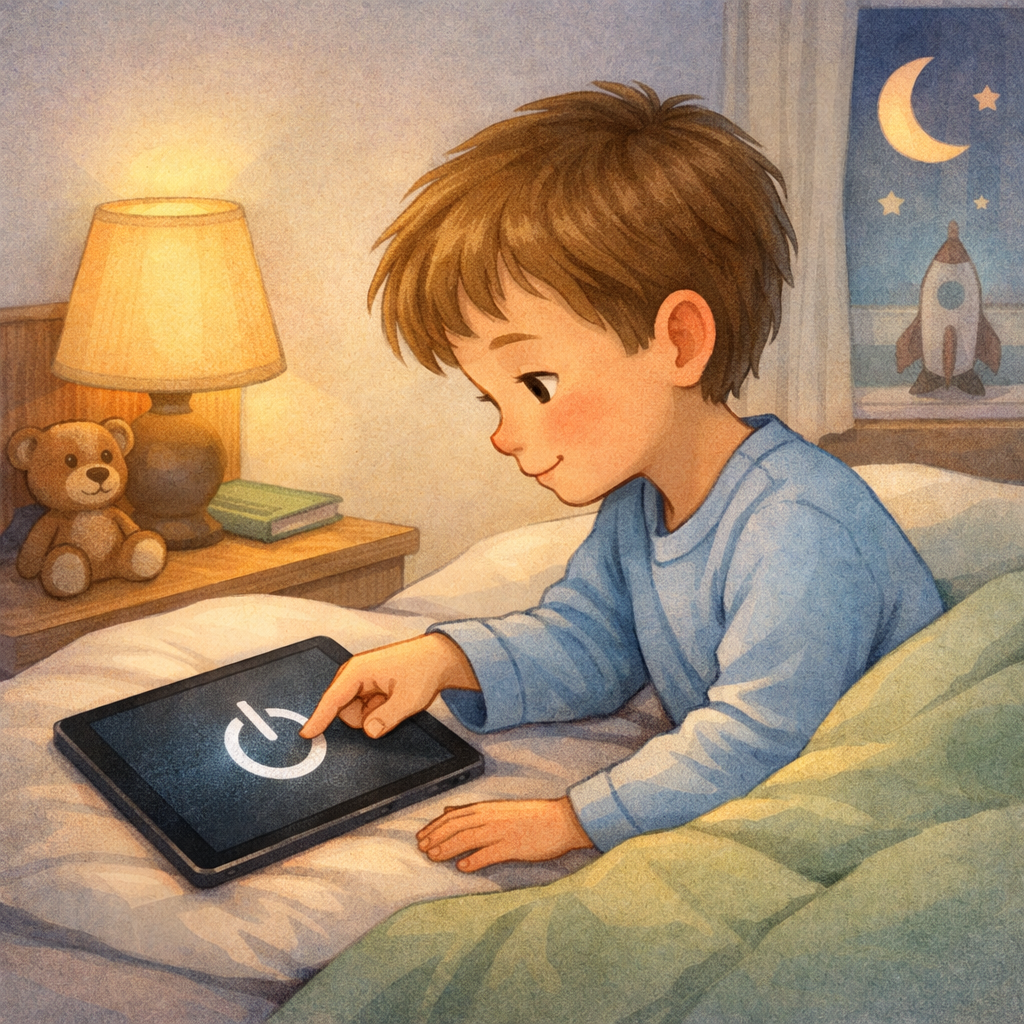
15 April, 2026

Embrace a Digital Curfew: Your Screen-Free Bedtime Guide

It's 7:30 PM. The house should be winding down, but instead, your child is wide awake, eyes glued to a glowing tablet, begging for "just five more minutes!" If this nightly battle sounds familiar, you are certainly not alone. In our highly connected world, glowing screens and technology use have quietly hijacked our children's evenings.
Establishing a digital curfew for kids around certain apps might just be the most impactful parenting hack for reclaiming your peaceful evenings. But the rule of no screens before bed isn't just about preserving your sanity—it is a critical necessity for your child's developing brain and overall health.
In this complete guide, we will explore exactly how screen time affects sleep in children, share age-by-age tips for crafting a soothing screen-free bedtime routine, and help you navigate the inevitable pushback from your little ones. In recent years, governments have been introducing digital curfews for children to help protect their well-being. These measures aim to reduce late-night screen exposure, which can negatively impact sleep quality and the hours of sleep children's academic performance and overall health.
The Science: How Screen Time Affects Sleep in Children
To understand why a digital curfew is so vital, we have to look at what happens in a child’s brain when they look at a screen before sleep.
- The Blue Light Blocker: The screens on tablets, smartphones, and televisions emit a strong artificial blue light. This light tricks the brain into thinking the sun is still up, which completely halts the production of melatonin—the natural hormone responsible for making us feel sleepy.
- Neurological Overstimulation: Fast-paced animations and stimulating video games trigger a release of dopamine and cortisol (the stress hormone). This puts the brain in a state of high alert. Expecting a child to go from playing a fast-paced video game straight to peaceful sleep is like expecting a car going 60 mph to stop instantly without using the brakes. To address this, technology experts often recommend and implement digital curfews—setting specific times when devices are powered down or restricted. These digital curfews help to ensure that children have enough time for their brains to wind down before bedtime, supporting healthier sleep habits while also protecting them from potential online risks during late hours.
- Impact on Brain Development: Chronic sleep deprivation caused by late-night screen use can hinder a child's development. During sleep, the brain consolidates memories, processes emotions, and repairs tissue. When sleep is delayed or fragmented by the excessive use of digital devices and screens, kids often suffer from poor focus, mood swings, and impaired learning the next day. While digital curfews can help reduce these risks by limiting the use of digital devices before bedtime, there may be some negative impacts as well. For instance, strict digital curfews could lead to feelings of social isolation or increased stress if young people are unable to connect with friends or access educational resources during set hours. Families need to find a balanced approach that supports healthy sleep habits without causing unintended emotional or social difficulties.
Expert recommendations are clear: children should power down all digital devices at least one to two hours before their head hits the pillow.
Setting the Standard: How to Implement a Digital Curfew for Kids
Implementing a digital curfew means picking a specific time every evening when all screens, including social media apps, are turned off for the night. Here is how to make it happen without turning your home into a battleground:
1. Hold a Family Meeting
Don't spring this rule on them at 8:00 PM. Sit down during the day and explain the new rule, including the time limits on device usage. Keep it positive! Frame it around health rather than punishment: "Our brains need time to rest so we can grow big and strong, so all devices are going to sleep at 7:00 PM from now on." While some young people have shown increased acceptance of digital curfews, especially when these time limits are clearly explained and linked to health benefits, overall public support among this age group can vary based on how the curfews are implemented and discussed within the family.
2. Create a "Tech Drop" Zone
Establish a physical location outside of the bedrooms (like a basket in the kitchen) where all tablets, phones, and controllers go to "charge and sleep" for the night.
3. Model the Behaviour
Kids have a finely tuned radar for hypocrisy. If you enforce no screens before bed for them but scroll through your phone while tucking them in, they will resist. Instead of using your phone as an alarm clock, put your own phone away during their bedtime routine.
Creating a Screen-Free Bedtime Routine by Age
Replacing screen time with a calming, screen-free bedtime routine is the key to building healthy bedtime habits for kids and positively impacting their mental health. Here is how to tailor it to your child's age group:
Toddlers (Ages 1-2)
Toddlers are highly sensitive to blue light and overstimulation. They thrive on physical sensory cues that signal it is time to sleep.
- The Routine: Stick to a 30-minute sequence: Warm bath, pajamas, brush teeth, and 2-3 board books.
- Activities: Instead of watching a cartoon, do some quiet floor play with soft blocks, sing a gentle lullaby, or give a light lotion massage to soothe their nervous system.
Preschoolers (Ages 3-5)
Preschoolers are notorious for testing boundaries and begging for one more video, often influenced by platforms like Instagram.
- The Routine: Use visual timers. When the timer chimes, the screen turns off. Give the tablet a "goodnight" kiss if it helps them transition!
- Activities: Introduce audiobooks or podcast stories for kids. Building a simple puzzle together or making hand shadow puppets on the bedroom wall are engaging, screen-free ways to bond in the dark.
School-Aged Children (Ages 6-12)
Older kids might need screens for homework or social connection, including internet access, making the transition harder.
- The Routine: Explain the science behind melatonin so they understand why the curfew exists. Set the curfew 1 hour before lights-out.
- Activities: Encourage reading chapter books, journaling, drawing, or playing a slow-paced family board game or card game.
Overcoming Resistance: Weathering the "Tech Tantrums"
Let’s be honest: taking away a screen often results in a meltdown. When a child's brain is flooded with dopamine from a game or video, the algorithms that govern these media can make removing the source feel like an emergency to them.
- Acknowledge the Frustration: Validate their feelings. "I know it's so frustrating to stop watching your show. It's really fun. But it's time to rest our eyes. Last year, many parents faced similar challenges with screen time restrictions."
- Beware the Extinction Burst: When you first implement a digital curfew, the crying and begging will likely get worse before it gets better. Stick to your guns. If you give in and hand the tablet back, you teach them that crying extends screen time.
- Offer Choices: Give them autonomy in the next step. "Screens are off. Do you want to read the dinosaur book or the space book?"
The Long-Term Benefits of Healthy Bedtime Habits for Kids
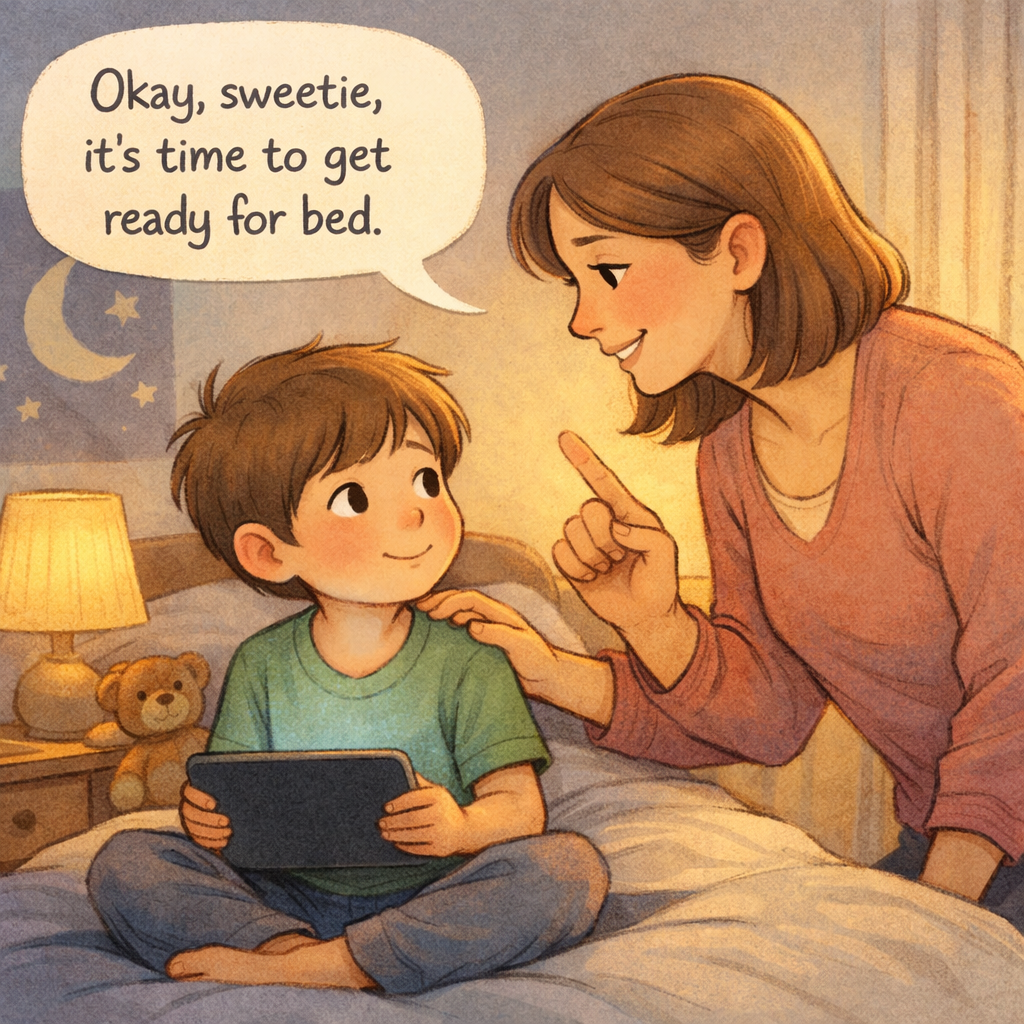
Enduring a few nights of pushback is incredibly worth it. Consistent, screen-free evenings lead to toddlers who fall asleep faster, preschoolers who sleep through the night without night terrors, and school-aged kids who wake up refreshed and ready to focus on their daily routines. By enforcing a digital curfew, you are not just policing their technology; you are addressing the impact of certain business models in the tech industry, ultimately giving them the ultimate gift of restorative, healthy sleep.
Reach out for a consultation or call daar at 02 9133 2500 for expert guidance tailored to your child’s needs.
Frequently Asked Questions (FAQ)
1. Do blue-light-blocking glasses work if my child wants to use a screen, like TikTok, before bed?
While blue-light-blocking glasses can help reduce the suppression of melatonin, they do not solve the problem of neurological overstimulation. A fast-paced video game or exciting cartoon will still trigger adrenaline and cortisol, keeping your child's brain wide awake, regardless of the glasses. A complete screen break is still the best approach.
2. What if my older child needs to use a computer for homework right before bed?
This is a common struggle for school-aged kids! Try to encourage them to tackle computer-based homework earlier in the afternoon. If late-night typing is unavoidable, ensure the device is switched to "Night Shift" or "Dark Mode" to filter out as much blue light as possible, and enforce at least 30 minutes of screen-free winding down (like reading a physical book or showering) after the homework is done, avoiding distractions from social media platforms like Facebook.
3. How long should the screen-free window be before sleep?
Leading paediatric and sleep experts recommend entirely turning off screens at least 60 minutes before your child's target sleep time. However, if your child struggles significantly with falling asleep, suffers from nightmares, or has high anxiety, stretching that digital curfew to 90 minutes or even 2 hours before bed, as proposed by experts like Peter Kyle, can make a dramatic difference in their sleep quality.
.svg)




.svg)