
.png?width=48&height=48&name=Group%201%20(3).png)























10 April, 2026

Recognizing Signs of Screen Time Addiction in Children
Key Highlights
Here are the key takeaways from this article:
- Excessive screen time in young children can lead to noticeable behavioural changes, such as increased irritability and moodiness, as well as hinder communication and language development.
- A key sign of screen addiction is a child's difficulty disconnecting from devices, often resulting in tantrums when screen use is limited.
- The negative effects of too much screen time can manifest physically and socially, impacting sleep, physical activity, and social interaction.
- Children might show less interest in offline activities like imaginative play when screen habits become too intense.
- Parents can manage screen time by establishing clear boundaries and promoting healthy habits through alternative, engaging activities.
Introduction
Navigating the world of screen time with young children is a challenge many parents face. Screens are everywhere, and understanding their impact on mental health and development can be confusing. While some view digital media as just another form of entertainment, it's crucial to be aware of the signs that your child's screen time might be becoming excessive. Your child’s screen time strategy should serve as a vital line of defense. This guide will help you identify potential signs of screen time addiction and offer strategies to foster a healthier balance for your family. If you’re looking for free resources to help manage toddler screen time, several organizations offer valuable tools and guidance. Screen time recommendations and family media plans online, while Common Sense Media reviews apps and sets screen time limits based on age. Additionally, local libraries often host workshops or offer digital wellness materials tailored to families.
Recognizing Behavioural Signs of Excessive Screen Time
How can you tell if your toddler is becoming addicted to screens? The first indicators are often behavioural. You might notice that your child’s screen habits are starting to have negative effects on their daily life. This can range from changes in mood to a growing dependency on video games or social media for entertainment, which highlights the importance of managing their screen time through strategies often discussed in an online course.
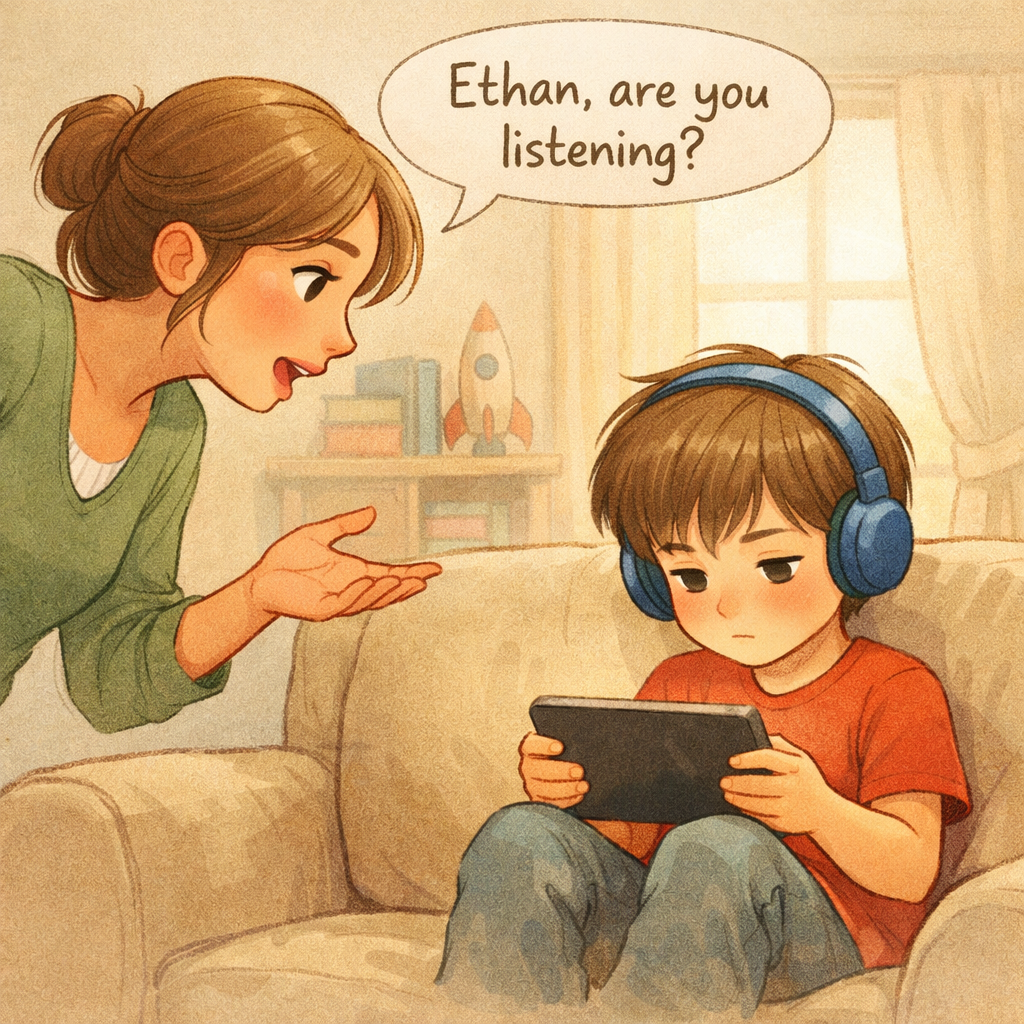
Paying attention to how your child acts before, during, and after screen use can offer valuable clues. Are they constantly asking for a device? Do they become upset when it's time to turn it off? These behaviours can signal that it's time to reevaluate their relationship with technology, a touchy subject, and its impact on their mental health.
Changes in Mood and Increased Irritability
A common sign of too much screen time is a change in your child's mood—they may become irritable or have intense emotions, especially when screens are taken away. Fast-paced children's programming can make real life seem dull, reducing attention span. for weary parents.
When you limit your toddler’s screen time, expect some protest. Acknowledge their feelings: “I know it’s hard to say goodbye to the show. Our glorious goal is to help them understand it’s okay to feel upset.” This helps them feel understood and avoids power struggles.
Instead of using screens to distract them from big feelings, offer alternatives like coloring, reading, or listening to music. This teaches them to manage their big feelings without relying on screens and reduces overstimulation.
Difficulty Disconnecting from Devices
A key sign of problematic screen habits is when your child struggles to turn off devices. If ending screen time often leads to tantrums or battles with less intensity, it’s likely because many apps and shows are designed to keep kids engaged with features like auto-play.
To help, set clear limits and discuss them in advance—such as, “We’ll watch two episodes, then play outside.” Involving your child, like letting them press the "off" button, can make the transition smoother and less of a power struggle, shifting the dynamic into collaboration mode.
Offering appealing alternatives also helps reduce screen time. Try these strategies:
- Introduce “special toys” only for independent play times.
- Rotate toys to keep them interesting.
- Create “by yourself bins” with simple activities like stickers or sensory items.
Identifying Physical and Social Impacts
Beyond behavioural changes, excessive screen time can have tangible physical and social consequences. One of the main cons of screen time is its impact on physical health. When children spend hours in front of a screen, they are missing out on essential physical activity that is crucial for their healthy development, making it a screen time battle for parents and caregivers.
This sedentary behaviour can also affect their social interaction skills. Children learn to communicate and connect with others through real-world experiences, not by passively watching a screen. Recognizing these risks, including the potential of unpleasant news related to excessive screen time, is the first step toward creating a healthier balance between digital and offline activities for your child.
Sleep Disruptions and Fatigue
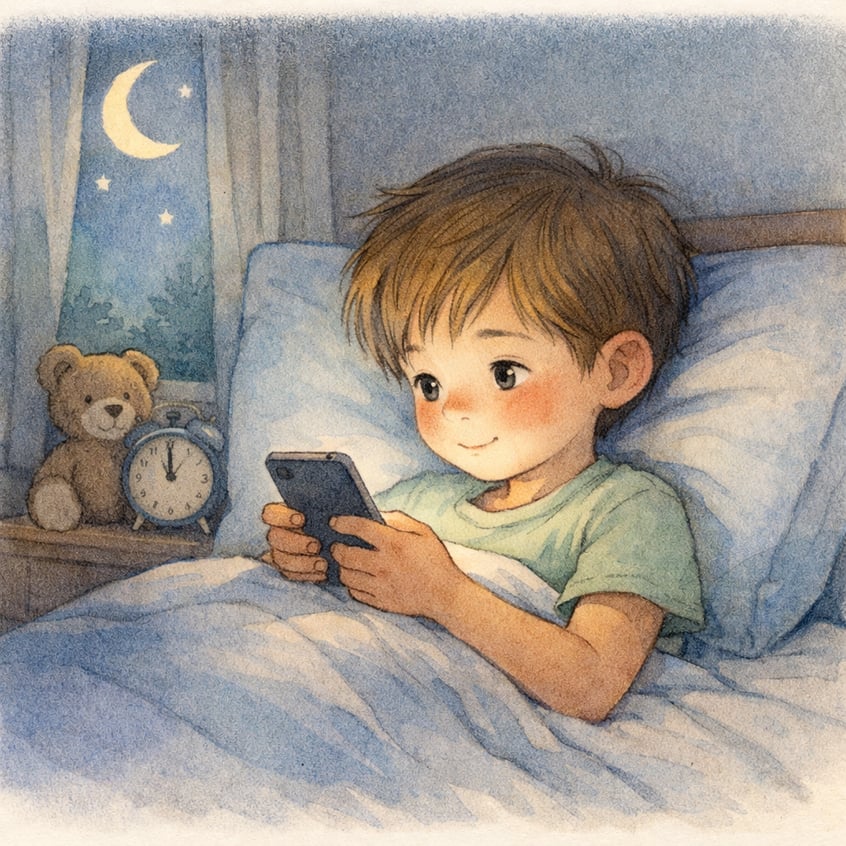
One of the most significant risks for young children with unhealthy screen habits is sleep disruptions that occur every single time they engage too much with screens. The blue light emitted from screens can interfere with the body's natural sleep-wake cycle, making it harder for your child to fall asleep and stay asleep. This can lead to fatigue and irritability the next day, impacting their overall physical health.
You may notice a pattern where your child struggles more with sleep on days they've had more screen time. A common trigger is hearing the closing credits of a show right before bed, which can lead to a meltdown when you try to turn it off. Establishing a screen-free bedtime routine is essential. Instead of a show, try calming activities like reading a story or listening to music to help them wind down with a calm face.
To promote better sleep, consider implementing clear guidelines around evening screen use. This helps set expectations and reduces bedtime battles.
|
Age Group |
Recommended Screen Time Before Bed |
|---|---|
|
0-2 years |
No screen time at all |
|
2-5 years |
Avoid screens at least one hour before bedtime |
Reduced Interest in Offline Play and Social Interaction
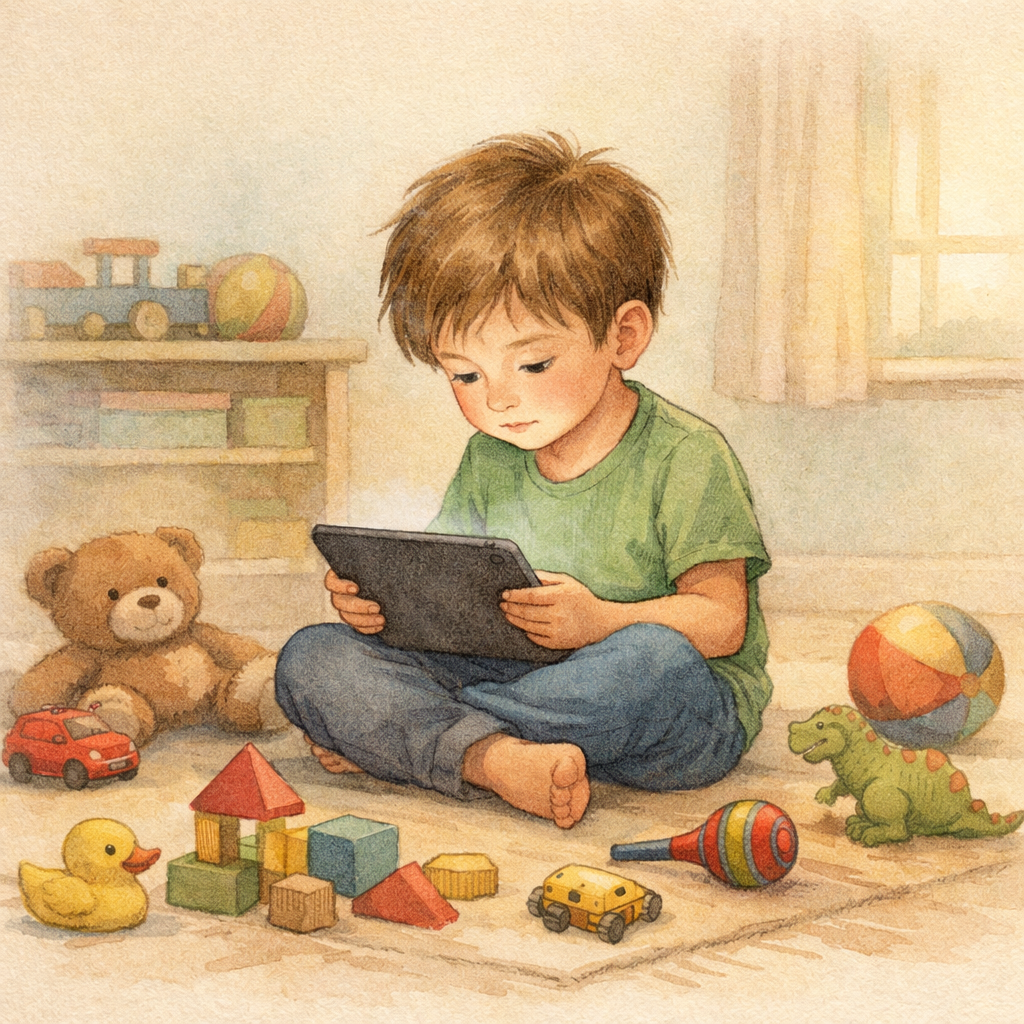
Has your child lost interest in toys and activities they once loved? A declining interest in offline play can signal that screen time is becoming a problem. The constant stimulation from screens often makes traditional play, like building with blocks or imaginative games, less appealing—hindering creativity and problem-solving, even during trips to the grocery store.
When kids prioritize screens, they miss out on key social interactions and important skills. Playing with peers, roughhousing with parents, or enjoying board games as a family teaches communication, sharing, and empathy—skills screens can’t provide.
To encourage offline activities, try these hot topics ideas:
- Create a cozy reading nook stocked with books.
- Keep art supplies like paints and crayons within reach.
- Introduce new board games for the family.
- Spend time outdoors—bike rides or nature walks are great options.
Conclusion
In conclusion, recognizing signs of screen time addiction in children is a good idea for protecting their well-being. By noticing behavioural, physical, and social changes linked to excessive screen use, parents can act early. Encouraging healthier screen habits and more offline activities can greatly benefit your child’s mental and physical health. Striking a balance between technology and other areas of development is essential. If you’re unsure how to manage your child’s screen time, seek professional guidance. Together, we can help children build a healthier relationship with technology.
Reach out for a consultation or call daar at 02 9133 2500 for expert guidance.
Frequently Asked Questions
How much screen time is considered healthy for children in Australia?
While this article focuses on guidelines, Australian recommendations are similar. Typically, it is advised that children under two have no screen time. For younger children aged two to five, according to recommendations found in their Media and Young Minds report, the amount of screen time should be limited to one hour per day. For older children, limits become more flexible.
What should I do if my child’s screen use is affecting their health?
If you notice your child's screen use is impacting their physical health, it's time to take action. Start by taking simple steps to reduce screen time and increase free time for physical activity. Prioritizing offline play and setting clear limits can offer significant health benefits and help restore a healthier balance.
What strategies can help manage screen time and prevent addiction?
To manage screen time effectively, set boundaries and create a consistent routine. Simple ways to do this include establishing screen-free zones and times, like during meals or before bed. Enforcing usage limits and modeling healthy screen time habits yourself will help your child develop a better relationship with technology, which I explore further in my new book.
.svg)




.svg)