
.png?width=48&height=48&name=Group%201%20(3).png)























9 April, 2026

Behavioural Therapy for Temper Tantrums: Essential Tips
Key Highlights
- Temper tantrums are a normal part of development for young children due to their limited emotional regulation skills.
- Your calm response is crucial; staying composed helps de-escalate the situation and models calm behaviour.
- Identifying triggers like hunger, fatigue, or transitions can prevent tantrum behaviour before it starts.
- Using positive reinforcement for good behaviour is more effective than punishing outbursts.
- Parent training and consistent communication skills can create a supportive environment for your child.
- If tantrums are frequent or violent, professional support can provide tailored strategies.
Introduction
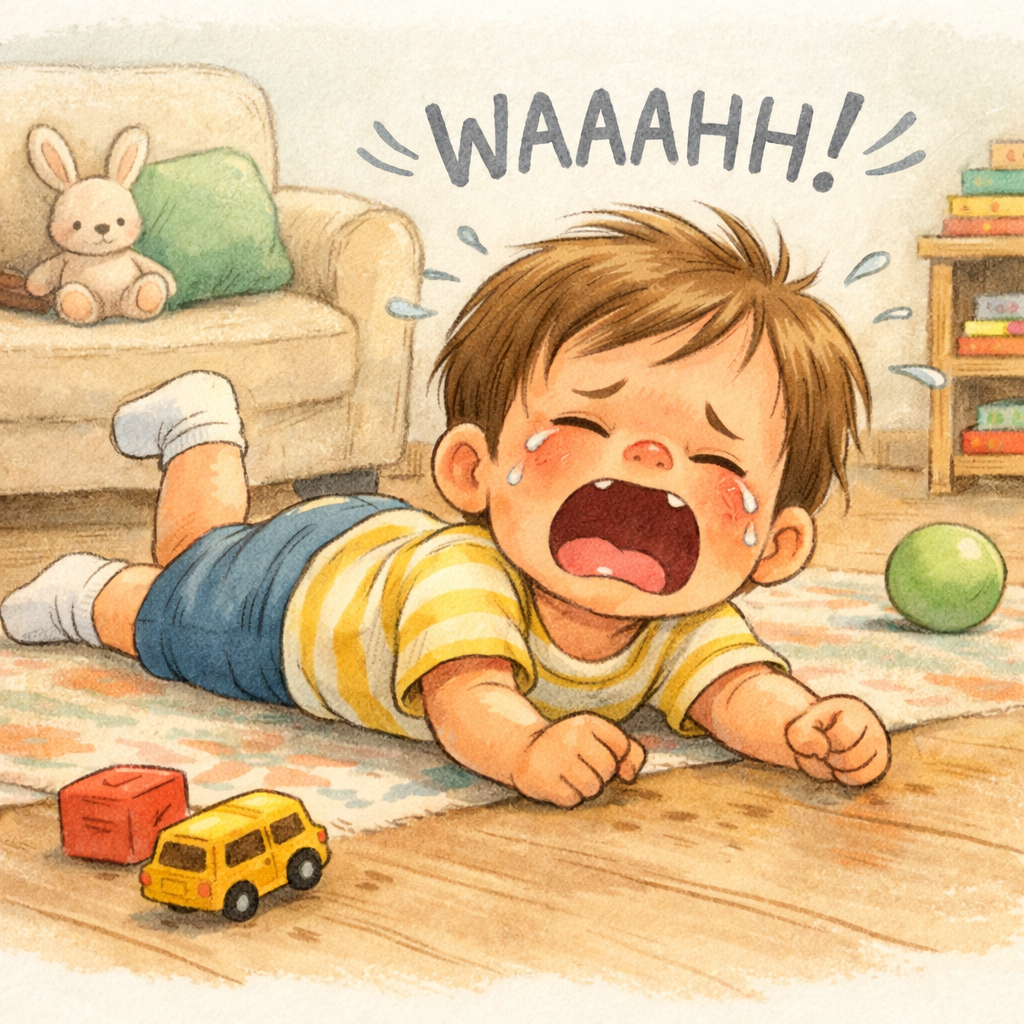
Temper tantrums can be one of the most challenging parts of raising young children. One minute, everything is calm, and the next, your child is overwhelmed by feelings they can't control. While this tantrum behaviour is often confusing and exhausting, it's a normal part of child development. Understanding why these outbursts happen is the first step toward managing them effectively. This helps you guide your child in learning better emotional regulation and healthier ways to express their feelings.
Recognizing Triggers and Warning Signs
A child’s emotional outbursts are often a way of communicating unmet needs or overwhelming feelings. Young children may have tantrums because they lack the skills to express themselves appropriately, leading to frustration and explosive behaviour. Behavioural therapy helps by teaching functional communication skills.
Recognizing early warning signs lets you intervene before a tantrum escalates. Behaviour analysis can reveal patterns and triggers—like sensory overload or transitions—that lead to outbursts. This awareness is essential for supporting your child’s emotional regulation. Let’s look at common situations that cause tantrums and the signs to watch for.
Everyday Situations That Trigger Outbursts
Many everyday situations can trigger tantrums in young children, especially during transitions or when demands challenge their developing emotional regulation. For example, being asked to stop a fun activity can lead to an outburst.
Tantrums can also result from hunger, tiredness, or sensory overload. Recognizing these triggers helps you anticipate and manage them.
Common tantrum triggers include:
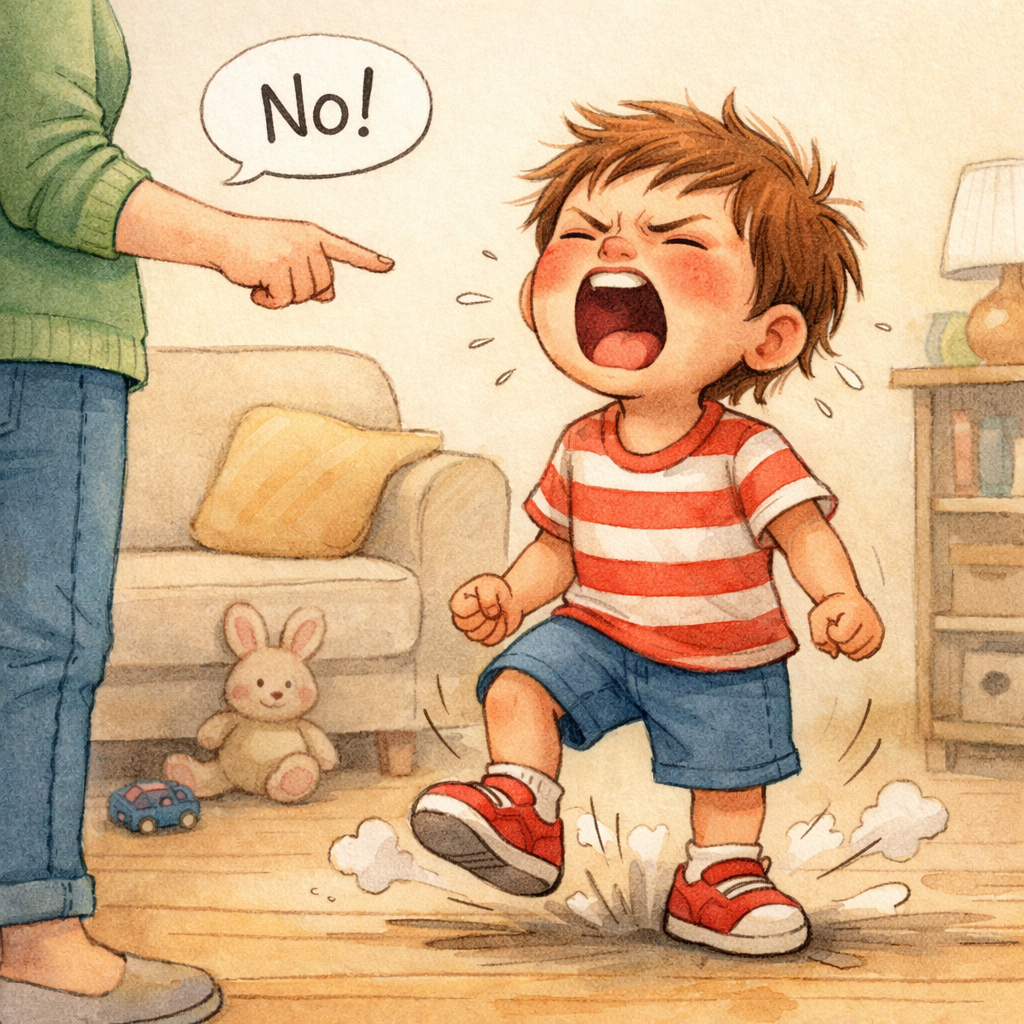
- Being told “no”
- Transitions like leaving the playground or getting ready for bed
- Frustration with difficult tasks
- Ending playtime with toys or video games
Early Emotional and Physical Warning Signals
Before a tantrum starts, children often show early warning signs that their emotions are rising. Noticing these signals lets you intervene and guide them toward calm behaviour. Behaviour analysis can help you spot subtle cues and respond before things escalate.
These signs may be physical or emotional, such as whining, restlessness, or withdrawal—indicating your child is struggling to regulate emotions and needs support.
Common signs a tantrum is coming include:
- Increased whining or crying
- Clenched fists or tense body
- Avoiding eye contact
- Stomping feet or making frustrated noises
When to Consider Professional Support
While tantrums are normal, frequent or intense outbursts may signal a deeper issue. If your child has near-daily tantrums, shows aggression, or acts out with adults beyond primary caregivers, consider seeking professional help. A child psychologist can offer therapy and behaviour management strategies to support your child’s mental health.
Professional guidance is especially important if tantrums aren’t improving with age or cause major stress at home or school. Watch for these differences:
|
Feature |
Typical Toddler Tantrums |
Concerning Tantrums Needing Support |
|---|---|---|
|
Primary Cause |
Frustration from limited language and growing independence |
Linked to ADHD, anxiety, or sensory issues |
|
Control Level |
Some control; may stop when ignored or distracted |
No control; only stops when exhausted (a meltdown) |
|
Triggers |
Routine transitions (bedtime, meals) |
School stress, social pressure, unpredictable changes |
|
Behaviour |
Crying, whining, stomping |
Violence toward self/others, property destruction |
Practical Strategies for Handling Tantrums and Meltdowns
When a tantrum hits, having practical strategies ready can make all the difference. Your goal is to guide your child back to calm behaviour without escalating the situation. The most effective approach involves managing your own emotions and responding in a way that promotes emotional regulation.
Instead of focusing on punishment, think about what behaviour analysis tells us: attention can be a reward. Techniques like planned ignoring for minor outbursts and using positive reinforcement for calming down are powerful tools. Let's look at how to respond calmly in the moment and set clear, consistent boundaries.
Techniques for Responding Calmly in the Moment
It’s normal to feel overwhelmed by your child’s big emotions, but managing your own is the first step. Staying calm models emotional regulation and creates a safe environment for your child. If you feel angry, pause and take a few deep breaths before responding.
Your calmness can de-escalate the situation. Speak steadily and avoid yelling, which often increases defiance. The goal isn’t to win an argument, but to teach your child how to handle their feelings.
During a tantrum, try these strategies:
- Ensure safety—move your child to a quiet space if needed.
- Ignore minor outbursts to avoid reinforcing them.
- Stay nearby without engaging; your presence is reassuring.
- Use a calm, neutral tone when speaking.
Positive Reinforcement and Setting Boundaries
Positive reinforcement is an effective behavioural therapy technique, focusing on rewarding good behaviour rather than reacting to negatives. Praising your child for handling frustration or using their words encourages them to repeat those behaviours and gives them a sense of control.
Setting clear, consistent boundaries is equally important. Sticking to decisions prevents children from learning that tantrums work; consistency is crucial for lasting change.
To use positive reinforcement effectively:
- Praise specific actions ("I love how you shared your toy" instead of "Good job").
- Offer rewards like sticker charts.
- Recognize effort even if the result isn’t perfect.
- Give plenty of positive attention when they behave well.
Avoiding Common Mistakes Parents Make
In challenging moments, it’s easy to respond in ways that make behaviours worse. Behavioural therapy helps parents avoid common mistakes like yelling or using physical punishment—these may stop bad behaviour briefly, but damage your relationship and don’t teach better coping skills.
Another mistake is giving in to tantrums, which teaches your child that outbursts work. Instead, focus on making tantrums less effective and teaching healthier ways to communicate, such as asking calmly or accepting “no.”
Avoid these common mistakes:
- Yelling or shouting—it escalates conflict and models poor emotional control.
- Giving in—this reinforces that tantrums are a way to get what they want.
- Trying to reason during a tantrum—a child can’t process logic mid-outburst.
- Focusing only on the negative—be sure to praise positive behaviours, too.
Supporting Ongoing Emotional Regulation at Home
Managing tantrums isn't just about handling outbursts as they happen; it's about building your child's long-term emotional regulation skills. This proactive approach focuses on skill development and emotional literacy, helping your child understand and manage their feelings before they become overwhelming. Behavioural therapy can be adapted for children of all ages, from toddlers to teens.
Creating a supportive home environment where feelings are discussed openly encourages positive behaviours. Consistent behaviour management strategies help your child learn what is expected of them. The following sections offer ways to teach coping skills and involve the whole family in making positive changes.
Teaching Coping Skills and Emotional Literacy
Teaching emotional literacy is key to healthy emotional development. Help your child name their feelings, such as saying, “You seem angry that your tower fell.” When children can label emotions, they’re better able to manage them—this benefits kids of all ages.
Once they can identify feelings, teach simple coping skills. Practice these when your child is calm, not during a tantrum. These tools improve communication and offer alternatives to outbursts.
Coping skills to teach include:
- Taking deep breaths to calm down
- Asking for a hug when sad or overwhelmed
- Finding a quiet space for a few minutes
- Using words to express needs and wants
Involving the Whole Family in Positive Change
Effective behaviour management requires consistency from all family members. When everyone uses the same strategies, it creates a predictable environment where your child can thrive. Parent training in behavioural therapy equips you with practical techniques for home use.
A unified approach reinforces your child’s learning and strengthens family relationships. While therapists guide the overall plan, daily success depends on family teamwork.
To involve everyone:
- Agree on clear rules and consequences.
- Share effective strategies.
- Model calm, respectful communication.
- Praise one another for handling challenges well.
Tracking Progress and Celebrating Improvements
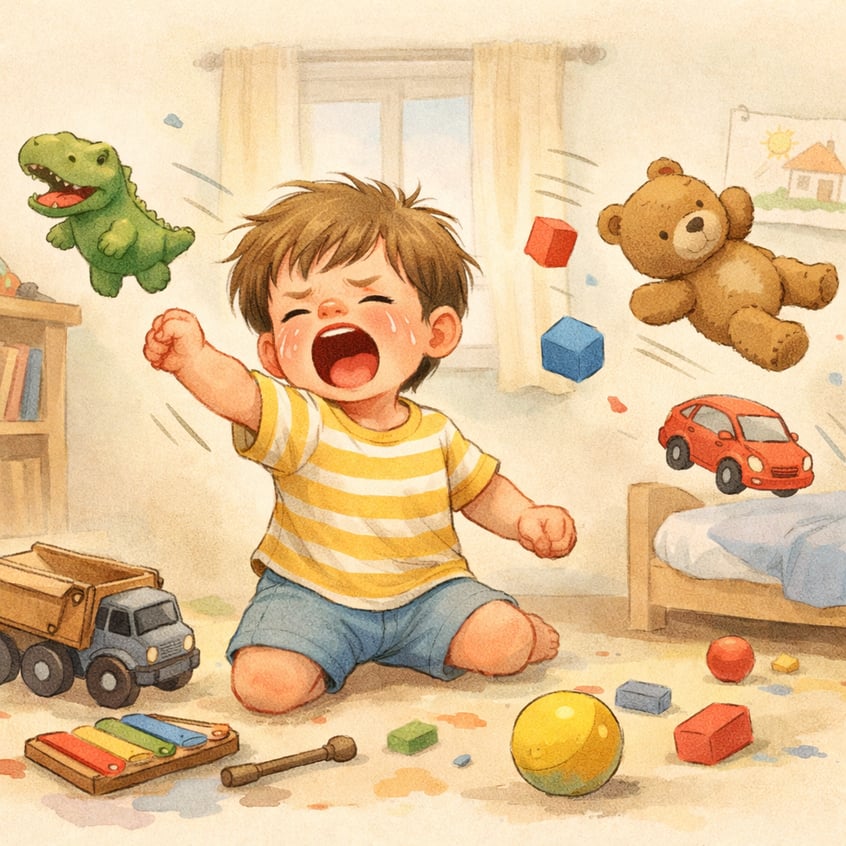
Tracking progress is a motivating way to see how far your child has come. Behaviour analysis often involves noting the frequency and intensity of tantrums to see if your strategies are working. It can take a few weeks to several months to see significant improvements with therapy, but recognizing smaller steps along the way is crucial.
Celebrating improvements, no matter how small, reinforces positive behaviours. This isn't just about rewarding the absence of tantrums but acknowledging your child's effort in using their new skills. This focus on progress helps both you and your child stay motivated.
Here’s how you can track and celebrate:
- Use a simple chart to note tantrum-free days or moments.
- Praise your child specifically for using a coping skill instead of having an outburst.
- Celebrate milestones with a special activity or treat.
- Acknowledge their hard work in learning to manage their emotions.
Conclusion
In conclusion, handling tantrums and meltdowns is a challenging but crucial aspect of parenting. By recognizing triggers, employing practical strategies, and fostering a supportive environment, you can help your child develop emotional regulation skills and cope more effectively with their feelings. Remember, it’s important to approach these situations with patience and understanding, as this lays the foundation for their emotional development. As you navigate through this journey, don’t hesitate to seek professional support if needed.
If you’re looking for personalized advice or strategies tailored to your child's unique needs, consider booking a consultation or call daar at 02 9133 2500 with our experts.
Frequently Asked Questions
Is behavioural therapy suitable for children of all ages?
Yes, behavioural therapy can be adapted for children of all years of age. Techniques are tailored to the child's developmental stage, from toddlers learning basic emotional regulation to older kids facing more complex challenges. It's a valuable tool for supporting children’s mental health, especially if there's a developmental delay.
How quickly does therapy help reduce tantrums and meltdowns?
The timeline varies for each child. Some families see improvements in the frequency of tantrums within a few weeks of starting behavioural interventions, while others may take a few months. Consistency is an effective way to see progress, and celebrating smaller steps along the way keeps everyone motivated.
Can parents use behavioural therapy techniques at home or are therapists needed?
Parents can and should use behavioural therapy techniques at home. Parent training is often a core part of the process, where a therapist teaches you behaviour management strategies and ABA techniques. This empowers you to support your child’s positive behaviours and children's mental health in their daily environment.
.svg)




.svg)