
.png?width=48&height=48&name=Group%201%20(3).png)
























7 April, 2026

Recognizing Early Symptoms of ADHD and Autism in Children

Key Highlights
- Attention Deficit Hyperactivity Disorder (ADHD) and Autism Spectrum Disorder (ASD) are neurodevelopmental disorders that require effective disease control strategies for early detection and intervention in young children.
- Early signs of ADHD often include inattention, hyperactivity, and impulsivity.
- The first signs of autism are typically related to social communication difficulties and repetitive behaviors.
- While there are overlapping symptoms, key differences help in the diagnosis of autism versus ADHD.
- Observing developmental milestones is crucial for identifying potential developmental disorders.
- Early diagnosis and intervention can significantly improve long-term outcomes for children with these conditions.
Introduction
As a parent, you want the best for your child, and that includes understanding their unique development. Sometimes, you might notice behaviors in young children that seem different from their peers, often amplified by the influence of social media. This can bring up questions about conditions like Attention Deficit Hyperactivity Disorder (ADHD) and Autism Spectrum Disorder (ASD). Recognizing the early signs of these neurodevelopmental conditions is the first step toward getting the right support. This guide will help you understand the symptoms, know what to look for, and navigate the path to a healthy mental health journey.
Understanding ADHD and Autism
ADHD and Autism Spectrum Disorder (ASD) are neurodevelopmental disorders that affect brain development and function. Although they share some traits and may be confused, each has distinct characteristics. Early signs often appear in young children, involving behavior, social interactions, attention, and various environmental factors.
Understanding ADHD, ASD, and personality disorders—using resources like the Diagnostic and Statistical Manual of Mental Disorders—is crucial for recognizing concerns. Diagnosis requires a professional evaluation. This section defines each condition, highlights its differences, and addresses common misconceptions.
Definition of ADHD
Attention Deficit Hyperactivity Disorder (ADHD) is a common childhood mental disorder marked by persistent inattention, hyperactivity, and impulsivity beyond typical developmental levels. These symptoms often interfere with daily functioning and may be influenced by factors such as substance use.
ADHD signs usually appear when children start school, as difficulties with focus and self-control become more noticeable. The condition results from brain development differences—not defiance or misunderstanding.
There are three types of ADHD: predominantly inattentive, predominantly hyperactive-impulsive, and combined. Diagnosis requires symptoms lasting at least six months that significantly impact life at home or school. Inattention makes it hard to stay focused, while hyperactivity involves excessive movement.
Definition of Autism Spectrum Disorder (ASD)
Autism Spectrum Disorder (ASD) is a lifelong neurodevelopmental condition affecting communication, social interaction, and behavior. The "spectrum" reflects the wide range of strengths and challenges among individuals.
ASD is mainly characterized by difficulties with social communication and interaction, as well as restricted or repetitive behaviors. These challenges can affect a person's ability to handle social situations and changes in routine. Diagnosis is made by a specialist based on developmental history and behavior.
Signs of autism usually appear before age three. Some children show symptoms early, while others develop typically before signs emerge. Early identification is important for accessing support and developing essential life skills.
Key differences between ADHD and Autism
While both Attention Deficit Hyperactivity Disorder (ADHD) and Autism Spectrum Disorder (ASD) are neurodevelopmental disorders, they have distinct core features. Parents can often differentiate between them by observing how autistic children interact with their environment and others. ADHD is primarily a disorder of inattention and impulsivity, while autism is defined by challenges in social communication and repetitive behaviors.
For example, a child with ADHD may be inattentive in a conversation because they are easily distracted, but they usually understand social cues. A child with autism, however, might struggle with the back-and-forth of conversation and have difficulty interpreting nonverbal communication. Understanding these nuances is key for parents trying to identify the specific challenges their child faces.
Here is a table outlining some key differences:
|
Feature |
ADHD |
Autism Spectrum Disorder |
|---|---|---|
|
Social Communication |
May interrupt or talk excessively but generally understands social rules. |
Difficulty with social back-and-forth, understanding social cues, and nonverbal communication. |
|
Attention |
Difficulty sustaining focus, easily distracted by external stimuli. |
May have intense focus on specific interests but struggle to shift attention. |
|
Interests |
May switch between activities quickly due to boredom. |
Often has narrow, intense, and specific interests. |
|
Behavior |
Characterized by hyperactivity, impulsivity, and restlessness. |
Characterized by repetitive movements (e.g., hand-flapping) and a need for routine. |
Common misconceptions about early symptoms
Misunderstandings about early signs of ADHD and autism often confuse parents. It's crucial to separate myths from facts to better understand your child's behavior. For example, not all energetic children have ADHD, nor do all shy children have autism. Diagnosis relies on specific behaviors that significantly affect daily life.
Another myth is that these conditions result from bad parenting. Research shows that ADHD and autism can be influenced by factors such as low birth weight, as they are neurodevelopmental disorders with biological causes, not parenting mistakes. Early symptoms like social challenges or restlessness can overlap, making professional evaluation essential.
Common misconceptions include:
- ADHD symptoms are just misbehavior.
- People with autism don’t want friends or lack emotions.
- Children will simply “grow out of” these conditions without help.
- Only boys are affected by ADHD and autism.
Early Developmental Milestones
Tracking developmental milestones is a key part of monitoring your child's growth. These milestones are a set of functional skills or age-specific tasks that most young children can do at a certain age. They cover various areas of childhood development, including how a child plays, learns, speaks, acts, and moves.
Observing when and how your child reaches these milestones provides important clues about their development. While every child develops at their own pace, significant delays can sometimes be an early indicator of a developmental concern. In the sections that follow, we'll explore the typical timeline, when delays might signal a problem, and the importance of parental observation.
Typical childhood development timeline
Childhood development follows a general pattern, with children reaching milestones within set timeframes. By nine months, many babies can sit unaided, babble, and respond to their name. As they grow, language and motor skills improve; by age two, toddlers may run and form short sentences.
Early signs of developmental disabilities and disorders like ADHD and autism often appear in these years. Autism features are usually noticeable between 18–24 months, such as speech delays or lack of eye contact. ADHD symptoms may become clearer around school age (4–5 years), though hyperactivity and impulsivity can show up earlier in preschoolers.
Monitoring deviations from typical development helps identify potential concerns early.
When delays in milestones signal a concern
Children develop at their own pace, but consistent delays across multiple milestones can signal a concern. If you suspect early ADHD or autism, watch for patterns rather than isolated incidents. A single missed milestone isn’t usually alarming, but repeated delays—especially in language or social skills—should prompt a conversation with a healthcare professional.
For example, if a child isn’t babbling or pointing by 12 months or using single words by 16 months, further evaluation may be needed. These signs could indicate developmental disorders like autism. Likewise, persistent restlessness and difficulty with quiet play in preschoolers may suggest early ADHD.
Keep in mind, these delays don’t necessarily mean an intellectual disability; many children with ADHD or autism have average or above-average intelligence. The main takeaway is that ongoing delays warrant closer observation and professional advice to determine the cause.
Monitoring behavioral changes in early years
Observing your child’s behavior in their early years is crucial, as certain changes can reveal important aspects of their development. Watch how your child plays, interacts, and manages emotions during daily activities—these patterns may reveal early signs of mental health conditions.
Notice any sudden mood or behavior shifts that seem unusual. For instance, a once-social child who now prefers isolation, or a toddler with persistent, intense tantrums beyond age norms, may need further attention. Such behaviors can be linked to emotional regulation challenges seen in conditions like ADHD or autism.
You don’t need to be an expert—just stay attentive and notice patterns. Keeping a simple journal of these observations will be helpful when talking to a doctor or specialist. Consistent tracking gives professionals valuable insight for evaluation.
Importance of parent observations
As a parent or caregiver, you know your child best. Your daily observations are key to noticing early signs of developmental differences. Professionals depend on your input because you see your child in ways they can't.
If you’re concerned about ADHD, watch for ongoing trouble with attention—like not finishing simple games—or constant fidgeting beyond normal toddler behavior. For autism, focus on social skills: Does your child make eye contact, respond to their name, or try to share interests by pointing or showing toys?
Discuss your observations with family members to see if they notice the same patterns. Record what happens, when, and how often; this helps healthcare providers form a clearer picture. Your insights are essential for accurate assessment and early support.
First Signs of ADHD in Children
Attention Deficit Hyperactivity Disorder (ADHD) shows up through a pattern of specific behaviors.These early ADHD symptoms are more than just typical childhood energy; they are persistent and can impact a child's ability to function at home and in school. The following sections will break down these key signs, from attention difficulties and hyperactivity to emotional reactivity and potential side effects, helping you understand what to look for.
Attention difficulties and distractibility
A core symptom of ADHD is persistent inattention, making it difficult for a child to stay focused on tasks or activities. They may make careless mistakes in schoolwork by overlooking details, or seem not to listen when spoken to directly.
Inattentive symptoms are central to ADHD. Affected children often start tasks but quickly lose focus, have trouble organizing work, and frequently lose items like school papers or keys.
Common signs of attention difficulties include:
- Overlooking details
- Trouble staying focused during play or tasks
- Avoiding activities that require sustained effort, such as homework
- Being easily distracted by surroundings
Hyperactivity and impulsivity
 Beyond attention issues, ADHD is often characterized by hyperactivity and impulsivity. The hyperactivity disorder component refers to excessive movement that isn't appropriate for the setting. A child with hyperactivity might seem like they are always "on the go," as if driven by a motor. They may fidget constantly, squirm in their seat, or run and climb in situations where it's not expected, and may also display signs of conduct disorder.
Impulsivity involves acting hastily without thinking about the consequences. This can manifest as blurting out an answer before a question is finished or having difficulty waiting for their turn in games or lines. This lack of impulse control is a hallmark of attention deficit hyperactivity.
Here are some specific examples of hyperactivity and impulsivity:
- Fidgets with hands or feet or squirms in their seat.
- Is unable to play or do leisure activities quietly.
- Talks excessively and often interrupts others.
- Has trouble waiting for their turn.
Emotional reactivity and mood swings
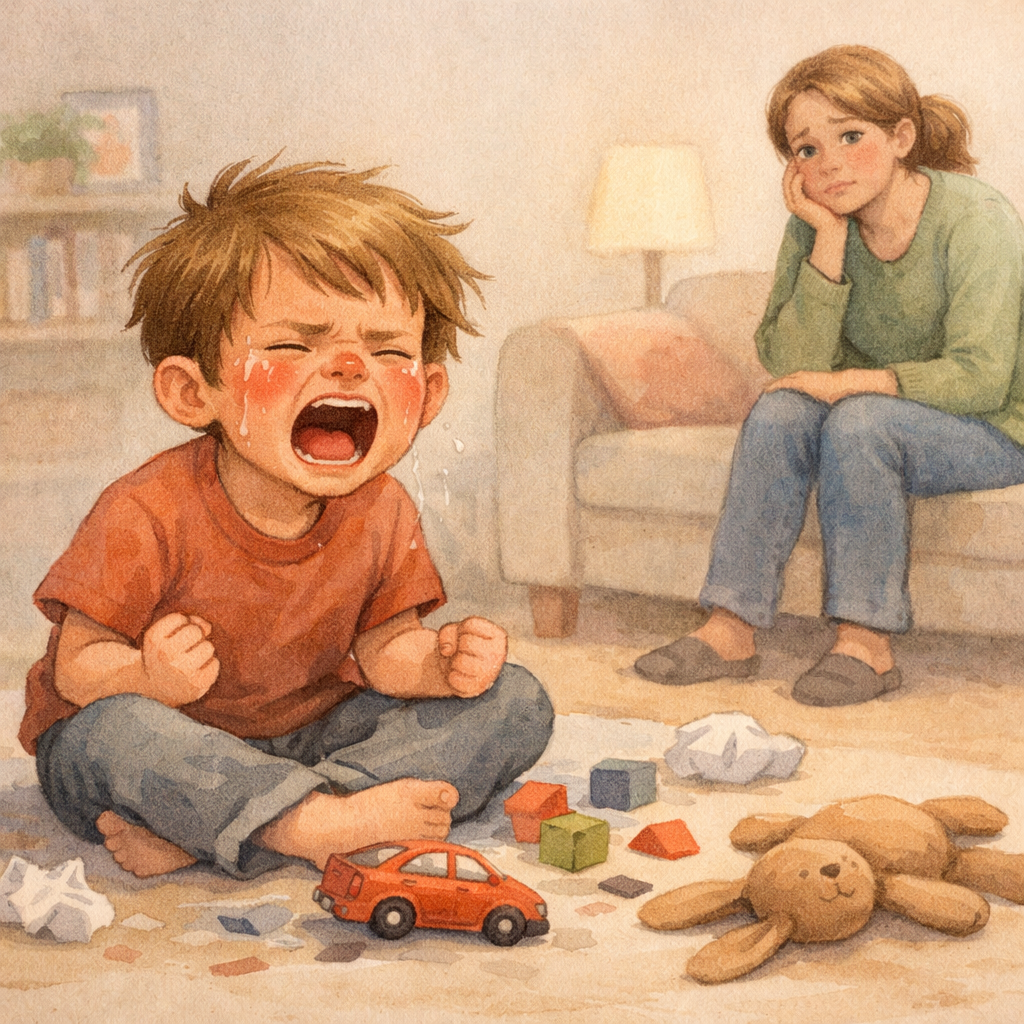
Emotional reactivity and mood swings are common in children with ADHD, even though they are not core diagnostic criteria. These children often feel emotions intensely and struggle to regulate their responses—a minor frustration can lead to major outbursts, confusing both the child and their parents.
These mood swings aren’t deliberate; they're linked to the impulsivity and self-regulation challenges typical of ADHD. High emotional reactivity can make daily life harder, affecting friendships and family relationships. A child may quickly get angry or upset over things others might ignore.
Managing these strong emotions is an important part of coping with ADHD. Children often need extra support and strategies to recognize their feelings and respond more calmly. Knowing this is part of ADHD can help you react with greater patience and empathy.
Problems with listening and following instructions
Children with ADHD often struggle to listen and follow instructions due to difficulty filtering distractions and staying focused. They may appear to listen but miss important details, especially with multi-step directions. This can frustrate parents who feel they must repeat themselves constantly, impacting daily routines like getting ready for school or completing chores.
If you suspect ADHD, observe if your child frequently asks for instructions to be repeated or forgets tasks midway. These communication challenges are key signs to discuss with a healthcare professional.
First Signs of Autism in Children
Autism Spectrum Disorder (ASD) presents a different set of early signs compared to ADHD. The core features of autism revolve around challenges with social communication and the presence of restricted or repetitive behaviors. These signs are often noticeable in the first couple of years of a child's life.
A diagnosis of autism is based on observing these specific behaviors. The following sections will explore the most common early signs of autism, including difficulties with social interaction, lack of eye contact, repetitive movements, and unusual sensory sensitivities, which may be influenced by genetic factors. Understanding these features can help you recognize if your child may need an evaluation.
Social communication difficulties
One of the earliest and most defining signs of autism is difficulty with social communication. This goes beyond just delayed speech. Children with autism may struggle with the back-and-forth nature of social interactions. They might not initiate conversations or may have trouble keeping them going. Their communication skills may seem different from those of their peers.
These challenges can appear in various ways. A young child might not respond to social smiles or may not use gestures like pointing to show you something interesting. They may prefer to play alone and can seem disconnected from the people around them. These difficulties are central to the early signs of autism.
As they get older, they might interpret things very literally and have a hard time understanding jokes, sarcasm, or social nuances. While they may have a strong vocabulary, they struggle to use language effectively in social contexts. These social communication challenges are a key feature that distinguishes autism from other developmental conditions.
Lack of eye contact and response to name
Early signs of autism often include limited eye contact and delayed or absent response to their name. By 6 to 9 months of age, most infants turn toward a familiar voice, but children with autism may not consistently do so—sometimes leading to concerns about hearing.
Persistent avoidance of eye contact is another key indicator. While shyness is common in children, those with autism may rarely look at faces, seek reassurance, or share excitement through eye contact. Social cues from facial expressions can be overwhelming for them.
If you suspect autism, closely observe nonverbal cues: Does your child look at you when spoken to? Do they respond to their name? Consistent lack of these responses is a significant warning sign and warrants evaluation.
Repetitive movements and behaviors
Repetitive movements and behaviors are a core feature of Autism Spectrum Disorder. These actions are often performed as a way to self-soothe or cope with overwhelming sensory information. Common examples include hand-flapping, rocking back and forth, spinning in circles, or lining up toys in a specific order instead of functionally playing with them.
These repetitive behaviors can also be verbal. A child might repeat certain words or phrases over and over, a behavior known as echolalia. They might also have a very strong need for routine and become extremely distressed if there are minor changes to their daily schedule. This insistence on sameness is another hallmark of the condition.
While many toddlers have routines they enjoy, the intensity of these behaviors in a child with autism is different. The distress caused by a change in routine or the inability to stop a repetitive movement are key early signs of autism. Recognizing these patterns is an important part of identifying potential developmental disorders.
Unusual sensitivity to sensory input
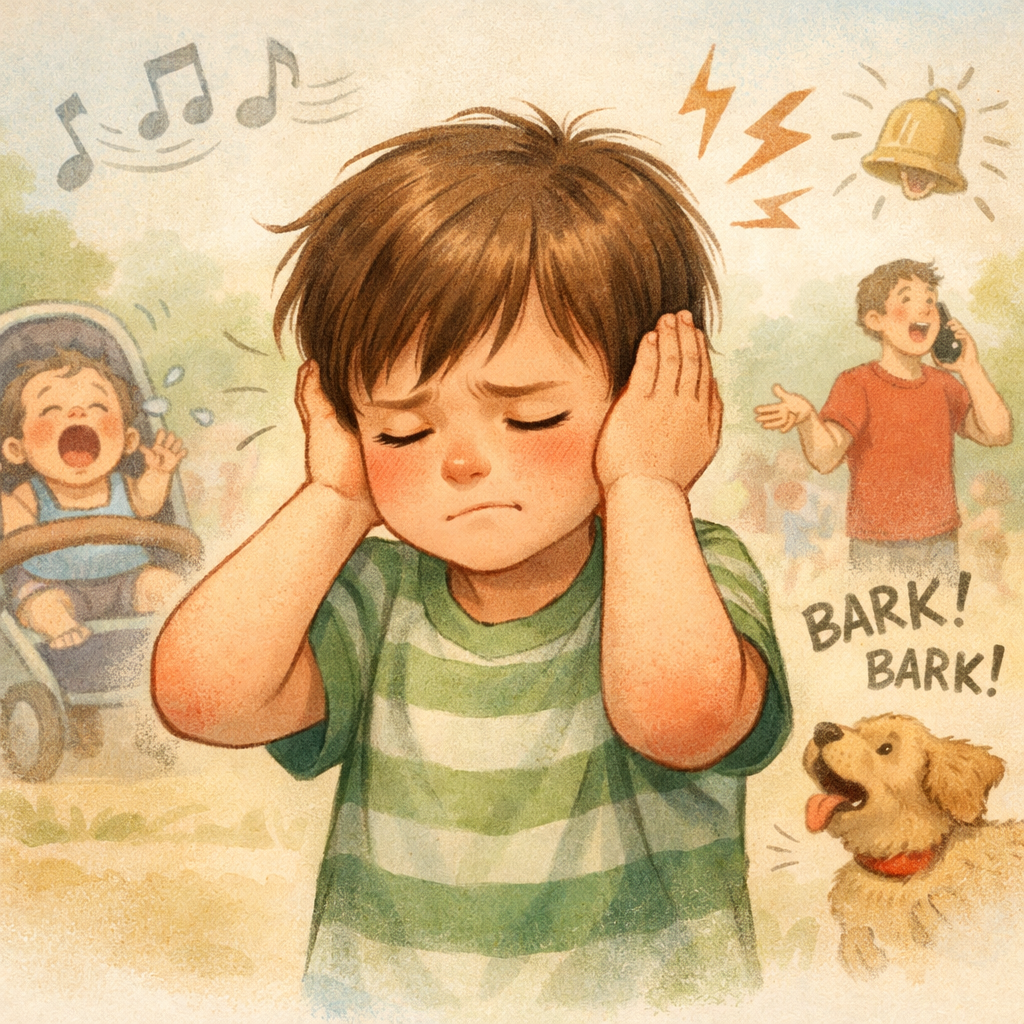
Children with Autism Spectrum Disorder often perceive the world differently due to sensory processing challenges. They may be hypersensitive—overreacting to loud noises, bright lights, certain textures, or crowded spaces—or hyposensitive, seeking intense sensory experiences like crashing into objects or smelling things.
Watch for early signs such as covering ears at everyday sounds, avoiding foods with certain textures, or having strong reactions to clothing tags. Unusual responses to sensory input are important clues that may indicate autism.
Overlapping Early Behaviors of ADHD and Autism
Distinguishing between ADHD and autism can be tricky, especially in young children, because there are several overlapping symptoms. Both neurodevelopmental disorders can affect a child’s behavior, communication, and social skills, leading to confusion for parents trying to understand the early signs. Recognizing these shared traits is just as important as knowing the differences.
This overlap can make an accurate diagnosis challenging without a comprehensive evaluation by a professional. The following sections will discuss some of the most common early behaviors that can be seen in both ADHD and autism, such as restlessness, communication challenges, and difficulties with social play.
Restlessness and fidgety actions
Restlessness and fidgety behavior often overlap in early ADHD and autism. In ADHD, restlessness is usually a sign of hyperactivity—children may squirm, tap, or fidget due to excess energy. In autism, these actions are often repetitive self-soothing movements (stims) like rocking or hand-flapping, used to manage sensory overload.
Because these behaviors can look similar, distinguishing the cause requires context. ADHD restlessness is typically general high energy, while in autism it’s usually a specific response to stress or excitement. This overlap can make early signs hard to tell apart.
Communication challenges
Communication challenges are common in both ADHD and Autism Spectrum Disorder, but for different reasons. Children with ADHD may struggle due to inattention and impulsivity—they might interrupt, talk excessively, or lose focus during conversations. Their communication is affected by difficulty regulating attention.
In contrast, children with autism often have trouble with the fundamentals of social communication. They may not understand nonverbal cues or the back-and-forth flow of conversation. Even with a large vocabulary, they might not know how to use language appropriately in social situations.
While both groups may seem like they're not listening, ADHD-related behaviors stem from distraction, whereas autism-related behaviors come from difficulty understanding social expectations. This difference underscores the importance of professional evaluation.
Preference for routines or sameness
Children with autism often have a strong need for routines, as predictability helps them manage daily life and reduces distress. Even small changes can cause significant upset or meltdowns. Children with ADHD may also prefer routines, but mainly because structure helps them manage inattention and impulsivity. Disruptions may frustrate them, but their reactions are usually less intense than those of children with autism. This difference in response to routine changes can help distinguish between the two conditions.
Difficulties in group play and social interaction
Young children with ADHD and autism often struggle with group play and social interaction, but for different reasons. Children with ADHD may have difficulty due to impulsivity and hyperactivity—they might interrupt, play too rough, or get distracted, frustrating their peers despite wanting to socialize. In contrast, children with autism may find group play challenging because they don’t understand social rules or cues, may prefer being alone, and can feel stressed by social engagement.
Both groups risk feeling isolated or rejected. Understanding whether a child’s struggles stem from impulse control issues or difficulties grasping social dynamics is essential for addressing their specific needs.
Recognizing Unique Features in Each Condition
While many early signs can overlap, ADHD and autism each have unique features that set them apart. Pinpointing these specific characteristics is essential for an accurate diagnosis and for tailoring the right support for your child. The key is to look beyond the surface behavior and understand the underlying reason for it.
By focusing on the distinct signs of ADHD, like impulsivity, and the core signs of autism, such as deficits in social-emotional reciprocity, a clearer picture emerges. The following sections will highlight the signs more specific to each of these neurodevelopmental disorders, provide examples of mixed symptoms, and offer case studies to illustrate the differences.
Signs more specific to ADHD
Some signs are more specific to ADHD and rarely seen in autism. Persistent inattention, hyperactivity, and impulsivity define ADHD. Children with ADHD often seek constant stimulation and act on impulse due to executive functioning challenges.
Hyperactivity may appear as running or climbing in inappropriate situations, driven by inner restlessness. Inattention shows up as being easily distracted, frequently losing things, and struggling with organization and time management.
These symptoms reflect issues with self-regulation, not social understanding. A child with ADHD might want to follow rules and please others but finds it difficult to control their actions despite knowing what they should do.
Signs more specific to Autism
To distinguish ADHD from autism, parents should look for signs specific to Autism Spectrum Disorder, such as difficulties with social-emotional reciprocity and nonverbal communication. The siblings of children with autism often struggle to understand and respond to social cues and may not share interests or enjoyment with others.
Autism is also marked by repetitive behaviors and strict routines—like hand-flapping or intense focus on topics such as train schedules. In contrast, children with ADHD may be energetic, but they usually don’t engage in these repetitive actions for self-soothing.
Another key difference is relationships: children with autism may show little interest in peers and seem isolated, while those with ADHD generally want friendships but struggle because of impulsive or inattentive behavior.
Examples of mixed or unclear symptoms
Early signs in children are often unclear and can indicate multiple conditions, making it hard for parents to interpret them. For example, frequent emotional outbursts may be due to ADHD-related dysregulation or autism-related meltdowns from sensory overload.
Difficulty in school is another overlapping symptom. A child might struggle to follow lessons—this could be because of wandering attention (ADHD) or trouble understanding social cues (autism). Additionally, sleep disorders may be a contributing factor, as on the surface, the behavior looks the same.
These complexities show why professional diagnosis is essential. Specialists are trained to distinguish between symptoms and use specific tools and observations to determine whether a child has ADHD, autism, or both (a co-occurring diagnosis).
Case studies highlighting differences
Examining case studies can clarify the differences between ADHD and autism diagnoses by showing how similar situations unfold differently.
At a birthday party, a child with ADHD may be overly excited, interrupt others, and struggle to wait their turn due to impulsivity. In contrast, a child with autism might feel overwhelmed by noise and social interaction, preferring to play alone in a quiet area because of sensory overload.
Examples:
- Leo (ADHD): Frequently shouts out answers and leaves his seat in class. He wants friends but often annoys classmates by being too energetic during quiet activities.
- Mia (Autism): Has trouble making friends, avoids eye contact, and rarely starts conversations. She talks at length about butterflies but struggles with other topics.
Diagnosing ADHD and Autism Early
Getting a formal diagnosis for ADHD or autism is a crucial step toward accessing the right support. An early and accurate diagnosis can make a significant difference in a child's development and well-being.
It's not a simple checklist; the process involves gathering information from multiple sources, including parents, teachers, and direct observation of the child. The following sections will cover the tools used for screening, the roles of different health professionals, and the challenges that can arise during the diagnostic journey.
Screening tools and methods used in Australia
In the Australian health system, diagnosing Autism Spectrum Disorder and ADHD involves a multi-disciplinary approach, often referenced in the Journal of Child Psychology. For autism, specialists use standardized screening tools and observe your child's development, behavior, play, and interactions over several appointments.
For ADHD, health professionals use rating scales and questionnaires filled out by parents and teachers to assess inattentive and hyperactive behaviors. A detailed medical and family history helps rule out other causes.
When performed by experienced professionals, these early diagnostic methods are highly reliable. The gold standard is a comprehensive assessment using information from multiple sources—parents, teachers, and clinical observation—to ensure the diagnosis reflects consistent behavior across different settings.
Role of pediatricians and allied health professionals
Your path to a diagnosis usually starts with your primary care provider or pediatrician. They listen to your concerns, conduct initial screenings, and rule out other medical conditions. If a developmental disorder is suspected, they refer you to a specialist.
The diagnostic team may include a child psychologist, psychiatrist, or developmental pediatrician. Speech pathologists and occupational therapists may also assess your child's communication, social, and motor skills.
These professionals collaborate to give a complete and accurate assessment of your child’s strengths and challenges. Their expertise is essential for planning the right support for your child’s development.
Importance of parent and teacher reports
Parent and teacher reports are essential for diagnosing ADHD and autism. Parents offer a long-term perspective on their child's behavior, knowing what is typical or unusual. This insight is crucial for clinicians.
Teacher feedback provides an objective view of the child in a structured setting, comparing their behavior to peers and noting attention, social skills, and classroom performance. For diagnosis, symptoms must appear in more than one environment, making teacher input vital.
When parent and teacher observations align with clinical findings, it increases confidence in the diagnosis and confirms behaviors are consistent across settings—not just temporary or environment-specific.
Addressing diagnostic challenges
Receiving a formal diagnosis for ADHD or autism can be challenging. Early signs often overlap with each other and with conditions like anxiety disorders, making it hard to identify the exact issue without a thorough assessment by specialists.
Diagnosis is further complicated because symptoms must be persistent and cause significant impairment, which may not be obvious in young children or those in less demanding environments. Symptoms can also look different in girls, leading to missed or delayed diagnoses—especially for inattentive ADHD or autism in girls who may mask their symptoms.
Still, early diagnosis is reliable when done by experienced professionals using comprehensive evaluations that draw from multiple sources. Patience and persistence are essential for parents during this process.
Next Steps After Noticing Early Symptoms
Noticing early signs of ADHD or autism in your child can feel overwhelming, but it's the first step on a proactive path. Your observations are important, and the next move is to seek professional guidance. Taking action will help you understand your child's needs and find the right support to help them thrive. Your family members can be a great source of support on this journey.
The following sections will guide you on how to start the assessment process, what information to gather for professionals, who to contact for support, and how to discuss your concerns with family and caregivers. This will help you navigate the health services system with confidence.
How to start the assessment process
If you see early signs in your child that worry you, talk to your child's doctor or family doctor first. They will check your child's health and growth. They will also listen to what you have noticed and answer your questions. This visit is the first step before any tests.
After this first visit, your doctor may send you to a special doctor. If autism or ADHD is suspected, you may see a child specialist, child therapist, or mental health doctor. These experts can tell if your child has these conditions. Ask your family doctor for help if you think it is needed.
Finding the right health care can feel hard, but starting with your family doctor is best. Your family doctor will lead you to the right specialist and share what happens in each test. Acting early helps get the right care for your child.
What information to collect for professionals
When you go for a professional evaluation, being prepared can make the process smoother and more effective. The specialists will rely heavily on the information you provide about your child's development and behavior. Start by creating a log or journal of the specific symptoms of ADHD or signs of autism you've observed.
This information sharing is crucial. Be as detailed as possible. Note when the behaviors occur, how long they last, and what might trigger them. It's also helpful to gather any relevant documents, such as previous developmental screening reports or feedback from teachers or childcare providers.
Here is a list of information to collect:
- A list of specific behaviors or concerns, with examples.
- Notes on when you first noticed these signs.
- Information about your child’s developmental milestones (e.g., when they first talked or walked).
- Reports or feedback from your child's school or daycare.
- Any family history of developmental or mental health conditions.
Who to contact for support in Australia
Navigating the Australian health system can be overwhelming, but many organizations support families throughout the process. With a GP referral, you can access specialists, but support services are available even before a formal diagnosis.
These groups provide information, resources, and connections to local services. They help you understand diagnoses, find evidence-based therapies, and connect with other families. This support is crucial for caregivers’ mental health during early childhood.
Key contacts in Australia:
- Autism Awareness Australia: Extensive resources and guides for autism diagnosis and therapies.
- Amaze (for autism): Information, workshops, and a helpline for individuals on the spectrum and their families.
- ADHD Australia: National support, information, and advocacy for people with ADHD.
- Raising Children Network: Evidence-based info on ADHD and autism, including steps for diagnosis and intervention.
Addressing concerns with family and caregivers
Talking about your concerns with family members and other caregivers can be a sensitive topic. Some may be supportive, while others might be skeptical or dismissive. It's important to approach these conversations calmly and with information on hand. Explain what you've observed in a factual, non-judgmental way.
Focus on the goal: getting the best support for the child. Share reputable resources or articles about the early signs of ADHD or autism to help them understand. Emphasize that seeking a professional opinion is a proactive step to ensure the child's well-being, not about labeling them. The mental health of young people is a priority.
Remember that it may take time for some family members to understand and accept the situation. Find allies within your family or support network who can back you up. Open communication and a united front among caregivers are essential for creating a consistent and supportive environment for the child.
Benefits of Early Identification and Intervention
Identifying ADHD or Autism Spectrum Disorder early and starting intervention as soon as possible can have a profound positive impact on a child's life. Early support helps children develop crucial skills, manage their symptoms, and build a strong foundation for future success. It's not about "curing" the condition, but about empowering the child to thrive.
From improved outcomes and evidence-based therapies to building skills at home, the benefits of timely help are immense. The following sections will explore why early intervention is so critical for the long-term mental health and well-being of children with these conditions.
Improved outcomes with early support
Research shows that early support greatly improves outcomes for children with ADHD and autism. Tailored interventions help young children build essential communication, social, and emotional skills, positively shaping their development.
For children with autism, early intervention boosts communication and social interaction while reducing isolation. For those with ADHD, learning behavioral strategies early helps manage impulsivity and inattention, leading to better school performance and self-esteem.
Early support minimizes challenges and maximizes each child’s potential. By exploring treatment options early, you give your child the best possible start for a healthier, more fulfilling life.
Options for evidence-based interventions
Yes, early intervention can absolutely help with ADHD and autism symptoms. There is a wide range of evidence-based interventions designed to support children's development. These therapies are backed by scientific research and are tailored to meet the individual needs of each child. It's important to seek out these proven methods rather than treatments that promise a "cure."
For children with autism, early intervention programs often focus on developing social and communication skills. For children with ADHD, parent training in behavior management is a first-line treatment, teaching you strategies to help your child at home. Occupational therapy can also be beneficial for both conditions, helping with sensory issues, fine motor skills, and daily living tasks.
Here are some common evidence-based interventions:
- Behavioral Therapies: Such as Parent-Child Interaction Therapy (PCIT) for young children with ADHD.
- Speech Pathology: To develop communication and language skills.
- Occupational Therapy: To support sensory processing, emotional regulation, and motor skills.
- Educational Programs: Designed to support learning and development in a structured setting.
- Psychological Therapies: To improve behavioral and developmental issues.
Building skills at home and in early education
Support for children with ADHD or autism goes beyond formal therapy, including effective ADHD treatment options. Building skills at home and in early education is essential. Consistency matters—work with therapists and teachers to reinforce strategies in daily routines.
At home, predictable routines help your child feel secure. Practice social skills through play, such as taking turns and sharing. For language delays, narrate daily activities to build vocabulary. Everyday moments become learning opportunities.
In early education, a supportive setting allows your child to practice skills with peers. Teachers can use visual schedules, clear instructions, and structured social play. Collaboration between home and school ensures well-rounded support for your child.
Long-term impacts of timely help
The long-term impacts of receiving timely help for ADHD and autism are overwhelmingly positive. Early intervention doesn't just address immediate challenges; it paves the way for better health outcomes and improved quality of life well into adulthood. Children who receive support early are more likely to succeed academically, build meaningful relationships, and have higher self-esteem.
Without support, young people with these conditions are at a higher risk for co-occurring mental health issues like anxiety and depression. They may also struggle with employment and independent living as adults. Timely intervention can mitigate these risks by teaching them coping strategies and essential life skills from a young age.
Ultimately, investing in early support is an investment in your child's future. It empowers them to navigate the world with confidence and resilience. By addressing their needs early on, you are helping to ensure their long-term mental health and well-being, allowing them to grow into capable and happy adults.
Conclusion
In conclusion, recognizing the early symptoms of ADHD and Autism is crucial for ensuring that children receive the support they need. Understanding the differences between these conditions can empower parents to monitor developmental milestones effectively and take action when necessary. It’s essential to stay informed about common signs and the importance of early intervention, as this can significantly affect a child’s long-term outcomes. If you suspect your child may be showing early signs, don't hesitate to start the assessment process. Reach out to professionals and gather the necessary information to ensure the best support for your child.
Your proactive approach today can lead to a brighter future for them. For further assistance, feel free to contact us for consultation or call daar at 02 9133 2500.
Frequently Asked Questions
Can a child show early symptoms of both ADHD and autism?
Yes, it is possible for a child to have both ADHD and autism. This is known as a co-occurring diagnosis. The child will show a mix of early signs from both neurodevelopmental disorders, including overlapping symptoms like social difficulties, as well as distinct ADHD symptoms and signs of autism.
How reliable are early diagnosis methods for ADHD and autism?
Early diagnosis methods for ADHD and autism are highly reliable when conducted by experienced professionals using comprehensive diagnostic criteria. The process involves gathering information from multiple sources, including parents and teachers, which strengthens the accuracy of the formal diagnosis provided by health services, contributing to a systematic review of diagnostic practices.
Are early symptoms of ADHD and autism different in boys and girls?
Yes, early symptoms can present differently. Boys with ADHD are more likely to show hyperactivity, while girls may have more inattentive symptoms. Girls with autism may be better at masking social difficulties. These developmental differences can sometimes lead to missed or delayed diagnoses in young children, particularly girls.
.svg)




.svg)