
.png?width=48&height=48&name=Group%201%20(3).png)























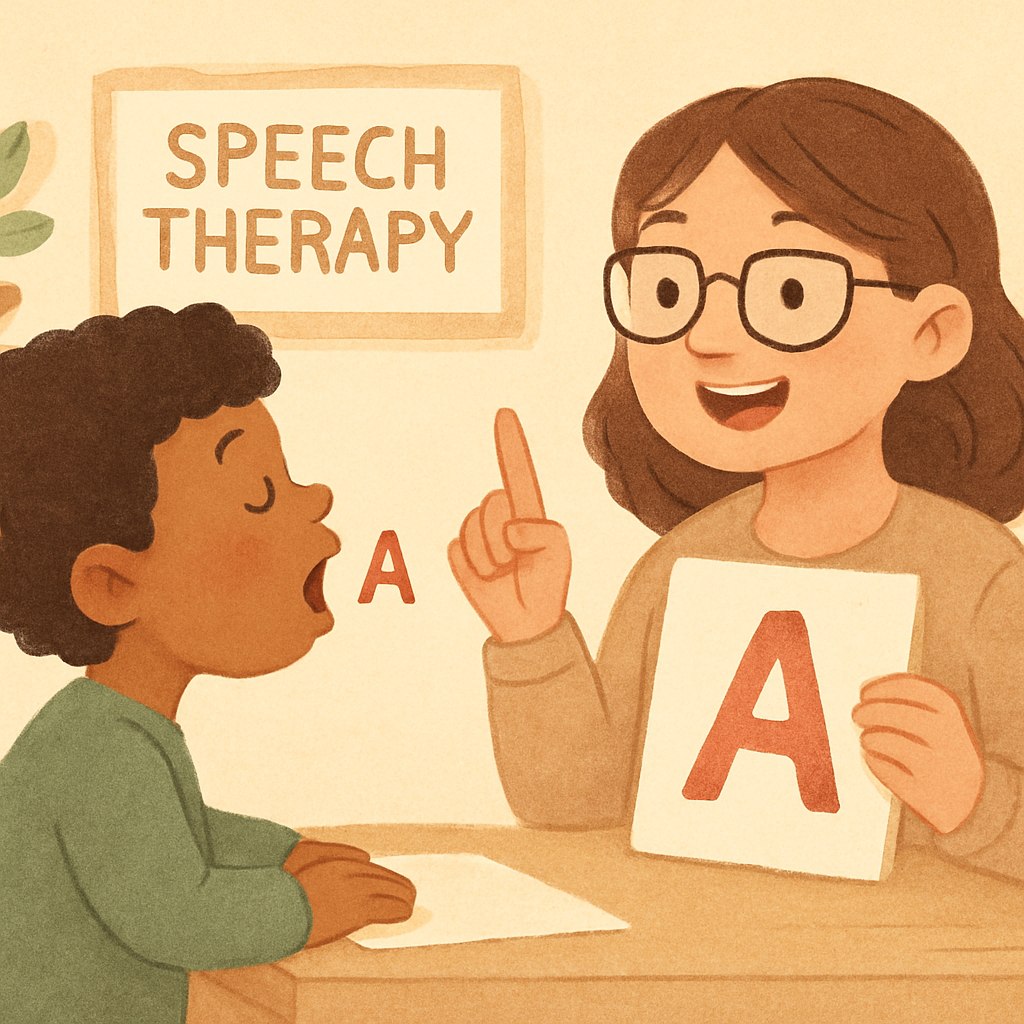
3 March, 2026

Understanding Speech Pathology: Benefits and Insights
Key Highlights
- Speech pathology helps people of all ages with communication disorders, including issues with speaking, listening, and understanding.
- A speech pathologist is a trained allied health professional who diagnoses and treats these challenges.
- Speech therapy can address a wide range of conditions, from developmental delays in children to issues caused by brain injury in adults.
- The goal of speech therapy is to improve communication skills, which significantly enhances social interactions and overall quality of life.
- You typically don't need a doctor's referral to see a speech pathologist, and they work in various settings like schools and private practices.
Introduction
Effective communication is a cornerstone of our daily lives, allowing us to connect with others, express our needs, and share our thoughts. When challenges arise in this area, it can feel isolating. This is where speech pathology comes in. Through targeted speech therapy, individuals can overcome communication hurdles and build confidence. This guide will explore what speech pathology is, the benefits of therapy, and how it helps improve essential communication skills for a better quality of life.
What Is Speech Pathology?
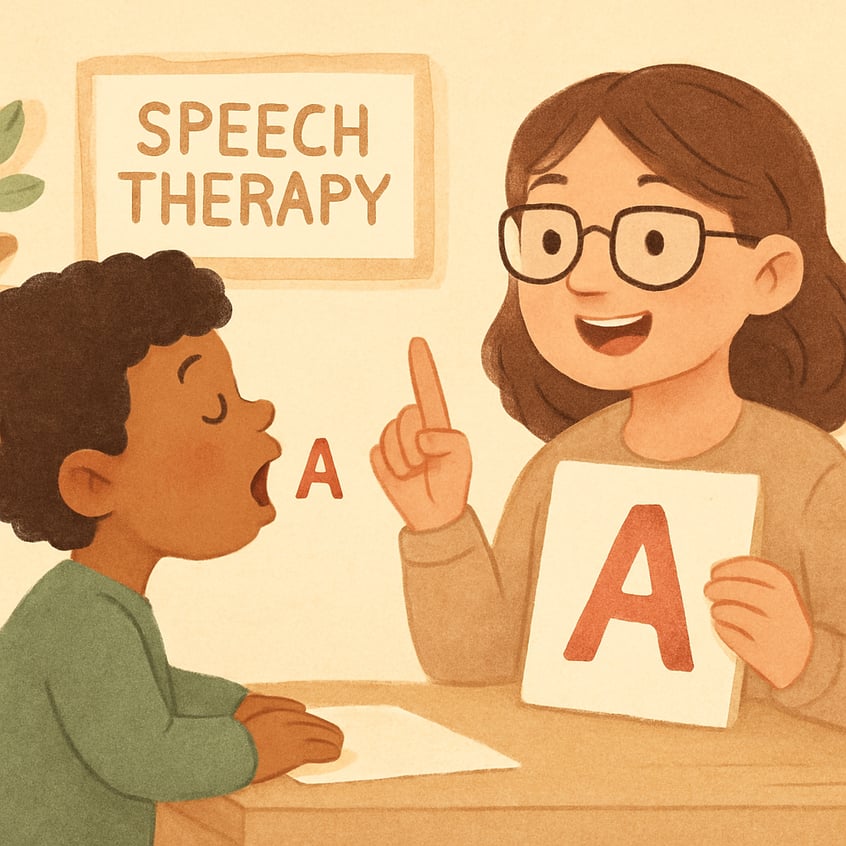
Speech pathology is a field of healthcare dedicated to diagnosing and treating communication disorders. A speech therapist, also known as a speech pathologist, is a trained professional who helps people with problems related to speaking, listening, reading, writing, and even swallowing.
Their work involves creating personalized plans to help individuals improve their communication skills. Speech therapy helps with communication difficulties by providing targeted exercises and strategies to address specific issues, whether it's pronouncing words clearly, understanding language, or improving social interaction. The ultimate aim is to make communication easier and more effective for everyone.
Defining Speech Pathology in Australia
In Australia, speech pathology is a recognized allied health profession. Practitioners must have a degree in speech pathology to assess, diagnose, and treat communication and swallowing disorders for all ages.
Most professionals are Certified Practicing Speech Pathologists (CPSP), meaning they are members of Speech Pathology Australia (SPA), the national body that sets standards and requires ongoing professional development. To become a speech pathologist, you need to complete a university degree and meet SPA membership requirements.
You can verify membership on the SPA website. Speech pathologists work in hospitals, schools, and private practices, providing vital services to the community.
Role of Speech Pathologists in Healthcare
As allied health professionals, speech pathologists play a crucial role in the broader healthcare system. They work alongside doctors, nurses, and other therapists to provide comprehensive care. Their expertise is vital for individuals facing communication disorders that can result from various health conditions.
Speech pathologists treat a wide range of common conditions. They provide essential speech pathology services for people affected by developmental delays, intellectual disabilities, hearing loss, and autism spectrum disorder. They also support individuals who have experienced a stroke, brain injury, or are living with degenerative diseases like dementia.
By addressing these communication and swallowing difficulties, speech pathologists help improve their clients' ability to interact with the world, participate in daily activities, and ultimately enhance their overall quality of life.
Key Benefits of Speech Therapy
Engaging in speech therapy offers numerous advantages that go beyond just clearer speech. The primary benefit is the significant improvement in overall communication skills, which boosts confidence and independence. When you can express your thoughts and needs effectively, your interactions with others become more meaningful and less stressful.
For many, this leads to a better quality of life. Overcoming communication challenges opens doors to stronger relationships, better performance at school or work, and greater participation in social activities. Speech therapy empowers you to connect with the world around you more fully. We will now look at how it enhances specific communication abilities.
Improving Overall Communication Skills
Speech therapy aims to improve your overall communication skills. Therapists tailor strategies to your needs, using techniques that enhance both speaking and understanding.
A key focus is developing language skills—expanding vocabulary, building accurate sentences, and grasping complex ideas. If you have articulation issues, targeted exercises can make your speech clearer and easier to understand, supporting effective communication in daily life.
Speech therapy also builds social communication skills, helping you:
- Navigate conversations
- Understand social cues
- Build and maintain relationships
These efforts help you communicate with greater confidence and ease.
Enhancing Social Communication and Interpersonal Interaction
Beyond improving speech mechanics, therapy is crucial for developing social communication skills. Effective interaction requires more than clear words—it involves reading non-verbal cues, taking turns, and staying on topic. These social skills can be difficult for those with communication challenges.
Speech therapy addresses these issues by providing structured practice in a safe setting. Through role-playing and guided conversations, a speech pathologist teaches how to interpret body language and tone of voice, building confidence in social situations.
As these skills grow, anxiety around social interactions decreases. This results in more positive experiences, stronger relationships, and a deeper sense of connection with others.
Common Communication Disorders Treated by Speech Pathologists
Speech pathologists are equipped to treat a wide spectrum of communication disorders in both children and adults. These conditions can range from issues with producing speech sounds to difficulties understanding or using language. Some disorders may be present from birth, while others can develop later in life due to injury or illness.
Common issues include speech disorders like stuttering, language disorder affecting comprehension and expression, and challenges related to hearing loss. A speech pathologist will assess your specific needs to create a tailored plan. The following sections will provide more detail on the specific disorders treated in children and adults.
Speech Disorders Addressed in Children
Children can experience a variety of speech and language issues that benefit from therapy. Early identification and intervention are key to helping them develop the skills they need to succeed. A common reason for seeking help is a speech delay, where a child is not meeting typical language milestones. If a delay is suspected, it is best to seek an assessment as early as possible.
Speech pathologists treat many common conditions in children. These can include articulation disorders, where a child has trouble making certain sounds, and phonological disorders, which involve patterns of sound errors. Other conditions include:
- Childhood apraxia of speech, a motor speech disorder affecting speech planning.
- Stuttering, which impacts the fluency and flow of speech.
- Communication challenges associated with autism spectrum disorder.
Therapy for these issues is designed to be engaging and effective, using play-based activities to help children learn and practice new skills.
Treatable Communication Issues in Adults
Adults can benefit from speech therapy for various communication issues that may develop at any time, often due to neurological conditions, injuries, or health problems. For example, stroke or brain injury can cause difficulties with speech, language, and cognitive-communication.
Speech therapy addresses challenges like aphasia (difficulty expressing or understanding language), dysarthria (slurred speech), and voice disorders. It also supports those with degenerative diseases such as Parkinson’s or dementia by providing strategies to maintain communication skills.
Therapy may focus on rebuilding vocabulary and sentence structure or improving vocal strength and clarity. The goal is to help adults regain and adapt their communication abilities, supporting independence and social connection.
When and Why to Seek Speech Therapy
Knowing when to seek speech therapy is key to addressing communication issues. If you or someone you know struggles to speak clearly, understand others, or express thoughts, it may be time to consult a speech pathologist—especially if these difficulties affect daily life, relationships, or work.
A qualified speech pathologist can assess your needs and recommend the best approach. To find one nearby, use the "Find a Speech Pathologist" tool on the Speech Pathology Australia website. Next, we’ll look at specific signs that signal it’s time to seek help for both children and adults.
Early Signs of Speech and Language Difficulties in Children
Recognizing the early signs of a speech delay or language difficulty in children is crucial for timely support. While every child's language development happens at a different pace, certain indicators may suggest a need for assessment. For instance, a child might have trouble with receptive language, meaning they struggle to understand what is said to them.
Another sign is difficulty with expressive language, which involves putting thoughts into words. If speech delays are suspected, children should start speech therapy as early as possible, as early intervention can make a significant difference. Key signs to watch for include:
- Not babbling by 12 months
- Not speaking single words by 16-18 months
- Having trouble following simple directions
- Being difficult to understand by age 3 or 4
If you notice any of these signs, consulting a speech pathologist can help determine if your child needs support to improve their communication skills.
Indicators Adults May Benefit from Speech Therapy
Adults may need speech therapy due to health changes or ongoing issues. Sudden communication difficulties after a stroke or brain injury, such as trouble finding words, slurred speech, or understanding conversations, are clear signs.
Gradual changes like persistent hoarseness, breathiness, or significant hearing loss may also indicate the need for therapy. Long-term challenges like untreated stuttering can be improved with therapy.
If communication problems cause frustration, isolation, or impact work and social life, speech therapy can help boost confidence and quality of life.
Supporting Social Communication Through Therapy
Effective social communication is essential for building relationships and navigating the social world. Speech therapy provides targeted support to enhance these crucial skills. It's not just about what you say, but how you say it and how you interact with others. Therapy helps individuals understand the unwritten rules of conversation.
A speech pathologist can help improve social interactions by working on language skills and other communication abilities needed for successful engagement. This includes learning to interpret social cues, take turns in conversation, and adapt communication style to different situations. The following sections will explore the techniques used and how family can be involved.
Techniques Used for Social Communication Development
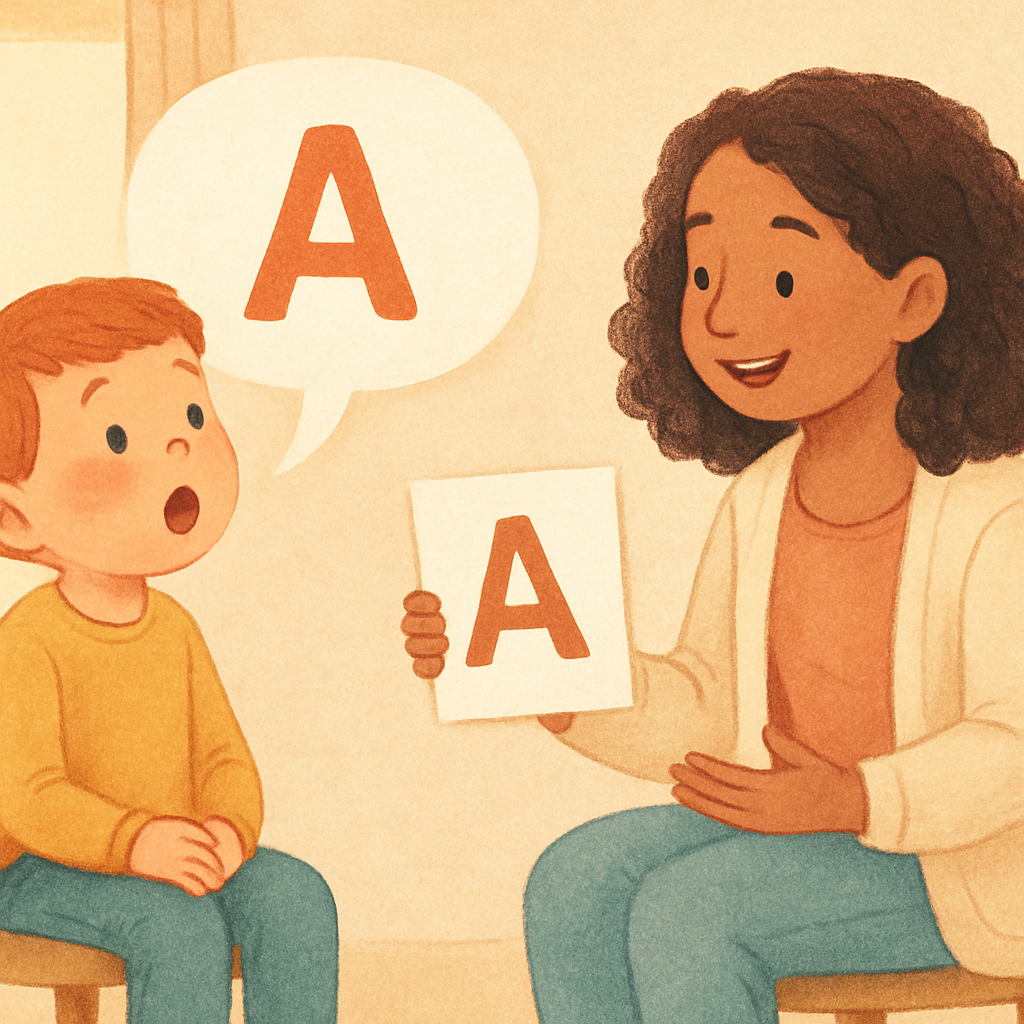
To foster social communication skills, speech pathologists create individualized treatment plans that use a variety of proven techniques. These methods are designed to be practical and applicable to real-life situations. The approach often involves breaking down complex social interactions into smaller, manageable steps.
Role-playing is a common and effective technique where you can practice conversations in a supportive setting. Therapists may also use video modeling to show examples of positive social behaviors. For individuals who are non-verbal or have significant speech difficulties, alternative communication methods are explored. These can include:
- Picture Exchange Communication Systems (PECS)
- Speech-generating devices
- Sign language
These tools, combined with behavior support strategies, help individuals express themselves and engage more effectively in social settings, providing them with the confidence to communicate.
Involving Family and Caregivers in Social Communication Progress
The involvement of family and caregivers is a cornerstone of successful speech therapy, especially for developing social communication skills. Progress made during sessions is significantly amplified when the strategies are practiced and reinforced at home. Family members provide crucial support by creating a positive and encouraging environment.
During a typical speech therapy session, a pathologist might model communication strategies and then have the individual practice them. They will then teach family and caregivers how to continue this practice in daily routines. This could involve prompting turn-taking during dinner conversations or practicing greetings when visitors arrive.
This collaborative approach ensures that learning is continuous and integrated into everyday life. When family provides consistent support, individuals can more quickly generalize their new communication abilities from the therapy room to the real world, leading to more confident and effective social interactions.
Conclusion
In conclusion, understanding speech pathology is crucial for enhancing communication skills at all ages. By seeking the guidance of a qualified speech pathologist, individuals can address various speech and language disorders effectively. The benefits of speech therapy extend beyond improving verbal communication; it also fosters better social interactions and overall confidence. Whether you're a parent noticing early signs of speech delays in your child or an adult looking to refine communication abilities, reaching out for support can make a significant difference.
Don’t hesitate to take the first step towards clearer communication by scheduling a consultation or call daar at 02 9133 2500 with a speech therapy professional today!
Frequently Asked Questions
How long does it usually take to notice progress from speech therapy?
The timeline for progress in speech therapy varies for each person, as treatment plans are tailored to individual needs. Some may see improvements in a few weeks, while others require a longer number of sessions. Your speech pathologist will monitor your communication abilities and adjust the plan to ensure steady progress.
At what age should children start speech therapy if there are delays?
If you suspect a speech delay or other speech disorders, it's best to seek an assessment as soon as possible. Early intervention is key, as therapy is most effective when it begins during the critical period of language development, often before age three. Starting speech therapy early can significantly improve a child's language skills.
Can adults benefit from speech therapy and what challenges can be addressed?
Yes, adults can greatly benefit from speech therapy. It addresses communication disorders resulting from a brain injury, stroke, or degenerative diseases. Language therapy can help with aphasia, voice issues, and cognitive-communication challenges, ultimately improving overall communication skills and quality of life for people of all ages.
.svg)




.svg)