
.png?width=48&height=48&name=Group%201%20(3).png)























3 March, 2026

Speech Therapy: Unlocking Communication Skills for All
Key Highlights
- Speech therapy enhances communication skills and language skills, improving an individual's overall quality of life.
- Speech therapists, also known as speech-language pathologists, provide tailored treatment for various speech and language disorders.
- Both children and adults can benefit from speech therapy services for issues ranging from developmental delays to conditions like stroke.
- Modern approaches like telehealth make speech therapy more accessible, offering convenience and flexibility.
- Early intervention is crucial for children, as it can significantly improve communication abilities and boost self-confidence.
Introduction
Welcome to the world of speech therapy, a powerful tool for unlocking human connection. Effective communication is vital, but sometimes challenges can stand in the way. Whether for a child learning to speak or an adult recovering from an injury, speech therapy plays a crucial role in improving communication skills. This guide will explore how this specialized therapy enhances communication abilities, helping people express themselves clearly and confidently, ultimately improving their quality of life.
Understanding Speech Therapy and Its Role in Communication
Speech therapy is a specialized treatment designed to improve a wide range of communication skills. Performed by professionals known as speech therapists or speech-language pathologists, it addresses everything from forming sounds to understanding language.
These experts create personalized plans to meet the specific needs of each individual. Whether you or a loved one faces communication difficulties, understanding how speech therapy works is the first step toward finding effective support. Let's explore what speech therapy entails and how it can make a significant difference.
What Is Speech Therapy?
So, what exactly is speech therapy? It's the assessment and treatment of communication problems and speech disorders. This form of therapy is conducted by speech-language pathologists (SLPs), who are often simply called speech therapists. They use various techniques, including language therapy and articulation exercises, to help individuals overcome communication difficulties.
Speech therapy is not a one-size-fits-all solution. A therapist first identifies the type of communication disorder and then develops the best way to treat it. This might involve helping someone who has trouble forming certain word sounds or assisting an individual who struggles to understand what others are saying. The goal is to improve communication and boost confidence.
This specialized care can address a communication disorder that develops in childhood or speech impairments in adults caused by an injury, illness, or neurological condition. By working with a therapist, individuals can learn strategies to communicate more effectively in their daily lives.
How Speech Therapy Improves Communication Skills
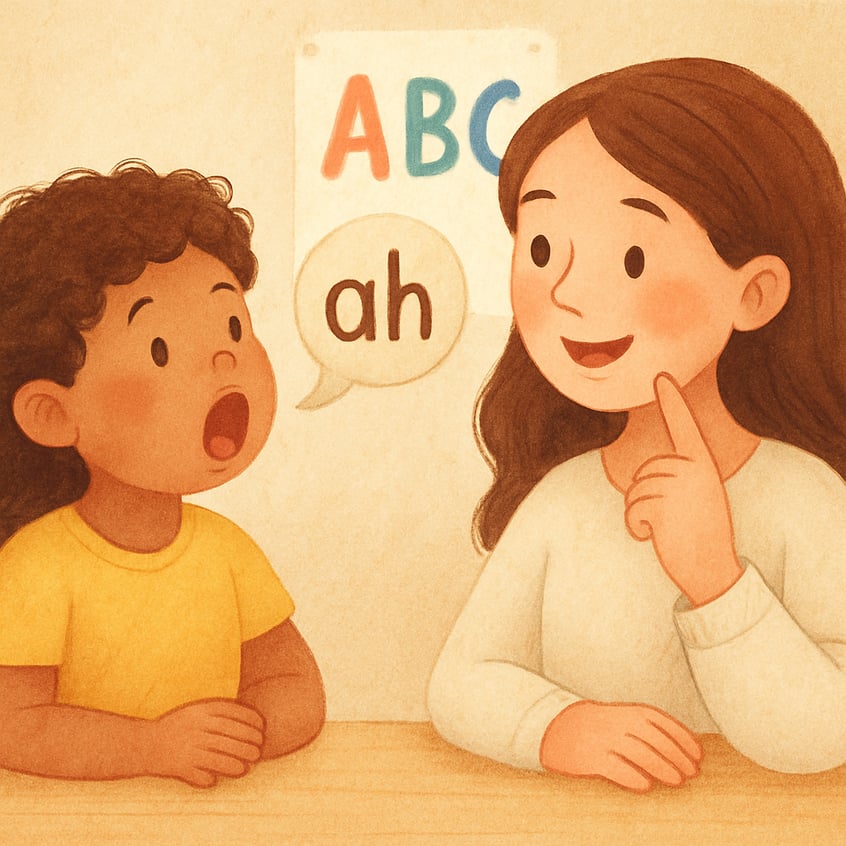
Speech therapy can dramatically enhance a person's ability to communicate. During therapy sessions, a speech therapist works on specific areas to foster effective communication. For children, this often involves play-based activities that stimulate language development and make learning fun.
For adults, the focus might be on rebuilding skills after an injury or illness. A therapist can help with problem-solving, memory, and conversational tactics to improve social skills. The exercises are always tailored to the individual's unique needs and goals.
Here’s how speech therapy can help improve communication skills:
- Strengthening Oral Muscles: Exercises can help improve control over the muscles used for speaking, leading to clearer speech.
- Improving Language Comprehension: Activities are designed to help you better understand and process what others are saying.
- Enhancing Cognitive-Communication: Therapy can address memory and problem-solving issues that affect communication.
Who Can Benefit from Speech Therapy?
A wide range of people can find support through speech therapy. It's designed for anyone, of any age, who experiences communication problems. From young children with developmental delays to adults recovering from a stroke, speech therapy offers personalized solutions.
The process begins with an assessment to understand the specific individual's needs and challenges. From there, a therapist works with you to set achievable therapy goals. Let's look at who can benefit most from these specialized services.
Children with Language and Communication Challenges
Children facing various communication issues can greatly benefit from speech therapy. If your child has developmental delays, a speech disorder like stuttering, or difficulty with language development, a speech therapist can provide essential support. Early intervention is key, as starting therapy sooner rather than later can lead to more successful outcomes.
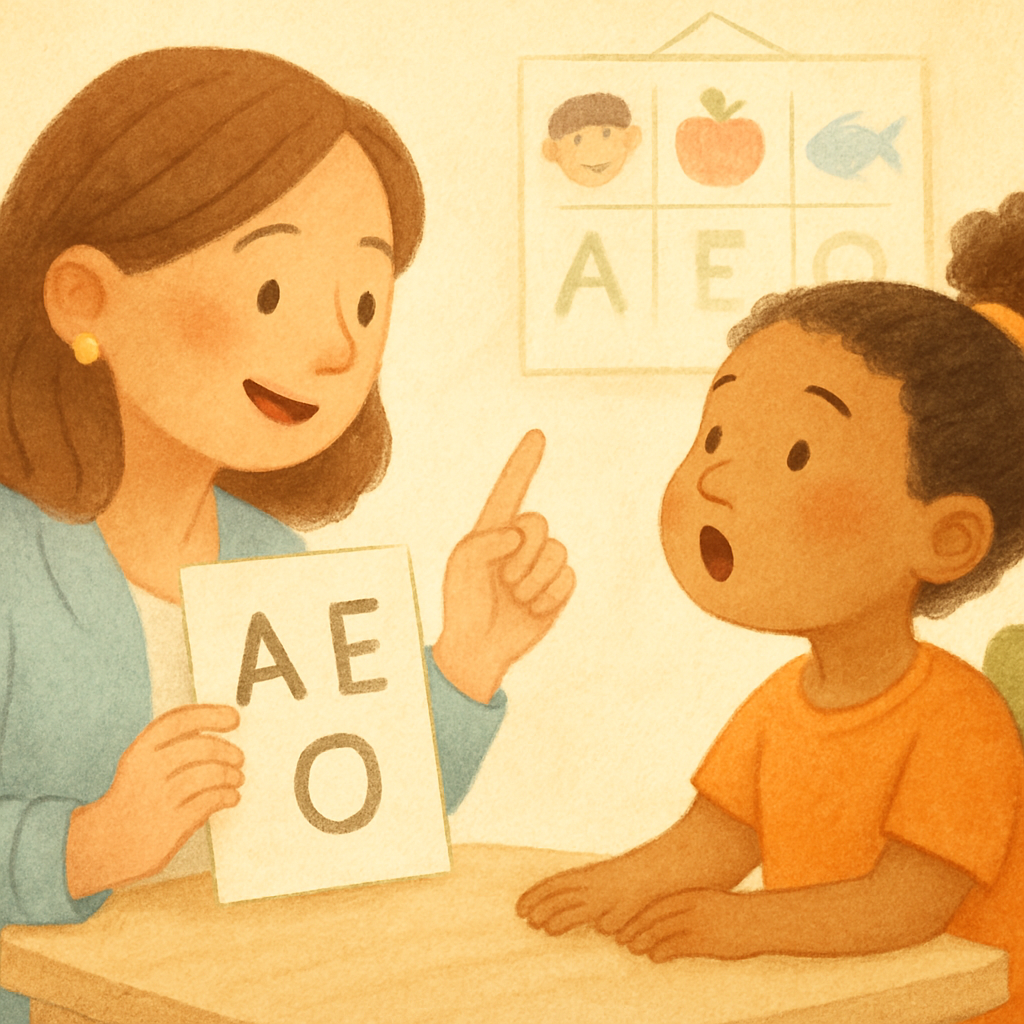
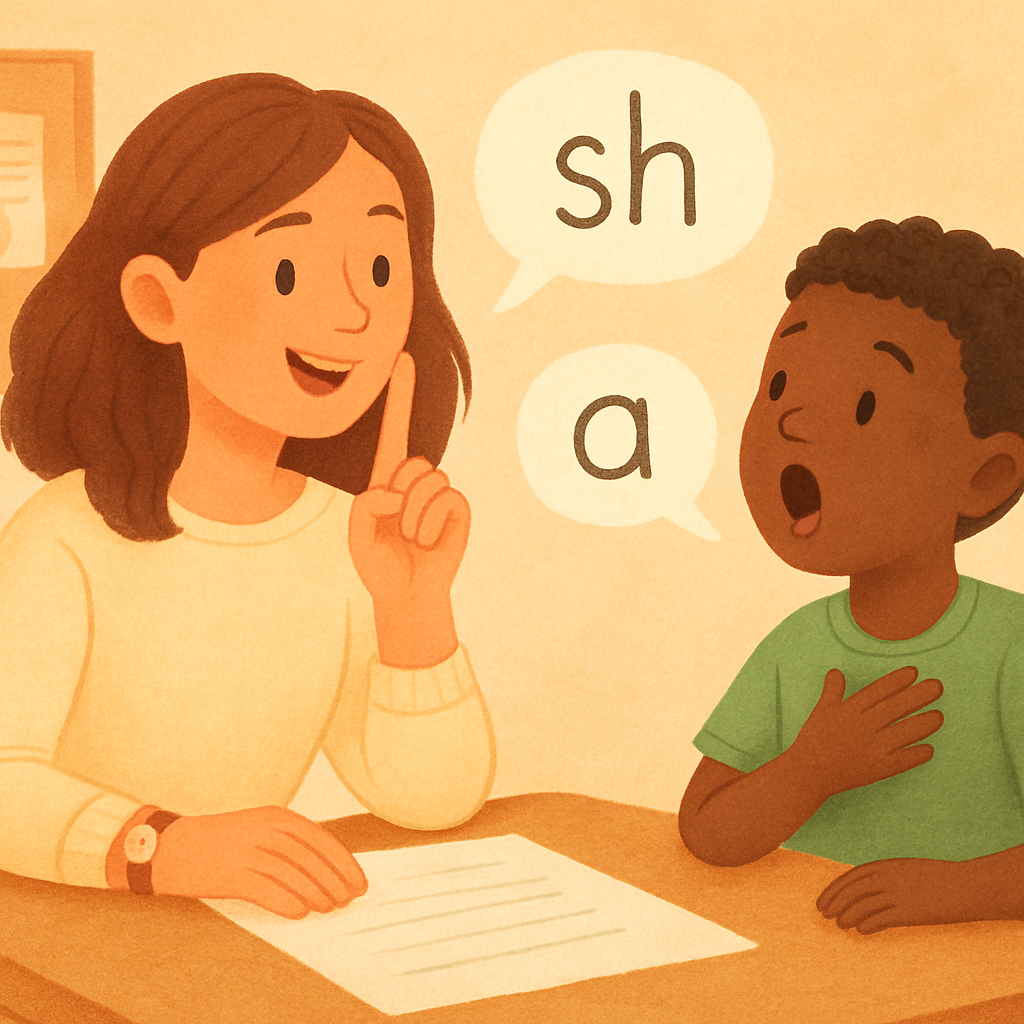
During sessions, the therapist might use books, pictures, and age-appropriate play to stimulate language. They model correct sounds and syllables, helping the child learn to form words properly. This approach makes therapy engaging and effective.
Parents play a vital role in the process. The therapist will often provide strategies and homework so you can continue the practice at home. This collaborative effort helps reinforce what is learned in therapy and accelerates your child's progress, building a strong foundation for their future academic and social success.
Adults and Seniors Requiring Support
Speech therapy isn’t just for children—many adults and seniors need it to maintain their quality of life. Communication issues can result from conditions like stroke, MS, ALS, or other degenerative diseases that affect speech and language.
Therapy starts with an assessment to identify individual needs. Exercises target speech, language, and cognitive-communication skills. For example, those with dysarthria (slow or slurred speech) may work on strengthening their speech muscles.
Speech therapy can also retrain swallowing if conditions like Parkinson’s or oral cancer cause difficulties. By addressing these issues, speech therapy helps adults regain independence, boost confidence, and improve social connections.
Modern Approaches: Telehealth and Online Speech Therapy
In today's digital world, accessing health services has become easier than ever. Telehealth has transformed how speech therapy services are delivered, bringing support directly to your home. This modern approach allows you to connect with a qualified speech therapist through a computer or tablet.
Online sessions can include many of the same speech therapy activities as in-person visits, such as interactive games and exercises. This flexibility makes it a convenient option for busy families and individuals with mobility challenges. Now, we'll explore how these services work and compare them to traditional therapy.
How Speech Therapy Telehealth Works in Australia
Telehealth is a popular and effective way to access speech therapy in Australia. Online speech therapy connects you with a certified professional through secure video sessions, requiring only a reliable internet connection and a device with a camera.
These virtual sessions are personalized, just like in-person visits. For children, therapists use digital games and interactive tools to keep sessions engaging. For adults, therapy focuses on targeted exercises and strategies—all from home.
Organizations like Speech Pathology Australia support telehealth, ensuring services meet professional standards. This flexible approach provides convenient, high-quality care nationwide, including for those in remote areas.
Comparing In-Person and Online Options
When choosing speech therapy, you may wonder whether to choose in-person or online sessions. Both have unique benefits, and the best option depends on your family’s needs and lifestyle. In-person therapy offers direct, hands-on interaction, which some people prefer.
Online speech therapy is flexible—eliminating travel and allowing sessions at home. This is ideal for busy families or those with limited mobility. Many therapists report similar results with both approaches.
Here’s a quick comparison:
|
Feature |
In-Person Therapy |
Online Speech Therapy |
|---|---|---|
|
Convenience |
Requires travel to a clinic |
Attend from home; no travel needed |
|
Engagement |
Uses physical tools and activities |
Uses digital games and interactive tools |
|
Accessibility |
Limited by location |
Available anywhere with internet access |
|
Environment |
Clinical setting |
Comfortable home environment |
Conclusion
In conclusion, speech therapy is essential for improving communication at any age. It helps children overcome language barriers and supports adults and seniors facing challenges. Telehealth makes accessing these services easier and more convenient than ever. Effective communication is vital, and investing in speech therapy can open doors to personal growth and connection.
Ready to improve your skills? Book a consultation or call daar at 02 9133 2500!
Frequently Asked Questions
How do I choose a qualified speech pathologist in Australia?
To find a qualified professional, look for speech pathologists who are members of Speech Pathology Australia. This ensures they have the necessary qualifications and adhere to professional standards. You can search for providers through their directory, check with local health services, or look for a reputable private practice in your area.
What should parents know about speech-language therapy for children?
Parents should know that early intervention is crucial for children with a speech disorder or language development delay. Therapy sessions are often play-based to keep children engaged. Your active involvement, especially with at-home practice, can significantly speed up your child’s progress and improve long-term outcomes.
How long does speech therapy usually take to see results?
The timeline for seeing results varies based on individual needs, the severity of the disorder, and the frequency of speech therapy sessions. Some people may see improvements in a few months, while others may need longer-term support. Your therapist will set clear therapy goals and track progress to ensure positive therapy outcomes.
.svg)




.svg)