
.png?width=48&height=48&name=Group%201%20(3).png)























10 March, 2026

Engaging Educational Shows for Autistic Children to Enjoy
Key Highlights
- Educational shows can be powerful tools for children on the autism spectrum, helping to build important life skills.
- The right shows can support the development of social skills, improve vocabulary, and aid in emotional regulation.
- When choosing a show, consider factors like clear speech, simple visuals, and predictable storylines.
- Shows like "Sesame Street" and "Daniel Tiger’s Neighborhood" model positive social interactions and routines.
- Parents and caregivers can make screen time more effective by watching together and discussing the show's lessons.
Introduction
Screen time is a normal part of modern childhood, but for parents of autistic children, finding the right programs can feel overwhelming. You want entertainment that is not only fun but also supportive of your child's development. The good news is that certain educational shows can be a fantastic resource. They can help with communication, social learning, and daily routines, turning screen time into a valuable opportunity for growth. When used thoughtfully, these shows can reinforce skills and support overall child development.
How to Choose the Right Educational Show for Autistic Children
Finding the right TV show for autistic children is easier when you know what to look for. The best programs support skills learned in daily life and even in ABA therapy, making screen time productive.
With so many options available, it can be hard to pick the best fit. A simple checklist can help you select shows that align with your child’s needs and contribute positively to their autism education. Let's explore some key factors to consider.
Factors to Consider: Content, Visuals, and Sound
The content, visuals, and sound of a show can either benefit or overwhelm a child on the autism spectrum. Many autistic children have sensory sensitivities, so shows with softer sounds, dimmer lighting, and a slower pace are often preferable.
Animation works well by using vibrant colors and clear visual cues to make abstract ideas like emotions more understandable. Strong visual storytelling matches the strengths of many autistic children. Choose programs with simple backgrounds to help your child focus on main characters and actions.
Look for these features when selecting a show:
- Clear and Slow Speech: Short, clear sentences aid understanding.
- Predictable Storylines: Repetition and routine create a sense of security.
- Calm Visuals: Simple backgrounds prevent overstimulation.
- Short Episodes: Brief shows help maintain attention and reduce fatigue.
Age Appropriateness and Developmental Needs
The benefits of a show depend on its age appropriateness and how well it supports your child’s development. For young children, programs that teach basic skills like numbers, letters, and social concepts in a structured way are most effective. Predictable educational content is helpful for kids who prefer routines, including those with autism.
Consider your child’s abilities and learning goals—like recognizing emotions, following directions, or mastering routines. The right show models these skills simply and clearly, often breaking down concepts into manageable steps.
A good kids’ show engages without overwhelming, reinforces learning positively, and matches your child’s pace and interests.
Tips for Parents on Selecting Shows
As caregivers, you play a key role in making screen time a positive learning experience. Your involvement turns passive watching into opportunities to build communication and reinforce lessons. Watching together lets you explain stories, ask questions, and connect content to your child's life.
Pausing to discuss helps identify emotions, describe actions, and talk about choices—making shows more meaningful and supporting skills learned through ABA therapy or school. Rewatching favorite episodes reinforces routines through repetition.
Quick tips for effective screen time:
- Watch Together: Co-viewing strengthens lessons.
- Choose Purposeful Shows: Pick content that teaches social or life skills.
- Practice Skills: Use episodes as prompts for tasks like brushing teeth.
- Create a Routine: Consistent viewing sets clear expectations.
Benefits of Educational Shows for Children with Autism
When chosen carefully, educational shows can be a powerful tool for children on the autism spectrum. These programs offer more than just entertainment; they provide structured, predictable content that can support cognitive, emotional, and social growth enjoyably.
From modeling social skills to reinforcing language, the right TV show can complement therapeutic goals and daily learning. Let’s look at some of the specific benefits these shows can offer.
Supporting Social Skill Development Through TV
Many children with autism struggle to understand social cues, facial expressions, and interactions. TV shows focused on social skills can help by clearly modeling appropriate behaviors. Programs where characters build friendships and solve problems teach valuable lessons.
Shows like "Daniel Tiger's Neighborhood" demonstrate social situations and offer strategies for managing emotions. Watching these characters practice kindness and empathy can help children apply these skills in real life. Research shows that such programs can improve a child’s understanding of social situations.
These shows can help your child learn:
- Teamwork and cooperation
- Empathy and recognizing others’ feelings
- Positive social interactions, like sharing and taking turns
Emotional Awareness and Self-Regulation
Developing emotional awareness is vital for children, and certain shows can support this growth. Programs that name emotions and show characters managing their feelings give kids clear examples to follow, making emotions easier to understand.
Shows with songs and simple phrases about feelings teach memorable strategies for self-regulation. When a character sings about being mad and how to cope, it gives children practical tools they can use.
The predictable routines in these shows also create a sense of security, helping reduce anxiety and making it easier for children to learn about emotions.
Reinforcing Communication and Language Skills
Educational shows are valuable for developing communication and language skills. Programs with clear language, short sentences, and a slower pace make it easier for children to follow and expand their vocabulary.
Repetition in many shows reinforces new words and phrases. Interactive programs like "Blue's Clues & You" prompt viewer participation by asking questions and allowing time to respond, creating a low-pressure space to practice communication.
Even nonverbal children benefit from these shows, which use strong visual cues and expressive gestures to support understanding. Repetitive songs and simple storylines encourage imitation of sounds and actions, helping bridge the gap to verbal communication.
Top Recommended Educational Shows for Autistic Children
Now that you know what to look for, what are some of the best educational shows for children with autism? Many programs are designed with child development in mind, featuring clear animation and predictable patterns that are ideal for young learners.
We’ve compiled a list of top-rated shows that families and professionals often recommend. These programs are celebrated for their ability to teach social skills, emotional regulation, and communication engagingly.
Popular TV Shows: Sesame Street, Daniel Tiger’s Neighborhood, and Bluey
Some of the most popular kids’ shows are excellent for autistic children. “Sesame Street” teaches letters, numbers, and social skills, and its character Julia, who has autism, promotes inclusion and representation.
“Daniel Tiger’s Neighborhood” stands out for teaching emotional regulation and empathy through songs. “Bluey” models imaginative play, problem-solving, and positive family interactions in short, clear episodes.
|
Show |
Areas: Why |
Why It’s Helpful for Autistic Children |
|---|---|---|
|
Sesame Street |
Literacy, numbers, social-emotional skills, diversity |
Features Julia (autism); structured and predictable format |
|
Daniel Tiger’s Neighborhood |
Emotional regulation, routines, and social skills |
Uses songs to teach; models empathy and problem-solving |
|
Bluey |
Imaginative play, cooperation, and family interaction |
Short episodes; clear storylines; fun focus on social skills |
Shows for Nonverbal Autistic Children
For nonverbal autistic children, TV shows with strong visual storytelling and minimal dialogue can aid learning and engagement. Programs like "Pocoyo" use bright colors, simple animation, and clear actions to help children focus on visual cues.
Repetition and non-verbal communication are essential. "Shaun the Sheep," for example, relies entirely on visuals and character interactions, encouraging children to build comprehension by observing behaviors.
When choosing shows for nonverbal children, look for:
- Minimal or clear dialogue
- Expressive animation and strong visual cues
- Simple storylines, short episodes, and frequent repetition
Streaming Services and Autism-Friendly YouTube Channels
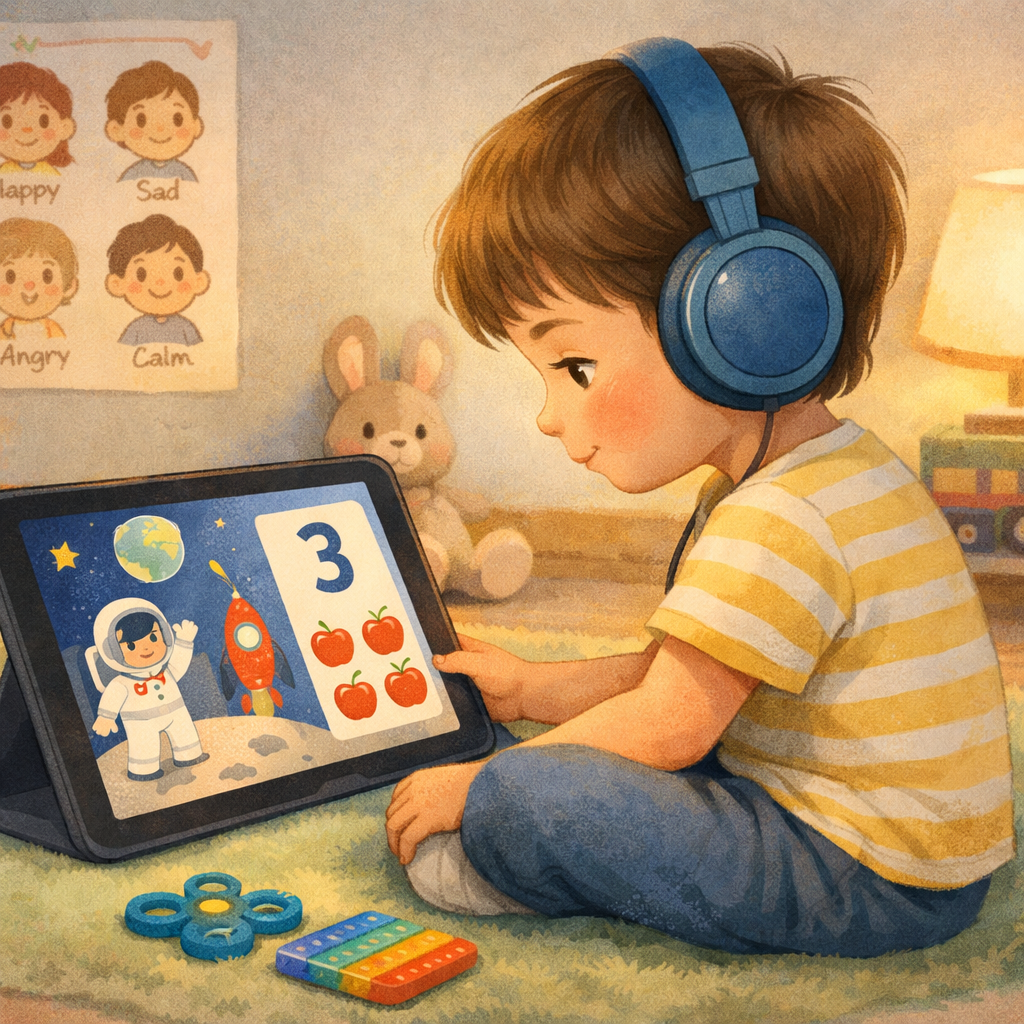
Finding autism-friendly content is now easier with streaming services and YouTube. Many platforms, like PBS KIDS, offer educational shows such as "Daniel Tiger's Neighborhood" to support social-emotional learning.
YouTube features channels like "Super Simple Songs," which use music and animation to teach vocabulary and routines—ideal for children who learn through repetition and song. These channels offer short, focused videos that help hold a child’s attention.
When searching for content, consider:
- PBS KIDS: Trusted shows like "Daniel Tiger" and "Sesame Street."
- Netflix: Kids’ shows including "StoryBots" and "Pocoyo."
- YouTube Channels: Musical learning from channels like "Super Simple Songs."
- Dedicated Apps: Some shows offer their own apps with games and episodes.
Conclusion
In summary, choosing the right educational shows for autistic children can greatly enhance their learning and development. By considering content, visuals, and age appropriateness, parents can select programs that build social skills, emotional awareness, and communication. Quality shows reinforce language and support self-regulation, with options ranging from classics like Sesame Street to newer specialized programs.
For personalized recommendations or tips on maximizing these benefits, contact us for a consultation or call daar at 02 9133 2500.
Frequently Asked Questions
What are some characteristics of educational shows that are particularly beneficial for autistic children?
Educational shows beneficial for autistic children often feature clear visuals, consistent routines, and simple narratives. They emphasize social interactions, emotional understanding, and language development through relatable characters and engaging storylines. These elements foster learning while catering to diverse sensory needs.
How can parents determine if a show is suitable for their autistic child?
Parents can assess a show's suitability for their autistic child by reviewing its content for engaging visuals and sounds, matching age appropriateness, and considering developmental needs. Seeking recommendations from trusted sources or professionals can also help in making informed choices.
Are there specific themes or topics in shows that resonate well with autistic viewers?
Certain themes like friendship, routine, and emotional expression resonate strongly with autistic viewers. Shows that depict relatable social interactions, engaging visuals, and predictable storylines often enhance understanding and engagement, catering to their unique perspectives and preferences for structure in storytelling.
.svg)




.svg)