
.png?width=48&height=48&name=Group%201%20(3).png)
























17 April, 2026

Understanding Cortisol in Children: Effects and Insights
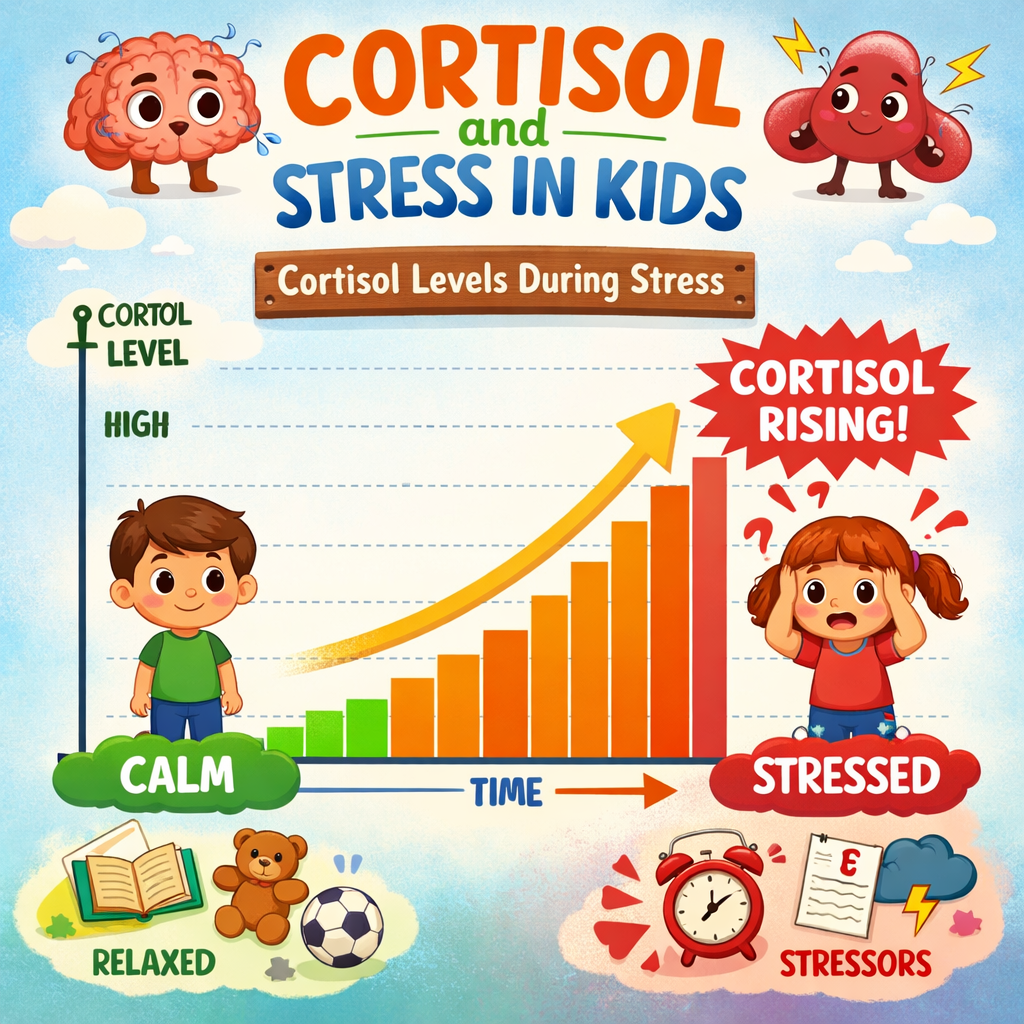
When we think of stress, we typically picture an adult dealing with work deadlines, financial pressures, or a never-ending to-do list. However, children experience stress just as intensely as adults do, even if their stressors look different. Whether it is navigating a complicated social dynamic on the Playground, struggling with a difficult math concept, or dealing with an overly packed after-school schedule, a child’s body reacts to pressure through a very specific chemical messenger: cortisol, which is regulated by the HPA axis.
Cortisol is a natural, highly essential stress hormone produced by the body. In children, balanced cortisol levels are an absolute requirement for healthy physical growth, daily energy regulation, and sturdy emotional stability. However, when a child’s nervous system is constantly overwhelmed, there may not be enough cortisol, and cortisol levels can remain chronically elevated. Consistently high cortisol due to environmental stress, overloaded schedules, or poor sleep hygiene can profoundly and negatively affect a child’s development, behaviour, and immune system.
In this comprehensive guide, we will unpack the science of how this powerful hormone operates inside your child’s body, explore the hidden signs that their stress levels are too high, and provide you with actionable, expert-backed strategies to naturally lower cortisol and manage potential side effects, restoring peace to your child's developing nervous system.
What Is Cortisol and Why It Matter in Children
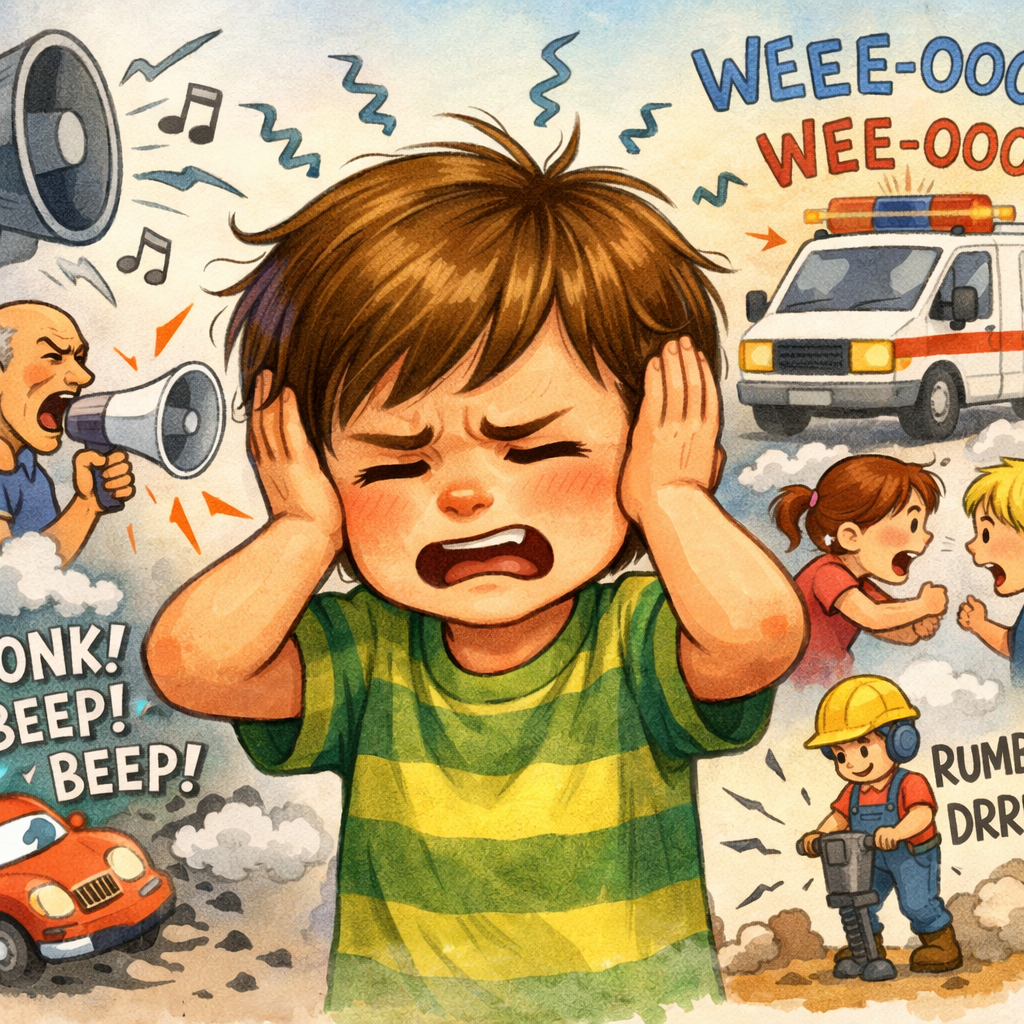
To understand cortisol, you have to understand the body’s built-in alarm system. Produced by the adrenal glands (which sit right on top of the kidneys), cortisol is famously known as a steroid hormone and the "fight-or-flight" hormone. When a child encounters a stressful situation—like a barking dog, a loud noise, or an intimidating test at school—their brain signals the adrenal glands to release a sudden burst of cortisol and adrenaline.
This chemical rush is designed for survival. It instantly increases the heart rate, pumps glucose (sugar) into the bloodstream for quick energy, and sharpens the brain’s immediate focus so the child can deal with the threat. Once the threat passes, cortisol levels are supposed to naturally drop, allowing the nervous system to return to a state of calm "rest and digest" while also influencing insulin resistance during stress responses.
Beyond the stress response, cortisol, including the cortisol response, also dictates a child's daily energy cycle, known as the circadian rhythm. In a healthy child, cortisol levels naturally peak around 8:00 AM, giving them the bright, alert energy needed to wake up and start the day. As the day progresses, cortisol slowly drops, reaching its lowest point in the evening to allow melatonin (the sleep hormone) to take over.
When this delicate rhythm is functioning properly, cortisol is incredibly beneficial. It helps regulate metabolism, including aspects related to metabolic syndrome, reduces inflammation, and manages the sleep-wake cycle. The danger only arises when the body's alarm system gets stuck in the 'on' position.
5 Profound Effects of High Cortisol in Children
When children face chronic, everyday stressors without adequate time to decompress, their cortisol levels remain unnaturally elevated due to toxic stress. This constant chemical bath of stress hormones takes a heavy toll on their developing bodies. Here is how high cortisol impacts a child:
1. Severe Sleep Disruption
Cortisol and melatonin operate on a biological seesaw; when one is high, the other must be low. If a child’s cortisol levels are elevated in the evening—due to high-stimulation screen time, an intense argument, or general anxiety—this can lead to a condition known as adrenal insufficiency, as their brain cannot produce enough melatonin to induce sleep. This leads to the infamous "tired but wired" phenomenon. Children with high nighttime cortisol experience severe difficulty falling asleep, suffer from highly fragmented, restless sleep, and frequently wake up in the middle of the night unable to settle back down.
2. Radical Behavioural Changes and Emotional Dysregulation
A brain soaking in high cortisol is a brain trapped in survival mode. Elevated stress hormones completely bypass the prefrontal cortex (the logical, reasoning part of the brain) and hand control over to the amygdala (the emotional, reactive center). This chemical hijack leads directly to intense irritability, profound anxiety, massive mood swings, and disruptions in glucose metabolism that can contribute to hyperactive behaviour. A child with high cortisol will often exhibit explosive tantrums over microscopic inconveniences because their nervous system is too fried to process minor frustrations logically.
3. Impaired Brain Development and Learning
While small, temporary doses of cortisol help focus the mind, chronic high cortisol is actively toxic to a developing brain, negatively impacting mental health. Long-term exposure to elevated stress hormones directly attacks the hippocampus, the area of the brain strictly responsible for memory formation and learning. Children suffering from chronic stress often exhibit a noticeable drop in academic performance, severe difficulty concentrating in the classroom, a shortened attention span, and an inability to retain new information.
4. Weakened Immune System Function
Cortisol plays a complex role in the immune system. In short bursts, it reduces inflammation. However, when cortisol remains perpetually high, it actively suppresses the immune system's ability to produce white blood cells. This means the body stops investing energy into fighting off germs and can contribute to conditions like rheumatoid arthritis. Children with chronic high cortisol are significantly more susceptible to catching every cold, flu, and stomach bug that circulates through their classroom, and they often stay sick much longer than their well-rested peers.
5. Stunted Physical Growth
One of the most concerning impacts of high cortisol is its direct interference with a child’s physical development. The body is highly efficient at conserving energy during times of perceived danger. If the brain believes the child is constantly under threat (indicated by high cortisol), it will temporarily halt non-essential survival functions—including physical growth. High cortisol actively suppresses the release of Human Growth Hormone (HGH) from the pituitary gland. Furthermore, because HGH is primarily secreted during deep sleep, the sleep disruption caused by cortisol provides a double-blow to a child’s physical maturation, making it essential for a healthcare provider to monitor these hormonal imbalances.
Common Causes of High Cortisol in Kids
Modern childhood comes with a unique set of pressures that previous generations rarely faced. Understanding what triggers your child’s stress response is the first step to lowering it, and implementing early intervention strategies can be beneficial. Common culprits of chronically elevated cortisol include:
- Chronic Stress or Anxiety: This can stem from complex family dynamics, parental stress (children easily absorb their parents' anxiety), bullying at school, or social struggles with peer groups. In some cases, the use of oral corticosteroids might be considered as a treatment option for underlying conditions contributing to these stressors.
- Lack of Sleep or Irregular Sleep Schedules: A severe lack of sleep is perceived by the body as a biological threat, which forces the adrenal glands to pump out even more cortisol the next day just to keep the exhausted child awake and functioning.
- Excessive Screen Time: The fast-paced, high-stimulation nature of video games and social media triggers constant micro-bursts of fight-or-flight hormones. Additionally, the blue light from screens artificially spikes evening cortisol.
- Overloaded Academic and Extracurricular Pressure: Children today often bounce from 8 hours of school directly to sports practices, tutoring, and hours of homework. The lack of unstructured, free "downtime" leaves their nervous system continuously heavily taxed.
- Poor Diet and Blood Sugar Spikes: A diet high in heavily processed foods, artificial dyes, and refined sugars causes massive blood sugar spikes and crashes. The body responds to a severe sugar crash as a biological emergency, instantly releasing heavy doses of cortisol to stabilize the system.
Healthy Ways to Manage and Lower Cortisol Levels
Fortunately, a child's nervous system is incredibly resilient. By making intentional lifestyle and environmental changes, parents can help their children naturally flush out excess stress hormones and return to a state of calm. Future studies will likely explore here are the most effective, expert-backed strategies to manage your child’s cortisol levels:
Ensure Consistent and Adequate Sleep
Sleep is the ultimate cortisol-killer. Make high-quality sleep the unapologetic priority of your household. Establish a firm, highly predictable daily bedtime that ensures your child is getting 9 to 12 hours of sleep (depending on their age). A predictable wind-down routine—such as a warm bath, dim lights, and reading a book—physically signals the brain to halt the release of cortisol production and open the floodgates for melatonin.
Encourage Daily Physical Activity (The "Heavy Work")
The fastest biological way for the human body to burn off circulating adrenaline and cortisol is through vigorous physical movement. Ensure your child engages in at least 60 minutes of active play every day. Occupational therapists highly recommend "heavy work" for an anxious nervous system—activities that push and pull against the joints, like climbing monkey bars, pushing a heavy wagon, swimming, or wrestling. This type of systematic review of deep-pressure sensory input forces the nervous system to ground itself and relax.
Ruthlessly Reduce Screen Time (Especially Before Bed)
Protect your child's hormonal balance and hormone levels by setting strict digital boundaries. Implement a non-negotiable two-hour screen cutoff before bedtime to prevent blue light from tricking their brain into a cortisol spike. During the day, monitor the type of content they are absorbing; limit fast-paced, violent, or overly suspenseful media that keeps their fight-or-flight response hovering on high alert.
Promote Calm Activities and Mindfulness
Teach your child how to manually hack their own nervous system. When a child takes slow, deep breaths, it stimulates the vagus nerve, which acts as the physical brake pedal for cortisol production and helps decrease the risk of adrenal crisis. Practice simple mindfulness exercises together, such as "belly breathing," tracing their fingers while taking deep breaths, or doing kid-friendly bedtime yoga. Incorporating quiet, deeply focused activities like coloring, building with blocks, or solving puzzles also lowers the resting heart rate.
Provide Emotional Co-Regulation and Unconditional Support
Children do not possess fully developed emotional regulation skills. When they are stressed, they cannot calm themselves down; they need to "borrow" a calm nervous system from an adult. This process is called co-regulation. If your child is having a cortisol-driven meltdown due to anxiety about major dental work, the most effective response is to remain a calm, sturdy presence. Offer tight hugs (deep pressure soothes the nervous system), speak in a slow, low-pitched voice, and validate their feelings. A physically and emotionally safe home environment is the strongest shield against chronic stress.
Prioritize a Blood-Sugar Stabilizing Diet
Help your child's body maintain internal balance by offering a nutrient-dense diet. Pair complex carbohydrates with healthy proteins and fats at every meal to prevent the rapid blood-sugar crashes that trigger cortisol releases. For example, instead of offering just an apple for a snack, offer an apple paired with peanut butter or a handful of almonds to ensure their energy remains stable for hours. If your child has symptoms suggesting an imbalance, consult a healthcare professional who may recommend a blood test to measure cortisol levels.
Protect your young children's delicate emotional stability
Protect your young children's delicate emotional stability, brain development, and physical health by actively managing their stress early. You do not have to let modern pressures dictate your child's well-being! By prioritizing healthy daily routines, fiercely protecting their sleep, and building balanced lifestyle habits, you can help radically keep their cortisol levels in check and promote brilliant, thriving development.
Are you looking for more actionable advice to help your family navigate childhood seamlessly, especially for vulnerable children? Signs of Cushing syndrome in children can include rapid weight gain, particularly in the face and upper body, slower growth, high blood pressure, easy bruising, and a roundness of the face often described as a 'moon face.'
Reach out for a consultation or call daar at 02 9133 2500 for weekly expert parenting tips, child development insights, and proven wellness strategies delivered right to your inbox!
Frequently Asked Questions (FAQs)
1. What exactly is cortisol in children?
Cortisol is a highly essential, natural hormone produced by the adrenal glands. Often called the "stress hormone," it acts as the body's built-in alarm system. In healthy amounts, it helps children wake up in the morning, regulates their daily energy levels, manages blood sugar and blood glucose, and provides the sudden burst of focus and energy needed to respond to immediate stress or danger.
2. What happens when cortisol levels are chronically too high in kids?
When cortisol levels remain too high for a long time or extended periods, it becomes toxic to a child's developing system. Chronically high cortisol keeps the brain trapped in a "fight-or-flight" survival state, causing severe sleep problems, heightened anxiety, aggressive mood swings, and weakened immunity (leading to frequent illnesses). It also actively impairs the brain's learning centers and temporarily suppresses the hormones required for healthy physical growth.
3. How can I effectively reduce cortisol levels in my child naturally and prevent issues related to a pituitary tumor?
Parents can powerfully reduce their child's cortisol levels by enforcing a fiercely consistent bedtime routine to guarantee adequate sleep, implementing a strict digital curfew to reduce blue light exposure, and encouraging at least an hour of vigorous outdoor physical play daily to burn off excess stress hormones. Additionally, feeding them a balanced diet to prevent blood sugar crashes and teaching them simple deep-breathing exercises are fantastic natural tools for calming an overwhelmed nervous system.
.svg)




.svg)