
.png?width=48&height=48&name=Group%201%20(3).png)























11 March, 2026

Understanding the Autism Stress Response in Daily Life

Key Highlights
- Individuals with autism spectrum disorder often experience stress differently than neurotypical people due to unique sensory and social processing. One common issue among autistic individuals is catastrophising, which refers to a tendency to anticipate or imagine worst-case scenarios and view negative events as overwhelming or unmanageable. In the context of autism spectrum, catastrophising can intensify stress levels, making daily challenges feel more significant and harder to cope with. The body's stress hormone, cortisol, can have different daily patterns in autistic individuals, often showing higher levels in the evening.
- The body's stress hormone, cortisol, can have different daily patterns in autistic individuals, often showing higher levels in the evening.
- Sensory sensitivities, social situations, and unexpected changes in routine are common triggers for a heightened stress response.
- Stress can manifest as physical symptoms, emotional overwhelm, or behavioral reactions like meltdowns and shutdowns.
- Effective stress management involves creating predictable routines, managing sensory input, and developing emotional regulation skills.
- Lifestyle factors like sleep, nutrition, and relaxation techniques play a crucial role in managing stress levels.
Introduction
Have you ever wondered why certain daily events seem to cause significant distress for someone with autism spectrum disorder? Understanding the unique nature of the autistic stress response is key to improving mental health and well-being. Daily life is full of potential triggers, from loud noises to unexpected social demands. This guide will explore how stress affects autistic individuals, why their reactions can be so intense, and what practical strategies you can use to help manage these challenges effectively and compassionately.
Understanding Stress Responses in Autism
For individuals on the autism spectrum, the body’s stress response can be triggered more frequently and intensely than for neurotypical people. Everyday situations that others might find manageable can feel overwhelming, leading to significant challenges in daily functioning and impacting mental health.
This heightened reaction is not a choice but a neurological difference in how the brain processes information and perceives threats. We will now look closer at what stress means for autistic individuals and how their responses can differ.
Definition and Types of Stress in Autism Spectrum Disorder
Stress is a natural response to challenges, but for people with autism spectrum disorder (ASD), it can be much stronger. ASD affects brain development and changes how stress is processed, so minor issues for others can feel overwhelming to someone with autism.
Stress can be physical, emotional, or environmental. For example, crowded spaces may cause sensory overload, while complex social situations can trigger anxiety. These stresses impact mental health and overall well-being.
Autistic children and adults may respond to stress by withdrawing, engaging in repetitive movements (stimming), becoming irritable, or experiencing meltdowns or shutdowns. These behaviors are ways of coping with too much input.
Differences in Stress Responses: Autistic vs. Neurotypical Individuals
Autistic individuals often experience and react to stress differently than neurotypical people. While neurotypical individuals may recover quickly from stress, autistic people typically have a lower threshold, becoming overwhelmed more easily.
Stress reactions in autistic children and adults can be more intense and last longer. Even minor changes, like a shift in plans, can trigger a lingering "fight or flight" response due to differences in how their brains process stress.
As a result, autistic individuals may have stronger reactions. For example, where a neurotypical child might get frustrated and move on, an autistic child may have a meltdown because their coping capacity is exceeded.
Common Physical, Emotional, and Behavioral Stress Reactions
When levels of stress become too high for an autistic person to manage, their body and mind will show clear signs of distress. These reactions can be categorized into physical, emotional, and behavioral responses. Recognizing these signs is the first step toward providing support.
Emotional overwhelm is a core part of the autistic stress experience. This can feel like a sudden flood of intense feelings, such as anxiety, fear, or frustration, that are difficult to control. On the other hand, physical symptoms can manifest as headaches, stomachaches, or fatigue.
Behavioral reactions are often the most visible signs. An individual might withdraw completely, become irritable, or engage in repetitive actions to self-soothe. Some common stress responses include:
- Increased irritability or aggression
- Difficulty sleeping or changes in sleep patterns
- Crying or emotional outbursts
- Withdrawal from social situations
- Increased repetitive behaviors (e.g., rocking, hand-flapping)
The Role of Cortisol in Autism Stress Response
Cortisol, often called the "stress hormone," is a key player in the body's stress response. In individuals on the autism spectrum, the regulation and pattern of cortisol release can be different, which helps explain their unique reactions to stressful situations.
Understanding the cortisol response provides valuable insight into the biological underpinnings of stress in autism. We will explore what cortisol is, how its levels can differ in autistic people, and how it is measured to better understand its impact.
What Is Cortisol and How It Functions
Cortisol is a hormone from your adrenal glands that helps your body respond to stress. When you face a threat, your nervous system triggers cortisol release, starting the "fight or flight" response. This increases heart rate, sharpens focus, and boosts energy.
Normally, cortisol levels peak in the morning to help you wake up and drop at night for rest. But chronic stress can disrupt this balance, causing consistently high cortisol levels and keeping your body on high alert. Over time, this can negatively affect both physical and mental health.
How Cortisol Levels Differ in Autistic People
Research shows that cortisol levels and daily patterns often differ in autistic people compared to neurotypical peers. Many autistic individuals have a "blunted" morning cortisol response, lacking the usual sharp peak after waking, which can reduce energy and alertness.
Studies also find that autistic people tend to have higher evening cortisol levels, meaning their stress system stays more active at night. This disrupted rhythm can lead to sleep problems and ongoing stress.
These altered cortisol patterns indicate dysregulation of the body’s main stress-response system (the HPA axis), making autistic individuals more sensitive to stress and causing longer, more intense reactions as their bodies struggle to calm down.
Measuring Cortisol in Autistic Children and Adults—Saliva, Hair, and Blood Tests
To understand the unique cortisol rhythms in autistic individuals, researchers and clinicians use several methods to measure its levels. These tests can provide a snapshot of cortisol at a specific moment or an average over a longer period. Common methods include saliva tests, hair samples, and blood tests.
Saliva tests are non-invasive and ideal for collecting multiple samples throughout the day from a sample of children or adults. This helps map out the daily cortisol curve. Blood tests can provide a precise measurement but are more invasive and only capture a single point in time.
Yes, measuring cortisol can indicate stress levels in autistic people. Hair samples are particularly useful for this, as they can show an average cortisol level over several months, reflecting chronic stress exposure. This provides a more comprehensive picture than a single test.
|
Test Method |
What It Measures |
Usefulness for Autism |
|---|---|---|
|
Saliva Tests |
Cortisol levels at specific times of day |
Excellent for tracking daily rhythms and responses to specific events. |
|
Hair Samples |
Average cortisol levels over weeks or months |
Great for assessing chronic stress and long-term HPA axis function. |
|
Blood Tests |
Cortisol levels at a single point in time |
Useful for specific medical diagnostics but less so for daily stress patterns. |
Sensory Sensitivities and Their Influence on Stress
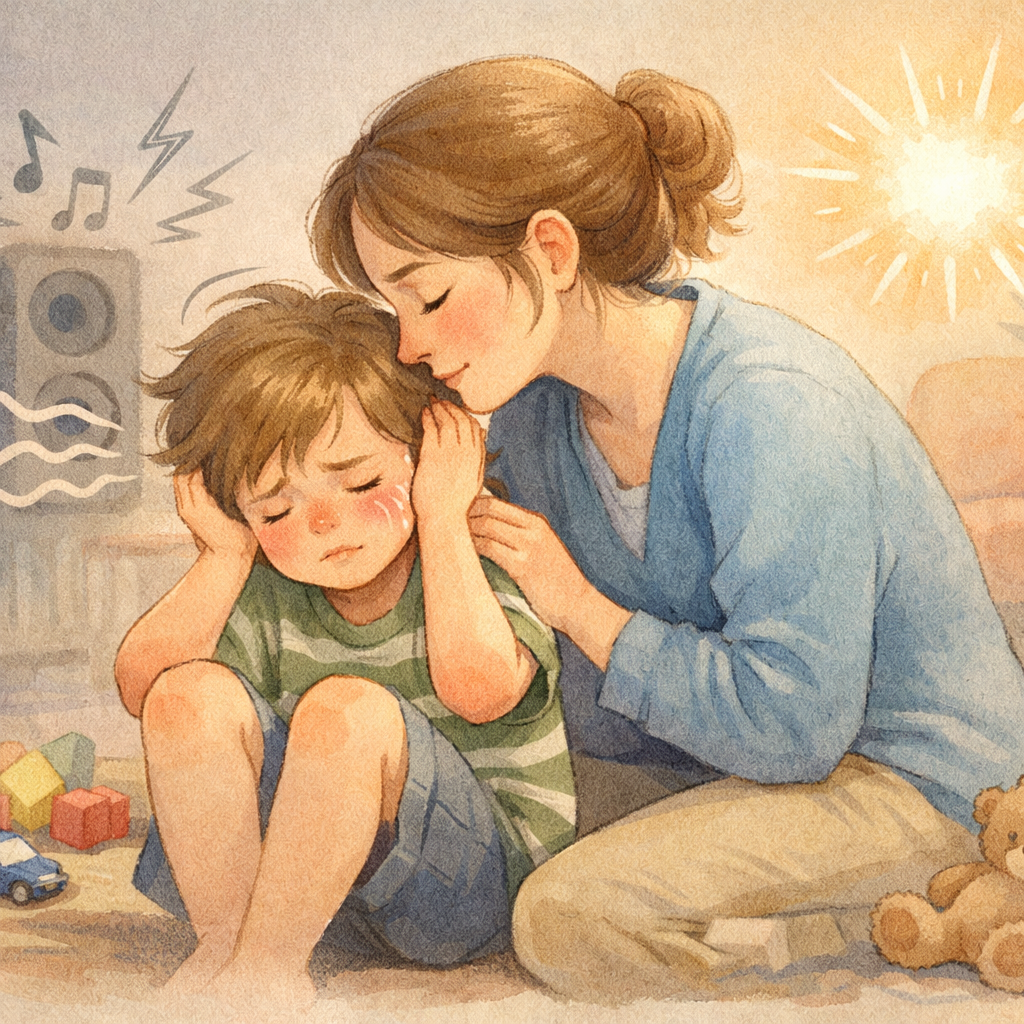
Sensory sensitivities play a crucial role in how autistic individuals experience stress. Everyday stimuli, like bright lights or loud noises, can lead to sensory overload, significantly amplifying stress levels. This heightened sensitivity often results in heightened cortisol responses, which can contribute to feelings of emotional overwhelm and even lead to autistic meltdowns. For many, finding a quiet space during stressful situations becomes essential for managing these sensory experiences. Understanding these unique needs and warning signs can empower family members and caregivers to create supportive environments, ultimately enhancing the quality of life for those navigating the autism spectrum.
Common Sensory Triggers in Autism
Sensory sensitivity and stress are closely linked in autism. Many autistic people process sensory input differently, making ordinary experiences feel overwhelming or uncomfortable. This heightened sensitivity can trigger the body’s stress response.
For example, someone sensitive to sound may find a fluorescent light’s hum or a distant siren painful and distracting. Those sensitive to touch might be distressed by a shirt tag or an unexpected pat.
These reactions are genuine neurological responses—the brain reads intense sensory input as a threat, activating stress. Common triggers include:
- Loud or unpredictable noises (crowds, alarms)
- Bright, flashing, or fluorescent lights
- Strong smells (perfume, cleaning products)
- Certain food textures or fabrics
- Unexpected physical touch
Impact of Sensory Overload on Daily Functioning
Sensory overload occurs when an autistic person receives more input than their brain can process, turning everyday tasks into sources of stress. For example, background noise may feel as loud and demanding as a direct conversation.
Environments like busy stores or public events can quickly become overwhelming. Sensory sensitivity in autism often leads to chronic stress from constant overstimulation, making it hard to function.
During overload, thinking, communicating, and emotional regulation become difficult. This may result in withdrawal, meltdowns, or shutdowns as the nervous system tries to cope, making daily life exhausting and challenging.
Strategies for Managing Sensory Sensitivities
Managing sensory sensitivities is essential for stress management in autistic individuals. The goal is to minimize overwhelming input and offer tools that address specific sensory needs, helping regulate the nervous system and prevent overload.
Creating a sensory-friendly environment is a good starting point. This can include dimmable lighting, reduced clutter, and less background noise at home or school. A designated quiet space for breaks can also help when someone feels overwhelmed.
Providing tools to manage sensory input empowers autistic people to handle challenging situations and reduce stress. Examples include:
- Noise-canceling headphones in loud settings
- Sunglasses for bright light
- Soft, tag-free clothing
- Fidget tools for calming input
- Scheduled sensory breaks
Social Situations and Autism Stress Response
Social situations are another major source of stress for many autistic individuals. Navigating the unwritten rules of social interactions, interpreting nonverbal cues, and engaging in conversation can be mentally exhausting. This can trigger a significant stress response before, during, and after social events.
The anxiety associated with social communication can make even casual get-togethers feel like high-stakes performances. Let's examine the specific challenges, how stress manifests in group settings, and tips for making social interactions more manageable.
Social Communication Challenges and Anxiety
For many autistic individuals, challenges in social communication are a primary source of anxiety and stress. Difficulties with interpreting body language, understanding sarcasm or idioms, and maintaining the flow of a back-and-forth conversation can make social interactions feel unpredictable and confusing.
This constant mental effort to decode social cues can be exhausting. An autistic person might worry about saying the wrong thing, misunderstanding others, or appearing awkward. This fear and uncertainty can lead to significant social anxiety, causing them to avoid social situations altogether.
Stress directly affects social functioning in adults with autism by depleting their cognitive and emotional resources. When an autistic adult is already feeling stressed, their ability to process social information is further impaired. This can make them seem withdrawn or disengaged, even when they want to connect. High stress can also lead to a meltdown or shutdown, making social participation impossible.
Stress in Group or Public Settings
Group and public settings combine social demands with potential sensory overload, creating a perfect storm for stress in autistic adults. The chaos of multiple conversations, unpredictable movements, and a barrage of sounds and sights can quickly overwhelm the nervous system.
In these social situations, the pressure to "fit in" and navigate complex group dynamics adds another layer of stress. Autistic adults may feel a profound loss of control as they struggle to process everything happening around them. This feeling can be incredibly frightening and isolating.
This intense stress significantly impacts social functioning. An autistic adult might become non-verbal, retreat to a corner, or leave abruptly without explanation. This is not a reflection of their desire to be social but a necessary coping mechanism to escape an overwhelmingly stressful environment. The fear of experiencing this in public can lead to avoidance of group activities.
Tips for Navigating Social Situations with Reduced Stress
Navigating social interactions with less stress is possible with preparation and the right strategies. These tips can help autistic people feel more in control during social daily activities and apply to both children and adults. The goal is to make social engagement more predictable and less draining.
One effective stress management technique is to plan. Before a social event, you can think about potential conversation topics or identify a "safe person" to stick with. Having an exit strategy, like a pre-planned reason to leave early, can also provide a sense of security.
Practicing self-advocacy is also crucial. This might mean communicating your needs, such as asking to move to a quieter area or explaining that you need a moment to yourself. Here are some other helpful tips:
- Arrive early to a location to get used to the environment before it gets crowded.
- Set a time limit for how long you will stay.
- Focus on one-on-one conversations instead of large groups.
- Schedule recovery time after a social event to decompress.
Emotional Regulation and Neurodivergent Stress Management
Emotional regulation, or the ability to manage and respond to your feelings, is a key component of stress management. For neurodivergent individuals, including those with autism, this can be particularly challenging. Intense emotions can feel overwhelming, making it difficult to find effective coping mechanisms.
Developing skills for emotional regulation is empowering. It helps individuals understand their internal experiences and respond to stress in healthier ways. Let's look at the importance of self-awareness, how to support children, and tools for building these crucial skills.
Emotional Self-Awareness for Autistic Individuals
Developing emotional self-awareness is key to emotional regulation for autistic people. This means learning to recognize and name feelings, and understanding the physical sensations that come with them. Many autistic individuals struggle with alexithymia—difficulty identifying and describing emotions—which makes this challenging.
Without self-awareness, it’s hard to notice early signs of distress, so overwhelm can happen suddenly. Supporting emotional regulation starts with teaching neurodivergent children and adults to pay attention to their bodies.
Help them link physical symptoms—like a racing heart or tense muscles—to emotions such as anxiety or anger. Visual aids like emotion charts are also useful. Building this skill improves mental health by allowing needs to be addressed before stress escalates.
Supporting Coping Mechanisms in Children
Once an autistic child can identify their feelings, the next step is to teach healthy coping strategies. These mechanisms help manage stress and often need to be taught and practiced regularly.
Rather than suppressing natural responses like stimming, guide the child toward safe ways to self-regulate—for example, offering a pillow to punch or a stress ball to squeeze when they're frustrated.
Offer choices and validate their feelings: "I see you're angry. Would you like to take deep breaths with me or go to your quiet space?" This approach empowers them to manage stress actively.
Tools for Building Emotional Regulation Skills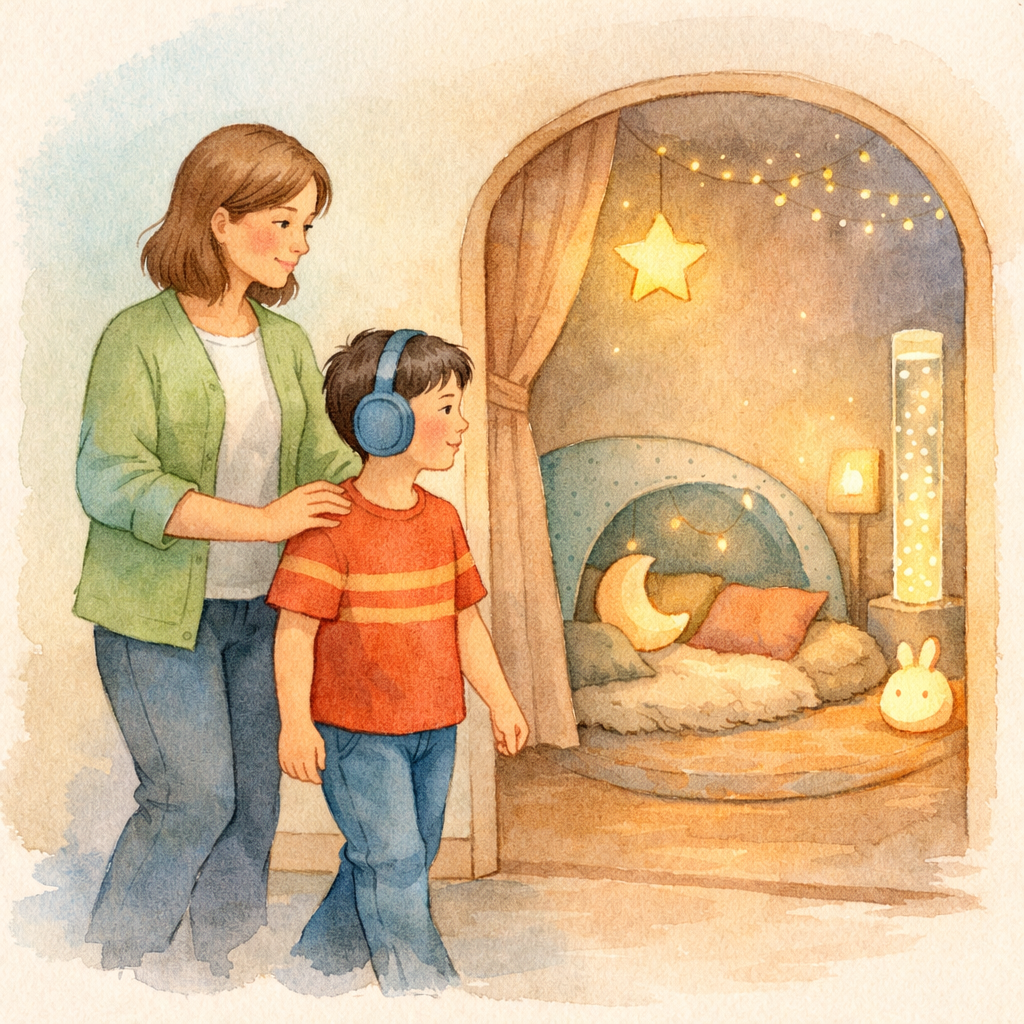
Building emotional regulation skills is a practical process that can be supported with a variety of tools and techniques. These strategies for stress management help neurodivergent children and adults calm their nervous systems and regain a sense of control when they feel overwhelmed.
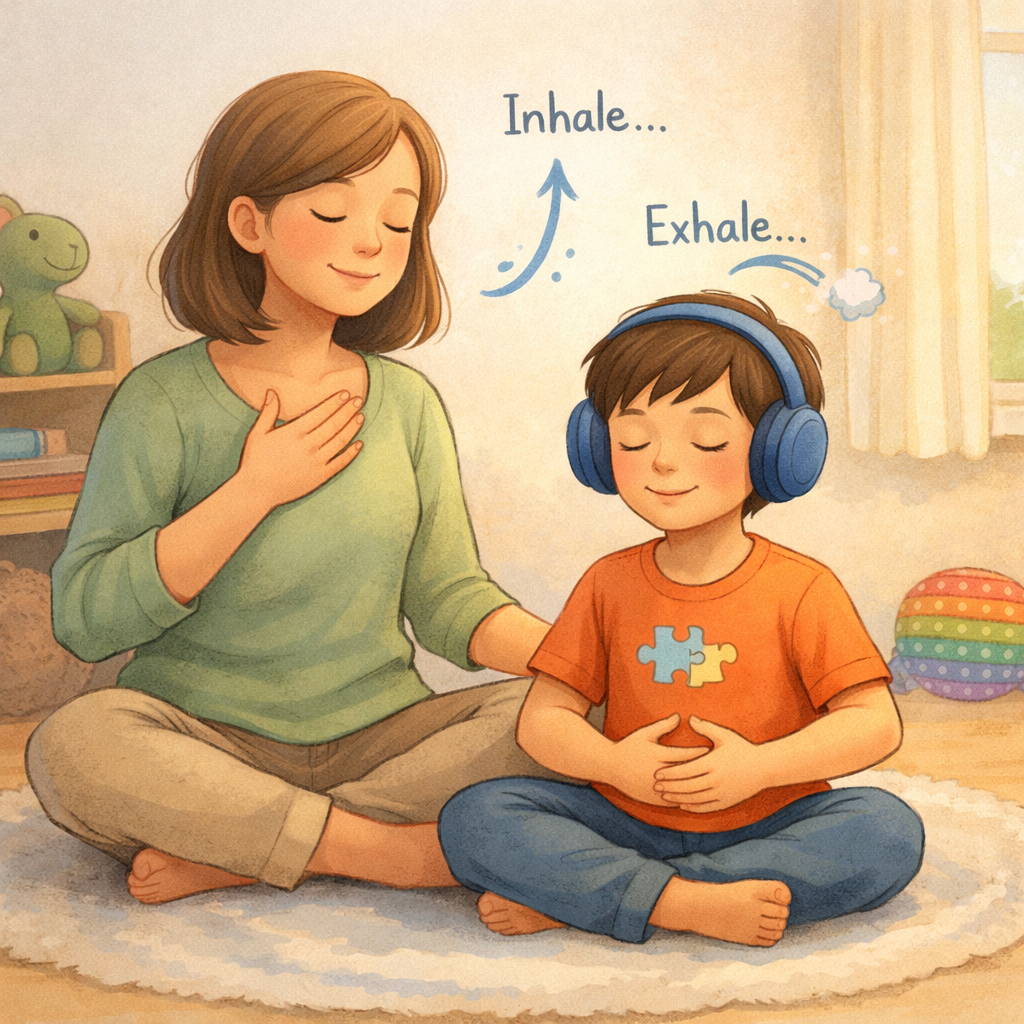
One of the most effective tools is deep breathing. Simple exercises that focus on slow, deep breaths can activate the body's relaxation response and lower stress levels. Creating calming routines, especially during transitions or before bedtime, can also provide predictability and emotional stability.
Visual aids are another powerful tool. An "emotions thermometer" can help a person identify their stress level and choose a corresponding coping strategy. Here are some effective tools:
- Creating a "calm-down kit" with sensory items like fidgets, a weighted lap pad, or soft fabric.
- Using social stories to walk through challenging situations and practice responses.
- Practicing mindfulness exercises, such as focusing on one sense at a time.
- Writing or drawing in a journal to express feelings.
Meltdowns and Shutdowns—Understanding the Autistic Stress Reaction
Autistic meltdowns and shutdowns are intense stress reactions that occur when an individual is completely overwhelmed. They are not tantrums or bad behavior; they are an involuntary response to sensory, emotional, or informational overload. During these moments, the person experiences a temporary loss of control.
Understanding that these are neurological responses is crucial for providing compassionate and effective support. Let's explore what meltdowns and shutdowns are, what causes them, and how you can help someone through them.
What Are Autistic Meltdowns and Shutdowns?
Autistic meltdowns and shutdowns are two different types of stress responses to extreme overwhelm. A meltdown is an externalized reaction where the individual loses control of their behavior. It can look like crying, shouting, kicking, or throwing things. This is the nervous system's way of releasing an unbearable buildup of tension.
In contrast, a shutdown is an internalized response. The person may become quiet, still, and unresponsive. They might withdraw completely, lose the ability to speak, or seem "spaced out." This is the nervous system's way of conserving energy and protecting itself by "powering down."
Both meltdowns and shutdowns relate directly to stress responses. They happen when the brain can no longer cope with the level of emotional overwhelm or sensory input it is receiving. They are the final stage of an escalating stress reaction, occurring after more subtle coping mechanisms have failed or been exhausted.
Causes and Early Warning Signs
The primary cause of meltdowns and shutdowns is being pushed past one's coping limits in stressful situations. This can be the result of a single, intensely overwhelming event or the cumulative effect of many smaller stressors. Autistic burnout, a state of chronic exhaustion, can also lower the threshold for these reactions.
Recognizing the early warning signs is key to potentially preventing a full meltdown or shutdown. These signs indicate that a person's stress levels are rising and their sense of safety is diminishing. How do autistic meltdowns and shutdowns relate to stress responses? They are the endpoint of this escalation.
These signs can be subtle and vary by individual. Learning to spot them in yourself or a loved one allows for early intervention, such as removing oneself from the stressful environment. Common warning signs include:
- Increased stimming or repetitive movements
- Becoming unusually quiet or irritable
- Asking to leave a situation repeatedly
- Covering ears or eyes
- Pacing or appearing agitated
Steps to Support During Meltdowns and Shutdowns
When an autistic person is having a meltdown or shutdown, the most important form of support is to ensure their safety and reduce stimulation. As family members or friends, your calm presence can make a huge difference. Avoid trying to reason with them or asking too many questions, as this can add more overwhelm.
The goal is to create a safe, quiet space where they can ride out the intense emotions. If possible, guide them away from the stressful environment. Do not try to restrain them unless they are in immediate danger of harming themselves or others.
After the peak of the meltdown or shutdown has passed, the person will need significant recovery time. Their brain and body will be exhausted. Offering water, a blanket, or simply quiet companionship can be helpful. Here are some key support steps:
- Remove any potential triggers from the environment.
- Lower your voice and use simple, clear language.
- Do not touch them without permission.
- Validate their distress without judgment.
- Allow them to rest and recover at their own pace.
The Connection Between Routine, Predictability, and Lower Stress
For many autistic individuals, routine and predictability are not just preferences—they are essential tools for managing stress. A predictable world feels safer and requires less mental energy to navigate. When you know what is coming next, there are fewer surprises to trigger a stress response.
This reliance on structure helps create a sense of control in a world that can often feel chaotic. Let's delve into why routines are so important, how to create calming ones, and strategies for coping when change is unavoidable.
Why Routine Matters for Autistic Individuals
Daily routines are crucial for autistic people because they create a sense of safety and order. The autistic brain often works hard to process unpredictable environmental factors, from social cues to sensory input. A consistent routine reduces the number of new things that need to be processed, freeing up mental resources.
This predictability helps to lower baseline anxiety. When an autistic person knows what to expect from their day, they can move through it with more confidence and less stress. Routines act as an anchor, providing stability when other parts of life feel overwhelming.
Without a routine, the world can feel chaotic and threatening. Even small changes can disrupt this sense of safety and trigger a stress response. This is why sticking to daily routines is one of the most effective calming strategies for reducing stress in neurodivergent children and adults.
Creating Calming Routines in Daily Life
Creating calming routines involves building predictability into daily activities. These routines can be simple or complex, but the key is consistency. Effective calming routines for neurodivergent children often focus on transitions, which can be particularly stressful times of the day.
A morning routine, for example, might involve the same sequence of events every day: wake up, get dressed, eat the same breakfast, and brush teeth. This structure helps start the day on a calm and predictable note. Bedtime routines are also vital for signaling to the body and mind that it's time to wind down.
Visual schedules can be an excellent tool for establishing these routines and enhancing stress management. They provide a clear, visual guide to what is happening next, which increases predictability. Here are some ideas for calming routines:
- A consistent bedtime routine (e.g., bath, book, bed).
- A specific "after-school" routine to decompress.
- Eating meals at the same time each day.
- A short wind-down activity before starting a non-preferred task.
Adjusting to Unexpected Change with Less Stress
While routines are important, unexpected change is a part of life. Helping an autistic person develop skills for adaptation is a crucial part of managing stress. The goal is to make the change feel less threatening.
One of the best strategies for managing anxiety around change is to provide as much warning as possible. If you know a routine will be disrupted, talk about it in advance. Use visual aids or social stories to explain what will happen, why it's happening, and what will stay the same.
When a change is truly unexpected, it is important for family members to stay calm and provide reassurance. Acknowledge the person's distress and focus on finding a point of stability. For example, you could say, "I know this is not what we planned, but we can do [a preferred activity] afterward." This helps to anchor them and reduce the feeling of being out of control.
Lifestyle Factors Affecting the Autism Stress Response
Your overall lifestyle plays a significant role in how your body manages stress. For individuals on the autism spectrum, paying attention to foundational habits like sleep, nutrition, and exercise can make a big difference in regulating the stress response and reducing physical symptoms of anxiety.
A healthy lifestyle can help lower baseline stress levels, making a person more resilient to daily triggers. Let's examine the impact of sleep, diet, physical activity, and relaxation techniques on the well-being of autistic individuals.
The Role of Sleep in Managing Stress
Sleep is one of the most critical factors in stress management. During sleep, your brain and body repair themselves, and your nervous system regulates. A lack of quality sleep can lead to higher cortisol levels, increased irritability, and a lower tolerance for stress the next day.
Many autistic individuals struggle with sleep for various reasons, including sensory sensitivities, anxiety, or a disrupted cortisol rhythm. Prioritizing sleep is therefore a powerful strategy for managing stress and anxiety in autistic children and adults.
To improve sleep, establish a consistent and calming bedtime routine. Make sure the bedroom is dark, quiet, and at a comfortable temperature to minimize sensory disturbances. Avoiding screens before bed can also help. Good sleep hygiene is fundamental to a better quality of life and a more regulated stress response.
Nutrition, Hydration, and Physical Activity
Good nutrition, proper hydration, and regular physical activity are also essential for managing the stress response. A balanced diet helps stabilize blood sugar and mood, while dehydration can increase feelings of anxiety and fatigue. For autistic individuals who may have selective eating habits, focusing on nutrient-dense preferred foods is a good start.
Physical activity is a fantastic way to burn off excess stress hormones like cortisol. Exercise releases endorphins, which have mood-boosting effects. It does not have to be intense; activities like walking, swimming, or jumping on a trampoline can be very effective.
These lifestyle factors help raise a person's lower threshold for stress. When your body is well-nourished, hydrated, and has an outlet for physical energy, it is better equipped to handle emotional and sensory challenges without becoming overwhelmed. This is a key strategy for reducing anxiety.
Mindfulness and Relaxation Techniques for Everyday Use
Mindfulness and relaxation techniques are powerful tools for everyday stress management. These practices help anchor you in the present moment and activate your body's relaxation response, which is the opposite of the stress response. They can be particularly helpful for improving mental health.
Mindfulness involves paying attention to the present moment without judgment. This can be as simple as focusing on the sensation of your feet on the floor or noticing the taste and texture of your food. Deep breathing is another simple yet effective technique that can quickly calm an anxious mind.
These practices don't require a lot of time and can be incorporated throughout the day to manage stress as it arises. Here are some techniques to try:
- The 5-4-3-2-1 grounding technique: Name 5 things you can see, 4 you can feel, 3 you can hear, 2 you can smell, and 1 you can taste.
- Box breathing: Inhale for 4 seconds, hold for 4, exhale for 4, and hold for 4.
- Progressive muscle relaxation: Tense and then release different muscle groups in your body.
- Listening to calming music or nature sounds.
Conclusion
In summary, managing the autism stress response is essential for improving daily life quality for autistic individuals and their families. Understanding the unique stress responses, sensory sensitivities, and emotional regulation strategies can empower caregivers to create supportive environments. By establishing routines, addressing lifestyle factors, and employing effective coping mechanisms, both children and adults on the spectrum can navigate daily challenges with greater ease. Remember, each individual's experience is different, so be patient and observe what works best. Embracing these strategies can lead to a more harmonious and fulfilling life.
For further guidance on this journey, feel free to reach out for consultation or call daar at 02 9133 2500 to explore tailored support options.
Frequently Asked Questions (FAQ)
Understanding autism stress responses can lead to better support and management strategies for autistic individuals. Common questions often revolve around sensory sensitivities and their role in stress levels. Many wonder how sensory processing differences can impact daily activities, such as social interactions and environmental factors. Others ask about effective stress management techniques, like deep breathing exercises or seeking quiet spaces during overwhelming situations. Recognizing warning signs of distress is essential, especially in supporting family members or caregivers. This knowledge helps create a greater sense of safety and improves the quality of life for those on the autism spectrum.
What are effective calming routines for autistic children?
Effective calming routines for autistic children often involve predictability and sensory comfort. A consistent bedtime routine with a bath and book, an after-school quiet time with a weighted blanket, or using visual schedules for daily life transitions are great for stress management and supporting autistic traits.
Can high cortisol indicate chronic stress in autism?
Yes, consistently high cortisol levels, especially when measured over time through methods like hair analysis, can be a strong indicator of chronic stress in individuals on the autism spectrum. An atypical cortisol response, such as elevated evening levels, suggests a dysregulated system struggling with ongoing high stress levels.
How does sensory overload differ from typical stress reactions?
Sensory overload is a neurological response specific to how autistic people process sensory input, whereas typical stress reactions are usually tied to emotional or situational pressures. Overload happens when the brain is overwhelmed by sights, sounds, or other stimuli, leading to a shutdown or meltdown to escape the unbearable input.
.svg)




.svg)