
.png?width=48&height=48&name=Group%201%20(3).png)























5 March, 2026

Understanding the Cortisol Hormone Cycle and Its Impact
Key Highlights
- The cortisol hormone, produced by your adrenal glands, is a crucial stress hormone that regulates many bodily functions.
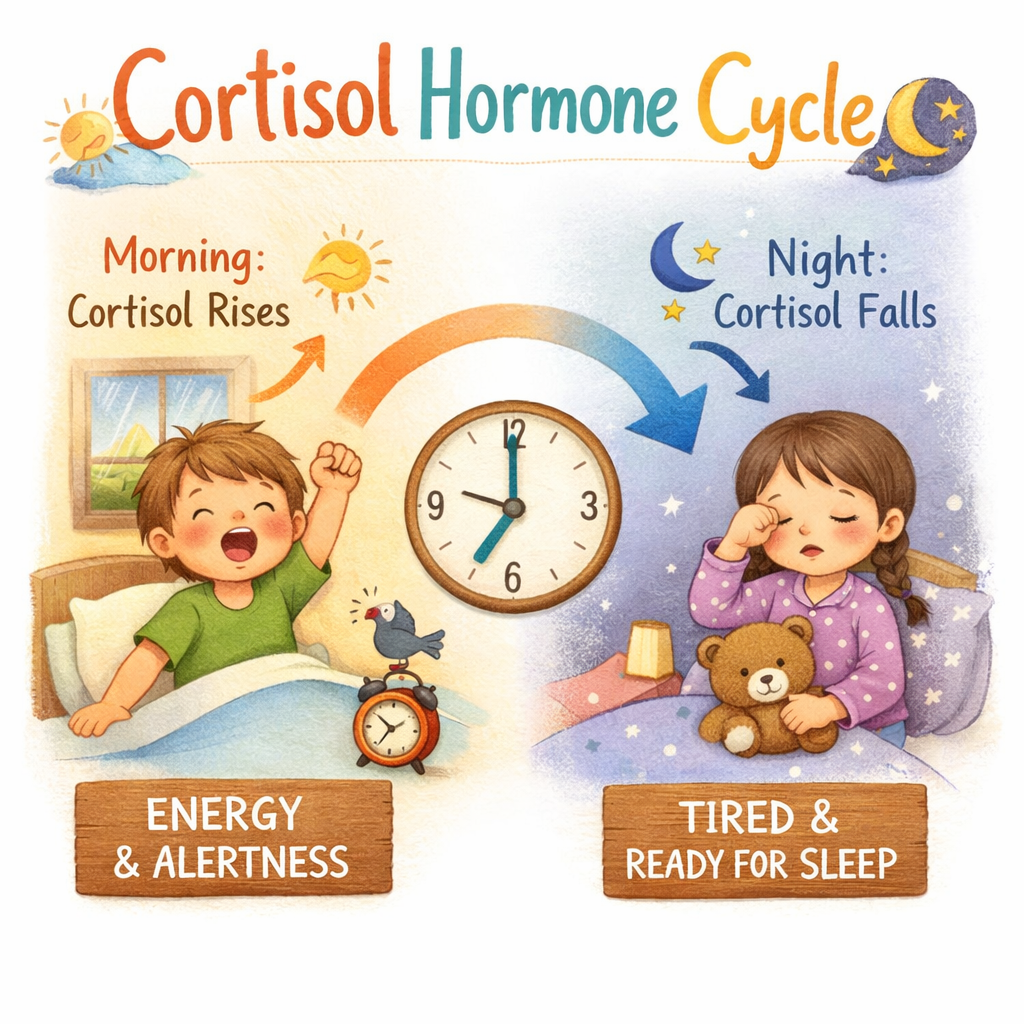
- Your cortisol levels follow a natural circadian rhythm, peaking in the morning to help you wake up and declining at night to prepare you for sleep.
- Chronic stress, poor sleep, and an irregular lifestyle can disrupt this natural cortisol hormone cycle.
- An imbalanced cortisol cycle can lead to health issues like weight gain, fatigue, and a weakened immune system.
- You can support a healthy cortisol cycle through stress management, a balanced diet, regular exercise, and consistent sleep.
Introduction
Have you ever wondered why you feel energized in the morning and tired at night? A key player in this daily rhythm is the cortisol hormone. Often called the "stress hormone," cortisol is produced by the adrenal glands and does much more than just manage stress. It follows a specific daily pattern known as the cortisol cycle, influencing everything from your energy levels to your immune system. Understanding this cycle is the first step toward better managing your overall health and well-being.
The Science Behind the Cortisol Hormone
Let's explore the fascinating science behind this essential hormone. The production of cortisol happens in the adrenal cortex, the outer layer of your adrenal glands. This steroid hormone plays a vital role in regulating your metabolism, controlling inflammation, and even maintaining your blood pressure. It's important to note that the cortisol cycle can differ between men and women, and may also fluctuate during the menstrual cycle. Women often experience natural variations in cortisol levels across different phases of the menstrual cycle due to hormonal changes, while men typically show more consistent patterns.
Your body carefully manages the levels of cortisol in your bloodstream. When levels get too high or too low, it can signal an underlying issue. Maintaining a balanced cortisol production is key to keeping many of your body's systems running smoothly. Now, let's look closer at what cortisol is and how it is released.
What Is Cortisol and Its Role in the Body
Cortisol is a steroid hormone from the glucocorticoid family, produced by the adrenal glands above your kidneys. Known as the primary stress hormone, cortisol does more than trigger the "fight or flight" response—it helps control blood sugar, regulate metabolism, reduce inflammation, and support memory.
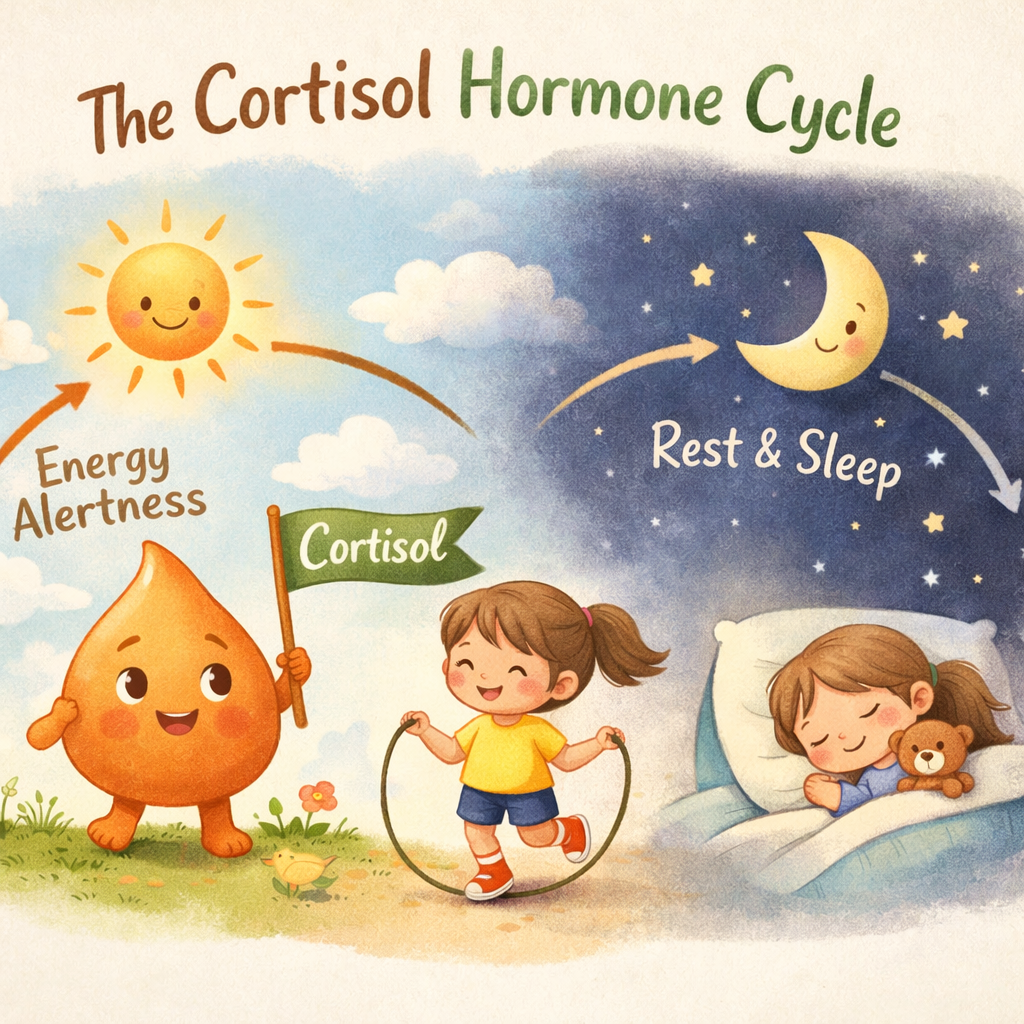
Cortisol follows a daily cycle: levels peak in the morning to help you wake up and gradually fall throughout the day, reaching their lowest at night to promote sleep.
Cortisol acts by binding to receptors in nearly every cell, making balanced levels essential for good health. When its cycle functions properly, your body manages energy and stress effectively.
How and When Cortisol Is Released
Cortisol release is a precise process that starts in the brain. The pituitary gland releases ACTH, which travels through the bloodstream to signal the adrenal glands to produce cortisol.
Cortisol levels naturally rise and fall throughout the day, following your internal clock. It isn’t just released during stress—it plays a constant role in many bodily functions. For example, morning surges help mobilize energy for the day.
During physical or emotional stress, your body increases cortisol production to help you cope by raising heart rate and blood pressure. Once the stress passes, cortisol levels return to normal.
The Link Between the HPA Axis and Cortisol Production
Cortisol production is regulated by the hypothalamic-pituitary-adrenal (HPA) axis, which coordinates your stress response and hormone balance. The HPA axis operates through a negative feedback loop: high cortisol levels signal the brain to reduce stimulation, lowering further cortisol production and preventing harmful overexposure.
The HPA axis also aligns with your sleep-wake cycle. Activity rises before waking, causing a morning surge in cortisol for alertness, and falls in the evening to promote sleep. This system helps synchronize your internal rhythms with the 24-hour day.
Understanding the Cortisol Circadian Rhythm
Your body runs on a 24-hour internal clock, with cortisol following a diurnal rhythm. Cortisol levels rise and fall in a predictable pattern tied to your daily activities. One key aspect is the cortisol awakening response—a morning spike shortly after waking that gives you energy to start your day. Next, we'll explore how this rhythm works and why these daily changes matter.
How the Cortisol Circadian Rhythm Works
The cortisol circadian rhythm is controlled by the brain’s master clock, the suprachiasmatic nucleus (SCN), which responds to light and dark cues to coordinate hormone release.
Cortisol levels start rising between 2 and 3 a.m., peaking around 8 a.m. to help you wake up and feel alert. After this peak, levels gradually decline throughout the day, reaching their lowest point in the late evening and nighttime, signaling your body to rest. This daily cycle helps regulate energy, mood, and sleep.
Why Does Cortisol Spike in the Morning and Decline at Night
The morning spike in cortisol, known as the cortisol awakening response (CAR), is a natural process that occurs 30–45 minutes after waking. It boosts alertness, mobilizes energy, and prepares your body for the day—a proactive measure, not a stress reaction. The strength of this response reflects adrenal health.
As the day goes on, cortisol levels drop, reaching their lowest around midnight. This decline is crucial for relaxation and sleep; elevated nighttime cortisol can disrupt rest. A healthy rhythm depends on this daily decrease.
Cortisol’s Daily Fluctuation and Timing Patterns
Cortisol levels fluctuate throughout the day, guided by your body’s internal clock and external factors. The most notable rise occurs in the early morning, influencing your energy for the day.
Recognizing these timing patterns can help you determine if your cortisol follows a healthy rhythm. Levels typically peak in the early morning and reach their lowest point at midnight.
Here’s a simplified daily cortisol cycle:
|
Time of Day |
Typical Cortisol Level |
|---|---|
|
Early Morning (6-8 AM) |
Highest—promotes wakefulness |
|
Midday (Noon) |
Decreasing—falls after morning peak |
|
Late Afternoon (4 PM) |
Lower—continues to decline |
|
Evening (8 PM) |
Low—prepares body for sleep |
|
Night (Midnight) |
Lowest—enables deep sleep |
Connection Between Cortisol and the Sleep-Wake Cycle
Cortisol and your sleep-wake cycle are closely linked. Cortisol signals your body when to be alert or rest, with its daily rise and fall affecting your energy and sleepiness.
A healthy cortisol rhythm supports regular sleep. High morning cortisol boosts wakefulness, while low nighttime cortisol helps you wind down for sleep. Next, we’ll look at how cortisol impacts falling asleep and waking up, and what happens when this balance is disrupted.
Effects of Cortisol on Waking Up and Falling Asleep
Cortisol plays a key role in waking up. The cortisol awakening response is a rapid surge in cortisol shortly after you open your eyes, acting as a natural stimulant that boosts energy and alertness for the day.
This morning spike activates your nervous system, helping you feel focused and ready to go. Without it, you may feel groggy and sluggish.
To fall asleep easily, cortisol levels must be low. As evening approaches, healthy sleep cycles reduce cortisol production. If cortisol stays high at night, it can keep you alert and make it hard to sleep. Cortisol’s effect on the sleep-wake cycle is a delicate balance.
How Poor Sleep Affects the Cortisol Cycle
Poor sleep and cortisol have a bidirectional relationship—each disrupts the other. High cortisol can impair sleep, while poor sleep can throw off your cortisol rhythm. Conditions like insomnia or sleep apnea often cause elevated nighttime cortisol, when it should be lowest.
This creates a vicious cycle: high nighttime cortisol makes it harder to sleep, and poor sleep further dysregulates cortisol. Over time, this flattens the normal curve, resulting in low morning and high nighttime cortisol.
Chronic disruptions can lead to fatigue, poor concentration, a weakened immune system, and increased cravings for unhealthy foods. Addressing sleep issues is key to restoring healthy cortisol levels and preventing long-term health problems.
Tips to Support a Healthy Sleep-Wake Cycle via Cortisol Balance
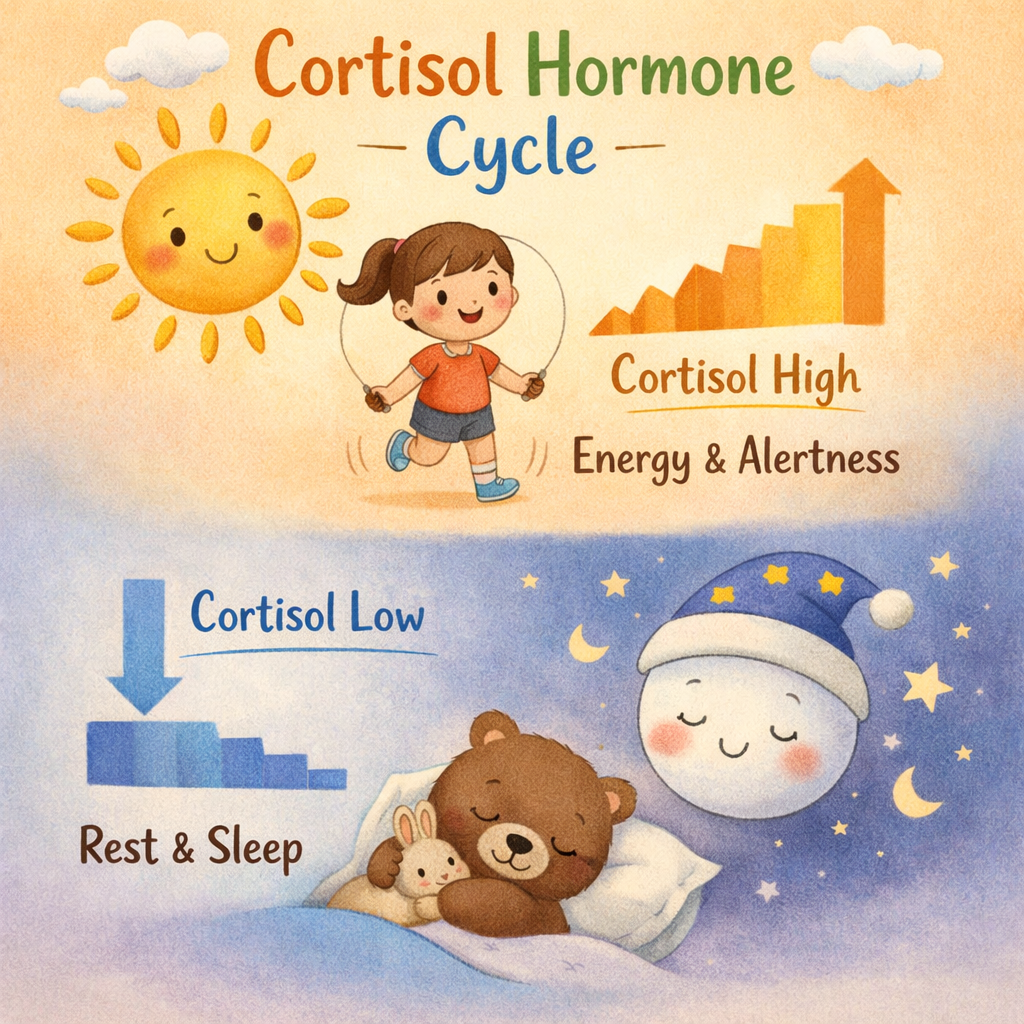
Achieving cortisol balance is key to maintaining a healthy sleep-wake cycle. By adopting certain lifestyle habits, you can help regulate your cortisol levels and improve your sleep quality. The goal is to reinforce your body's natural rhythm.
Effective stress management is one of the most powerful tools. Chronic stress keeps cortisol levels elevated, so incorporating relaxation techniques like meditation, deep breathing, or yoga can signal to your body that it's safe to power down. Regular physical activity is also beneficial, but try to avoid intense workouts close to bedtime, as they can temporarily raise cortisol.
Here are a few practical steps you can take to support your sleep-wake cycle:
- Stick to a Consistent Schedule: Go to bed and wake up at the same time every day, even on weekends, to regulate your body's internal clock.
- Create a Relaxing Bedtime Routine: Dim the lights, avoid screens, and engage in a calming activity like reading to help lower cortisol levels before sleep.
- Get Morning Sunlight: Exposure to natural light shortly after waking up helps reinforce your cortisol awakening response and sets your circadian rhythm for the day.
Factors That Can Disrupt the Natural Cortisol Cycle
The cortisol cycle is meant to be stable, but modern factors like chronic stress, poor diet, and irregular sleep can disrupt it, causing high or abnormal cortisol levels. Shift work and jet lag also interfere by forcing your body out of its natural rhythm. Understanding these disruptors helps you identify what may affect your cortisol and overall health. Let's look at some key factors in detail.
Chronic Stress and Its Impacts on Cortisol
Chronic stress is a major disruptor of the natural cortisol cycle. While short-term stress is normal, ongoing stress keeps your body in "fight or flight" mode, causing cortisol levels to remain high. This constant elevation exhausts your adrenal glands and throws off the HPA axis.
As a result, chronic stress can lead to anxiety, depression, digestive issues, heart disease, and sleep problems. Effective stress management is essential not only for mental health but also for restoring hormonal balance and protecting physical health from the harmful effects of prolonged stress.
The Influence of Shift Work and Jet Lag
Shift work and jet lag disrupt your body's internal clock, directly affecting cortisol rhythms. Night shift workers must be active when cortisol is low and rest when it’s high, flattening the normal curve. This can cause fatigue during work and alertness when trying to sleep, increasing long-term risks for metabolic syndrome and heart disease.
Jet lag similarly throws off cortisol cycles, leaving your body aligned with your home time zone while you adjust to a new one. It can take days for cortisol levels to normalize, leading to fatigue, insomnia, and digestion issues.
Effects of Irregular Sleep Schedules and Light Exposure
Light exposure, especially blue light from screens, strongly affects your circadian rhythm. At night, using phones or computers signals your brain that it's daytime, reducing melatonin and disrupting cortisol levels. This can make it harder to fall asleep.
Irregular sleep schedules also confuse your internal clock, preventing a consistent hormone release and leading to grogginess in the morning.
Together, inconsistent sleep and late-night screen use can cause sleep disorders and chronic cortisol disruption. To stay healthy, keep a regular sleep routine and avoid bright screens before bed.
Recognizing Signs and Symptoms of an Abnormal Cortisol Cycle
When your cortisol cycle is out of balance, your body often sends signals that something is amiss. These signs can be subtle at first but may develop into more significant health issues over time. Recognizing these symptoms is key to taking action before long-term problems arise.
Symptoms of an abnormal cortisol cycle can manifest both physically and emotionally. They can range from feeling constantly tired or "wired" to experiencing unexplained weight changes, high blood pressure, or muscle weakness. Let's look at these clues more closely to help you identify potential imbalances in your cortisol levels.
Physical and Emotional Clues of Disrupted Cortisol Rhythms
A disrupted cortisol rhythm can show up in various physical and emotional ways. Since cortisol influences so many bodily functions, from metabolism to immune function, the symptoms can be widespread. One common sign is feeling "tired but wired," especially at night, where you're exhausted but can't seem to fall asleep.
On the emotional front, an imbalance can affect your mood significantly. You might experience increased anxiety, irritability, or feelings of depression. Difficulty concentrating, often described as "brain fog," is another common complaint when cortisol rhythms are off-kilter.
Here are some specific symptoms that might indicate an abnormal cortisol cycle:
- Persistent fatigue, especially in the morning, even after a full night's sleep.
- Unexplained weight gain, particularly around the abdomen.
- Frequent illnesses, suggesting a weakened immune response.
- Craving salty or sugary foods.
Impact on Metabolism, Weight, and Immune Function
An abnormal cortisol cycle can significantly disrupt metabolism. Chronically high cortisol slows your metabolic rate, promotes fat storage—especially in the abdomen—and raises the risk of heart disease and diabetes.
This imbalance makes managing weight difficult. High cortisol often leads to weight gain, while very low levels (adrenal insufficiency) can cause unintentional weight loss. Cortisol also increases appetite and cravings for high-calorie foods.
Cortisol directly affects immunity. While it’s anti-inflammatory in the short term, persistently high levels suppress immune function, increasing infection risk. A disrupted cycle can also drive chronic inflammation and autoimmune issues as immune regulation declines.
When to Seek Medical Advice for Cortisol Issues
While minor cortisol fluctuations can often be managed with lifestyle changes, some symptoms require medical attention. Persistent, unexplained issues that impact your quality of life—such as chronic fatigue unrelieved by rest, significant weight changes, muscle weakness, low blood pressure, dizziness, or ongoing mood changes—are cause for concern.
These may signal serious conditions like Cushing’s syndrome (high cortisol) or Addison’s disease (low cortisol), which need professional diagnosis and treatment. If you suspect abnormal cortisol levels are affecting your health, consult a doctor for proper testing and guidance.
Managing and Supporting a Healthy Cortisol Rhythm
The good news is that you have a great deal of control over your cortisol rhythm. By making conscious choices in your daily life, you can support this crucial hormonal cycle and improve your overall health. The key lies in creating a lifestyle that reinforces your body's natural patterns.
Strategies focus on fundamentals like stress management, diet, regular physical activity, and consistent sleep. These pillars work together to help regulate your cortisol levels, promoting energy during the day and restorative rest at night. Let's explore some practical ways to achieve this balance.
Lifestyle Strategies for Balancing the Cortisol Cycle
Adopting specific lifestyle strategies can be highly effective in resetting an irregular cortisol rhythm. The goal is to send consistent cues to your body that align with a natural 24-hour cycle. Prioritizing stress management is perhaps the most critical step, as chronic stress is a primary driver of cortisol dysregulation.
Engaging in regular physical activity also helps, but timing is important. Morning or early afternoon exercise can reinforce a healthy morning cortisol surge, while intense evening workouts might disrupt the natural decline needed for sleep. Consistency in your sleep-wake cycle is equally vital for anchoring your internal clock.
Here are some powerful lifestyle strategies to implement:
- Prioritize a Consistent Sleep Schedule: Go to bed and wake up at the same time daily to stabilize your sleep-wake cycle.
- Get Morning Sunlight: Spend at least 15-20 minutes outdoors shortly after waking to help set your cortisol rhythm for the day.
- Practice Mindful Relaxation: Incorporate activities like meditation, yoga, or deep breathing into your daily routine to lower stress.
- Limit Caffeine and Alcohol: Avoid caffeine in the afternoon and evening, and limit alcohol, as both can interfere with cortisol and sleep.
The Role of Diet, Exercise, and Relaxation
Your diet plays a direct role in managing cortisol. Eating whole, nutrient-dense foods helps stabilize your blood sugar levels. Large spikes and crashes in blood sugar can trigger cortisol release, so avoiding processed foods and refined sugars is beneficial. Focus on a balanced intake of protein, healthy fats, and complex carbohydrates with each meal.
Regular physical activity is a fantastic way to manage stress levels and improve your resilience to it. Moderate exercise like brisk walking, swimming, or cycling can help lower cortisol over time. However, be mindful not to overdo it, as overly intense exercise can be a physical stressor that raises cortisol.
Finally, a commitment to relaxation is non-negotiable for cortisol balance. Activities that activate the parasympathetic nervous system—your body's "rest and digest" mode—are particularly effective. This includes mindfulness meditation, gentle yoga, spending time in nature, or even listening to calming music. Making time for these practices helps counteract the daily stressors that can elevate cortisol.
Medical Testing and Treatment Options
If lifestyle changes aren't enough to resolve your symptoms, a healthcare provider can recommend specific medical tests. The most common way to measure your cortisol response is through blood, urine, or saliva samples. Saliva testing is particularly useful for mapping your cortisol rhythm, as samples can be collected at multiple times of the day to see if your levels are peaking and falling appropriately.
A serum cortisol test measures the level in your blood at a specific time, while a 24-hour urinary test provides an average of cortisol excretion over a full day. A systematic review of your symptoms alongside these test results can help your doctor diagnose underlying health issues.
Treatment will depend on the diagnosis. For adrenal insufficiency, hormone replacement therapy may be necessary. For chronically high cortisol, treatment may involve medication, surgery (if a tumor is the cause), or targeted therapies. In many cases, a provider will work with you to create a comprehensive plan that includes lifestyle modifications, nutritional support, and stress management techniques.
Conclusion
Understanding the cortisol hormone cycle is essential for maintaining overall health and well-being. By recognizing its fluctuations throughout the day, you can better manage stress and support a healthy sleep-wake cycle. It's vital to be aware of factors that can disrupt this natural rhythm, such as chronic stress or irregular sleep patterns, as they can lead to significant impacts on your physical and emotional health. Implementing lifestyle strategies, including diet, exercise, and relaxation techniques, can help balance your cortisol levels effectively. If you feel overwhelmed or suspect an abnormal cortisol cycle, don’t hesitate to seek professional advice.
For personalized insights and support, consider booking a consultation or call daar at 02 9133 2500 to explore ways to optimize your hormonal health.
Frequently Asked Questions
When is cortisol released most during the day?
The cortisol hormone is released most in the morning. As part of its natural diurnal rhythm, your levels of cortisol peak about 30-60 minutes after waking up. This surge, known as the cortisol awakening response, helps provide the energy and alertness you need to start your day.
How does the cortisol circadian rhythm relate to my overall health?
A healthy cortisol rhythm is fundamental to your overall health. It regulates crucial physiological processes, including metabolism, immune function, and your response to the stress hormone. An imbalanced cycle can disrupt sleep, affect your weight and mood, and weaken your body's ability to handle stress effectively over time.
What practical steps can help reset an irregular cortisol cycle?
To reset an irregular cortisol cycle, focus on consistent routines. Maintain a regular sleep-wake cycle, get morning sunlight, and incorporate stress management techniques like meditation. Regular physical activity and a balanced diet can also significantly help regulate the cortisol hormone and support a healthy rhythm.
.svg)




.svg)