
.png?width=48&height=48&name=Group%201%20(3).png)
























16 April, 2026

Understanding Cortisol Levels in Kids: A Parent's Guide
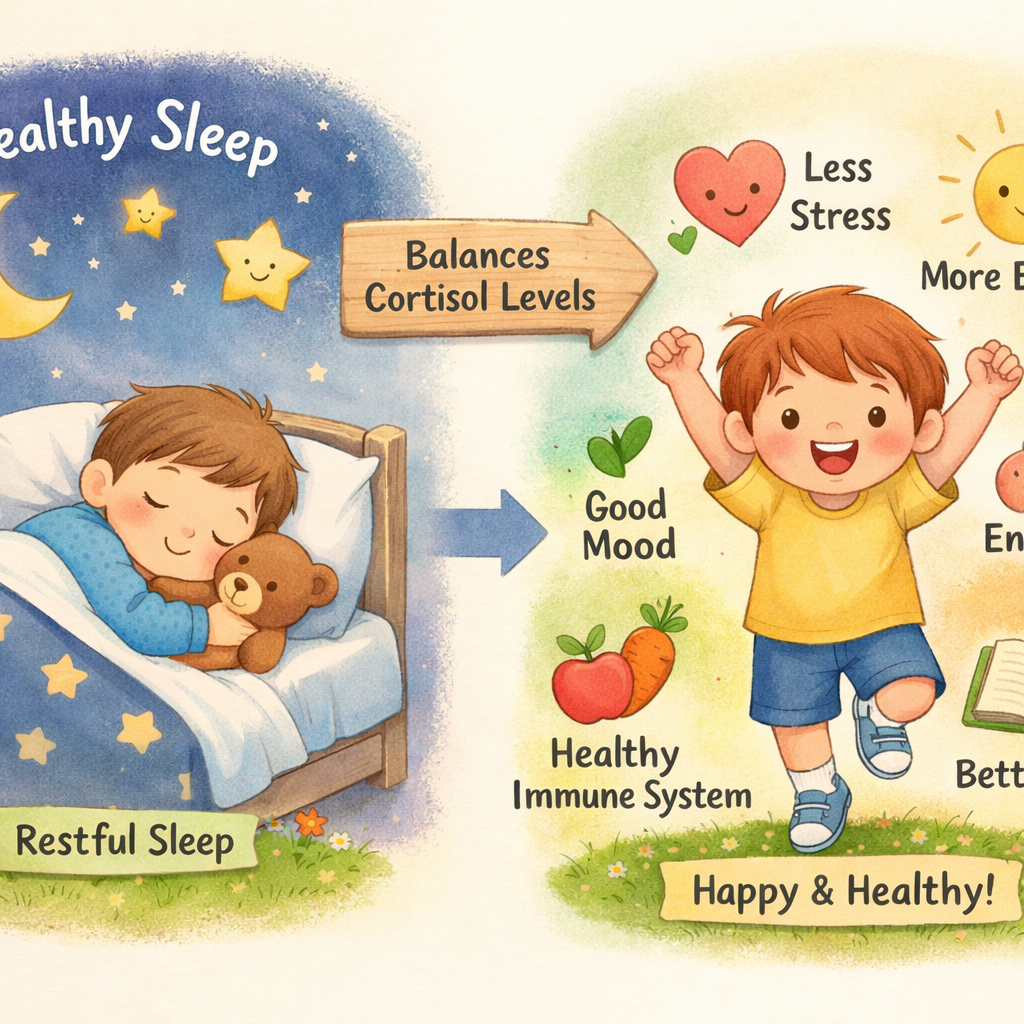
As parents, we spend a lot of time tracking our children’s visible milestones—their first steps, their first words, and their sudden growth spurts that leave their pants too short. However, some of the most critical milestones in a child’s life happen entirely behind the scenes, driven by an invisible network of chemical messengers called hormones, including the hormone cortisol. Normal cortisol levels in children can vary depending on the time of day and the child’s age, but typically, morning blood cortisol levels in children range from about 5 to 25 micrograms per deciliter (mcg/dL). These levels naturally decrease throughout the day as part of the body’s daily rhythm.
What are cortisol levels in early childhood predictive of?
Cortisol levels in early childhood can predict various developmental outcomes, including stress response and emotional regulation. Elevated cortisol may indicate anxiety or behavioural issues, while lower levels can suggest resilience. Monitoring these levels helps parents and caregivers understand a child's well-being and potential future challenges related to stress. Additionally, abnormally high cortisol levels in children can be a sign of Cushing Syndrome, a condition where the body produces too much cortisol. Cushing Syndrome in children can lead to symptoms such as rapid weight gain, growth delays, and high blood pressure, making it important to evaluate cortisol levels for early detection and intervention.
Among these chemical messengers, cortisol stands out as a heavyweight champion in managing various health conditions. Frequently labeled as the body’s "stress hormone," cortisol often gets a bad reputation. But in reality, cortisol is a key hormone that plays an essential, positive role in how children grow, respond to daily stress, and develop emotionally and physically.
While healthy, balanced cortisol levels are absolutely essential for normal functioning, chronic imbalances, including when there is too much cortisol, can quietly wreak havoc. When this delicate hormonal system gets thrown off track, it can severely affect a child’s sleep, behaviour, learning capacity, and overall development.
In this comprehensive guide, we will explore exactly what salivary cortisol levels in kids mean, break down how these vital hormones and child development are inextricably linked, and provide actionable, parent-friendly strategies to support your child’s hormonal health.
What Are Cortisol Levels in Kids?
To understand how cortisol impacts your child, it is helpful to know where it comes from and how it operates. Cortisol is a steroid hormone produced by the adrenal glands, which are two tiny, walnut-shaped organs sitting just above the kidneys. Children with congenital adrenal hyperplasia (CAH) may have different cortisol production. Once released into the bloodstream, cortisol acts as the body's chief energy manager and built-in alarm system.
Cortisol operates on a natural 24-hour cycle known as the diurnal rhythm. In a healthy child, cortisol values naturally rise in the early morning hours. This morning spike is exactly what helps your child wake up, feel alert, and have the physical energy to tackle a day of school and play. As the day progresses, cortisol levels slowly and steadily decrease, reaching their lowest point late at night to allow the body to relax, wind down, and transition into deep sleep.
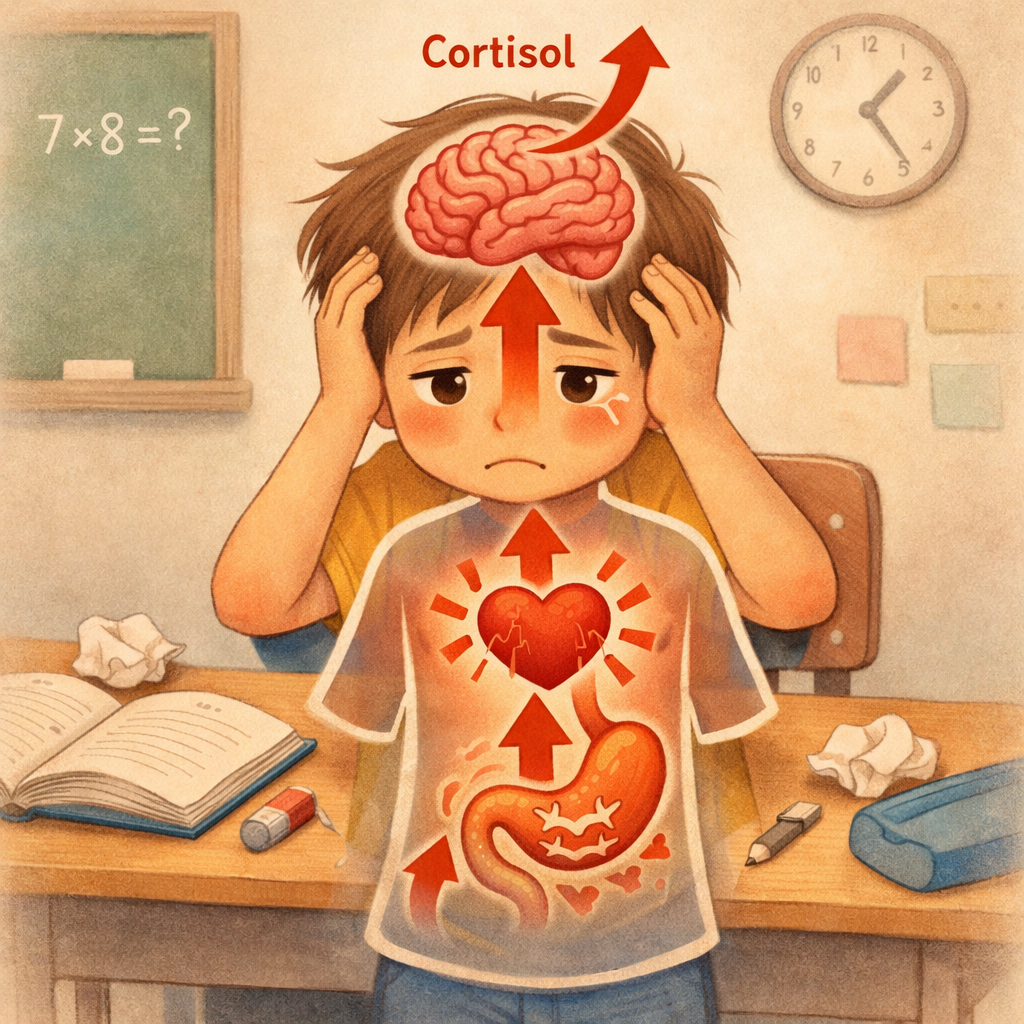
This daily cycle is incredibly important for maintaining healthy energy, a stable mood, and proper body function. However, cortisol levels can be assessed through a blood sample, and it is also highly reactive to a child's environment. When a child faces stress—whether it is a physical threat, an emotional upset, or an overloaded schedule—their body pumps out extra cortisol to help them manage the challenge.
When cortisol levels become consistently too high or too low due to unrelenting chronic stress or poor lifestyle factors, this biological rhythm breaks down, leading to not enough cortisol for a child’s development. That is when a child’s development can be significantly disrupted.
How Hormones Affect Child Development
Hormones govern almost every physiological process in a growing body. When cortisol levels are balanced, a child thrives. But when cortisol levels remain elevated for long periods, and a physical exam is performed, the effects ripple through four major areas of child development:
1. Brain Development and Learning
Balanced hormones like cortisol help regulate memory, attention span, and a child's ability to absorb new information. A healthy burst of cortisol can actually sharpen focus to help a child ace a spelling test. But chronic high cortisol, often detected through a cortisol blood test, is toxic to the developing brain. It specifically targets the hippocampus—the brain's center for learning and memory. Disrupted, elevated cortisol levels cause brain fog, make it difficult to follow instructions, reduce concentration, and can lead to a noticeable drop in academic performance.
2. Sleep and Recovery
Sleep and cortisol are locked in a continuous biological dance. Cortisol works opposite to melatonin, the hormone responsible for making us tired. When it is time for bed, cortisol must step back so melatonin can take the lead. Imbalanced cortisol levels—especially cortisol that remains high in the evening due to stress or screen time—act as a roadblock to sleep, which may lead to side effects such as profound difficulty falling asleep, frequent nighttime awakenings, and a lack of the deep, restorative sleep necessary for cognitive recovery.
3. Emotional Regulation
Hormonal balance heavily supports mood stability. The brain's emotional threat center, the amygdala, is highly sensitive to cortisol. When cortisol is chronically high, the brain remains in a constant state of "fight or flight," scanning the environment for danger. This highly reactive state may contribute to severe anxiety, sudden irritability, aggressive behaviour, and massive emotional outbursts over seemingly minor frustrations. Consulting a healthcare provider can help in managing these symptoms effectively.
4. Physical Growth
Healthy hormone function supports bone growth, immune strength, and overall physical development during childhood. Because chronic stress keeps the body in survival mode, it prioritizes immediate energy over long-term building projects. Sustained high cortisol can actually suppress the release of human growth hormone (HGH) and weaken the immune system, leaving the child more susceptible to catching illnesses, potentially slowing their physical growth trajectory, and contributing to unwanted weight gain.
What Causes Imbalanced Cortisol Levels in Kids?
Children do not have to worry about paying bills or meeting work deadlines, but their nervous systems are uniquely vulnerable to their own environmental pressures, including issues related to low blood sugar. If a child’s hormones are out of balance, it is usually tied to one of these common modern triggers:
- Chronic stress or anxiety: High-pressure academic environments, bullying, social struggles with peers, or sensing tension and frequent conflict at home.
- Poor sleep habits or irregular routines: Inconsistent bedtimes that change wildly from day to day prevent the body from establishing a predictable cortisol rhythm.
- Excessive screen time before bed: The artificial blue light emitted by tablets, TVs, and smartphones tricks the brain into thinking it is daytime, triggering cortisol release and suppressing melatonin just when the child should be winding down.
- Lack of physical activity: A sedentary lifestyle allows stress hormones to build up in the bloodstream without a physical outlet to burn them off.
- Overstimulation and busy schedules: Shuttling a child from school to tutoring, then to sports practice, leaving them with zero unstructured downtime to simply rest and let their nervous system decompress.
How to Support Healthy Hormones in Children
The good news is that a child’s hormonal system is incredibly resilient. By making a few intentional lifestyle adjustments, you can actively help your child lower their stress hormones and mitigate effects of toxic stress, returning to a state of healthy balance.
Maintain Consistent Sleep Schedules
The human body craves predictability. Establish a firm, consistent bedtime and wake-up time for your child, and stick to it even on the weekends. Following a predictable, 30-minute calming bedtime routine (like a warm bath and reading a book) helps signal to their endocrine system that it is safe to lower cortisol and release sleep-inducing melatonin, much like findings in a systematic review.
Encourage Outdoor Play and Physical Activity
Movement is the body's natural pressure-release valve for stress. Encourage at least 60 minutes of active, unstructured play every day. Furthermore, getting your child outside in the natural morning sunlight helps reinforce their healthy diurnal rhythm, signaling their body to produce that vital morning cortisol peak, which can be monitored through a blood test, so they can sleep better at night.
Reduce Screen Time, Especially at Night
Implement a strict "digital curfew" in your home. Turn off all screens at least one to two hours before bedtime to protect your child from stimulating blue light and the fast-paced, adrenaline-inducing content found in video games and social media, especially in cases where your child may need to undergo major dental work.
Provide a Calm and Supportive Home Environment
Children absorb the emotional energy of the adults around them. Provide a peaceful, supportive home environment where they feel safe expressing their feelings, as this can create a significant difference in their emotional development. Build 'white space' into the family calendar so they aren't constantly rushing from one activity to the next.
Teach Simple Relaxation Techniques
Empower your child with tools to independently lower their own stress hormones and manage the level of cortisol. Teach simple relaxation techniques like deep "belly breathing," counting slowly to ten, or listening to calm instrumental music. When kids know how to self-soothe, they can actively quiet their own "fight or flight" response.
Give Your Child the Foundation to Thrive! (CTA)
Support your child’s healthy development by focusing on balanced hormones and strong, consistent sleep habits. By taking small steps to reduce daily stress and prioritize rest, you are setting them up for a lifetime free from physical health problems while promoting physical and emotional wellness.
Ready to help your family thrive? Reach out for a consultation or call daar at 02 9133 2500 for more expert parenting tips on child health, sleep strategies, and emotional well-being delivered straight to your inbox!
Frequently Asked Questions (FAQs)
1. What do cortisol levels mean in kids?
Cortisol levels refer to the specific amount of the steroid "stress hormone" currently circulating in a child’s bloodstream. In a healthy child, these levels follow a daily rhythm—peaking in the morning to provide waking energy and focus, and gradually dropping to their lowest point at night to allow the body to rest. They also dictate how a child's body naturally responds to and recovers from stressful situations, which can include conditions like low blood pressure during an adrenal crisis.
2. Can high cortisol affect child development?
Yes, consistently high cortisol levels can severely impact child development, including children with conditions like Addison’s disease. When a child is exposed to chronic stress, elevated cortisol keeps their body in survival mode. Over time, this can disrupt sleep quality, increase aggressive or anxious behaviour, impair memory and learning in the classroom, and even suppress physical growth and immune system function.
3. How can I help balance my child’s hormones naturally?
You can naturally support your child's hormonal balance by establishing a highly predictable daily routine. Ensuring they get the recommended 9-12 hours of healthy sleep, encouraging daily physical activity and outdoor play, strictly limiting evening screen time, and teaching them simple stress reduction techniques (like deep breathing) over a long time are the most effective ways to keep their cortisol levels perfectly balanced.
.svg)




.svg)