
.png?width=48&height=48&name=Group%201%20(3).png)























13 March, 2026

Understanding Cortisol and Autism: A Comprehensive Guide

Key Highlights
- Individuals with autism spectrum disorder often show different cortisol levels compared to neurotypical people.
- The body's stress response system, the HPA axis, can have increased stress reactivity in autistic individuals.
- Many on the spectrum experience atypical cortisol response patterns, especially after stressful events.
- Chronic stress can significantly impact the well-being and daily functioning of people with autism.
- Understanding these cortisol differences is key to developing better support strategies for managing stress.
Introduction
Have you ever wondered about the connection between stress and autism? This guide explores the relationship between cortisol, the body's main stress hormone, and autism spectrum disorder. We will look at how differing cortisol levels can affect individuals on the spectrum and influence their daily experiences. By understanding how stress levels and the body's response system work in autism, we can find better ways to provide support, manage challenges, and improve overall well-being. Let's explore the science behind cortisol and autism.
The Role of Cortisol in the Body
Cortisol, often called the "stress hormone," plays a much broader role in cortisol secretion. Regulated by the HPA axis, it helps manage metabolism, reduce inflammation, and control the sleep-wake cycle. Cortisol levels naturally fluctuate throughout the day to prepare you for daily demands.
Researchers measure cortisol samples in several ways to study stress. Salivary cortisol is a common, non-invasive method for tracking short-term changes. Though not discussed in the provided research, hair cortisol measurement is also being explored to assess long-term stress, especially in individuals with autism. This section explains what cortisol is and how it works.
What is Cortisol?
Cortisol is a steroid hormone made by your adrenal glands, located above your kidneys. Its main role is to help the body respond to stress, but it also supports several other functions—like a built-in alarm system.
When your brain senses a threat, it triggers cortisol release. This hormone mobilizes energy, boosts alertness, and prepares you to face challenges. Researchers measure cortisol levels through blood, urine, or saliva tests to understand how this system works.
Prolonged high cortisol can negatively affect the brain, especially the hippocampus, which is vital for memory. Chronic stress may disrupt cognitive function and brain development in people with autism, impacting learning and information processing.
How Cortisol Functions as a Stress Hormone
When you face stress, your body triggers the "fight or flight" response, with cortisol playing a central role. This hormone boosts energy and focus to handle immediate threats—essential for survival.
Cortisol releases glucose for energy, suppresses non-essential functions like digestion, and sharpens attention. While helpful short-term, constant high stress leads to chronically elevated cortisol.
Chronic stress is linked to worsening autism symptoms. Persistent high cortisol can increase repetitive behaviors or social withdrawal, keeping the body on high alert and exhausting the stress response system over time.
Regulation of Cortisol Release
Cortisol release is tightly regulated by the Hypothalamic-Pituitary-Adrenal (HPA) axis, which operates on a feedback loop. The brain signals for cortisol, the adrenal glands produce it, and once enough is present, the brain tells the glands to stop.
Cortisol levels follow circadian rhythms: highest in the morning to help you wake up, decreasing throughout the day, and lowest at night for sleep. This daily pattern is vital for health and energy.
Many people with autism have abnormal cortisol rhythms, often due to a less effective HPA axis feedback. Tests like the dexamethasone suppression test show that some autistic individuals may not regulate cortisol as efficiently, leading to prolonged release after stress and disruptions in daily patterns.
The Hypothalamic-Pituitary-Adrenal (HPA) Axis
The Hypothalamic-Pituitary-Adrenal (HPA) axis is your body’s main stress response system, linking the hypothalamus and pituitary gland in the brain to the adrenal glands above the kidneys.
During stress, the hypothalamus triggers the pituitary gland, which then signals the adrenal glands to release cortisol, preparing your body to face threats.
In people with autism, this response is often heightened. Their HPA axis may produce more cortisol during stress and take longer to return to normal levels, indicating dysregulation in how their body manages stress.
Understanding Autism Spectrum Disorder (ASD)
Autism Spectrum Disorder (ASD) is a neurodevelopmental disorder that affects how a person communicates, interacts with others, and experiences the world. The term "spectrum" highlights the wide variation in strengths and challenges among individuals on the autism spectrum. No two autistic people are the same.
The diagnosis of autism is based on observing behaviors and developmental history, as outlined in criteria such as the Diagnostic and Statistical Manual of Mental Disorders, including the Autism Diagnostic Observation Schedule (ADOS). While ASD is one of the more common developmental disabilities, the underlying neurobiology is still being explored. This section will delve into the core features of this spectrum disorder and its prevalence.
Core Features of Autism
Autism spectrum disorder is defined by a specific set of characteristics that affect behavior and development. These core features are generally present from early childhood, though they may not be fully recognized until social demands increase. The symptoms of autism can vary greatly from one person to another.
The primary features fall into two main categories: challenges with social communication and interaction, and the presence of restricted or repetitive behaviors and interests. Social difficulties can include trouble with back-and-forth conversation, understanding nonverbal cues, and developing relationships. Stress can significantly affect social functioning in adults with autism, as heightened anxiety may make navigating complex social situations even more draining and difficult.
Repetitive behaviors can manifest in several ways. Common examples include:
- Repetitive motor movements, like hand-flapping or rocking.
- Insistence on sameness and strict adherence to routines.
- Highly focused interests in specific topics.
- Unusual responses to sensory input, such as over- or under-sensitivity to sounds, textures, or lights.
Prevalence of Autism in Australia
Understanding the prevalence of autism helps provide context for its impact on communities, including comparisons with healthy controls. While the provided research focuses on the United States, citing that 1 in 111 children have an Autism Spectrum Disorder, these figures are relevant globally, including for Australian families. Similar trends in diagnosis are seen worldwide, reflecting increased awareness and improved diagnostic methods.
The rising prevalence has spurred a great deal of research, with findings often published in academic sources like Google Scholar or a section of the journal Frontiers. This research aims to understand the neurobiology of autism, including the stress response and addresses important research questions. Studies consistently show that autistic children can exhibit higher cortisol levels during stressful situations compared to their neurotypical peers, indicating a more sensitive biological reaction to stress.
The data from the United States provides a useful benchmark for comparison.
|
Country |
Prevalence Estimate |
Additional Information |
|---|---|---|
|
United States |
1 in 111 children |
4-5 times more common in males than females |
This information highlights the significant number of families affected by autism and the importance of continued medical research into its causes and effective support strategies.
Common Stressors for Individuals with Autism
For individuals with autism, the world can present a unique set of stressors that may not be as challenging for neurotypical people. These stressful situations can trigger a strong physiological and emotional response, impacting mental health and daily life in the context of J Autism Dev Disord.
Many stressors are rooted in the core features of autism. Social stress is a major factor. Navigating unpredictable social interactions, interpreting subtle cues, and pressure to conform can be exhausting. This constant psychosocial stress can profoundly affect social functioning in adults with autism, leading them to avoid social events or feel drained after them. Sensory overload is another common trigger, where environments with bright lights, loud noises, or strong smells become overwhelming.
Other significant stressors for autistic individuals include:
- Changes in Routine: Unexpected alterations to a predictable schedule can cause significant distress.
- Novel Environments: New or unfamiliar places can be inherently stressful due to their unpredictability.
- Anticipation of Events: Worrying about a future event, even a pleasant one, can be a source of anxiety.
- Peer Interactions: Social demands, rejection, or bullying from peers are potent sources of stress.
Variability in Autism Presentations
One of the defining aspects of autism is the immense variability in how it presents. The term "spectrum disorder" itself emphasizes that there is no single way that people with autism show their traits. This diversity is why understanding individual differences is so crucial.
Some autistic individuals may also have an intellectual disability, while others have average or above-average intelligence. Similarly, language abilities can range from non-verbal to highly articulate. The intensity of sensory sensitivities and the nature of repetitive behaviors also differ from person to person, contributing to their total score. This heterogeneity makes it challenging to draw universal conclusions about the autistic experience.
This variability extends to biological responses, including cortisol patterns. Abnormal cortisol rhythms are common in autism, but the specific patterns can differ. Factors like the severity of traits, co-occurring conditions, and even temperament can influence why an individual's stress response system functions differently. These individual differences contribute to the mixed findings in research and highlight the need for personalized approaches to support.
The Relationship Between Stress Hormones and Autism
The connection between stress hormones, like cortisol, and the autism spectrum is a key area of research. Many studies suggest that the body's system for managing stress operates differently in autistic individuals. This can lead to a heightened cortisol response to situations that others might not find stressful.
This altered response can contribute to a state of chronic stress, where the body is constantly on high alert. There is a clear link between chronic stress and the severity of autism symptoms, as prolonged high cortisol levels can amplify challenges like anxiety and repetitive behaviors. We will now explore this relationship in more detail, looking at the autism stress response and the impact of long-term stress.
The Autism Stress Response Explained
The stress response in autistic individuals is often characterized by heightened stress reactivity. This means their physiological reaction to a stressor can be more intense and last longer than that of a neurotypical person. This is due to differences in how the Hypothalamic-Pituitary-Adrenal (HPA) axis functions.
Research shows that even in response to mild stressors, such as a novel environment or a simple medical procedure like a blood draw, autistic children can have a significantly greater cortisol spike due to early life experiences. This indicates enhanced HPA activity. The system not only activates more strongly but also seems less efficient at shutting off the response, leading to a prolonged period of elevated cortisol.
The cortisol awakening response (CAR)—the natural cortisol surge upon waking—can also be different. Some studies suggest variations in the CAR might influence how autistic youth react to new situations throughout the day. These differences in how the cortisol response to stress is managed highlight a fundamental neurobiological variation in autism, contributing to their unique experience of the world.
Role of Stress Hormones Autism Connection
Stress hormones are central to the autism connection because they directly influence behavior and well-being. Cortisol, the primary stress hormone, is not just a marker of stress; it actively shapes how the brain and body function. In autism, an atypical cortisol response can create a cycle that reinforces certain traits.
For example, an individual who experiences a strong cortisol surge in response to social situations may find these interactions increasingly aversive. Over time, this can lead to greater social withdrawal and anxiety, which are common challenges in autism. The link between chronic stress and autism symptoms is evident here, as the persistent hormonal response can intensify the very difficulties the person is facing.
When the body is in a state of chronic stress, it can affect everything from sleep and digestion to emotional regulation and cognitive function. For autistic individuals, this can mean a lower threshold for becoming overwhelmed, making it harder to cope with daily demands. This sustained physiological stress is a critical factor in understanding the complete picture of autism.
Chronic Stress and Its Impact on Autistic Individuals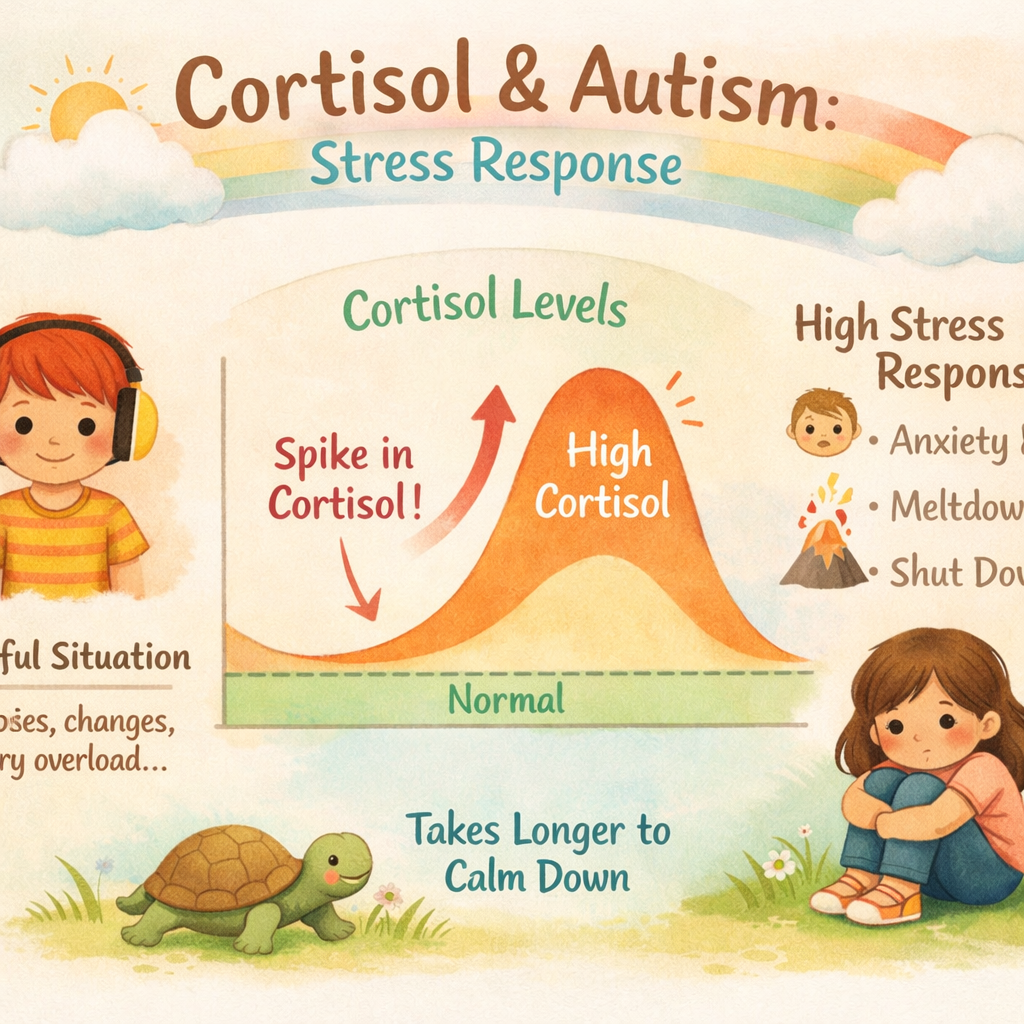
Chronic stress has a profound and often detrimental impact on autistic individuals. When the body's stress response system is constantly activated, it can lead to a state of physical and emotional exhaustion. This is particularly relevant for people with autism spectrum disorder, who may encounter more daily stressors.
The continuous elevation of stress levels can significantly affect mental health, increasing the risk for conditions like anxiety and depression. A system that is always on high alert struggles to regulate emotions, making it harder to cope with minor frustrations or changes. This establishes a clear link between chronic stress and autism symptoms, where the physiological state can exacerbate behavioral challenges.
Furthermore, long-term exposure to high cortisol can have negative effects on brain development and overall health. It can interfere with sleep, weaken the immune system, and impact cognitive processes. For autistic individuals, managing chronic stress is not just about feeling better emotionally; it is a crucial component of supporting their long-term health and well-being.
Research Linking Cortisol and ASD
A growing body of medical research explores the intricate link between higher levels of cortisol and autism spectrum disorder. Numerous studies have reported differences in cortisol concentrations in autistic individuals compared to their neurotypical peers, though the findings can be variable.
Some research indicates that autistic individuals have higher baseline cortisol levels, suggesting a state of chronic hyperarousal. Other studies find that the most significant differences in heart rate appear in response to stressors. For instance, one study found that while resting cortisol was similar, autistic children showed a much higher spike and prolonged elevation in cortisol after a blood draw.
The implications of these findings are significant. Elevated cortisol can impact cognitive function, as chronic stress has been shown to affect brain regions responsible for memory and learning, like the hippocampus. This research helps explain why some autistic individuals may struggle more with adapting to change or coping with novel situations, as their biological response to these events is more pronounced.
Typical versus Atypical Cortisol Patterns
Our bodies have a natural clock that governs cortisol release, creating a daily rhythm. A typical pattern involves high levels in the morning and a gradual decline throughout the day. However, in many autistic individuals, these cortisol rhythms are often atypical.
This can manifest as abnormal cortisol patterns, such as a flattened daily curve, elevated evening levels, or inconsistent day-to-day fluctuations. These variations suggest a dysregulation in the body's stress system. Below, we'll examine what normal cortisol rhythms look like and contrast them with the cortisol variation often seen in autism.
Normal Diurnal Cortisol Rhythms
In a typically functioning system, cortisol follows a predictable daily cycle known as a diurnal cortisol rhythm. This rhythm is a key part of our broader circadian rhythms, which regulate sleep, energy, and other bodily processes over 24 hours.
The pattern begins with the cortisol awakening response (CAR), a sharp increase in cortisol levels within 30-45 minutes of waking up. This morning surge helps you feel alert and ready for the day. Throughout the day, cortisol values gradually decrease, reaching their lowest point in the late evening to prepare your body for sleep.
These reliable rise and falls are essential for maintaining physical and mental health. It ensures you have energy when you need it and can rest and recover when you don't. Disruptions to these diurnal cortisol rhythms can lead to issues with sleep, mood, and overall well-being, which is why people with autism often show abnormal cortisol rhythms, as their regulatory systems may function differently.
Abnormal Cortisol Fluctuations in Autism
Many individuals with autism spectrum disorder exhibit abnormal cortisol fluctuations that deviate from the typical daily pattern. Instead of a clear morning peak and evening trough, their cortisol levels might be blunted in the morning, elevated at night, or show erratic, unpredictable changes from one day to the next, indicating a relationship with lower cortisol levels.
These irregularities suggest that the internal clock regulating cortisol is not functioning in a standard way. Elevated evening cortisol, for example, can interfere with sleep, while a blunted morning response might contribute to fatigue or difficulty starting the day. This dysregulation is a sign that the body's stress-response system is under strain.
Research confirms that autistic children often show higher cortisol levels during stressful situations, but these abnormal daily fluctuations indicate a more pervasive issue related to social engagement. The system appears to be in a constant state of flux, struggling to maintain a stable rhythm. This ongoing physiological stress can contribute to the behavioral and emotional challenges associated with autism.
Factors Influencing Cortisol Variation in ASD
The cortisol variation seen in autism spectrum disorder is not uniform; several factors can influence why one person's cortisol patterns differ from another's. The inherent diversity within the autistic population means that biological responses are just as varied as behavioral traits.
The reasons why people with autism often have abnormal cortisol rhythms are complex. One major factor is an individual's sensitivity to stressful situations. What one person finds mildly stimulating, another may experience as overwhelming, triggering a significant cortisol response. The cumulative effect of these daily stressors can disrupt the overall rhythm.
Other factors influencing these patterns include:
- Co-occurring conditions: Anxiety, sleep disorders, and other mental health issues common in autism can directly impact cortisol regulation.
- Severity of symptoms: Some research suggests that individuals with more severe autism traits may show greater cortisol dysregulation.
- Research methodology: Differences in study design, such as the time of day samples are collected and the sample size, contribute to the varied findings in scientific literature.
Gender and Age Differences in Cortisol Response
The way the body responds to stress is not static; it can change with age and differ between genders. In the context of autism, understanding these mean age differences and gender differences is crucial for a complete picture of cortisol dysregulation.
Research suggests that the stress response system may develop differently in autistic individuals, particularly in male children. For example, some atypical cortisol patterns might not become apparent until adolescence. One study noted that variations in the HPA axis may emerge during the teenage years, with adolescent males with Asperger Syndrome showing an altered cortisol awakening response. The hormonal changes of pubertal development can also influence stress reactivity.
How cortisol response to stress differs in people with autism can also be shaped by these developmental factors.
- Young children: Studies on young children with autism show heightened cortisol spikes in response to stressors.
- Adolescents: Puberty can introduce new changes, with some research finding that evening cortisol levels are higher in autistic teenagers compared to younger children.
- Gender: While research is still emerging, some studies show subtle differences in cortisol baselines and reactivity between autistic males and females, though results are not always statistically significant.
Cortisol Response to Stress in People with Autism
The cortisol response to stress in people with autism is often heightened and prolonged. This increased stress reactivity means their bodies react more intensely to perceived threats, leading to higher cortisol concentrations than what is seen in neurotypical individuals.
Even seemingly mild events, like a novel play session or a simple medical exam, can trigger a significant biological stress reaction. This suggests that the threshold for activating the stress system is lower. This section examines how acute and long-term stress affects cortisol regulation and its connection to autistic experiences like meltdowns.
Acute Stressors and Cortisol Spikes
Acute stress is the body's immediate response to short-term challenges. For autistic individuals, even minor events can trigger strong acute stress reactions, causing sharp spikes in cortisol.
Studies show that autistic children have higher cortisol levels during stressful events. In one study, after a routine blood draw, autistic children had a much greater and longer-lasting increase in cortisol compared to non-autistic peers.
This suggests their stress response is more reactive and slower to return to normal. The body’s “alarm” rings louder and longer, which may explain why sudden changes or disruptions are especially challenging for many autistic people.
Long-Term Stress and Cortisol Dysregulation
Frequent or constant acute stress can lead to chronic stress, disrupting the body’s stress-regulation system and often causing cortisol dysregulation. For autistic individuals facing daily social, sensory, and environmental challenges, chronic stress is common.
Prolonged stress can exhaust the HPA axis, resulting in blunted or lower morning cortisol levels instead of spikes. This is linked to burnout and fatigue.
Cortisol dysregulation—whether high, low, or erratic—impairs the body's ability to cope and disrupts natural rhythms. This can worsen anxiety, affect mood, and intensify autism symptoms, creating a difficult cycle to break.
Meltdowns, Shutdowns, and Cortisol Changes
Meltdowns and shutdowns are intense, involuntary reactions to being overwhelmed, signaling that coping capacity has been exceeded. Both are linked to the body’s stress response and significant cortisol changes.
A meltdown is an outward "explosion" of emotion or behavior; a shutdown is inward, often marked by non-verbal or unresponsive behavior. Both stem from accumulated stress and surging cortisol levels.
In autistic people, meltdowns and shutdowns directly reflect extreme physiological stress and cortisol spikes:
- Rising Stress: Accumulating stressors trigger cortisol release and activate "fight or flight."
- Overwhelm: The brain and body become overloaded, losing regulatory control.
- Exhaustion: Afterward, the person feels drained as their system recovers from the hormonal surge.
Studies of Stress Hormone Response Among Children with Autism
Research shows that children with autism spectrum disorder (ASD) have a stronger cortisol (stress hormone) response than typically developing children. Studies consistently find that autistic children not only reach higher peak cortisol levels during stressful events, such as blood draws, but also take longer to return to baseline and may exhibit lower levels of cortisol in less stressful situations. This indicates a more reactive and less efficient stress management system.
This heightened biological response may help explain why autistic children often struggle with situations like peer interactions or new environments.
|
Group |
Cortisol Response |
Recovery |
|---|---|---|
|
Children with Autism |
Higher peak cortisol levels |
Slower return to baseline |
|
Typically Developing Children |
Moderate increase |
Faster recovery |
Strategies for Supporting Healthy Cortisol Rhythms in Autism
Supporting healthy cortisol rhythms is an important step in improving the overall well-being and mental health of autistic individuals. The goal is to reduce chronic stress and help the body's regulatory systems function more effectively. Yes, regulating cortisol can improve daily life for individuals with autism by reducing anxiety and enhancing their ability to cope.
This can be achieved through a combination of strategies, including behavioral interventions that create predictable environments and relaxation techniques that actively calm the nervous system. The following sections will provide practical approaches for creating supportive routines, considering nutrition, and seeking professional help.
Behavioral and Environmental Interventions
Behavioral and environmental interventions are essential for managing stress and maintaining healthy cortisol rhythms in autistic individuals. These strategies focus on creating a predictable, supportive, and sensory-friendly environment to reduce daily stressors that trigger cortisol spikes.
Environmental modifications—like reducing clutter, using calming colors, providing noise-canceling headphones, and ensuring consistent lighting—help minimize stress. A safe space allows the nervous system to relax. Making social interactions more predictable can also lower anxiety.
Effective strategies include:
- Visual Schedules: Offer clear structure and reduce anxiety about upcoming activities.
- Sensory-Friendly Spaces: Designate quiet areas for retreat during overwhelm.
- Clear Routines: Consistent daily routines promote safety and control.
- Transition Preparation: Warnings and explanations before changes reduce transition-related stress.
Relaxation Techniques and Routine
Incorporating relaxation techniques into your daily routine can effectively manage stress and support healthier cortisol levels. These practices activate the parasympathetic nervous system, promoting the body's natural "rest and digest" response.
A consistent routine offers a sense of control, lowering stress by reducing uncertainty. Scheduling moments of calm helps your body self-regulate, and studies show those who use these techniques often have improved stress markers.
Regulating cortisol this way can enhance daily life. Try integrating:
- Deep Breathing: Techniques like box breathing quickly calm the nervous system.
- Mindfulness or Meditation: Even a few quiet minutes reduce stress.
- Special Interests: Engaging in enjoyable activities is a natural way to relax.
Nutritional Considerations
Nutrition plays a key role in managing stress and supporting brain health. The foods we choose can affect cortisol levels and nervous system balance. For autistic individuals, mindful nutrition is an important part of holistic care.
Essential nutrients support brain development and help regulate the body’s baseline activity. A balanced diet with complex carbs, healthy fats, and protein stabilizes blood sugar and mood, reducing stress spikes. Research shows that high-carb meals can affect cortisol responses to stress.
To help manage cortisol and improve well-being, focus on:
- Balanced Meals: Choose whole foods over processed, high-sugar options to prevent energy crashes.
- Hydration: Drink enough water to avoid dehydration-related stress.
- Magnesium and Omega-3s: These nutrients support the nervous system and may help regulate stress.
Role of Therapy and Professional Support
Therapy and professional support are essential for managing stress and improving mental health in autistic individuals. Qualified therapists offer personalized tools and strategies beyond what families can provide.
Autism specialists help identify unique stress triggers and teach effective coping skills. Adapted therapies like CBT build emotional regulation, while occupational therapists address sensory needs. Such support is key to long-term well-being.
Collaborative care—including parents, therapists, doctors, and educators—ensures comprehensive support. This team approach helps regulate cortisol levels and enhances daily life through consistent, expert guidance.
What Australian Families & Professionals Should Know
For Australian families and professionals supporting individuals on the spectrum, understanding the link between stress and autism is key. Recognizing that high stress levels can stem from a biological predisposition, not just behavior, changes the approach to support. After a diagnosis of autism, focusing on stress management becomes a priority.
This knowledge empowers a shift towards proactive, compassionate care. A collaborative care approach, involving everyone from parents to healthcare providers, is the most effective way to help manage these challenges. This section will cover how to recognize signs of stress and when to seek further assessment.
Recognizing Signs of Stress in Children with Autism
Recognizing stress in autistic children is crucial for effective support. These signs are often subtle and mistaken for "bad behavior" or typical autism symptoms. Early identification enables timely intervention.
Stress may not appear as crying or verbal complaints; instead, it often shows as increased autism-related behaviors like repetitive movements, stricter routines, or social withdrawal. Physiological signs—such as rapid heartbeat or sweating—may also indicate stress but are harder to notice.
Watch for changes from the child’s usual behavior. Key signs include:
- Increased Repetitive Behaviors: More frequent hand-flapping, rocking, or vocal stimming.
- Heightened Sensory Sensitivity: Greater sensitivity to sounds, lights, or textures.
- Changes in Emotional Regulation: More meltdowns, shutdowns, or irritability, often linked to cortisol changes.
When to Seek Assessment for Cortisol Issues
Many autistic individuals have atypical cortisol patterns, but formal assessment is usually reserved for specific cases. Consult a healthcare professional if you’re concerned about stress and its impact on health.
Consider seeking assessment when chronic stress severely affects daily life, such as persistent fatigue, significant sleep issues, frequent illness, or difficulty coping with minor stressors. A doctor can rule out other conditions and decide if HPA axis evaluation is needed.
Seek professional advice if you notice:
- Persistent Sleep Problems: Ongoing trouble falling or staying asleep despite good habits.
- Extreme Stress Reactivity: Frequent severe meltdowns or shutdowns beyond typical triggers.
- Physical Exhaustion: Constant fatigue, low energy, or unexplained decline in health.
A doctor may suggest cortisol testing to better understand stress responses based on current medical research.
Collaborative Care Approaches in Australia
A collaborative care approach is the gold standard for supporting autistic individuals and their families in Australia. This model unites a team of professionals—including doctors, therapists, and school staff—who work closely with families to create a comprehensive support plan addressing medical, educational, and emotional needs.
By sharing information and coordinating efforts, this team provides consistent and effective support, avoiding fragmented care or conflicting advice. For Australian families, building such a team is essential. Unlike the often-variable U.S. system, Australia’s healthcare services—including the NDIS—are structured to enable integrated care. This ensures that when you need assessments for issues like chronic stress or cortisol dysregulation, your team is ready to guide you through the process.
Recent Advances in Autism and Stress Hormone Research

The field of autism and stress hormone research is rapidly advancing, offering deeper insights into the neurobiology of autism. Recent studies are moving beyond basic correlations to uncover the underlying mechanisms between cortisol and autism spectrum disorder.
Researchers now use advanced methods and longitudinal studies to track stress responses over time, from childhood through adulthood. Work published in journals like Frontiers in Neuroscience and by the American Psychiatric Association provides a more detailed understanding, including how stress affects cognitive function and when HPA axis dysregulation occurs during development.
Recent progress focuses on:
- Developmental Trajectories: Examining how the stress response system changes during key periods like puberty.
- Intervention Efficacy: Measuring whether therapies impact stress hormone levels.
Conclusion
Understanding the link between cortisol and autism is key to managing stress in autistic individuals. Recognizing cortisol’s role as a stress hormone and its unique patterns in autism helps tailor support. Effective strategies like behavioral interventions and relaxation techniques can improve cortisol balance. Open communication among families and professionals ensures better outcomes.
For more guidance or support, contact our experts for a consultation or call daar at 02 9133 2500 and make a positive difference in the lives of those with autism.
Frequently Asked Questions
Are meltdowns and shutdowns directly related to changes in cortisol levels?
Yes, meltdowns and shutdowns are directly related to changes in cortisol levels. These events are the result of extreme stress reactivity, where the body is flooded with stress hormones like cortisol. This overwhelming physiological response exceeds the person's ability to cope, leading to an involuntary external or internal shutdown.
Can regulating cortisol improve daily life for individuals with autism?
Absolutely. Regulating cortisol levels can significantly improve daily life for individuals with autism. By promoting healthy cortisol rhythms and reducing chronic stress, a person can experience less anxiety, better sleep, improved emotional regulation, and an increased capacity to handle daily challenges, leading to enhanced overall well-being.
Why do autistic people often show abnormal cortisol patterns?
Autistic people often show abnormal cortisol patterns due to differences in the HPA axis, the body's central stress-response system, affecting the restoration of basal activity. This can lead to heightened stress reactivity and a less efficient feedback loop for shutting off cortisol production, disrupting the typical daily circadian rhythms and creating an irregular pattern.
.svg)




.svg)