
.png?width=48&height=48&name=Group%201%20(3).png)























16 April, 2026

Understanding Anxiety and Cortisol in Kids: Key Insights
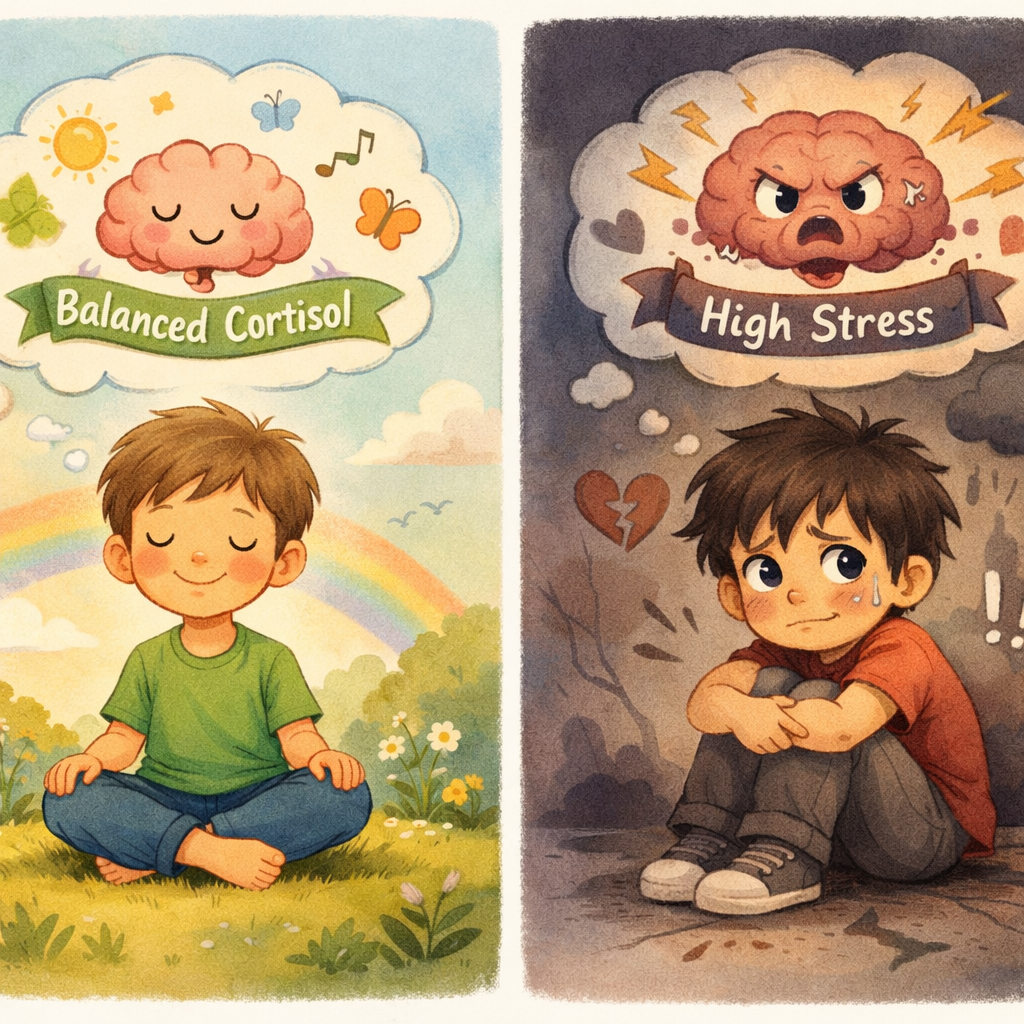
Childhood is often thought of as a carefree time filled with play, learning, and discovery. However, for many children, the reality includes carrying a heavy emotional load. Anxiety in kids is increasingly common, and as a parent, watching your child struggle with intense worry can be heartbreaking. But did you know that childhood anxiety is not just an emotional experience—it is a deeply physical one?
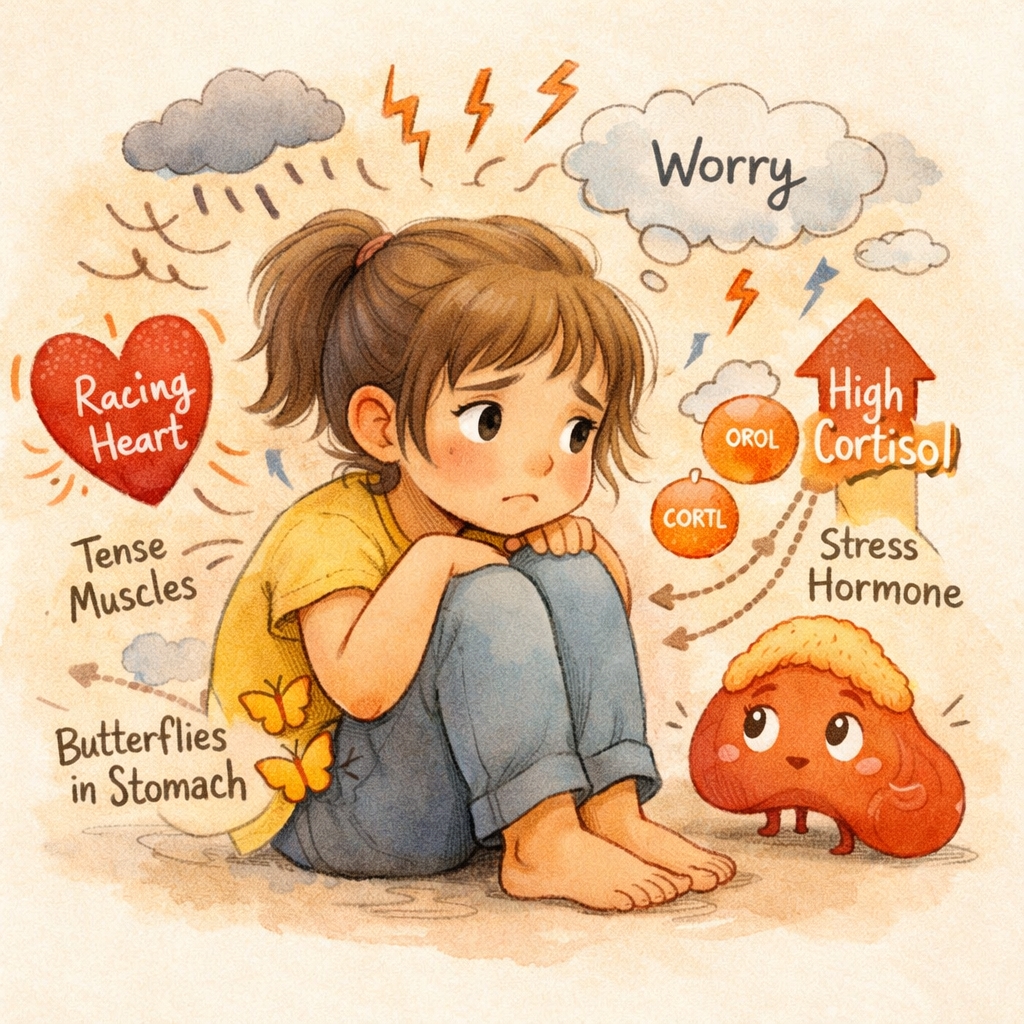
Anxiety in children is biologically linked to cortisol, the body’s primary stress hormone. When a child experiences emotional stress, fear, or intense worry, their cortisol levels rapidly rise as part of the natural “fight or flight” response. While this chemical response is incredibly helpful in short bursts—like dodging a fast-moving swing on the Playground—chronic anxiety can keep cortisol levels constantly elevated. Over time, this hormonal imbalance can negatively impact a child’s physical health, sleep quality, and overall mental development.
In this comprehensive guide, we will explore the intricate connection between anxiety and cortisol in kids, identify the physical and emotional red flags of high stress hormones, and share actionable, parent-tested strategies to support your child’s emotional well-being.
How Anxiety and Cortisol Are Connected
To understand how to help an anxious child, it is essential to understand what is happening inside their body. The human brain interprets threats using an integrated system called the HPA axis (which stands for the hypothalamus, pituitary gland, and adrenal glands). Toxic stress occurs when a child experiences strong, frequent, or prolonged adversity without adequate support. This type of stress leads to a significant and sustained increase in cortisol, the body's primary stress hormone. Over time, elevated cortisol from toxic stress can contribute to persistent anxiety in children, making it even more important to address both their stressors and their emotional needs.
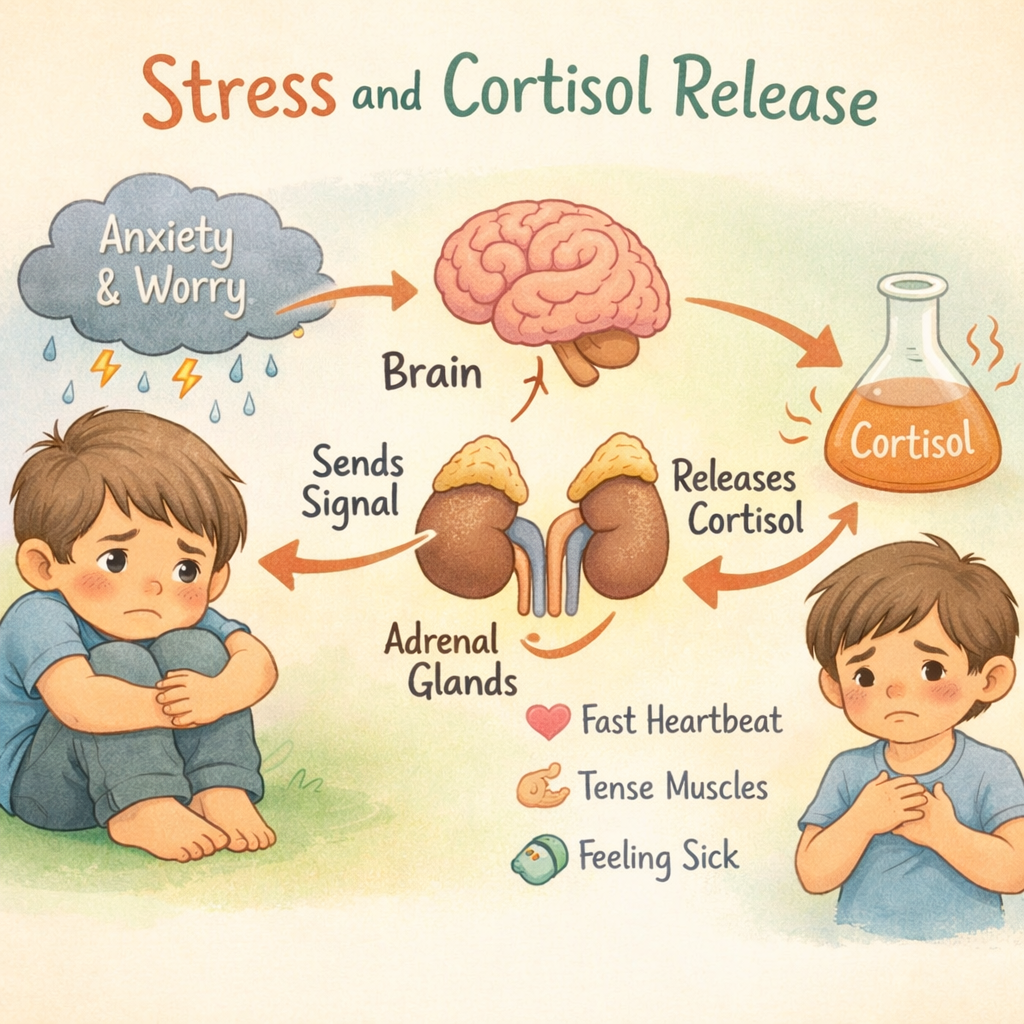
When a child feels anxious—whether they are facing a real physical danger or simply worrying about an upcoming math test—the brain's alarm center (the amygdala) sounds the siren. The brain immediately signals the adrenal glands to release a flood of cortisol into the bloodstream. In children showing anxiety symptoms, cortisol is commonly measured using noninvasive methods like saliva samples, which can be collected at various times to assess cortisol levels related to stress. Sometimes, blood or urine samples may also be used, but saliva testing is generally preferred for children due to its ease and reliability.
This hormone prepares the entire body to respond to the perceived stress by increasing heart rate, boosting alertness, and pumping quick-burn energy (glucose) to the muscles. In a healthy stress response, once the math test is over, the brain sounds the "all clear," and cortisol levels drop back to normal. Cushing syndrome in children, however, occurs when the body is exposed to high levels of cortisol over a long period, due to factors like tumors or prolonged steroid use, rather than normal stress. Unlike temporary, stress-related cortisol changes, Cushing syndrome causes persistent elevated cortisol levels that do not return to normal, leading to symptoms such as weight gain, slowed growth, and high blood pressure.
However, children with chronic anxiety never get the "all clear" signal. The brain perceives everyday situations—like going to school, social interactions, or even trying to fall asleep—as active threats. Because the anxiety is frequent or long-lasting, the cortisol remains elevated in the bloodstream. This constant state of hyperarousal disrupts normal body functions and leaves the child feeling perpetually exhausted, on edge, and overwhelmed.
Effects of High Cortisol from Anxiety in Kids
When a child's nervous system is stuck in survival mode, it changes how their brain and body operate. Here are the four primary ways high cortisol from anxiety affects kids:
1. Severe Sleep Problems
Cortisol and melatonin (the sleep hormone) operate on a delicate seesaw. When cortisol goes up, melatonin goes down. If a child is lying in bed feeling anxious about the next day, their elevated cortisol levels trick their body into thinking they need to stay awake to fight off a predator. This makes it incredibly difficult for children to fall asleep, causes frequent middle-of-the-night awakenings, and prevents them from achieving the deep, restorative REM sleep they need to function. For kids with high anxiety and elevated cortisol, effective treatments may include mindfulness exercises and establishing a consistent bedtime routine to help lower stress levels. In some cases, healthcare providers may also recommend medication for severe anxiety, but non-pharmacological approaches are often the first step in treatment. Always consult a paediatrician or child psychologist for an individualized treatment plan tailored to your child's needs.
2. Emotional Instability and Irritability
When cortisol is chronically high, the brain's emotional processing center takes over, and the logical, decision-making center (the prefrontal cortex) is essentially turned off. As a result, anxious children may become highly irritable, easily overwhelmed, or prone to massive emotional outbursts. Because their nervous system is already operating at maximum capacity, a seemingly minor inconvenience—like spilling a glass of water or losing a toy—can trigger a full-blown meltdown.
3. Difficulty Concentrating and Learning
Chronic stress and anxiety can severely affect a child's attention span, working memory, and learning performance in school. High cortisol actually toxic to the hippocampus, the area of the brain responsible for memory retention. Anxious kids often experience "brain fog," making it difficult to follow multi-step directions, read complex sentences, or focus on their teacher's lessons. This lack of focus is sometimes even misdiagnosed as ADHD.
4. Unexplained Physical Symptoms
Anxiety isn't just in the head; it manifests in the body. Because high cortisol temporarily halts non-essential functions like digestion to save energy for the "fight or flight" response, anxious children frequently complain of stomachaches and nausea. Muscle tension from constant stress can also lead to frequent headaches, generalized body fatigue, and a weakened immune system that leaves them catching every cold circulating their classroom.
Common Causes of Anxiety in Children
What is triggering your child's internal alarm system? While some children are simply biologically predisposed to worry, modern environmental factors play a massive role in sparking childhood anxiety:
- School pressure or academic stress: The fear of failing tests, perfectionism, or struggling with learning disabilities can make the classroom a major source of dread.
- Social challenges or bullying: Navigating friendships, peer pressure, exclusion, or the growing pressures of social media connectivity.
- Family conflict or instability: Children are incredibly perceptive. Arguing parents, divorce, financial stress, or moving to a new home can heavily disrupt their sense of safety.
- Excessive screen time and overstimulation: Fast-paced video games and endless scrolling overstimulate the nervous system, constantly triggering micro-doses of adrenaline and cortisol.
- Lack of sleep or inconsistent routines: A lack of sleep directly increases cortisol the next day, creating a vicious cycle where a tired brain becomes an anxious brain.
How to Support Kids with Anxiety and High Cortisol
While you cannot completely shield your child from the stressors of the world, you can help them build a resilient nervous system. Here are practical ways to lower your child's cortisol and support their mental health:
Create a Calm and Predictable Daily Routine
Anxiety is fundamentally a fear of the unknown. You can combat this by making their daily life highly predictable. Knowing exactly what happens in the morning, after school, and at bedtime creates a deep sense of psychological safety. Use visual schedules for younger kids, and always give transition warnings (e.g., "In ten minutes, it will be time to turn off the TV") so their brain is not startled by sudden changes.
Encourage Open Communication About Feelings
Do not dismiss their worries with phrases like "You'll be fine" or "There's nothing to worry about." Instead, validate their feelings. Say things like, "I can see that you are feeling really nervous about that test. It makes sense that you feel that way. Let's talk about it." Naming the emotion actually helps calm the brain's alarm center.
Promote Regular Physical Activity and Outdoor Play
Physical movement is the biological mechanism designed to burn off excess cortisol. Encourage at least an hour of active, heart-pumping play every day. Riding a bike, running around the Playground, or playing a sport forcefully flushes the stress hormones out of their bloodstream and replaces them with mood-boosting endorphins.
Limit Screen Time, Especially Before Bedtime
The blue light and rapid stimulation of digital screens keep cortisol levels artificially high in the evening. Enforce a strict "digital curfew" by putting away all tablets, phones, and TVs at least one hour before bed. Replace screen time with quiet, tactile activities like reading, coloring, or building with blocks to let their nervous system gently power down.
Teach Relaxation Techniques
Give your child the tools to manually override their "fight or flight" response. Teach them deep belly breathing (inhaling deeply through the nose for four seconds, holding for four, and exhaling slowly through the mouth for six). Practice mindfulness or grounding exercises, like asking them to name five things they can see, four things they can touch, and three things they can hear when they start to feel panicked.
Help your child manage their anxiety
Overcome daily challenges and support a healthy stress hormone balance by building calm routines and fostering emotional awareness today. You have the power to help them feel safe, secure, and ready to thrive!
Reach out for a consultation or call daar at 02 9133 2500 for more expert parenting insights on child mental health, sleep strategies, and holistic development.
Frequently Asked Questions (FAQs)
1. What are cortisol levels in early childhood predictive of?
Cortisol levels in early childhood can be predictive of various developmental outcomes, including emotional regulation and stress response. Elevated cortisol may indicate heightened anxiety levels, while lower levels could suggest resilience. Monitoring these levels is crucial for understanding children's mental health and developing effective interventions for anxiety management.
Salivary cortisol levels are a critical measure for assessing the stress response in children, providing insights into their anxiety levels and overall emotional well-being
2. Can high cortisol from anxiety affect a child’s health?
Yes, absolutely. While short bursts of cortisol are harmless, prolonged high cortisol from chronic anxiety can severely impact a child's health. It disrupts their ability to fall and stay asleep, causes severe mood swings and irritability, impairs their concentration and memory in school, and can even suppress their immune system and digestive functions, leading to frequent illnesses and stomachaches.
3. How can I reduce anxiety-related cortisol in my child?
You can drastically reduce anxiety-related cortisol by creating a calm, highly predictable home environment. Establishing consistent daily routines, offering empathetic emotional support and validation, encouraging intense daily physical activity to burn off stress hormones, strictly limiting evening screen time, and teaching them deep breathing and relaxation techniques can all help naturally balance their cortisol levels.
.svg)




.svg)