
.png?width=48&height=48&name=Group%201%20(3).png)























2 April, 2026

Help Kids Thrive: Excessive Gadget Use for Kids Therapy

Key Highlights
- Excessive gadget use is a growing concern, impacting children's mental health and physical activity.
- Recognizing negative consequences like mood swings and social withdrawal is the first step toward early intervention.
- Excessive use of devices can lead to physical symptoms like neck pain and eye strain.
- Therapy, especially approaches like cognitive behavioral therapy, is effective in managing screen time habits.
- Parental involvement and establishing clear boundaries are crucial for helping kids develop healthier routines.
- Encouraging alternatives to screens, such as outdoor play, helps reduce dependency and improve well-being.
Introduction
We live in a digital world where tablets, smartphones, and laptops are a normal part of daily life. These gadgets have transformed how your children learn, play, and connect with others. However, as kids spend more time looking at screens, concerns about the negative effects of excessive screen time are growing. This guide will help you understand the impact of excessive media use on child development. You'll learn how to spot the warning signs and find out how therapy can help your family manage gadget use more effectively.
Recognizing the Signs of Gadget Overuse in Children
How can you tell if your child's gadget use has shifted from a hobby to a problem? It’s not just about screen time—problematic internet use often shows up as changes in behavior, mood, and social life. Watch for persistent irritability, loss of interest in favorite activities, or trouble with face-to-face interactions. These shifts may signal that screen use is becoming a concern. Here are key signs to look out for.
Behavioral Indicators Parents Should Watch For
Excessive screen use in children often appears as changes in behavior. Parents should watch for warning signs that may indicate the need for intervention. A key sign is if your child becomes irritable, anxious, or angry when their screen time ends—this can signal dependency and poor impulse control.
Other red flags include declining grades and losing interest in activities they once enjoyed. These issues can disrupt daily life and family harmony. Pay attention if screens are replacing responsibilities and real-world interactions.
Specific behaviors to look for:
- Irritability, anger, or anxiety without device access
- Lying about or hiding screen time
- Loss of interest in hobbies, sports, or friends
- Neglecting homework or chores for screens
- Disrupted sleep or eating patterns
Emotional and Social Changes Linked to Overuse
Excessive screen time can harm a child's mental health and social skills. Dependency on devices often signals underlying emotional issues, such as anxiety or depression. Children may become withdrawn or prefer online interactions, leading to isolation and difficulty building real-world relationships.
Watch for signs like increased anxiety, trouble with in-person conversations, and using screens to cope with stress—these indicate that gadget use may be affecting your child's well-being.
When Gadget Use Becomes a Concern for Therapy
Occasional gadget overuse is normal, but it becomes serious when it disrupts your child’s daily life. If screen time causes distress or affects school, home life, or friendships, consider therapy. A mental health professional can assess for conditions like internet addiction.
Early intervention is crucial. Risk factors such as anxiety or weak family support can increase vulnerability. Therapists can identify these issues and create a treatment plan. Official criteria, like those for Internet Gaming Disorder, help distinguish between habits and clinical problems.
Seeking help isn’t failure—it’s a proactive step to restore balance. Therapy offers tools and support to address root causes and promote healthier digital habits for your family.
Social Consequences of Excessive Technology Use
The social consequences of too much technology can be profound, especially for children and teens. While social media and online gaming can offer a sense of community, excessive use often leads to negative outcomes. It can strain peer relationships and disrupt family life, creating a disconnect between the online world and reality.
Children who spend most of their time online may struggle to develop crucial in-person social skills. This can lead to difficulties in forming and maintaining friendships, contributing to feelings of loneliness. The following sections will explore how overuse affects family dynamics, school environments, and a child's ability to communicate effectively.
Effects on Peer Relationships and Family Dynamics
Excessive technology use can strain both peer relationships and family dynamics. When children prioritize devices over face-to-face interactions, they miss out on key social skills, making real-world friendships harder and leading to isolation.
At home, screen time disputes are common and often create tension. Studies link prolonged device use to weaker family relationships and more frequent arguments, which can disrupt the parent-child bond and overall household harmony.
Family therapy can help by improving communication, setting clear boundaries, and encouraging collaborative problem-solving. With support, families can manage technology use in ways that strengthen their connections instead of weakening them.
Challenges in School and Learning Environments
Excessive gadget use creates challenges in school and learning. High screen time is linked to lower grades, as children may neglect homework, lose focus, and show less interest in studies due to online distractions.
It can also cause behavioral issues. Sleep-deprived students from late-night device use may be irritable or disruptive. Too much sitting with devices reduces physical activity, which is vital for health and learning.
While technology is essential in education, balance is key. Schools and parents should promote healthy habits like regular breaks and physical activity to ensure technology aids—not hinders—learning.
Isolation, Withdrawal, and Communication Issues
Excessive gadget use can lead to isolation and social withdrawal, especially in children who favor online interactions over real-life connections. This disconnect from family and friends often results in loneliness, despite having many digital contacts. The digital world can become an escape, making real-world engagement more difficult.
Signs of withdrawal include spending more time alone, avoiding family activities, and losing interest in conversations. Reduced face-to-face interaction hinders communication skills and makes it harder for children to read non-verbal cues.
These issues can affect relationships long-term, as shared experiences and open dialogue are essential for healthy connections. Encouraging offline activities and fostering genuine interactions is crucial to combatting this trend.
Guidelines and Strategies for Healthy Screen Time Management
Managing screen time effectively is about creating balance, not banning technology. Health organizations like the American Academy of Pediatrics provide guidelines to help families navigate media use. The goal is to establish healthy habits that allow children to enjoy the benefits of technology while avoiding its pitfalls.
This involves setting clear limits, encouraging alternative activities, and modeling responsible behavior. By working together as a family, you can develop healthy coping mechanisms and ensure that screens are just one part of a rich and varied life. The following strategies offer practical ways to manage screen time at home.
Australian Recommendations for Daily Screen Use
In Australia, public health guidelines provide clear recommendations for screen use to protect children's physical health and development. These guidelines emphasize limiting sedentary screen time and encouraging physical activity. The recommended amounts of time vary by age, recognizing that developmental needs change as children grow. For very young children, screen time is discouraged, while for older kids, it's about finding a healthy balance with other activities.
Following these Australian recommendations can help prevent the negative effects associated with excessive screen use, such as poor sleep, behavioral issues, and physical symptoms. The aim is to build a foundation of healthy habits from an early age. It's not just about limiting screen time but also about ensuring the content is high-quality and age-appropriate.
Here is a general overview of screen time recommendations: | Age Group | Recommended Daily Screen Time | | Under 2 years | No sedentary screen time recommended. | | 2 to 5 years | No more than 1 hour per day. | | 5 to 17 years | No more than 2 hours per day of recreational screen time. |
Setting Consistent Limits and Boundaries
One of the most powerful strategies for managing gadget use is setting clear and consistent limits. Vague rules are difficult to enforce and can lead to arguments. Instead, work with your child to establish specific boundaries around when, where, and for how long they can use their electronic devices. A predictable schedule helps children develop self-regulation and understand that screens are just one part of their day.
Creating "tech-free" zones and times is also highly effective. For example, you might decide on no screens during meals or in bedrooms. This not only limits screen time but also protects important family moments and sleep quality. Using parental control tools can help enforce these rules, but open communication is the key to building lasting, healthier habits.
To set effective boundaries, try these tips:
- Establish a daily or weekly screen time allowance that is clear and easy to track.
- Use a timer to signal when screen time is over, reducing negotiation.
- Declare certain times, like dinner, as tech-free for the entire family.
- Keep devices out of bedrooms to promote better sleep hygiene.
- Model the behavior you want to see by following the rules yourself.
Encouraging Safe, Engaging Alternatives to Gadgets
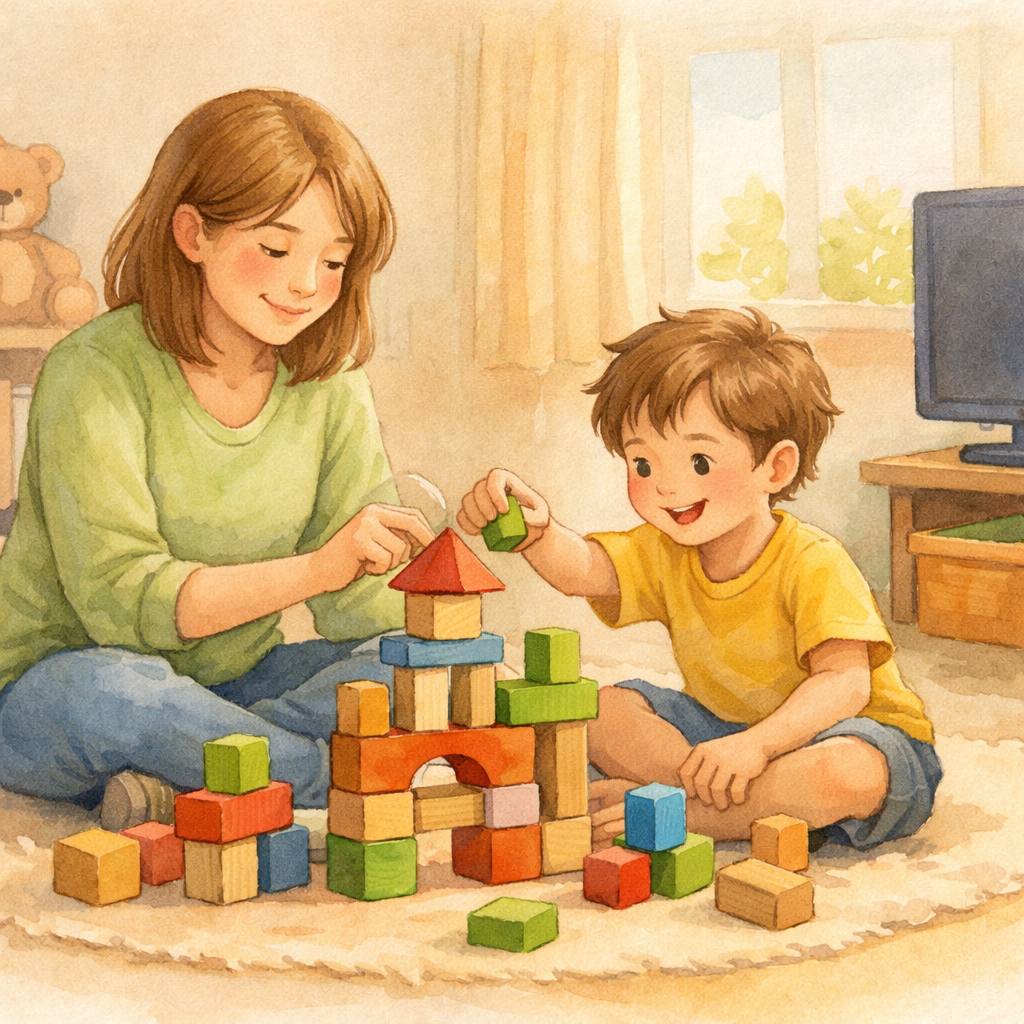
Simply telling kids to get off their devices isn't enough; you need to offer appealing alternatives. Filling their daily life with engaging activities that promote physical activity, creativity, and social connection is essential. When children have fun and meaningful things to do offline, they are less likely to feel bored or resentful about screen time limits.
Think about what your child genuinely enjoys. This could range from outdoor adventures and sports to indoor projects like cooking or building forts. Participating in these activities as a family not only provides a fun substitute for screens but also strengthens your bond and creates lasting memories. These experiences help children develop healthy coping mechanisms for stress and boredom.
Here are some ideas for engaging alternatives to gadgets:
- Plan a weekly family game night with board games or cards.
- Encourage outdoor physical activity like riding bikes, visiting a park, or kicking a ball around.
- Get creative with arts and crafts, music, or building projects.
- Schedule regular playdates to foster face-to-face social skills.
Therapy Approaches for Managing Gadget Overuse in Kids
When gadget overuse becomes a significant problem, therapy can offer a structured path toward a healthier balance. A mental health professional can help identify the underlying reasons for the digital addiction and develop a tailored intervention plan. Early intervention is crucial, as it can prevent long-term negative consequences and help children develop better coping skills.
Therapy isn't about banning technology but about fostering a more mindful and controlled relationship with it. Different approaches can be used, from individual counseling to family-based support, depending on the child's needs. The following sections explore some of the effective therapy methods used to help kids and families manage gadget overuse.
Types of Therapy Used for Technology Addiction
Several types of therapy have proven effective in treating technology and internet addiction. One of the most common is Cognitive Behavioral Therapy (CBT). CBT helps children identify the negative thought patterns and behaviors linked to their device use and teaches them healthier ways to cope with triggers like stress or boredom. It equips them with practical skills to manage cravings and avoid relapse, similar to treatments for a substance use disorder.
Family therapy is another powerful approach. It addresses the family dynamics that may contribute to the problem and involves everyone in the solution. This method improves communication, helps establish consistent rules, and strengthens family relationships. When the whole family is on board, the chances of long-term success are much higher.
Other therapies, such as motivational interviewing, can also be useful. This technique helps children find their own motivation to change their habits. In some cases, group therapy allows kids to connect with peers facing similar struggles, reducing feelings of isolation and providing mutual support as they work through withdrawal symptoms.
How Occupational Therapists Support Kids and Families
Occupational therapists (OTs) play a unique and vital role in helping children manage excessive gadget use. They focus on helping kids participate in the meaningful activities of daily life, which are often disrupted by screen dependency. An OT can assess how gadget use is affecting a child's development, including their social skills, motor skills, and ability to regulate their emotions.
Through early intervention, occupational therapists provide practical strategies and family support. They might design a routine that balances screen time with other essential activities like outdoor play, creative projects, and face-to-face interactions. This approach helps children build healthy coping mechanisms and find fulfillment in the real world, reducing their reliance on screens for entertainment and validation.
For children with co-existing mental health issues like anxiety or ADHD, an OT can tailor interventions to their specific needs. By using therapeutic activities such as structured play or physical exercises, they help kids improve their focus, manage sensory needs, and develop the skills necessary to thrive in school and at home.
Role of Family Participation in Successful Treatment

Family participation is not just helpful—it's critical for the successful treatment of gadget overuse. When parents and caregivers are actively involved in the therapy process, outcomes improve significantly. Parental involvement helps create a supportive home environment where new, healthier habits can take root. The focus shifts from blaming the child for behavioral problems to working as a team to find solutions.
Family therapy sessions provide a space for everyone to learn new communication patterns and problem-solving techniques. This collaborative approach helps reduce conflict over screen time and strengthens family bonds. When parents model healthy technology use and consistently enforce boundaries, they empower their children to develop better self-control and social skills.
A unified family effort leads to a better quality of life for everyone. Here’s why family participation is so important:
- It improves the parent-child relationship and creates a calmer home environment.
- It equips the entire family with tools to set consistent rules and expectations.
- It ensures that the child feels supported rather than singled out.
Conclusion
In summary, addressing excessive gadget use in children is crucial for their overall well-being and development. By recognizing the signs of overuse, understanding its social consequences, and implementing healthy screen time management strategies, parents can create a balanced environment that encourages healthier habits. Therapy approaches can offer valuable support not only for the child struggling with technology addiction but also for families aiming to foster a more positive relationship with technology. It’s never too late to take action and make a change.
If you’re ready to help your child thrive, consider reaching out for a consultation or call daar at 02 9133 2500 to explore effective strategies and therapies.
Frequently Asked Questions
How does technology addiction therapy work for children?
Therapy for digital addiction or internet gaming disorder helps children understand their behavior and its impact on their mental health. It focuses on building healthy coping mechanisms to replace excessive screen time. A therapist works with the child and family to set goals, manage triggers, and develop a balanced routine.
What are effective ways for parents to break tablet dependency at home?
To break tablet dependency, set clear and consistent time limits for all electronic devices. Create tech-free zones and times, like during meals and in bedrooms. Encourage healthy coping mechanisms by offering fun alternatives and model balanced screen use yourself. Parental control apps can help enforce the rules you establish.
How can therapy improve mental health outcomes in kids with excessive gadget use?
Therapy addresses underlying mental health issues that may contribute to excessive gadget use, such as anxiety or depression. Through early intervention, therapists and occupational therapists teach coping skills, improve emotional regulation, and help rebuild family connections. This support often leads to better academic performance and overall well-being.
.svg)




.svg)