
.png?width=48&height=48&name=Group%201%20(3).png)























29 June, 2026

Understanding the Effects of Screen Time on Child Development

Key Highlights
Here are the key takeaways from our discussion on screen time and child development:
- Excessive screen time can negatively impact a child's cognitive development, physical health, and social and emotional skills.
- The impact of screen use varies by age, with stricter limits recommended for younger children.
- Too much time in front of a screen is linked to behavioral issues, sleep problems, and lower academic performance.
- Not all screen time is equal; educational content viewed with a parent can offer benefits.
- Parents can manage screen use by setting limits, modeling healthy habits, and encouraging screen-free activities.
Introduction
In today's digital world, screens are everywhere. From tablets to smartphones, electronic devices have become a part of daily life, even for the youngest among us. While technology offers new ways to learn and connect, many parents wonder about the effects of screen time on child development. How much is too much? This article will explore the research on how screen time impacts children's cognitive, social, and physical well-being and offer practical strategies for creating a healthy balance in your home.
Major Effects of Screen Time on Child Development
The impact of screen use on child development is complex, with both potential benefits and significant drawbacks. The amount of time spent with digital media can influence everything from cognitive development and social skills to physical health. Understanding these major effects is the first step for parents aiming to navigate this digital landscape.
Excessive screen time is often linked to negative outcomes. Research shows it can interfere with language acquisition, contribute to behavioral problems, and lead to health issues. By being aware of these potential consequences, you can make more informed decisions about your child's media consumption. Now, let's explore these effects in more detail.
Impact on Cognitive Development and Brain Health
The relationship between screen use and cognitive abilities in young minds is multifaceted. On one hand, some high-quality electronic books and learning apps can support early literacy skills. These tools have the potential to enhance education when used appropriately.
However, there is a growing body of evidence highlighting the negative effects of excessive screen exposure on brain health. Studies have linked heavy media multitasking with poorer executive function in teenagers, affecting abilities like working memory and inhibition. Young children exposed to too much television at an early age have shown decreased classroom engagement and lower math proficiency years later.
This suggests that while some screen time can be educational, overuse can have lasting detrimental effects on cognitive development. The constant stimulation and multitasking behaviors associated with screen media can challenge a child's ability to focus, which may translate into lower academic achievement in subjects like math and English.
Social and Emotional Consequences
Beyond academics, screen use can significantly shape a child's social and emotional development. One of the primary concerns is that it reduces opportunities for real-world social interaction. Face-to-face engagement with caregivers and peers is essential for learning to read emotional cues and developing empathy.
Excessive time on screens has been associated with various mental health challenges. Studies indicate a link between high screen time and an increased risk of depressive symptoms and anxiety, particularly in adolescents. Certain activities, like video gaming, have been correlated with more severe symptoms. This screen time-induced poor sleep and dependency on devices can further impact emotional well-being.
Furthermore, some research suggests that higher screen time at a young age can lead to lower levels of emotional understanding later on. For instance, having a television in a child's bedroom has been shown to predict poorer emotional comprehension. This highlights how crucial it is to balance digital media with direct human connection for healthy emotional growth.
Physical Health Implications
The physical health implications of too much screen time are a major concern for parents and health professionals. A primary issue is the increase in sedentary behaviour. When children spend hours in front of a screen, they are not engaging in the physical activity that is crucial for their growing bodies. This lack of movement is a significant risk factor for various health issues.
This sedentary lifestyle is directly linked to an increased risk of obesity. Studies show that children who spend two or more hours a day on screens have a substantially greater risk of being overweight. Beyond weight gain, other health issues associated with excessive screen use include sleep problems, which can be triggered by the blue light from screens and the engaging nature of the content.
Effective disease control and prevention start with healthy habits. Limiting screen time encourages children to be more active, which is essential for maintaining a healthy weight and overall physical well-being. Here's a look at recommended screen time limits by age.
|
Age Group |
Recommended Daily Screen Time |
|---|---|
|
Younger than 18 months |
None (except video chat) |
|
18 to 24 months |
High-quality media with a parent |
|
2 to 5 years |
No more than one hour |
|
5 years and older |
No more than two hours |
Screen Time and Early Childhood Development
The period of early childhood is a time of rapid growth and learning. For preschool children, every interaction and experience contributes to their development. The introduction of screens at a young age can have a profound impact on whether they meet key developmental milestones. It's a critical time when the brain is developing rapidly, making it particularly sensitive to environmental influences.
Concerns are growing that too much screen time may interfere with this crucial period. When toddlers and young children are passively watching a screen, they are missing out on active play and real-world exploration that builds foundational skills. The following sections will examine how screen exposure can specifically affect language, behavior, and motor skills during these formative years.
Language Acquisition and Communication Skills
The early years are vital for language development, a process built upon frequent and high-quality face interaction with adults. When a child spends significant time with screens, it can reduce the number of verbal exchanges they have with caregivers. This loss of interaction means fewer opportunities to practice vocabulary, grammar, and conversational turn-taking.
While some educational content may introduce new words, the context in which it's presented matters. Co-viewing with a parent who discusses the content can turn a passive experience into an active learning opportunity. However, studies show that increased screen time at a young age, especially before 12 months, is linked to a higher risk of language delay.
The presence of background television can also be detrimental, as it distracts both the child and the parent, leading to less verbal engagement. Even if a child isn't directly watching, the noise can interfere with their ability to process speech and language. In contrast, limiting exposure to social media and other digital platforms in favor of real-life conversation is key to fostering strong language skills.
Behavioral Patterns and Attention Span
Are you noticing changes in your child's behavior? Excessive media use could be a contributing factor. Research has found a connection between high amounts of television viewing and an increased likelihood of behavioral problems in young children. This can include everything from aggression to difficulties with emotional regulation.
One of the most significant concerns is the impact of digital media on a child's attention span. The fast-paced, highly stimulating nature of many apps, games, and shows can make it harder for children to focus on slower, real-world activities like reading or playing quietly. This can create challenges in academic settings where sustained attention is necessary for learning.
The content itself also plays a role. Early and repeated exposure to violent media has been linked to an increased risk of antisocial behavior. Parents need to monitor not just the amount of screen time but also the type of content their children are consuming to mitigate these potential behavioral issues.
Sensory and Motor Skill Development
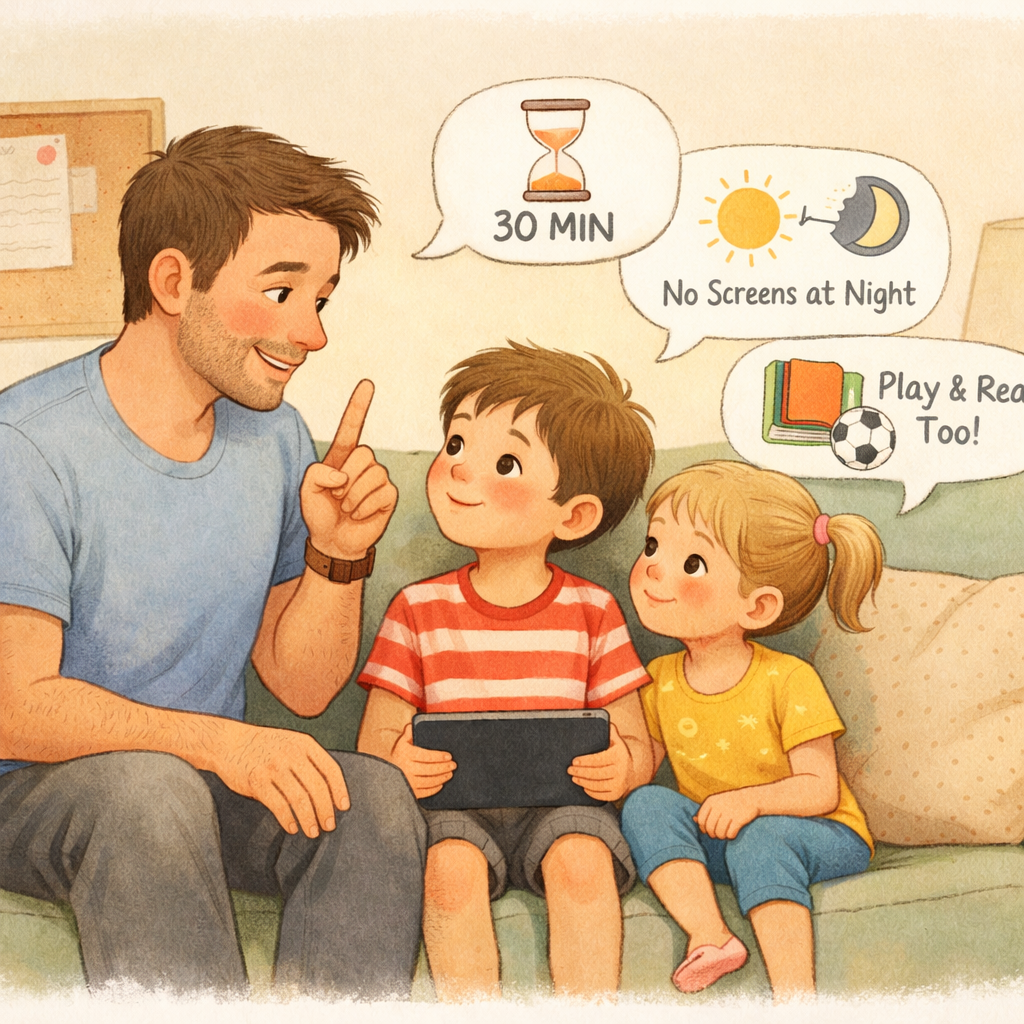
A child's sensory development and motor skills are honed through physical interaction with the world around them. When children spend a lot of time on electronic devices, they miss out on essential opportunities to move, explore, and manipulate objects. This can have a direct impact on their physical growth and coordination.
Activities like running, jumping, and climbing are crucial for developing gross motor skills, while tasks like drawing, building with blocks, and playing with clay help refine fine motor skills. Outdoor play, in particular, provides rich sensory experiences that screens cannot replicate, from feeling the texture of grass to hearing the sounds of nature.
Excessive use of tablets and smartphones can lead to a more sedentary lifestyle, which may delay the development of these fundamental skills. While some apps are designed to be interactive, they do not offer the same three-dimensional, multi-sensory feedback as real-world play. Balancing screen time with plenty of physical activity is essential for healthy sensory and motor development.
Signs of Negative Effects from Excessive Screen Use
As a parent, it can be challenging to know if your child's screen habits are becoming a problem. While some screen media can be educational, excessive screen time can lead to detrimental effects. Recognizing the warning signs is crucial for intervening early and helping your child build a healthier relationship with technology.
These signs can manifest emotionally, behaviorally, physically, and even academically. Paying attention to changes in your child's mood, health, or social interactions can provide clues. The following sections will detail specific warning signs, helping you identify if your child's screen exposure is having a negative impact on their well-being.
Emotional and Behavioral Warning Signs
One of the first places you might notice the impact of too much screen use is in your child's emotional well-being. Children who spend excessive time on screens may show increased irritability, anxiety, or even depressive symptoms. They might seem more withdrawn or have difficulty managing their emotions, leading to frequent outbursts.
These behavioral problems can also appear when it's time to turn off the device. If your child becomes unusually angry, anxious, or agitated when you try to limit their screen time, it could be a sign of dependency. This reaction can signal that the screen has become a primary coping mechanism, which can hinder the development of healthier emotional regulation skills.
Look out for these specific warning signs:
- Increased emotional reactivity or aggression after screen use.
- A noticeable decline in interest in hobbies or social activities they once enjoyed.
- Difficulty sleeping or changes in sleep patterns.
- Expressing feelings of loneliness or low self-esteem.
Physical Symptoms Linked to Screen Overuse
Beyond emotional changes, excessive screen time can take a toll on a child's physical health. These health issues often stem from the sedentary behaviour associated with screen use. When children are sitting for long periods, they are not getting the physical activity their bodies need to grow strong and healthy.
One of the most noticeable symptoms can be changes in weight. A lack of physical activity combined with mindless snacking in front of a screen can contribute to obesity. Other physical complaints may include headaches, eye strain, and neck or back pain from poor posture while using devices. It is also important for parents to be mindful of their own screen time, as this can influence a child's habits.
Keep an eye out for these physical symptoms:
- Complaints of frequent headaches or tired, dry eyes.
- Noticeable weight gain or a more sedentary lifestyle.
- Poor sleep quality or difficulty falling asleep at night.
- Pain in the neck, shoulders, or back.
Academic and Social Challenges
Too much screen time use can also create significant hurdles in a child's academic and social life. In school, you might notice a decline in academic achievement. This can be due to a reduced attention span, making it difficult for your child to focus in class or complete homework assignments. The instant gratification of screens can make the slower pace of classroom learning seem boring.
Socially, the effects can be just as profound. Children who spend more time online than with peers may struggle to develop crucial social skills. They may have difficulty with face-to-face conversations, reading non-verbal cues, or resolving conflicts. This can lead to feelings of isolation and challenges in forming and maintaining friendships.
Ultimately, excessive screen use can replace the time needed for homework, reading, and interacting with family and friends. This shift in priorities can have a lasting negative impact on both their grades and their ability to connect with others in the real world, affecting their overall development.
Strategies for Managing Children’s Screen Time
Now that you understand the potential impacts, you might be wondering what you can do. The good news is that there are effective strategies for managing your child's use of digital devices. The key is to be proactive and intentional about when, where, and how screens are used in your home to support healthy development.
Setting clear rules and using tools like parental controls can help you limit screen time. However, management is about more than just restriction. It's about teaching your child to use technology responsibly and balancing screen exposure with other important activities. Let's explore some practical approaches, from active supervision to promoting screen-free fun.
Parental Mediation and Active Supervision
One of the most effective strategies for managing media use is parental mediation. This goes beyond simply setting time limits and involves actively engaging with your child's digital world. When you practice active supervision, you're not just monitoring what they're watching; you're helping them understand and process it.
This can mean co-viewing a show and talking about the characters' choices or playing a video game together to understand its challenges and social dynamics. This approach turns screen media into an opportunity for connection and learning. It also allows you to guide your child toward higher-quality, age-appropriate content and steer them away from potential risks.
To implement active supervision, consider these steps:
- Use parental controls to filter inappropriate content and manage time on devices.
- Keep screens in common areas of the home, not in bedrooms.
- Talk to your child regularly about their online experiences and what they are learning.
- Model responsible use of technology in your own daily life.
Setting Healthy Boundaries and Routines
Creating structure around screen time use is essential for healthy development. When rules are clear and consistent, children are less likely to push back. Establishing predictable routines helps integrate screens into daily life in a balanced way, rather than letting them take over.
Think about creating "screen-free" times and zones in your home. For example, you might decide on no devices during meals or in bedrooms. This not only limits overall screen time but also protects important family connection time and sleep quality. Effective time management helps children understand that screens are just one part of a varied and interesting day.
Here are some ideas for setting healthy boundaries:
- Establish a daily or weekly screen time limit and stick to it.
- Designate screen-free periods, such as the hour before bedtime.
- Keep all electronic devices out of bedrooms overnight to promote better sleep.
- Balance screen time with "green time," or time spent outdoors.
Promoting Screen-Free Activities and Real-Life Interaction
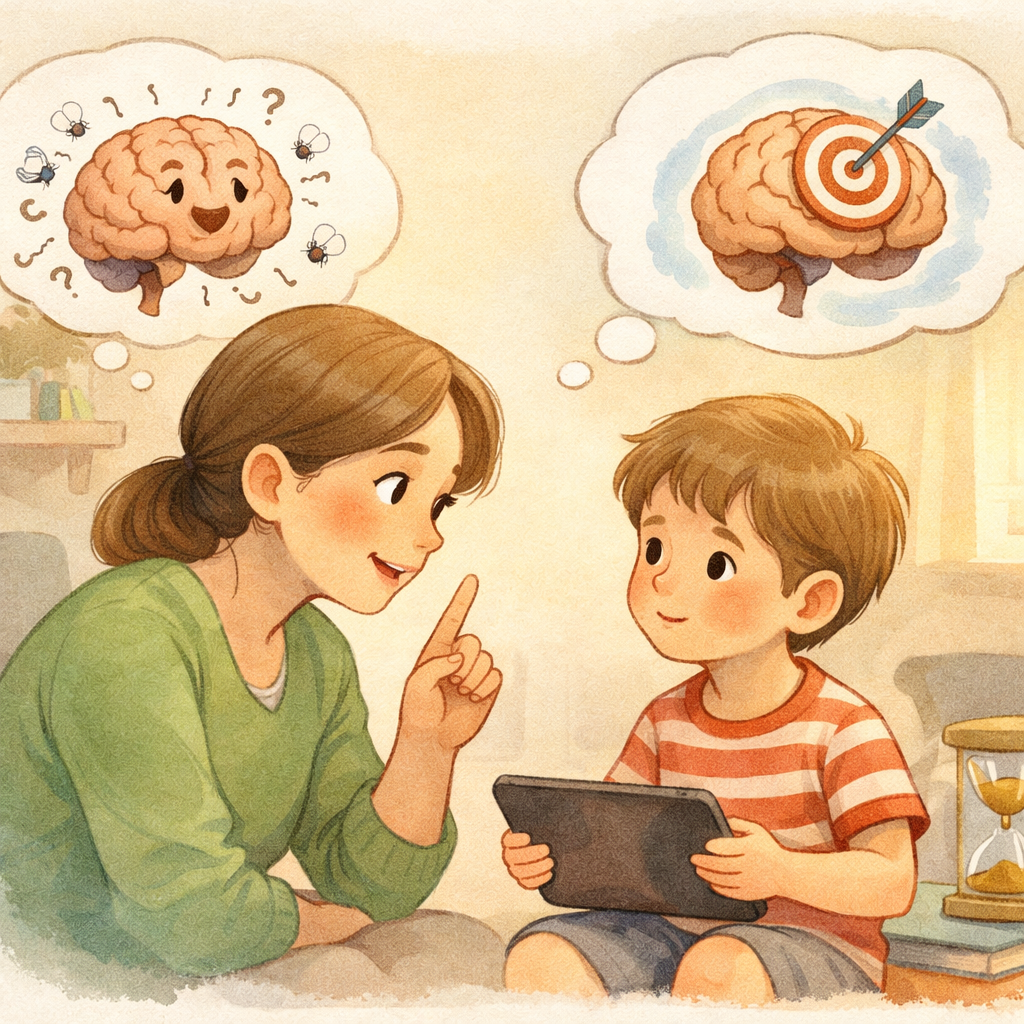
A key part of managing screen time is offering appealing alternatives. If you want your child to spend less time on video games or tablets, it's important to fill that time with engaging screen-free activities. This encourages them to develop new hobbies and skills that contribute to their well-being.
Focus on activities that promote social interaction and physical movement. Outdoor play is a fantastic option, as it boosts both physical health and mental well-being. Simple things like family board game nights, creative art projects, or reading books together can provide rich opportunities for connection and fun.
Encourage your child to explore a variety of interests beyond the screen. Here are a few suggestions:
- Plan regular family outings, like hikes, bike rides, or visits to a park.
- Stock up on art supplies, building blocks, and puzzles for creative indoor play.
- Encourage participation in sports, clubs, or other group activities.
- Schedule dedicated family time for real-life engagement, free from digital distractions.
Conclusion
In summary, understanding the effects of screen time on child development is crucial for fostering healthy growth in our children. The impacts on cognitive, social, and physical health can be significant, underscoring the need for mindful management of screen use. By implementing strategies such as setting boundaries, promoting screen-free activities, and encouraging real-life interactions, parents can help mitigate potential negative effects. It's important to stay informed and proactive in creating a balanced environment that supports both digital engagement and personal development. Remember, nurturing a child's overall well-being involves a thoughtful approach to their screen time.
If you have more questions or need guidance, feel free to reach out for a consultation or call daar at 02 9133 2500 to explore further resources or consult with experts in child development.
Frequently Asked Questions
What does recent research say about the link between screen time and child development?
Recent research, including systematic reviews found on platforms like Google Scholar, confirms that excessive screen time use is linked to negative outcomes in cognitive development, language, and behavior. While some educational content on digital devices can be beneficial, overuse is associated with developmental delays and health issues, emphasizing the need for balance.
How does the type of content children view impact their development?
The type of content matters significantly. High-quality educational content can support language skills and school readiness. In contrast, passive or violent media use can lead to negative behavioral patterns and poorer cognitive outcomes. The context of screen exposure, such as co-viewing with a parent, also changes its effect on development.
What are practical tips for parents to reduce screen time without causing conflict?
To reduce screen media use without conflict, establish clear and consistent rules. An official government organization like the CDC recommends creating healthy routines, such as screen-free meals and bedtimes. Use parental mediation to engage with their media, and prioritize "green time" and other fun alternatives to make the transition easier.
NDIS Registered Provider
Ready to Get Started with NDIS Behaviour Therapy?
Our registered behaviour therapists support children and adults with autism, ADHD, and intellectual disability across Australia. NDIS-funded — in-home and telehealth available.
NDIS Registered Provider
Ready to Get Started with NDIS Behaviour Therapy?
Our registered behaviour therapists support children and adults with autism, ADHD, and intellectual disability across Australia. NDIS-funded — in-home and telehealth available.
.svg)




.svg)