
.png?width=48&height=48&name=Group%201%20(3).png)























4 March, 2026

Managing Screen Time: Excessive Gadget Use Therapy Insights

Key Highlights
- Excessive screen time can negatively impact a child's cognitive, social, emotional, and physical health. Experts recommend setting consistent boundaries for screen use, such as limiting recreational screen time to no more than 1-2 hours per day for children and encouraging regular breaks to promote movement and eye health. Parents should model healthy digital behavior and ensure screen time does not interfere with sleep, physical activity, or in-person interactions. Recognizing signs like irritability when a device is removed is key to addressing screen dependency. Therapy services, including behavioral and occupational therapy, offer effective strategies for managing screen use.
- Recognizing signs like irritability when a device is removed is key to addressing screen dependency.
- Therapy services, including behavioral and occupational therapy, offer effective strategies for managing screen use.
- Parents can promote a healthy balance by setting limits, using parental controls, and modeling good digital habits.
- Encouraging alternative activities like outdoor play is crucial for healthy child development.
- Creating screen-free zones and structured routines helps reduce reliance on electronic devices.
Introduction
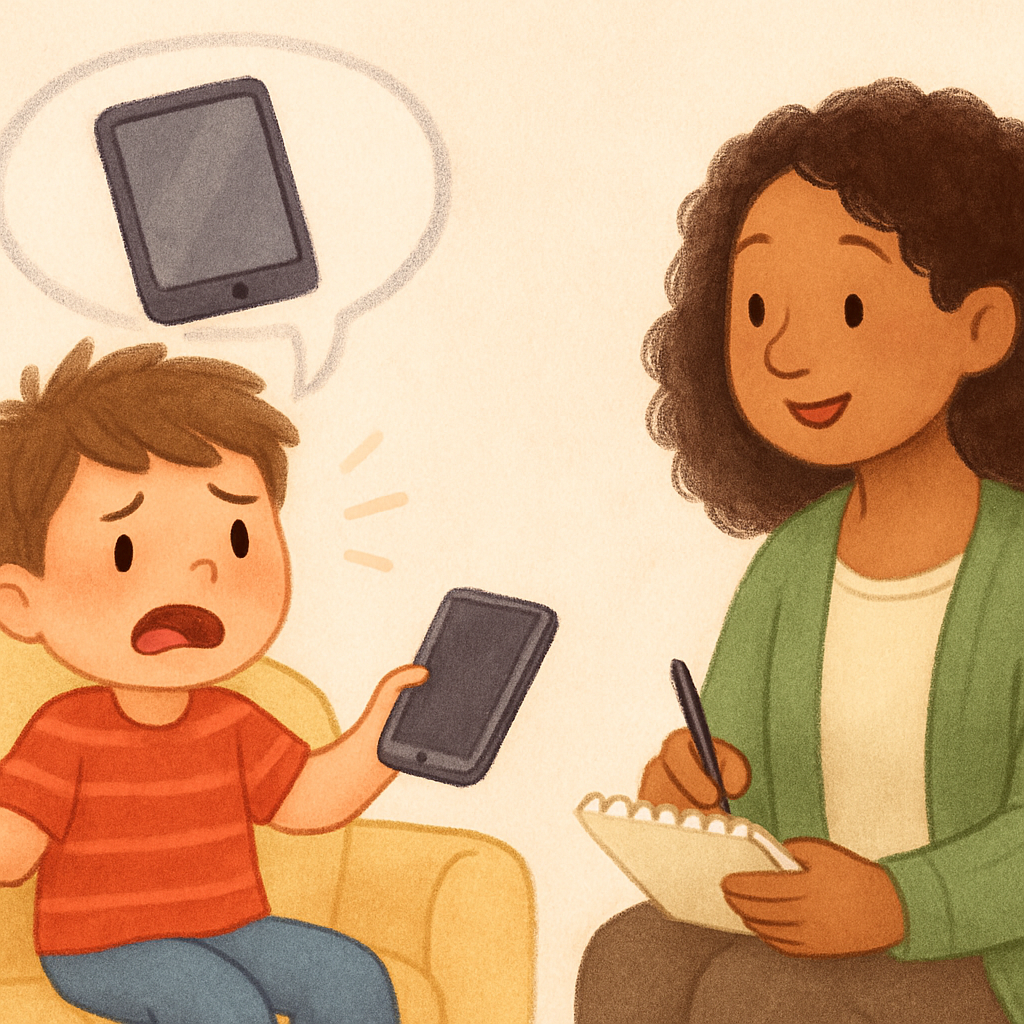
In today's digital world, screens are everywhere, and managing screen time for young children has become a major challenge for modern parents. Devices that offer education and connection can also lead to behavioral issues. You might have noticed your child getting upset when a tablet is taken away, a common sign of the struggle many families face. Finding a healthy balance is essential for proper child development. This guide will explore therapy insights and practical strategies to help you navigate your child's gadget use and foster healthier habits.
How Excessive Screen Time Impacts Child Development
Excessive screen time can hinder a child’s development, especially at a young age. It may delay cognitive growth and limit the development of social skills, leading to challenges with emotional regulation and communication.
The effects also include physical health risks, such as obesity and sleep issues from a sedentary lifestyle. Recognizing these impacts is key to creating a healthier environment for your child. Let’s examine the specific cognitive, social, emotional, and physical consequences.
Cognitive, Social, and Emotional Effects
Heavy screen use can hinder a child's executive functions, such as working memory and task-switching. For young children, this often leads to shorter attention spans and lower academic performance. Constant stimulation from online games and fast-paced shows makes it harder for their developing brains to focus on real-world tasks.
Excessive internet use also affects social and emotional development by replacing essential face-to-face interactions. Children who spend more time online may struggle with social skills, emotional regulation, and empathy. Increased screen time is linked to higher aggression, emotional reactivity, and symptoms of depression and anxiety.
This happens because digital interactions lack the nuanced feedback found in real-life exchanges. As a result, children get less practice understanding others’ emotions, making it harder to form relationships and handle everyday challenges.
Links to Physical Health Concerns
Excessive screen time is linked to poor physical health, especially sleep problems. Blue light from devices disrupts melatonin production, making it harder for children to fall asleep and causing irritability and lack of focus. More time on screens also means less physical activity, increasing the risk of obesity and promoting a sedentary lifestyle.
These issues can impact mental health, raising risks of depression and anxiety. To support better sleep and overall well-being, it’s important to balance screen time with regular physical activity.
Recognizing Signs of Screen Dependency and Technology Addiction
How do you know if your child's screen time has crossed the line from a fun pastime to a dependency? Recognizing the signs of screen dependency or technology addiction is crucial for early intervention. It’s more than just loving video games; it involves a pattern of behavior that negatively impacts their daily life.
You might notice intense mood swings, especially when screen time is limited or taken away. This isn't just about being "naughty"; it's a sign that their brain is struggling to regulate without digital stimulation. Understanding these red flags can help you decide when it's time to seek behavioral therapy or other support.
Behavioral Red Flags for Parents and Caregivers
Parents and caregivers should be on the lookout for specific behaviors that suggest an unhealthy relationship with technology. These red flags go beyond simply enjoying screen time and point toward a growing dependency. Paying attention to these signs can help you intervene before the problem escalates.
Key behavioral changes to watch for include:
- Explosive Reactions: Intense anger, meltdowns, or aggression when asked to stop using a device.
- Loss of Interest: Losing interest in hobbies, sports, or activities they once enjoyed.
- Deception: Sneaking devices or lying about the amount of time spent on them.
- Social Withdrawal: Preferring online interactions over face-to-face social interaction with family and friends.
- Mood Swings: Shifting from happy while on a device to irritable, anxious, or sullen when offline.
If you notice these behaviors, it may be time to reassess your child's screen time and consider setting firmer boundaries. Exceeding screen time recommendations consistently while showing these signs is a clear indicator that parental controls and new strategies are needed.
When to Consider Tablet Dependency Therapy

If persistent behavioral red flags continue and managing screen time at home isn’t working, it may be time to seek professional help. Tablet dependency therapy targets compulsive device use, especially when a child’s behavior becomes unmanageable or disrupts family life and well-being.
Therapy provides tools for both you and your child to break this cycle. Early intervention can prevent long-term effects on development and mental health. A therapist can uncover underlying causes—such as anxiety, loneliness, or lack of coping skills.
Therapy also equips caregivers with practical strategies, so you can create a healthier digital environment at home instead of feeling overwhelmed.
Therapies and Interventions for Excessive Gadget Use
When it comes to treating excessive gadget use, several therapy services are available to help families find balance. Professionals in mental health recognize that this is a complex issue requiring a multi-faceted approach. Interventions are not about banning technology but about teaching children how to use it in a healthy, controlled way.
Behaviour therapy and occupational therapy are two of the most effective approaches. These therapies focus on modifying behavior, building new skills, and addressing any underlying issues that contribute to the problem. Let’s explore how these different interventions work to support children and their families.
Behavioral Therapy Approaches
Behavioral therapy is effective for managing excessive screen use. Cognitive Behavioral Therapy (CBT) helps older children and teens identify the thoughts and feelings that drive their screen habits, such as escaping stress or avoiding loneliness. Recognizing these triggers allows them to develop healthier coping skills.
Reinforcement strategies like the Premack Principle ("Grandma's Rule") use preferred activities—such as screen time—as rewards for completing less preferred tasks like homework or chores. This approach reduces conflict by turning device use into a positive incentive.
Collaborative problem-solving is also important. Creating a media agreement together gives children a voice in setting boundaries, making them more likely to follow the rules. Early use of these techniques can have a lasting impact.
Psychosocial Interventions for Technology Addiction
Psychosocial interventions address the psychological and social factors behind technology addiction. Rather than just limiting screen time, these approaches target underlying issues like social anxiety, depression, or poor real-world social skills that often drive excessive use of social media or online games.
Therapists help individuals develop social coping skills and improve face-to-face interactions through activities such as role-playing and communication practice. The aim is to foster real-world connections and fulfillment, reducing dependence on digital validation.
These interventions also support mental health by helping manage withdrawal symptoms like irritability and restlessness when cutting back on screen time. By addressing core emotional and social challenges, psychosocial interventions offer a path to lasting change.
Occupational Therapy Tips for Managing Screen Use
Occupational therapy offers practical, hands-on strategies for managing screen use in the context of daily living. An occupational therapist looks at how screen time affects a child's ability to participate in everyday activities, from playing and learning to sleeping and socializing. Their goal is to help children build the skills they need to thrive in all areas of life.
These therapy services focus on creating balance and incorporating healthy habits into a child's routine. Instead of just setting limits, an occupational therapist might suggest environmental changes and alternative activities that are more engaging. Below are some tips inspired by occupational therapy principles.
Incorporating Movement and Sensory Breaks
Children, especially those who spend a lot of time on screens, often need help transitioning from a high-stimulation digital world to lower-stimulation real-world activities. Incorporating movement and sensory breaks can make this transition smoother and reduce meltdowns. These breaks help regulate a child's nervous system after being overstimulated by screens.
A "bridge" activity can be particularly effective. This is a short, physical or sensory activity that helps a child's brain adjust. For example, after screen time ends, you could suggest a quick snack, a walk around the block, or a few minutes of jumping on a trampoline. This helps reset their system before moving on to tasks like homework or chores.
Here are some ideas for movement and sensory breaks:
- Outdoor Play: Encourage activities like swinging, sliding, or climbing at a playground to improve motor skills.
- Heavy Work: Activities like pushing a toy box, carrying groceries, or doing animal walks (like bear crawls) provide calming sensory input.
- Creative Movement: Put on some music and have a dance party or play a game of freeze dance.
- Sensory Bins: A container filled with sand, water, or rice can provide a tactile experience that is both calming and engaging.
Structuring Daily Routines for Balance
A structured daily routine is one of the best ways to manage screen time. When children know what to expect, they’re less likely to argue for more device use and learn that screens are just one part of their day.
Set clear time limits for screens within this routine, such as after homework or during a set afternoon hour. This prevents ongoing negotiations about when and how long they can use devices. Visual timers, like sand timers or kitchen clocks, can help make limits clearer for younger kids.
Consistency is key. Be sure to include plenty of non-screen activities—outdoor play, reading, and family time—so your child’s day is balanced and supports healthy development.
Strategies for Parents to Promote Healthy Digital Habits
As a parent, you play a crucial role in shaping your child's relationship with technology. Promoting healthy digital habits starts at home with clear boundaries and open communication. It’s not just about setting limits; it’s about teaching your children how to self-regulate and make smart choices about their media use.
Remember that you are their primary role model. Your children are always watching, so be mindful of your own screen time. If they see you constantly on your phone, they will learn that this behavior is normal. Leading by example is one of the most powerful ways to instill good habits.
Practical Steps to Reduce Screen Time at Home
Reducing screen time at home doesn’t have to be a struggle. With a few practical strategies, you can naturally encourage your family to spend less time on screens and more on other activities.
Start with a family discussion to set clear, consistent screen time limits. When everyone agrees on the rules, they’re easier to follow. Parents should also model healthy habits, as kids tend to copy what they see.
Try these steps:
- Create Tech-Free Zones: Make spaces like the dinner table and bedrooms screen-free to encourage conversation and better sleep.
- Use Parental Controls: Set devices or apps to limit screen use automatically.
- Schedule Screen Time: Plan when screens are allowed instead of using them by default.
- Engage With Your Kids: Put away your own phone and give your children full attention, especially after school and work.
- Go Outside Daily: Aim for some outdoor time every day, even if it’s just a short walk.
Engaging Alternatives to Tablets and Gadgets

One of the best ways to reduce screen time is to fill your child's free time with engaging and fun alternatives. If children are bored, they will naturally gravitate toward the instant entertainment of a tablet or phone. By providing exciting real-life options, you can show them that there's a world of fun beyond the screen.
Encourage activities that help them develop new skills, spark their creativity, and get them moving. From classic board games to outdoor play, the possibilities are endless. The key is to find activities that genuinely interest your child.
Here are some engaging alternatives to screens:
- Creative Projects: Try painting, drawing, building with LEGOs, or starting a craft project.
- Outdoor Adventures: Go for a bike ride, have a picnic in the park, or explore a local nature trail.
- Skill-Building Hobbies: Encourage learning a musical instrument, cooking a new recipe, or planting a garden.
|
Activity Type |
Examples |
|---|---|
|
Indoor Fun |
Reading a book, playing a board game, building a fort, helping with cooking. |
|
Outdoor Play |
Visiting a playground, playing catch, riding bikes, going for a hike. |
|
Creative Time |
Drawing, painting, playing with clay, writing a story, putting on a play. |
|
Skill Building |
Learning an instrument, practicing a sport, coding a simple game offline. |
Conclusion
Managing screen time is crucial for healthy child development. By recognizing signs of screen dependency and using effective strategies, parents can help their children build a balanced relationship with technology. Incorporating movement, sensory breaks, and engaging alternatives supports physical, cognitive, and emotional well-being. Small, consistent changes make a big difference. For more guidance on fostering healthy digital habits, reach out for support.
Reach out for a consultation or call daar at 02 9133 2500 for expert guidance tailored to your child’s needs.
Frequently Asked Questions
What is Tablet Dependency Therapy and how does it work?
Tablet dependency therapy is a specialized form of therapy that helps individuals overcome compulsive use of digital devices. It uses techniques from behaviour therapy and occupational therapy to identify triggers, build coping skills, and establish healthier routines. These therapy services aim to reduce reliance on screens and improve overall well-being.
Can screen time guidelines differ for children with special needs?
Yes, screen time recommendations can differ for children with special needs. While general guidelines are a good starting point, the appropriate amount of time may depend on the child's specific condition and developmental goals. It's best to consult with a therapist or pediatrician to create a personalized plan using parental controls.
What are the first steps parents should take if concerned about gadget use?
The first step is to observe and document the behavior to understand the extent of the excessive screen use. Then, have an open conversation with your child and collaboratively set clear time limits. Implement parental controls and tech-free zones. If these strategies don't work, consider seeking professional help for early intervention.
.svg)




.svg)