
.png?width=48&height=48&name=Group%201%20(3).png)
























12 March, 2026

ADHD and Autism Comorbidity: Symptoms and Management

Key Highlights
Here are the key takeaways from this article:
- Attention deficit hyperactivity disorder (ADHD) and autism spectrum disorder (ASD) often occur together, a condition known as ADHD comorbidity.
- While they are distinct conditions, they share overlapping symptoms, such as challenges with executive functioning and social skills.
- The symptoms of ASD can sometimes be more pronounced in individuals with a dual diagnosis.
- Management strategies often involve a combination of behavioral therapies, medication, and strong support systems.
- A proper diagnosis is crucial for creating an effective treatment plan that improves the overall quality of life.
Introduction
Navigating the worlds of attention deficit hyperactivity disorder (ADHD) and autism spectrum disorder (ASD) can be complex, especially since these two neurodevelopmental disorders frequently co-occur. While they were once considered mutually exclusive diagnoses, the latest diagnostic guidelines acknowledge that a person can have both. Understanding the relationship between ADHD and autism is the first step toward finding the right support and management strategies. This guide will explore the symptoms, challenges, and treatment options for individuals with both conditions.
Understanding ADHD and Autism as Neurodevelopmental Conditions
ADHD and autism are both classified as neurodevelopmental disorders, meaning they originate in childhood and affect brain development. These conditions can influence learning, behavior, and emotional regulation. While a hyperactivity disorder like ADHD primarily impacts attention and impulse control, autism affects social communication and behavior.
Despite their differences, both conditions can present challenges with executive function, which includes skills like planning, organizing, and managing time. Exploring their definitions, characteristics, and prevalence helps clarify how they can exist together.
Defining ADHD and Autism Spectrum Disorder
Attention-deficit hyperactivity disorder (ADHD) is characterized by persistent patterns of inattention, hyperactivity, and impulsivity that interfere with daily functioning. Autism spectrum disorder (ASD) is defined by challenges with social communication and interaction, along with restricted or repetitive patterns of behavior and interests. These conditions are distinct mental disorders with their own diagnostic criteria.
The Diagnostic and Statistical Manual of Mental Disorders (DSM-5) now allows for a dual diagnosis, recognizing that someone can meet the criteria for both. When a person has both ADHD and autism, it means they experience a unique combination of symptoms from each condition. For example, they might struggle with the social difficulties typical of ASD while also dealing with the inattention and impulsivity of ADHD.
This combination creates a unique clinical profile. The interaction between the two conditions can sometimes intensify certain challenges, making an accurate diagnosis essential for effective support.
Key Characteristics of Each Condition
To understand what it means to have both ADHD and autism, it's helpful to look at their individual characteristics. The symptoms of ADHD often involve difficulties with focus and self-regulation.
Key symptoms of ADHD include:
- Inattention (e.g., easily distracted, trouble sustaining mental effort)
- Hyperactivity (e.g., fidgeting, excessive talking)
- Poor impulse control (e.g., interrupting others, acting without thinking)
In contrast, the symptoms of autism are primarily centered around social and behavioral patterns. These include challenges in social interaction, communication deficits, and the presence of repetitive behaviors or highly specific interests. Both conditions can involve executive function deficits, but the way these challenges manifest can differ. When they co-occur, these characteristics blend, creating a complex and individualized experience.
Prevalence and Statistics in Australia
The co-occurrence of ADHD and autism is more common than many people realize. Until the publication of the Diagnostic and Statistical Manual of Mental Disorders (DSM-5), a dual diagnosis of ASD and an ADHD diagnosis wasn't permitted. However, research consistently shows a high rate of comorbidity.
Studies indicate that a significant percentage of individuals with one disorder also show symptoms of the other. The prevalence of ADHD in people with ASD is estimated to be between 50% and 70%. This high overlap has led researchers to explore shared genetic and neurobiological factors. The prevalence among autistic children and adults highlights the need for comprehensive assessments.
Here is a general look at the prevalence rates:
|
Condition |
Prevalence in General Population |
Prevalence in Autistic Individuals |
|---|---|---|
|
ADHD |
Approximately 5% |
50% to 70% |
These figures underscore how common it is for these conditions to co-exist, making an accurate diagnosis of ASD and ADHD crucial.
Exploring Autism and ADHD Overlap
The relationship between autism and ADHD is complex because of their significant overlapping traits. Difficulties with social communication, attention deficit, and emotional regulation can be present in both conditions, which can complicate receiving a dual diagnosis. Understanding this overlap is key to distinguishing between the two and recognizing when both are present.
Exploring these shared characteristics provides insight into why these disorders are so frequently diagnosed together. We will examine the symptoms that blur the lines, how the conditions co-occur, and what life is like for those with both diagnoses.
Shared Symptoms and Traits
Yes, ADHD symptoms can overlap with or even mask autism symptoms. Both conditions can present with similar challenges, leading to potential confusion during diagnosis. This overlap is particularly noticeable in areas related to executive function and social interaction.
Some of the most common overlapping traits include:
- Executive dysfunction: Both ADHD and ASD can cause difficulties with planning, organization, and task initiation.
- Social skills challenges: While the root causes may differ, individuals with either condition can struggle with social cues and maintaining relationships.
- Attention difficulties: Trouble with focus is a core symptom of ADHD, but it can also be a feature of autism, often manifesting as hyperfocus on specific interests or difficulty shifting attention.
Because of these similarities, the hyperactivity and impulsivity of ADHD can sometimes overshadow the more subtle social communication difficulties associated with autistic traits. An evaluator must carefully consider all symptoms to make an accurate assessment.
How Autism and ADHD Co-Occur
The high rate of ADHD comorbidity within the autism spectrum suggests a deep biological connection. Research points to shared genetic factors and similarities in brain development. Certain brain regions involved in attention, executive function, and social processing show alterations in both conditions. As mentioned, studies estimate that between 50% and 70% of individuals with autism also have ADHD.
When the conditions co-occur, they create a unique phenotype that is more than just the sum of its parts. For example, the social difficulties common in autism might be intensified by the impulsivity of ADHD traits. A person might struggle to read social cues and then act impulsively in a social situation, leading to further challenges.
This interaction means that individuals with a dual diagnosis may experience more severe impairments in certain areas compared to those with only one condition. Neuroimaging studies suggest that the comorbid group has distinct neurofunctional deficits, indicating it's a unique neurobiological entity.
What It Means to Live with Both Diagnoses
Living with both ADHD and autism presents a set of unique challenges that can impact daily life significantly. The combination of symptoms can create a push-and-pull dynamic. For instance, the autistic need for routine and predictability might clash with the ADHD tendency toward disorganization and spontaneity. This internal conflict can be a major source of stress and affect mental health.
Executive function difficulties are often magnified. A person may struggle immensely with planning their day, managing time, and completing multi-step tasks. Socially, the impulsivity from ADHD can complicate the social communication challenges of autism, making it harder to build and maintain relationships. Sensory sensitivities from autism can also be exacerbated by the restlessness of ADHD.
These combined challenges can affect everything from academic performance to job retention, ultimately impacting one's quality of life. Understanding these unique struggles is crucial for developing effective coping strategies and support systems.
Common Signs of ADHD and Autism Comorbidity
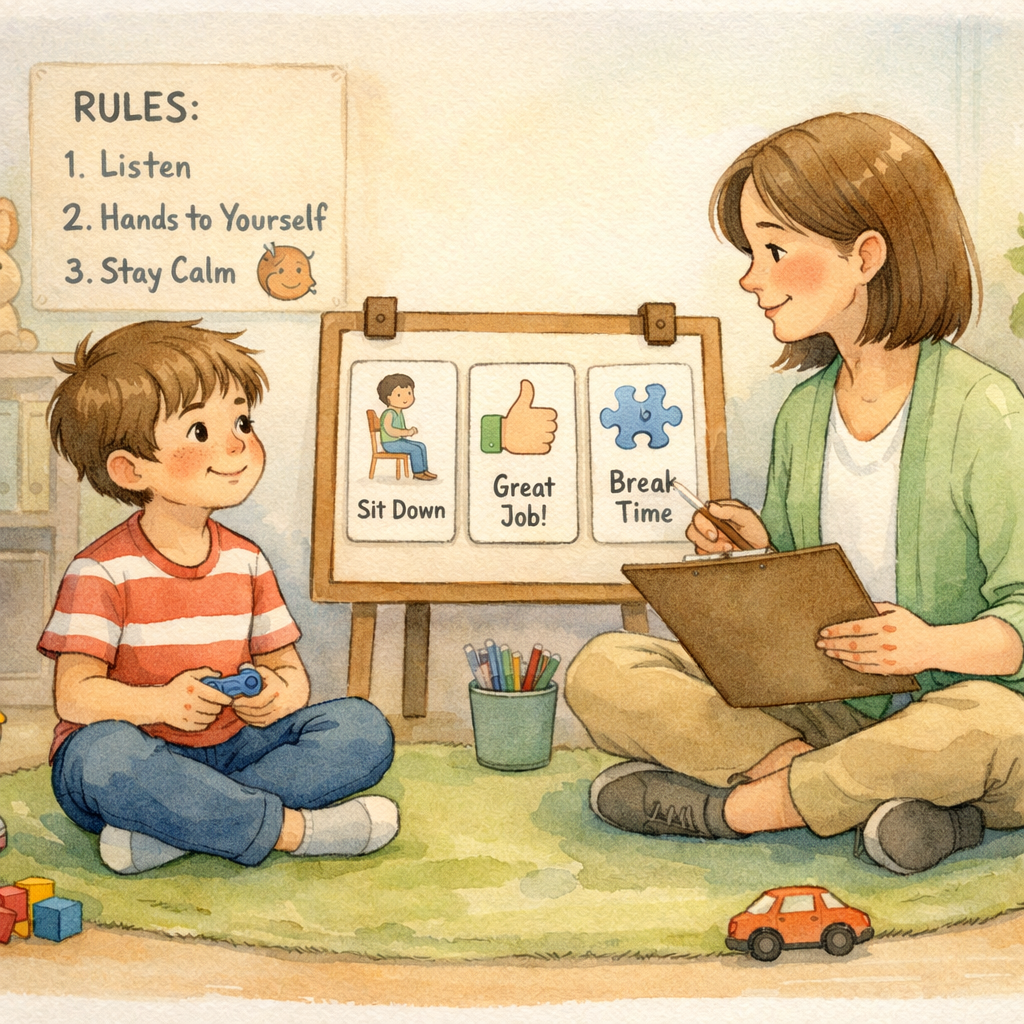
When ADHD and autism co-exist, the combination of symptoms can look different from either condition alone. Recognizing the signs of ADHD comorbidity is essential for seeking a correct diagnosis and appropriate support. The blend of impulsivity from ADHD and social challenges from autism can create a distinct behavioral and emotional profile.
Individuals might struggle to interpret social cues and then react impulsively, or their sensory sensitivities could be heightened by hyperactivity. Let’s look at some common indicators across behavior, communication, and social skills.
Behavioral and Emotional Indicators
When ADHD and autism occur together, behavioral and emotional signs can be complex. Emotional dysregulation is often a prominent feature, with individuals experiencing intense emotional reactions that may seem disproportionate to the situation. The struggle to manage both impulse control and social expectations can be overwhelming.
Common signs include:
- Intense emotional outbursts: Difficulty regulating emotions can be more pronounced.
- Extreme executive dysfunction: Challenges with planning, organization, and starting tasks are often severe.
- Contradictory behaviors: A person might crave routine (autism trait) but struggle to stick to it due to inattention (ADHD trait).
- Heightened irritability: Externalizing behaviors and irritability are very prevalent in children with a dual diagnosis.
These indicators highlight the internal conflict that can arise from having both conditions. While there are key differences between ADHD and autism, their combined presence requires a nuanced approach, often involving behavioral therapy to address these amplified challenges with executive functioning and emotional regulation.
Communication Difficulties
Communication difficulties are a common sign when ADHD and autism co-occur. While challenges with social communication are a core feature of autism, ADHD adds another layer of complexity. An individual might have trouble with non-verbal cues like eye contact, a classic autistic trait, but also struggle with the impulsivity of interrupting others, which is typical of ADHD.
This combination can make conversations particularly strenuous. A person might dominate a conversation by talking excessively about a specific interest (a trait seen in both conditions) while simultaneously having difficulty listening to others or staying on topic due to inattention. Their executive function deficits can make it hard to organize their thoughts and express them clearly during social interaction.
These compounded communication skills challenges can lead to misunderstandings and social frustration. The individual may want to connect with others but find that their communication style creates barriers, making it difficult to form and maintain relationships.
Social Skills and Relationship Challenges
Navigating social situations can be one of the most significant challenges when ADHD and autism occur together. The social challenges are often more complex than with either condition alone. A person with a dual diagnosis may misinterpret social cues due to autism and then react impulsively due to ADHD, creating awkward or difficult interactions.
For example, they might not understand the unwritten rules of a conversation and then frequently interrupt or change the subject abruptly. This can make it hard for others to follow along and may lead to social rejection. The desire for social connection might be strong, but the necessary communication skills and social awareness are hard to access.
This blend of symptoms can make building and sustaining friendships very difficult. The person may feel isolated or misunderstood, as their social behavior doesn't fit neatly into the patterns of just ADHD or just autism. Supporting the development of social skills is, therefore, a critical part of managing this comorbidity.
Distinguishing Features: Autism vs. ADHD
Despite a significant overlap, there are key differences between autism and ADHD that are important for an accurate diagnosis. Understanding these distinctions helps clinicians differentiate between autistic traits and ADHD traits, which is crucial for a correct diagnosis of ASD or ADHD, or both. The core motivations behind certain behaviors often differ between the two conditions.
For example, social difficulties in ADHD may stem from inattention or impulsivity, while in autism, they often arise from a fundamental difficulty in understanding social norms. Examining these nuances in attention, routines, and sensory processing can help clarify the clinical picture.
Attention Differences and Focus Patterns
One of the key distinguishing features between ADHD and autism lies in their patterns of attention. ADHD is primarily characterized by a deficit in sustained attention. Individuals with ADHD symptoms often find it difficult to focus on tasks that are not highly stimulating, are easily distracted, and may struggle to complete assignments. This attention deficit is consistent across various situations.
In contrast, autistic people may not have a primary attention deficit. Instead, their attention can be highly focused, a state often called "hyperfocus." They can concentrate intensely on topics of specific interest for long periods. The challenge for autistic people is often shifting their attention away from these interests or focusing on non-preferred tasks.
So, while both may show symptoms of inattention, the underlying cause differs. In ADHD, it's a difficulty in sustaining focus, whereas in autism, it's often an issue of over-selective attention or difficulty disengaging from a preferred activity.
Routines and Preferences for Structure
Preferences for routine and structure also highlight a major difference between ADHD and autism. A strong insistence on sameness and predictable routines is a hallmark characteristic of autism. Autistic individuals often find comfort in predictability, and disruptions to their routines can cause significant distress. This is linked to their need for a structured environment and engagement in specific interests or repetitive behaviors.
On the other hand, individuals with ADHD often struggle with maintaining routines due to challenges with executive functioning. While they may benefit from structure, their impulsivity and inattention can make it difficult to stick to a schedule. They may crave novelty and become bored with repetitive tasks, which is in direct contrast to the autistic preference for sameness.
When both conditions are present, this can create an internal conflict. An individual might desire the comfort of a routine but find themselves unable to maintain it, impacting their daily functioning and causing frustration.
Sensory Processing Variations
Sensory processing variations are another area where ADHD and autism differ, presenting unique challenges when they co-occur. Sensory sensitivities are a core diagnostic feature of autism. Autistic individuals can be either hypersensitive (over-responsive) or hyposensitive (under-responsive) to sensory input like sounds, lights, textures, or smells. This can lead to sensory overload and impact mental health.
While not a core feature of ADHD, some individuals with the condition also experience sensory processing issues. However, it's more common for them to be sensory-seeking as a way to regulate their high energy levels and inattention. They might fidget, move constantly, or seek out intense sensory experiences.
For autistic children and adults with comorbid ADHD, these sensory needs can be complex and contradictory. They might be overwhelmed by loud noises (hypersensitivity) while also needing to move constantly to stay focused (sensory-seeking). Managing this conflicting sensory input is one of the unique challenges of living with a dual diagnosis.
Management Strategies for Comorbid ADHD and Autism
Managing ADHD comorbidity with autism requires an integrated and personalized treatment plan. Because individuals with a dual diagnosis have a unique blend of needs, strategies must address symptoms from both conditions simultaneously. A one-size-fits-all approach is rarely effective. The goal is to improve functioning and quality of life by targeting the most impairing symptoms.
Effective management often combines different types of therapies, potential medication, and strong family involvement. Behavioral therapy and occupational therapy can help build skills, while a supportive network is crucial for navigating daily challenges.
Behavioral and Skill-Based Therapies
Behavioral and skill-based therapies are cornerstone treatment options for individuals with both ADHD and autism. These therapies are tailored to address the specific challenges of the dual diagnosis, focusing on building practical skills for everyday life. The goal is to improve independence and reduce challenging behaviors.
Several therapeutic approaches can be beneficial:
- Behavioral therapy: This can help with emotional regulation, impulse control, and reducing disruptive behaviors.
- Occupational therapy: This is particularly useful for addressing sensory sensitivities and developing daily living skills, such as dressing and hygiene.
- Social skills training: Groups or individual sessions can teach individuals how to navigate social situations, understand cues, and build relationships.
- Speech and language therapy: This can improve communication skills, helping individuals express their needs and understand others more effectively.
These therapies equip individuals with the tools they need to manage their symptoms and thrive in various environments.
Medication Considerations
Medication can be an effective part of the treatment plan for someone with both ADHD and autism, particularly for managing core ADHD symptoms. Stimulant medications are commonly prescribed for an ADHD diagnosis to improve focus, decrease impulsivity, and enhance executive function. However, the response to these medications can be different in individuals who also have autism.
Some studies suggest that people with a dual diagnosis may be more sensitive to the side effects of stimulant medications, such as increased irritability or anxiety. Therefore, a "start low, go slow" approach is often recommended, with careful monitoring by a healthcare professional. Non-stimulant medications are another option that may be considered.
It's important to remember that medication does not treat the core symptoms of ASD. It is used to manage co-occurring conditions like ADHD or anxiety to improve overall functioning and mental health, allowing the individual to better engage in behavioral therapies.
Role of Support Networks and Family
The role of support networks and family is invaluable in managing comorbid ADHD and autism. A strong support system provides the emotional and practical foundation needed to navigate the challenges of a dual diagnosis. Family members, friends, teachers, and therapists all play a part in creating a supportive environment that fosters growth and improves quality of life.
Family members can learn specific strategies to help with daily functioning, such as establishing predictable routines and providing clear, consistent communication. Educating oneself about the specific needs of the individual is crucial. After an accurate diagnosis, families can work with professionals to implement consistent strategies at home and school.
Support networks also offer a sense of community and reduce feelings of isolation. Connecting with other families facing similar challenges can provide validation, practical advice, and emotional reinforcement. Ultimately, a collaborative and understanding support system is one of the most effective "therapies" for helping an individual thrive.
Daily Life and Routine Adaptations
Adapting daily life and routines is essential for individuals managing both ADHD and autism. The conflicting needs of the two conditions—the desire for routine versus the struggle with organization—require creative and flexible strategies. Difficulties with executive function can make tasks like time management and planning particularly challenging.
By implementing practical adaptations, individuals can create a more predictable and manageable environment. These strategies aim to reduce stress, prevent overload, and promote independence in daily life. This section will cover organization tips, coping with sensory issues, and fostering self-advocacy.
Strategies for Organisation and Time Management
ADHD and autism comorbidity profoundly affects daily routines due to significant challenges with executive functioning. To manage this, clear strategies for organization and time management are critical. These coping strategies can help bridge the gap between the desire for order and the difficulty in maintaining it.
Here are some effective strategies:
- Visual schedules: Using charts, calendars, or whiteboards to outline the day's activities provides a clear, predictable structure.
- Breaking down tasks: Large projects can be overwhelming. Breaking them into smaller, manageable steps makes them less daunting.
- Using timers and alarms: Timers can help with transitions between activities and manage time spent on specific tasks.
- Creating designated spaces: Having a specific place for everything (e.g., keys, homework, backpack) reduces clutter and the stress of losing items.
Implementing these daily living skills can improve academic performance, reduce household stress, and empower individuals to manage their time more effectively.
Coping with Sensory Overload
Sensory overload is a frequent challenge in daily life for autistic individuals, and it can be intensified by ADHD. The constant need for movement from ADHD can clash with the overwhelming feelings from sensory input, making it hard to find balance. Developing coping strategies for managing sensory processing issues is essential for mental health and well-being.
One effective strategy is to create a "sensory diet," which is a personalized plan of activities designed to meet an individual's sensory needs. This might include scheduled movement breaks to satisfy sensory-seeking tendencies or quiet time in a dimly lit room to recover from overstimulation. Identifying triggers is also crucial. Knowing that crowded malls or loud concerts are overwhelming allows for planning and avoidance when necessary.
Using tools like noise-canceling headphones, weighted blankets, or fidget toys can also help regulate sensory input throughout the day. These strategies empower autistic individuals to manage their environment and prevent the distress of sensory overload.
Encouraging Independence and Self-Advocacy

Fostering independence and self-advocacy is a vital goal for individuals with ADHD and autism, as it profoundly impacts their daily functioning and long-term success. As they grow, it becomes increasingly important for them to understand their own needs and communicate them to others. This includes advocating for accommodations at school, in the workplace, and in social settings.
Encouraging independence starts with teaching practical daily living skills and problem-solving abilities. This might involve practicing how to order food at a restaurant, use public transportation, or manage a personal budget. Building cognitive flexibility—the ability to adapt to unexpected changes—is also key.
Teaching self-advocacy involves helping individuals articulate their needs clearly and confidently. For example, they can learn to say, "I need a quiet space to work," or "Can you please break down the instructions for me?" Achieving higher levels of independence and self-advocacy empowers them to take control of their lives and build a future that works for them.
Conclusion
Navigating the complexities of ADHD and autism comorbidity can feel overwhelming, but understanding the shared characteristics and challenges is a vital first step. By recognizing the common signs and implementing effective management strategies, individuals and families can foster a supportive environment that promotes growth and independence. It’s essential to approach each day with patience, adaptability, and a willingness to embrace the unique needs of those living with these conditions. Remember, you are not alone in this journey.
If you’re seeking more tailored support or guidance, we encourage you to reach out for consultation or call daar at 02 9133 2500 and explore the available resources.
Frequently Asked Questions
How common is ADHD and autism comorbidity in children and adults in Australia?
The prevalence of comorbid ADHD in autistic children and adults is high. While exact Australian statistics can vary, international research suggests that 50-70% of individuals with a diagnosis of ASD also meet the criteria for ADHD. This significant overlap has led to changes in the Statistical Manual of Mental Disorders to allow for a dual diagnosis.
Can ADHD symptoms mask or overlap with autism traits?
Yes, ADHD symptoms can easily mask or overlap with autistic traits. Both conditions share challenges like executive dysfunction and social difficulties. The hyperactivity and inattention of ADHD can be more prominent, drawing attention away from the subtle social communication differences and restricted interests characteristic of autism, which can complicate meeting the diagnostic criteria.
What are the best therapies for managing comorbid ADHD and autism?
The best treatment plan for comorbid ADHD and autism is integrated and individualized. It typically includes behavioral therapy to manage emotional regulation and impulsivity, and occupational therapy to address sensory needs and daily living skills. Strong support networks and therapies focused on building communication skills are also essential components of effective management.
ASD and ADHD Comorbidity: What Are We Talking About?
ADHD and autism comorbidity refers to the occurrence of both Attention Deficit Hyperactivity Disorder (ADHD) and Autism Spectrum Disorder (ASD) in an individual. This combination can complicate diagnosis and treatment, as symptoms may overlap or exacerbate each other, requiring a tailored approach for effective management and support.
.svg)




.svg)