
.png?width=48&height=48&name=Group%201%20(3).png)























9 February, 2026

Behaviour Therapy for Kids: Unlocking Your Child’s Potential
Parenting is a journey filled with immense joy, but it also comes with its fair share of challenges. Every child has moments where they struggle to listen, manage their emotions, or get along with others. However, when these struggles become persistent, impacting school life, friendships, or family harmony, it might be time to look for extra support.
This is where behaviour therapy for kids comes in. Far from being a punishment or a sign of "bad" parenting, behavioural therapy is a constructive, evidence-based approach to helping children understand their own actions and develop the skills they need to navigate the world successfully.
Whether you are dealing with tantrums, anxiety, ADHD, or simply want to help your child build better social skills, this guide will explore what behavioural therapy is, how it works, and why it can be a transformative tool for your family.
What is Behaviour Therapy for Kids?
Behaviour therapy for kids is a broad term for a range of therapeutic techniques designed to reinforce positive behaviours and reduce unwanted or challenging ones. Unlike traditional talk therapy, which focuses on deep psychological analysis, behavioural therapy is action oriented. It focuses on the "here and now."
The core philosophy is simple: behaviour is learned, and therefore, it can be unlearned or modified. By changing the environment and the way adults respond to a child, we can help the child change their behaviour.
The Goal of Therapy
The ultimate goal isn't to create a "robot" child who blindly obeys orders. Instead, the aim is to:
- Teach Self-Regulation: Helping children manage big feelings like anger or frustration.
- Improve Social Skills: Teaching them how to share, take turns, and read social cues.
- Boost Independence: Encouraging them to complete tasks on their own.
- Reduce Conflict: Minimizing power struggles and meltdowns at home.
Common Types of Behavioural Therapy
There isn't a one-size-fits-all approach. Therapists use different modalities depending on the child's age, needs, and diagnosis.
1. Applied Behaviour Analysis (ABA)
Often used for children with autism spectrum disorder (ASD), ABA is a structured method that breaks down skills into small, manageable steps. It uses a system of rewards to encourage positive behaviours and consistency to discourage negative ones.
2. Cognitive Behavioural Therapy (CBT)
Best suited for older children (usually 6+), CBT helps kids understand the connection between their thoughts, feelings, and actions. For example, a child with anxiety might learn to identify "scary thoughts" and replace them with more realistic, calming ones, leading to braver behaviour.
3. Parent-Child Interaction Therapy (PCIT)
This unique approach involves coaching parents in real-time. A therapist watches the parent and child interact (often through a one-way mirror or video feed) and guides the parent through an earpiece. It empowers parents with the exact words and strategies to use in the moment to de-escalate conflict and build connection.
4. Play Therapy
For young children who cannot articulate their feelings, play is their language. Therapists use toys, art, and games to help children's express emotions and act out scenarios, allowing the therapist to guide them toward healthier behaviours in a safe environment.
The Benefits of Early Intervention
Waiting for a child to "grow out of it" is a common strategy, but it isn't always the most effective one. Engaging in behaviour therapy for kids early can prevent small issues from becoming ingrained habits.
- Improved Academic Performance: Better focus and impulse control lead to better learning.
- Stronger Family Bonds: When parents have effective tools to manage behaviour, stress levels drop, and positive interactions increase.
- Higher Self-Esteem: Children feel good about themselves when they succeed. Therapy gives them the roadmap to that success.
Strategies You Can Try at Home
While professional therapy is invaluable, the principles of behavioural therapy can be applied in your living room today.
The Power of Positive Reinforcement
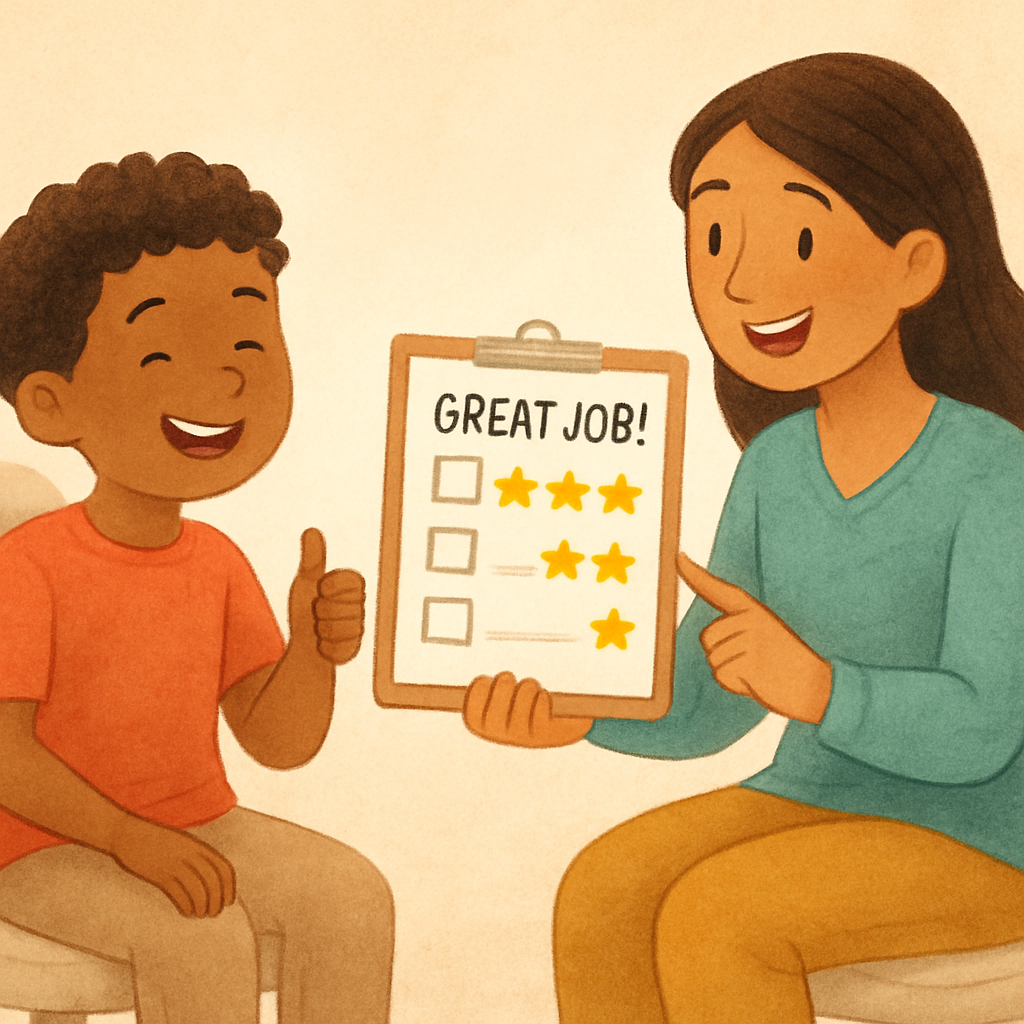
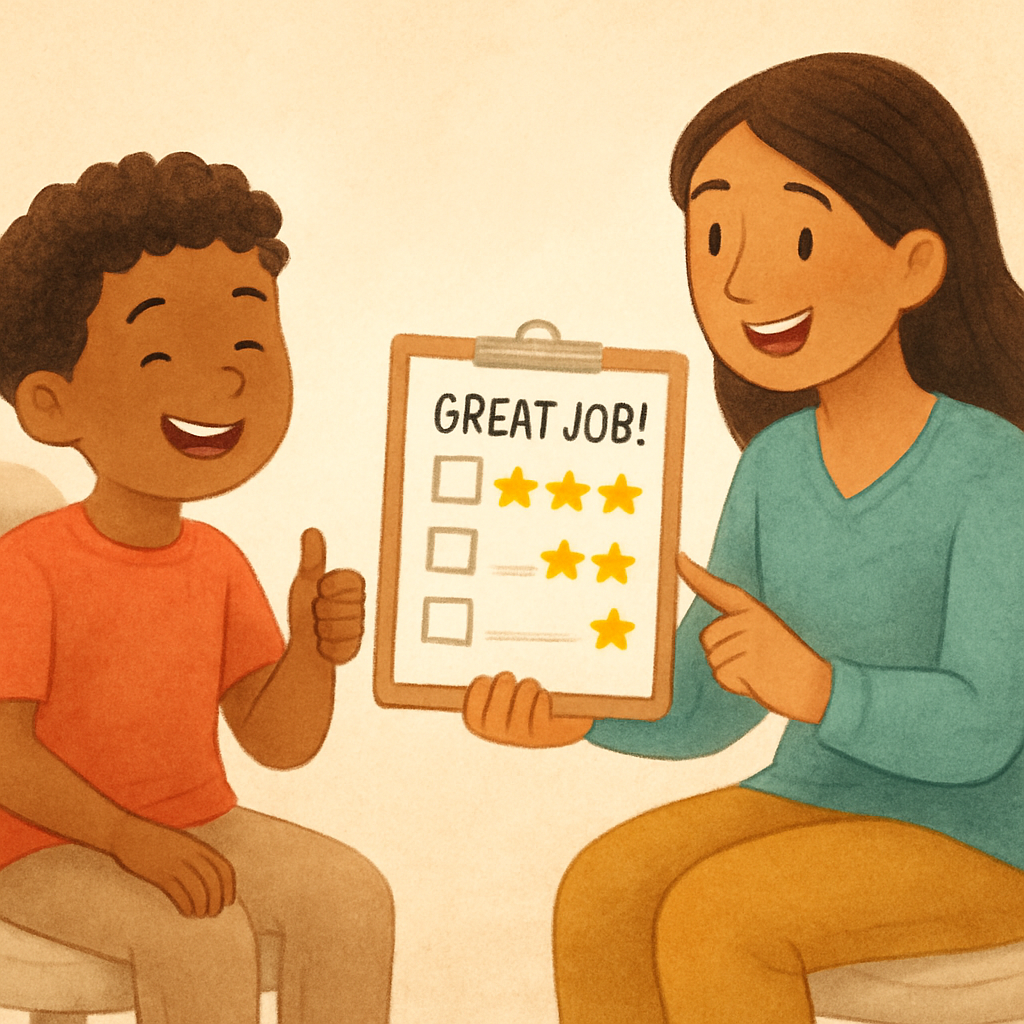
It is easy to pay attention to a child only when they are misbehaving. Flip the script. "Catch" your child being good.
- Instead of: Ignoring them when they are playing quietly and yelling when they fight.
- Try: Saying, "I love how you are sharing your blocks with your sister!"
Specific praise reinforces the behaviour you want to see more of.
Clear and Consistent Boundaries
Children thrive on predictability. If a rule exists (e.g., "No screen time until homework is done"), it must be enforced every time. Intermittent enforcement teaches a child that if they argue long enough, the rule might change.
Visual Schedules
For children who struggle with transitions or remembering tasks, visual aids are a game-changer. A chart showing "Brush Teeth -> Put on Pajamas -> Read Book" reduces nagging and empowers the child to take ownership of their routine.
Conclusion
Raising a child is the most important job you will ever do, but you don't have to do it without a map. Behaviour therapy for kids offers that map. It provides a framework for understanding why your child acts the way they do and offers practical, compassionate tools to guide them toward a happier, more well-adjusted future.
By addressing behavioural challenges with empathy and evidence-based strategies, you aren't just solving today's problems—you are building the foundation for your child’s lifelong emotional health.
If you are looking for guidance on how to support your child’s behavioural development, we are here to help. Our team of experienced therapists specializes in creating personalized plans that fit your family’s unique needs.
Contact us today to schedule a consultation or call daar at 02 9133 2500 and take the first step toward a calmer, more connected home.
Frequently Asked Questions (FAQ)
How do I know if my child needs behaviour therapy?
If your child’s behaviour is disrupting their daily life, affecting their ability to make friends, causing them distress, or creating significant conflict in the family, it is worth consulting a professional. Red flags include aggression, extreme tantrums past the toddler years, or severe anxiety.
Is behaviour therapy only for children with diagnoses like ADHD or Autism?
No. While it is a primary treatment for these conditions, behaviour therapy for kids is beneficial for any child struggling with emotional regulation, defiance, sleep issues, or social challenges.
Will therapy change my child’s personality?
Not at all. The goal is to help your child manage their challenges so their true personality can shine through. A spirited child will still be spirited, but they will learn how to channel that energy safely and productively.
.svg)




.svg)