
.png?width=48&height=48&name=Group%201%20(3).png)























2 March, 2026

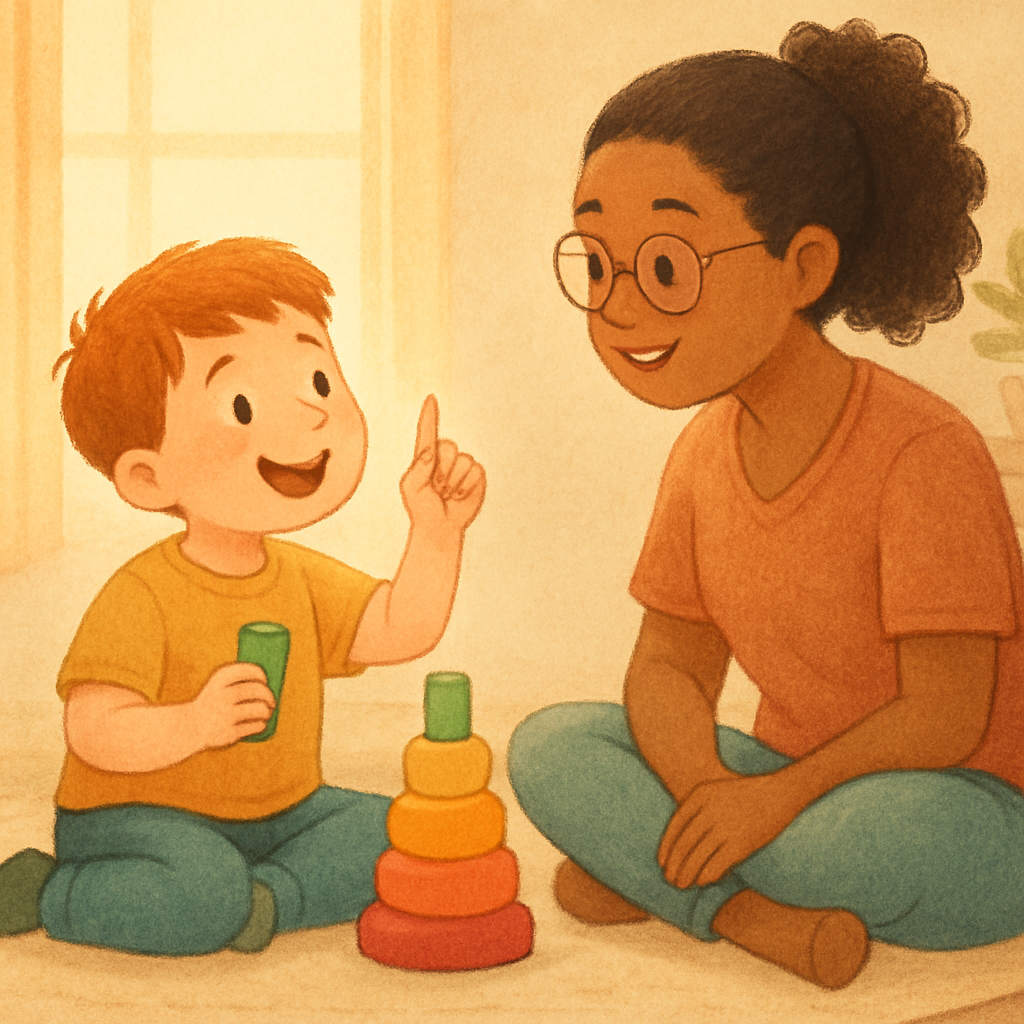
Transforming Lives: Behavioural Therapy for Kids Insights
Key Highlights
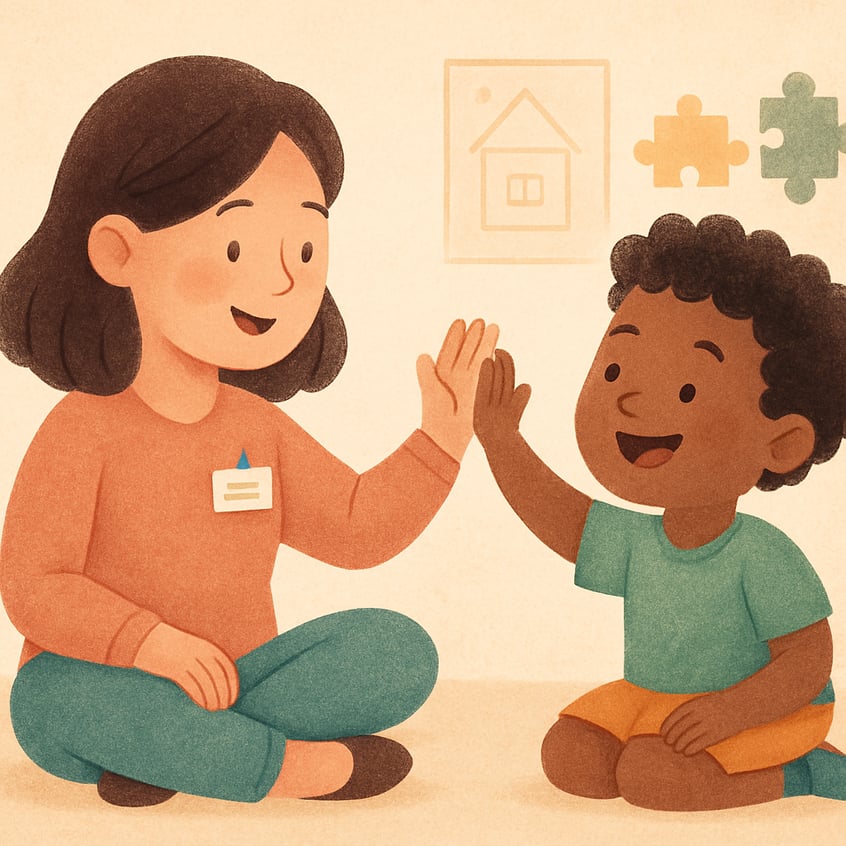
- Behavioural therapy uses positive behaviour support to help children develop practical skills and improve their quality of life. Unlike the use of restrictive practices, which manage challenging behaviors by limiting a child's actions or choices, positive behaviour support focuses on encouraging positive behaviour through early intervention and teaching proactive strategies. This approach aims to address the underlying causes of behavior, resulting in better long-term positive outcomes for children. Early intervention is crucial, as addressing challenges at a young age leads to better long-term positive outcomes.
- Early intervention is crucial, as addressing challenges at a young age leads to better long-term positive outcomes.
- A personalized support plan is created to teach new skills, manage emotions, and foster positive change. Socialised behaviour therapy plays an important role in positive behaviour support by helping individuals learn appropriate social interactions in real-life settings, which supports the development of new skills and contributes to lasting positive change. The National Disability Insurance Scheme (NDIS) helps Australian families access vital therapy services and resources.
- The National Disability Insurance Scheme (NDIS) helps Australian families access vital therapy services and resources.
- Techniques are tailored for conditions like ADHD and autism, focusing on building confidence and social skills.
- Behavioural therapy equips caregivers with strategies to create a supportive and nurturing environment at home.
Introduction
Watching a child grow and navigate the world is a remarkable journey. Sometimes, they face challenges that affect their behaviour and mental health. This is where behavioural therapy can make a world of difference. It's an empowering approach focused on creating positive change in a child's life. By understanding the "why" behind their actions, we can support their child development, teach valuable life skills, and help them build a foundation for a happy, confident future. This guide will explore how behavioural therapy works and the incredible impact it can have.
Understanding Behavioural Therapy for Kids
Behavioural therapy is a structured approach designed to provide behavioural support for children facing various challenges. It focuses on teaching new skills and reinforcing good conduct through techniques like positive reinforcement. The goal is to replace challenging behaviours with healthier, more effective ones.
A key part of this process involves creating a personalized support plan that addresses your child’s unique needs. This plan helps them develop better social skills and manage their emotions, empowering them to thrive in different settings. Let's look closer at what this therapy involves and how it supports a child's growth.
What Is Behavioural Therapy?
Behavioral therapy is an action-oriented approach that helps children build social skills and manage daily activities. Based on the idea that behaviors are learned and can change, therapists use evidence-based techniques to teach new, constructive ways of acting.
A key tool is the individualized behavior support plan, which sets specific goals and outlines positive strategies to achieve them. For people with disabilities, positive behavior support focuses on understanding the reasons behind behaviors and teaching new skills, improving communication and participation rather than just controlling actions.
This therapy also supports emotional regulation, helping children understand and manage their feelings. Through guided practice in a safe setting, kids learn to handle social situations and gain confidence for lasting positive change.
How Behavioural Therapy Supports Children’s Development
Behavioral therapy is essential for a child’s development, providing them with tools for daily life. It enhances communication skills, reducing frustration and improving social interactions with family and peers.
By prioritizing mental health, therapy creates a supportive space where children feel safe to learn and grow. Therapists help build resilience and self-esteem, boosting confidence and overall quality of life. As a result, children are better able to make friends, succeed in school, and engage in their communities.
Ultimately, positive behavior support reduces stress and increases independence. When individuals can express their needs and manage challenges, they feel more empowered and in control—leading to stronger relationships, greater happiness, and more growth opportunities.
Types of Behavioural Therapies Used with Kids
There isn't just one type of behavioural therapy; therapists use a variety of approaches to provide practical solutions tailored to each child's needs. These therapy services are often integrated with other supports, like speech therapy or occupational therapy, to create a holistic behaviour support plan. This ensures all aspects of a child's development are addressed.
The choice of therapy depends on the specific challenges the child is facing. For instance, some strategies focus on building communication skills, while others target emotional regulation or social interactions. Key strategies used in positive behaviour support plans often include proactive measures to prevent challenging behaviours before they start.
Some common and effective types of behavioural therapies include:
- Applied Behaviour Analysis (ABA): Uses proven techniques to strengthen communication and reduce challenging behaviours.
- Cognitive Behavioural Therapy (CBT): Helps children understand the connection between their thoughts, feelings, and actions.
- Social Skills Training: Teaches children how to interact appropriately with peers through role-playing and guided practice.
- Play Therapy: Uses play to help younger children express feelings and work through challenges in a natural setting.
Importance of Early Intervention in Childhood
Early support can greatly impact a child’s life. Early intervention builds core developmental and communication skills, increasing the chances of positive outcomes. Addressing challenges early helps children develop healthy habits and coping skills.
This proactive approach also equips caregivers with the tools and confidence to support their child’s growth. Ultimately, early action leads to a better quality of life. Let’s explore how early therapy influences long-term success and key signs to watch for.
Impact of Early Behavioural Therapy on Long-Term Outcomes
Early behavioral therapy profoundly shapes a child’s future. Addressing challenging behavior early, through positive support plans and techniques like positive reinforcement, helps children develop confidence, social skills, and emotional regulation. This foundation boosts independence and improves quality of life—making relationships, academic success, and self-esteem easier to achieve.
Early intervention reduces the need for intensive support later and equips children with lifelong coping strategies.
|
Area of Impact |
Long-Term Outcome |
|---|---|
|
Social Skills |
Strong friendships and better peer relationships |
|
Emotional Regulation |
Improved ability to manage stress and frustration |
|
Academic Performance |
Greater focus and participation in school |
|
Independence |
Increased self-sufficiency in daily tasks and decisions |
Identifying Early Signs That Indicate the Need for Support
Knowing when to seek help is crucial. While every child develops differently, certain signs may indicate the need for professional support. These often involve mental health, emotional regulation, or social comfort. Noticing these early can help you build a strong support network.
Trust your instincts as a parent. If persistent issues affect your child's happiness or daily life, consulting a professional is a positive step. Early detection enables timely intervention and can make a big difference.
Common signs to watch for include:
- Frequent Intense Emotional Outbursts: Trouble controlling emotions that seem excessive.
- Withdrawal from Social Situations: Regularly avoiding peers or showing extreme anxiety.
- Persistent Difficulty with Routines: Struggling with transitions or daily tasks despite guidance.
Behavioural Therapy and NDIS in Australia
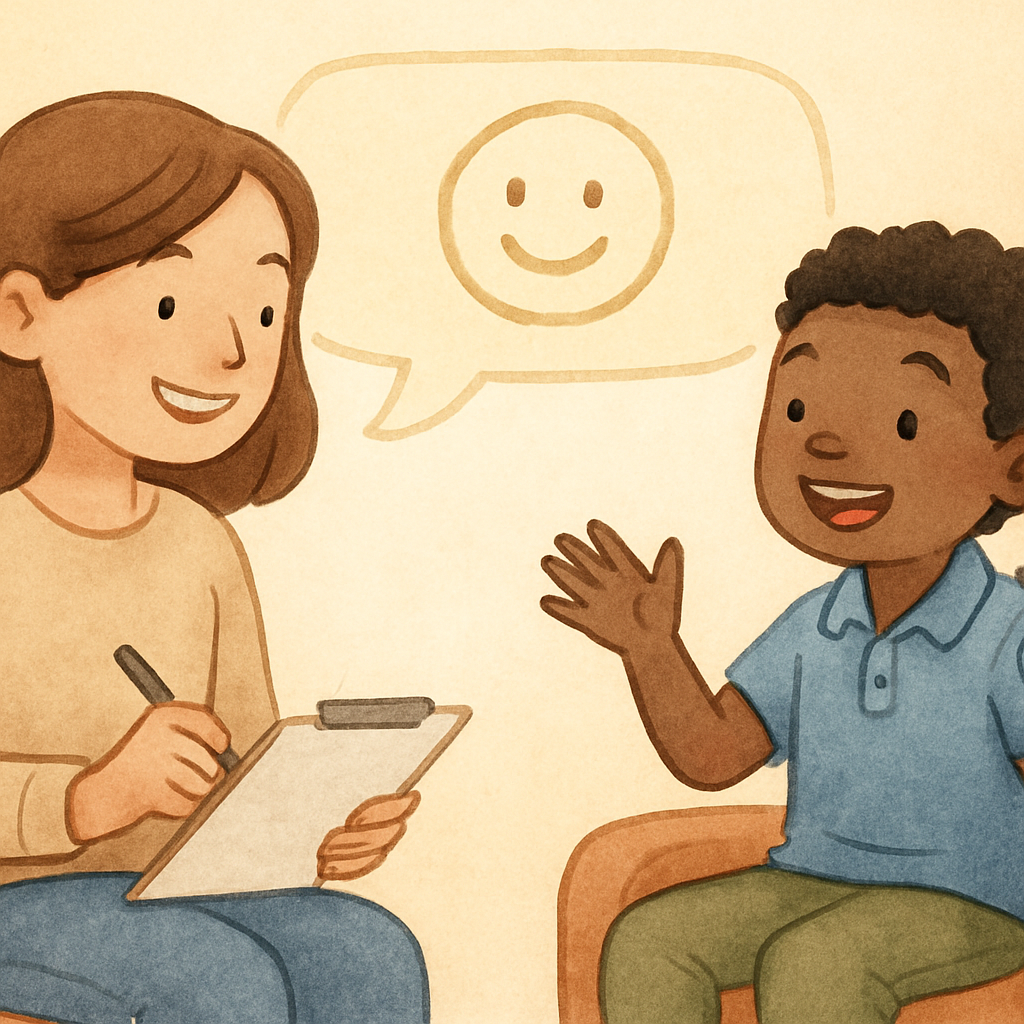
For Australian families, the National Disability Insurance Scheme (NDIS) is a vital resource for behavioral therapy. NDIS participants can use their funding to hire registered providers who support their goals, giving people with disabilities greater choice and control.
You can find therapists who develop personalized support plans for your child’s needs. The NDIS also offers practical resources and supports programs like student placements to expand the workforce. Next, we’ll explore how the NDIS works, practitioner roles, and how to find them.
How NDIS Supports Access to Behavioural Therapy for Kids
The NDIS enables children, including those with autism, to access essential therapy services. As an NDIS participant, your child’s funding can cover behavioral therapy from registered providers, supporting a personalized plan for positive change.
Positive behavior support is central to the NDIS, promoting independence and social participation. This approach focuses on understanding individual needs and building skills, rather than just managing behavior. It empowers children to achieve their goals and improve their quality of life.
By funding these services, the NDIS ensures children receive professional help to develop communication skills, manage emotions, and build healthier relationships. This specialized support can be transformative for both the child and their family, paving the way for a brighter future.
Qualifications and Role of Positive Behaviour Support Practitioners
A Positive Behavior Support (PBS) practitioner is a qualified professional who designs and oversees strategies to improve a person’s well-being. Typically trained in fields like psychology, occupational therapy, or social work, PBS practitioners have specialized expertise in positive behavior support and often collaborate with other professionals for a holistic approach.
Their main role is to assess the reasons behind challenging behaviors—often through tools like Functional Behavior Assessments (FBA)—and develop personalized support plans with practical strategies. They also train caregivers, family members, and teachers to ensure consistent use of these strategies across all settings.
By building skills within the person's support network and focusing on psychological health, PBS practitioners create lasting, meaningful change.
Finding Behavioural Therapists and Resources in Australia
Finding the right behavioral therapist and resources can be overwhelming, but Australia offers many support options. Start by asking your GP or pediatrician for referrals. The NDIS Provider Finder tool also helps locate registered therapists nearby.
Building a strong support network is essential. Choose organizations that provide therapy in a comfortable, supportive environment for your child. Many providers offer practical resources, like daar’s workshops, to help parents and caregivers support their child's development at home.
Where to find behavioral therapists and resources:
- NDIS Website: Use the provider search tool for local, registered therapists.
- GP or Specialist: Request recommendations and referrals.
- Autism-Specific Organizations: Groups like Autism Spectrum Australia list service providers.
- Provider Workshops and Programs: Explore offerings such as daar’s programs for specialized services and training.
Practical Examples of Positive Behaviour Support in Action
Seeing how a positive behaviour support plan works in the real world can be incredibly inspiring. These plans begin with a functional behaviour assessment to understand the purpose of a behaviour. From there, a collaborative approach involving therapists, families, and schools is used to implement strategies.
The real stories from families show the meaningful difference this support can make in a child's life. By looking at these examples, you can get a clearer picture of how these techniques are applied and the positive changes they bring. We'll share some success stories and explore techniques tailored for specific needs.
Real-Life Success Stories from Australian Families
Real-life examples highlight the impact of behavioral therapy. One young boy struggled with transitions, often melting down when moving between activities. With a positive behavior support plan and a visual schedule, his family reduced his anxiety and boosted his confidence, transforming their dynamic.
Another child had trouble sharing in groups. Her therapist helped her and her parents practice turn-taking, using praise and small rewards to encourage cooperative play.
These stories show that consistent, caring strategies help children replace challenging behaviors with skills that let them thrive.
PBS Techniques Tailored for Children with ADHD and Autism
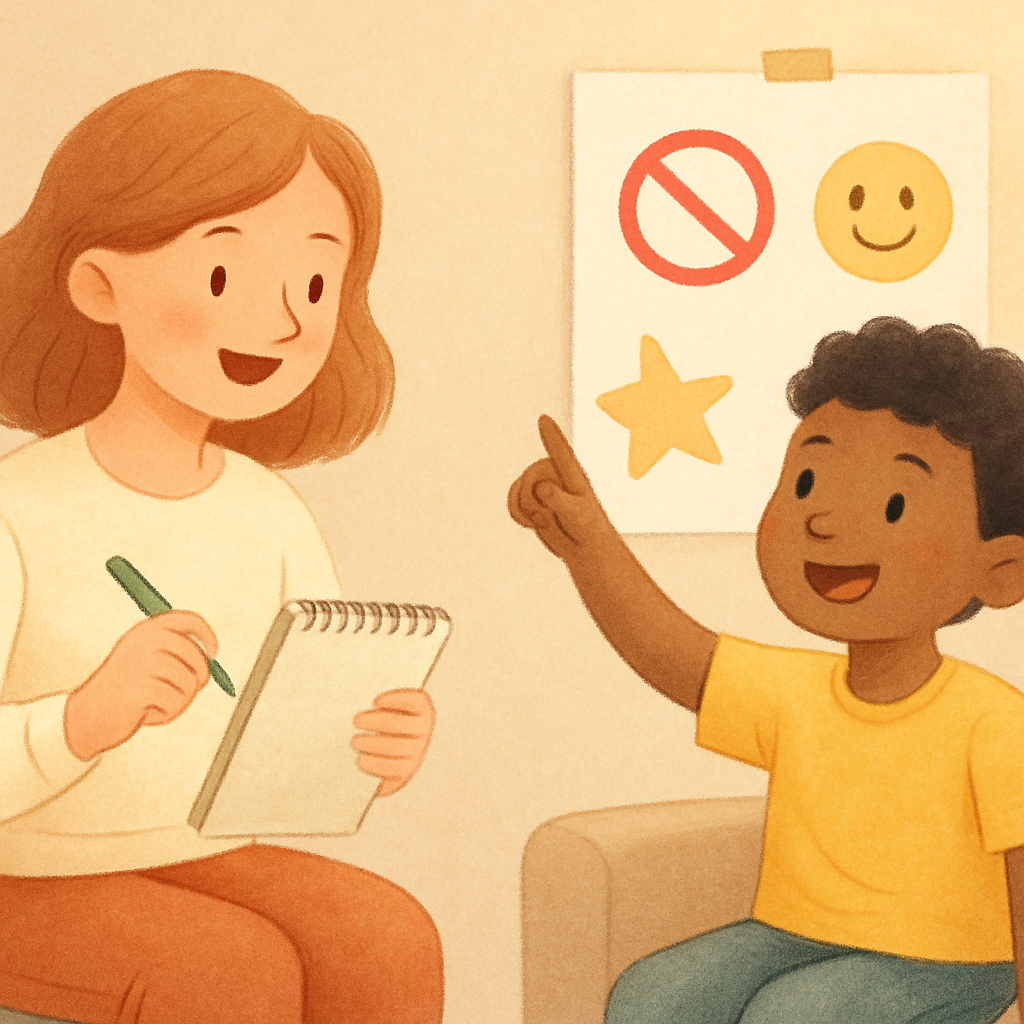
Children with conditions like autism spectrum disorder (ASD) and ADHD often benefit from structured behavioural techniques tailored to their unique needs. For a child with ADHD, parents can use positive behaviour support by breaking down tasks into smaller, manageable steps and providing frequent positive reinforcement for staying on track. Clear, simple instructions and consistent routines are also highly effective.
For children with ASD, who may be sensitive to their surroundings, environmental modifications can make a huge difference. This might involve reducing noise in a classroom or creating a quiet space at home where they can decompress. Strategies are designed to work in various places, from home to group settings at school.
Here are some tailored PBS techniques:
- Visual Supports: Using picture schedules or social stories to explain expectations and upcoming events.
- Token Economies: A reward system where children earn tokens for desired behaviours that can be exchanged for a prize.
- Sensory Breaks: Providing scheduled time for sensory input, like jumping on a trampoline or using a weighted blanket, to help with regulation.
- Clear and Concrete Language: Avoiding abstract concepts and giving direct, simple instructions.
Conclusion
In conclusion, behavioral therapy is a powerful tool that can transform children’s lives. Early intervention and resources like the NDIS help parents support their child’s development. With the right strategies and professional guidance, children can overcome challenges and achieve long-term success. Take the next step—find a qualified behavioral therapist today to see the positive impact on your family.
Reach out for a consultation or call daar at 02 9133 2500 for expert guidance tailored to your child’s needs.
Frequently Asked Questions
How can positive behaviour support improve my child’s quality of life?
Positive behaviour support improves your child’s quality of life by teaching them skills to communicate their needs and manage emotions. This reduces frustration and anxiety, leading to more positive outcomes in their social life and mental health. An improved ability to navigate daily challenges enhances their overall quality of life and confidence.
What are some easy strategies parents can use at home?
At home, you can use positive reinforcement by praising good behaviour immediately. Establish clear expectations with simple rules and visual schedules for daily living routines. Breaking down tasks into smaller steps is another practical skill that helps your child succeed and builds their confidence as part of your family's support plan.
Where can I access training or guidance on PBS through the NDIS?
You can access training and resources by connecting with a registered NDIS provider. They can guide you through the process and help build your support network. Look for providers that offer workshops, practical resources, or specialized initiatives like daar’s programs to gain the skills needed to support your child effectively.
.svg)




.svg)