
.png?width=48&height=48&name=Group%201%20(3).png)























12 March, 2026

Understanding the Autism Stress Response: Key Insights
Key Highlights
- Autistic people often experience a heightened stress response compared to neurotypical individuals.
- Key factors contributing to stress include sensory sensitivities, challenges in social situations, and disruptions to routine.
- Physiologically, the hormone cortisol plays a significant role in the body's reaction to stress.
- Recognizing signs like meltdowns or shutdowns is crucial for understanding an autistic person's distress.
- Effective coping strategies, such as calming routines and sensory supports, can help manage stress.
- Chronic stress can impact daily life, making social functioning and emotional regulation more difficult.
Introduction
Living on the autism spectrum comes with a unique way of experiencing the world. For many autistic individuals, navigating daily life can involve a higher level of stress than what neurotypical people might encounter. These challenges can stem from social interactions, sensory input, and the need for predictability. Understanding the specific nature of the autism stress response is the first step toward creating supportive environments and developing effective coping mechanisms that improve well-being and quality of life.
Key Factors Contributing to Stress in Autism
Several key factors can contribute to heightened stress levels for autistic people. The constant effort to navigate a world not always designed for their needs can be exhausting. Everyday situations that others might find simple can feel overwhelming.
These stressors often fall into three main categories: sensory overload from the environment, the complexities of social interactions, and unexpected routine changes. Each of these can independently or collectively trigger a significant stress response. Let's explore how these elements impact stress levels.
The Impact of Sensory Sensitivities on Stress Levels
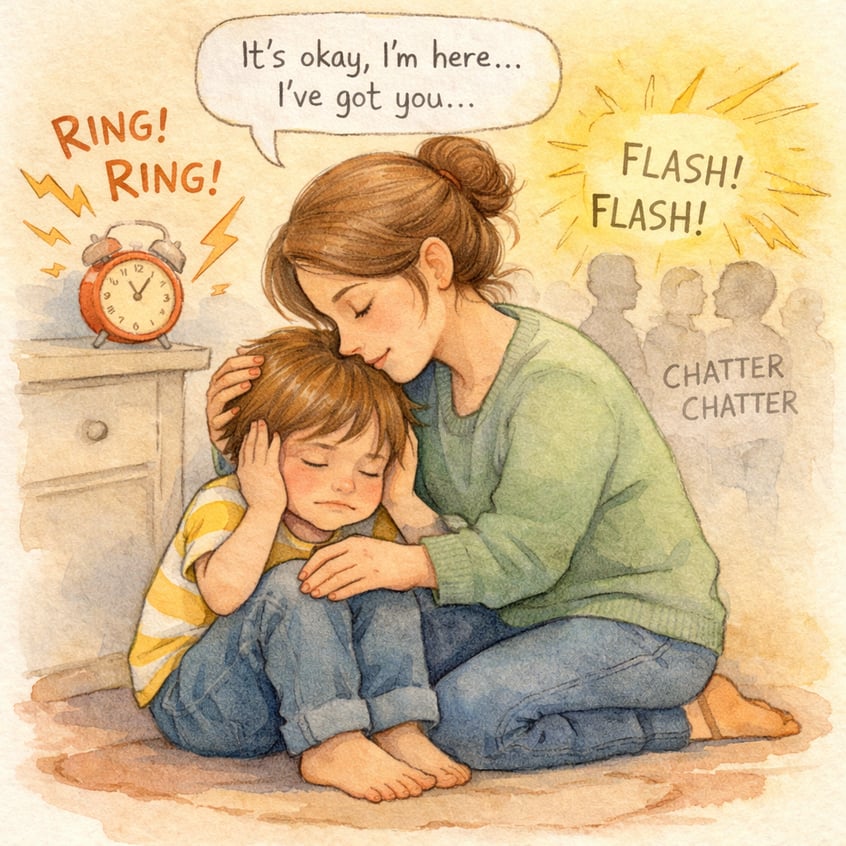
One core trait of autism is differences in sensory processing. Many autistic people are highly sensitive to sights, sounds, textures, or smells that others barely notice. Everyday stimuli—like fluorescent lights or certain fabrics—can be distracting or even painful.
This heightened sensitivity makes autistic individuals more vulnerable to sensory overload. When overwhelmed by too much input, their brains struggle to cope, triggering stress and anxiety. Unlike neurotypical brains, which may adapt, autistic brains often continue perceiving the stimulus as threatening.
The link between sensory sensitivity and stress is strong. Constantly managing overwhelming input can drain mental and emotional energy, leading to chronic stress across all areas of life. Adjusting the sensory environment is a key way to reduce this stress.
Social Challenges and Overwhelm
Social situations often cause stress for many autistic adults and children. Navigating unwritten social rules, interpreting body language, and holding conversations can require significant mental effort. These challenges may lead to misunderstandings, social anxiety, and make socializing feel exhausting.
This pressure can quickly become overwhelming, triggering strong stress responses. Externally, this may look like a meltdown—an intense reaction to overload. Internally, it can result in a shutdown, where the person withdraws to cope.
For autistic adults, these difficulties can impact relationships, work, and overall well-being. The constant need to “mask” or hide autistic traits to fit in is draining and often leads to chronic stress and burnout. Fear of social mistakes adds to daily anxiety.
Routine Disruptions and Change
Predictability and routine provide a sense of safety and control for many autistic people. When routines are disrupted, it can trigger significant stress and anxiety. These disruptions don't have to be major; even small, sudden disruptions in daily life can feel jarring and destabilizing. The brain, which relies on familiar patterns to navigate the day, is forced to adapt unexpectedly, which can be very distressing.
Significant life changes, which are stressful for anyone, can present additional challenges for autistic individuals. These can include:
- Moving to a new house
- Starting a new school or job
- The loss of a loved one
Yes, routine changes can cause long-term stress in autistic children. A lack of predictability can lead to a persistent feeling of being out of control and anxious. This ongoing stress can affect their ability to learn, socialize, and regulate their emotions, potentially leading to more frequent meltdowns or shutdowns over time if not managed with supportive strategies.
Cortisol and the Physiological Stress Pathway
When we talk about stress, it's not just a feeling—it's a physiological process. The body has a built-in stress response system, and a key player in this system is a hormone called cortisol. For autistic people, the way this system functions can be different, leading to unique reactions to stressful situations.
Understanding the role of cortisol helps explain the biological underpinnings of the stress experienced by individuals with autism. Research into this area provides valuable insights into why stress can be so intense and how it might be measured. Let's look closer at this hormone and its connection to the autistic experience.
Understanding Cortisol and Its Role in Autism
Cortisol, known as the "stress hormone," is released during threats or challenges to trigger the "fight or flight" response. It raises heart rate, blood pressure, and energy levels—an essential and healthy reaction.
In autistic individuals, cortisol responses can differ. Some studies show reduced cortisol release to social stress, while others report higher peaks and slower recovery. This points to dysregulated stress management.
Such differences may blunt or prolong stress responses. Slower cortisol recovery means feeling stressed lasts longer, making it harder to calm down. This ongoing arousal often leaves autistic people feeling chronically overwhelmed.
Measuring Cortisol to Detect Stress Levels
Cortisol is a biological marker of stress, so measuring its levels gives objective data about stress. Researchers use different methods to measure cortisol in autistic individuals to understand their physiological responses.
Measuring cortisol can effectively indicate stress levels in autistic people. Saliva and blood samples show short-term changes, while hair samples reveal long-term exposure. As hair grows, it incorporates cortisol from the bloodstream, allowing scientists to assess average stress over weeks or months.
Hair analysis is especially useful for autism research because it reflects chronic stress and avoids the influence of one-time spikes caused by testing.
|
Sample Type |
What It Measures |
Usefulness in Autism Research |
|---|---|---|
|
Saliva |
Cortisol at a specific moment |
Good for immediate stress reactions |
|
Blood |
Current cortisol level in blood |
Real-time snapshot but invasive |
|
Hair |
Average cortisol over weeks/months |
Excellent for chronic stress assessment |
What Research Says About Autistic Stress Biomarkers
The search for reliable stress biomarkers in autism is a growing field. Biomarkers are measurable signs of biological states that could help identify stress in autistic individuals, even if they can't communicate it verbally. Cortisol is the most studied biomarker, but others are being explored.
Research shows autistic people often have different physiological stress responses than neurotypical individuals, seen in hormones like cortisol and other nervous system indicators. This suggests a biological sensitivity to stress, increasing the risk of anxiety and depression.
While the DSM-5 defines autism but does not include biomarkers, ongoing research aims to identify them for earlier detection and more targeted support. Understanding these markers could lead to better interventions and improved mental health outcomes.
Recognizing Signs of Stress in Neurodivergent Individuals
Recognizing the signs of stress in neurodivergent individuals is vital for providing timely support. Because communication styles can differ, stress may not always be expressed in conventional ways. Instead, it can manifest through changes in behavior, emotional state, or even physical symptoms.
Learning to spot these unique signs of distress allows family members, caregivers, and professionals to intervene before stress escalates into a more severe state like autistic burnout. It's about looking beyond the surface to understand what a person might be experiencing internally. Let's explore some of the common emotional, behavioral, and physical indicators.
Emotional, Behavioral, and Physical Indicators
Stress in autistic people can show up in many different ways, and the signs can be emotional, behavioral, or physical. Emotional overload is common, where feelings become so intense they are difficult to manage. This can look like increased irritability, sudden mood swings, or heightened anxiety.
Behavioral changes are often one of the most noticeable signs of stress. An individual might withdraw from activities they usually enjoy or show an increase in repetitive behaviors (stimming). Other behavioral indicators include:
- Increased aggression or agitation
- Difficulty with focus and concentration
- Avoidance of certain people, places, or tasks
- Changes in eating or sleeping habits
Physical health can also be affected. Stress can manifest as headaches, stomachaches, or general fatigue. Pay attention to body language, as a person under stress might appear more tense or restless. These signs can be easily misattributed to other causes, but they are often the body's way of signaling that it's overwhelmed.
Meltdowns, Shutdowns, and Catastrophizing Explained
Autistic meltdowns and shutdowns are intense reactions to overwhelming stress. A meltdown is an outward loss of control, such as crying or shouting—not a choice or a tantrum, but the brain’s way of releasing stress.
A shutdown is inward: the person withdraws, may become nonverbal, and appears detached. This self-protective response helps block out overload and conserve energy.
Catastrophizing—assuming the worst will happen—intensifies anxiety and stress in autism. This constant “what if” thinking increases overwhelm, making meltdowns or shutdowns more likely.
The Impact of Stress on Social Functioning and Daily Life
Chronic stress doesn't just feel bad; it has a real and significant impact on an autistic person's ability to function in daily life. When the mind and body are constantly in a state of high alert, tasks that are already challenging, like social communication, become even more difficult.
This can lead to a cycle where stress causes social difficulties, which in turn creates more stress. The effects can be seen in relationships, emotional well-being, and overall quality of life. Let's examine how this elevated stress affects social functioning and emotional health more closely.
Social Withdrawal and Relationship Challenges
Stress impacts social functioning in autistic adults by draining the energy needed for social interactions. Navigating social cues and conversations is already demanding, and stress further limits these resources, making participation in social activities nearly impossible.
This often results in social withdrawal—avoiding gatherings, responding less to messages, or isolating to conserve energy and reduce stress. This behavior is a coping mechanism, not disinterest, but it can be misunderstood by friends and family.
These patterns create relationship challenges. Maintaining friendships requires consistent engagement, which is difficult during stressful periods. The struggle to meet social expectations can strain connections and increase loneliness, worsening stress.
Effects on Emotional Regulation and Well-Being
Emotional regulation is the ability to manage emotions. For autistic people, chronic stress makes this much harder, as their brains are already overloaded, leaving less capacity to handle strong feelings. This often leads to frequent outbursts or emotional numbness.
Supporting neurodivergent children with emotional regulation reduces stress. Helping them identify and name their feelings—using tools like a feelings chart—makes emotions more understandable. Co-regulation, where a calm adult offers support without judgment, is also vital.
Ongoing struggles with emotional regulation can harm mental health and lead to anxiety, depression, or autistic burnout. Teaching these skills early lays the groundwork for better long-term well-being.
Effective Strategies for Managing Stress in Autism
While stress is a significant challenge for many autistic individuals, there are effective strategies that can help manage it. The goal of stress management is not to eliminate all stressors but to build resilience and develop healthy coping strategies. This involves a combination of modifying the environment and teaching new skills.
These approaches can range from simple daily routines to more structured behavioral interventions. By finding what works for each individual, it is possible to reduce the frequency and intensity of overwhelming stress. Let's explore some practical techniques for creating calm and building coping skills.
Calming Routines and Sensory Supports
Establishing calming routines helps reduce stress for neurodivergent children and adults by creating predictability and signaling the brain to relax. Consistent wind-down routines, especially before bed, can improve sleep and lower anxiety.
Sensory supports are also key for stress management. Creating a safe environment means reducing overwhelming sensory input through simple adjustments, such as:
- Using noise-canceling headphones in loud settings
- Wearing sunglasses to block bright lights
- Having a quiet space for retreat
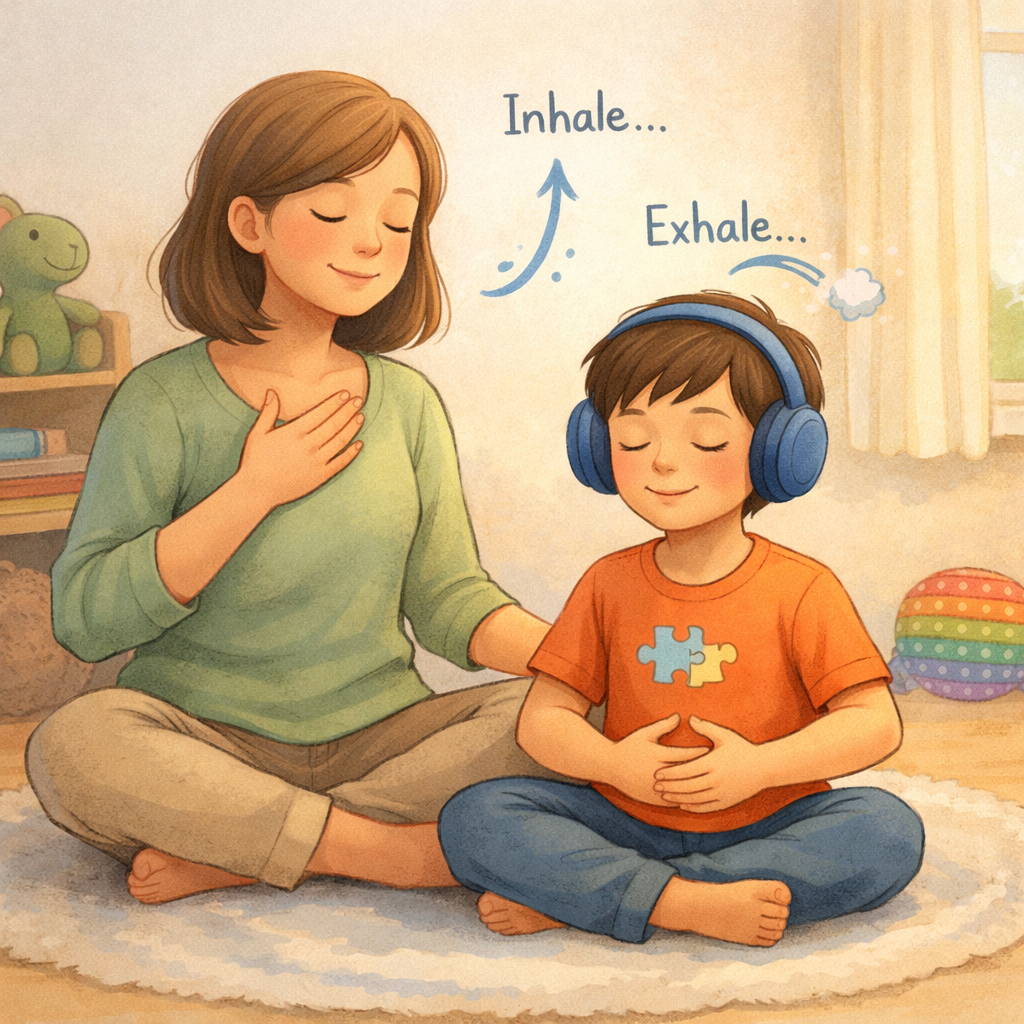
- Practicing deep breathing
These tools empower autistic people to better control their environment and emotions. Proactively managing sensory input and adding calming activities throughout the day helps prevent stress from becoming overwhelming.
Building Coping Skills and Emotional Regulation Techniques
In addition to managing the environment, it’s essential to help autistic children develop internal coping skills—tools they can use to handle stress anywhere. Learning these skills early can have lasting benefits.
Effective strategies for managing stress and anxiety include:
- Teaching children to notice physical signs of stress.
- Creating a “coping kit” with calming items like a stress ball or favorite scent.
- Using social stories to prepare them for stressful situations.
- Practicing problem-solving skills.
The goal is to help children move from relying on adults (co-regulation) to managing their own stress (self-regulation). This takes time and patience but is key for building resilience and independence.
When to Seek Professional Support
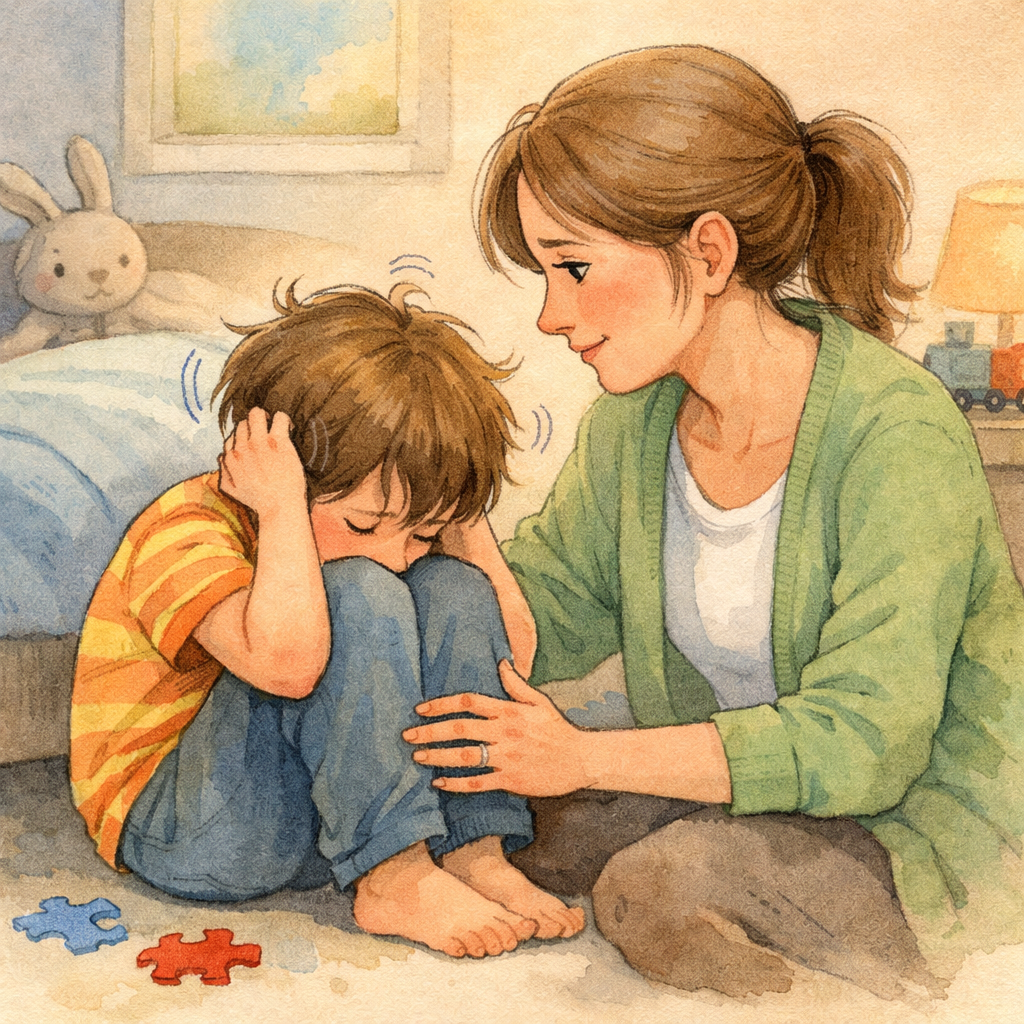
While many stress management strategies can be used at home, professional support may be needed if stress stays high and disrupts daily life, school, or work. Persistent stress can lead to autistic burnout—a state of severe exhaustion affecting both physical and mental health. Early intervention is crucial.
A mental health professional experienced with autism can identify the root causes of stress and create a personalized plan, which may include therapy or other supports. Therapists, counselors, and psychologists offer specialized approaches like cognitive-behavioral therapy adapted for autistic individuals. They provide a safe space to build coping skills and address underlying issues, improving well-being and preventing chronic stress.
Don’t hesitate to book a consultation or call daar at 02 9133 2500 for help if you or a loved one is struggling.
Conclusion
Understanding the autism stress response is key to supporting neurodivergent individuals. Stress from sensory sensitivities and social challenges can greatly affect their daily lives and well-being. Recognizing stress signs and using strategies like calming routines and coping skills helps create a more supportive environment. Open communication and awareness are essential to ensure help is available when needed.
For personalized guidance, reach out for a consultation or call daar at 02 9133 2500. Together, we can make a positive difference for those with autism.
Frequently Asked Questions
What are the most effective ways to support a stressed autistic person?
The most effective support for stressed autistic people involves creating a safe environment with reduced sensory input, respecting their communication challenges by not forcing interaction, and helping them use their preferred coping strategies. Family members can offer a calm, non-judgmental presence and allow them space and time to recover.
How does stress look different in autistic people compared to neurotypical individuals?
In autistic adults, stress often manifests through specific autistic traits, such as increased repetitive behaviors, or intense expressions of distress like meltdowns and shutdowns. This is different from neurotypical responses, as the triggers are often tied to sensory overload or difficulties in social situations, leading to distinct behavioral changes.
Can routine changes cause long-term stress in autistic children?
Yes, routine changes can cause long-term stress in autistic children. The loss of predictability creates a constant feeling of anxiety and loss of control over their daily life. This ongoing stress response can impact their development, emotional regulation, and ability to cope with other challenges they face.
.svg)




.svg)