
.png?width=48&height=48&name=Group%201%20(3).png)























16 April, 2026

Understanding Cortisol in Children: Key Insights Revealed

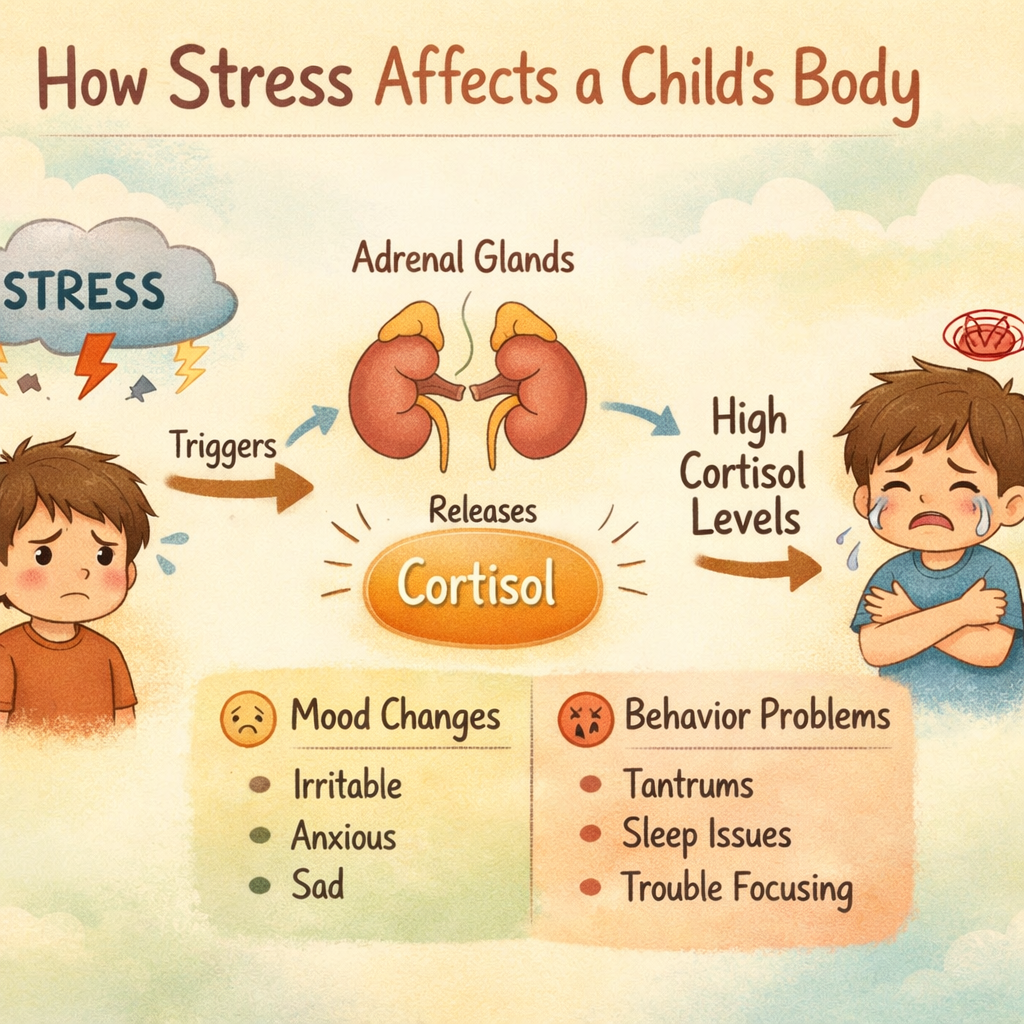
When we think of stress, we usually picture tight deadlines at work, unpaid bills, or sitting in rush-hour traffic. We rarely associate stress with the seemingly carefree world of childhood. However, the biological response to stress is hardwired into human beings from birth. At the center of this biological response is a powerful chemical messenger: cortisol.
In children, elevated levels of cortisol over time can lead to Cushing syndrome. Signs of Cushing syndrome in children may include rapid weight gain, especially in the face and trunk, slowed growth, a round or "moon" face, high blood pressure, and skin changes such as easy bruising or purple stretch marks. Parents should be aware of these symptoms as early detection is important for effective treatment.
Cortisol in children is widely known as the body’s primary "stress hormone." But despite its somewhat negative reputation, cortisol is not inherently bad. In fact, it plays an incredibly important role in regulating a child's daily energy, stabilizing their mood, and managing the body’s response to physical and emotional stress.
While cortisol is essential for normal, healthy functioning, modern lifestyles can sometimes push this hormone out of balance. When a child experiences chronic stress, consistently high cortisol levels can negatively affect their sleep patterns, daily behaviour, and overall cognitive development. To check cortisol levels in children, doctors may use medical tests such as blood tests, saliva tests, or urine tests, which help evaluate if the hormone is within a healthy range.
In this comprehensive guide, we will explore exactly what the stress hormone in kids does, examine the hidden causes of high cortisol, and most importantly, equip you with practical, parent-tested strategies to help your child manage stress and build lifelong emotional resilience. Additionally, we will discuss what an adrenal crisis is—a serious condition where the body cannot produce enough cortisol to deal with stress—as well as how it can be prevented in children through proper management and early recognition of symptoms.
What Is Cortisol and Why Is It Important?
To understand how to help your child, it helps to understand the biology behind the behaviour. Cortisol is a steroid hormone produced by the adrenal glands, which are two small, triangle-shaped organs that sit right on top of the kidneys.
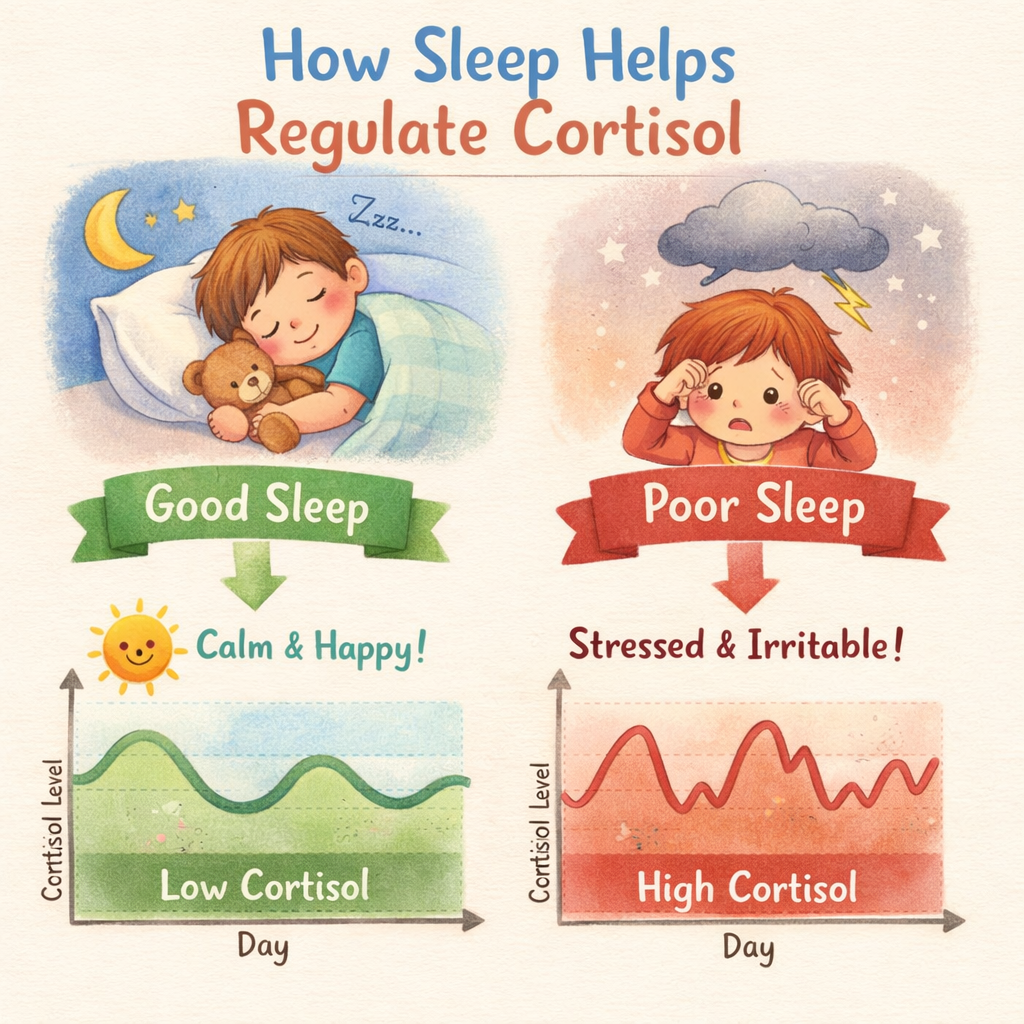
In healthy, normal amounts, cortisol acts as your child's internal alarm clock and energy manager. It operates on a natural daily cycle called a diurnal rhythm. In a healthy child, cortisol levels peak early in the morning—giving them the burst of energy and alertness they need to wake up, get out of bed, and start their day. Throughout the afternoon, those levels gradually drop, reaching their lowest point late at night so the body can relax and sleep.
Beyond waking us up, cortisol's primary job is to help the body respond to acute stress—the famous "fight or flight" response. If your child is startled by a loud noise or nervous about a school presentation, their body releases a quick spike of cortisol. This provides a sudden rush of glucose (energy) to their brain and muscles, temporarily pausing less urgent functions (like digestion) so they can handle the immediate challenge. Once the stressful event passes, cortisol levels should naturally drop back to a healthy baseline.
Problems only arise when a child is exposed to ongoing, chronic stress, causing cortisol levels to remain elevated for long periods without a chance to recover.
Effects of High Cortisol in Children
When the body's internal alarm system gets stuck in the "ON" position, it takes a heavy toll on a growing child. If you suspect your child is carrying too much stress, here is how chronically elevated cortisol can impact their developing brain and body:
1. Sleep Disruption
Cortisol and melatonin (the sleep hormone) operate on a biological seesaw. When cortisol is high, melatonin is suppressed. High cortisol levels can make it incredibly difficult for children to relax their minds and bodies, making it harder to fall asleep and stay asleep. This leads to frequent nighttime awakenings, poor sleep quality, and a vicious cycle where a lack of sleep causes even more stress the next day.
2. Behavioural Changes and Emotional Outbursts
Have you noticed a sudden increase in tantrums, whining, or aggression? Elevated cortisol keeps the brain's emotional center (the amygdala) highly reactive. This constant state of hyper-arousal may contribute to intense irritability, unexplained anxiety, severe mood swings, and a very short temper. Because their nervous system feels constantly threatened, even a minor frustration—like wearing the wrong color socks—can trigger a massive emotional meltdown.
3. Weakened Immune Function
While a quick burst of cortisol helps control inflammation, chronic high cortisol actually suppresses the immune system. It reduces the body's ability to produce white blood cells, which are the soldiers that fight off viruses and bacteria. Consequently, chronic stress and high cortisol can reduce immune efficiency, making children much more prone to catching every classroom cold, stomach bug, or ear infection that crosses their path.
4. Learning and Memory Issues
Perhaps most concerning is the impact of stress on the developing brain. The hippocampus—the part of the brain responsible for learning, memory, and spatial navigation—is highly sensitive to cortisol. Long-term elevated levels can actually shrink this area of the brain over time. This directly affects cognitive development, making it difficult for a stressed child to concentrate in class, follow multi-step instructions, or retain new information.
Common Causes of High Cortisol in Kids
Children do not worry about mortgages, but their nervous systems are constantly reacting to the pressures of their own environments. Common factors that trigger high cortisol in today's kids include:
- Chronic stress at school or home: Academic pressure, bullying, standardized testing, or sensing conflict and tension between parents at home.
- Irregular sleep schedules: Bedtimes that wildly bounce around from day to day prevent the body from establishing a healthy cortisol rhythm.
- Excessive screen time: The fast-paced, highly stimulating nature of video games and social media triggers adrenaline and cortisol.
- Overstimulation before bedtime: Vigorous physical play, scary movies, or bright artificial blue light right before bed keeps the nervous system on high alert.
- Overscheduling: Bouncing directly from a full day of school to soccer practice, then to piano lessons, and finally to hours of homework leaves no time for the nervous system to decompress.
How to Support Healthy Cortisol Levels Naturally
The good news is that a child's nervous system is incredibly adaptable. As a parent, you are their biggest "co-regulator." By intentionally altering their daily environment, you can help them bring their stress hormones back into a healthy balance.
Maintain a Consistent Sleep Routine
Sleep is the ultimate cortisol-reset button. Establish a rigid, predictable bedtime and wake-up time. Create a calming 45-minute wind-down routine every night (bath, pajamas, reading) to actively signal to their brain that it is time to transition from high alertness to deep rest.
Encourage Physical Activity and Outdoor Play
Physical movement is the best way to process and flush out excess stress hormones. Encourage at least an hour of unstructured, active play every day. Exposure to nature ("green time") and natural sunlight has been scientifically proven to rapidly lower cortisol levels and boost mood-stabilizing endorphins.
Reduce Screen Time, Especially Before Bed
Protect their evening downtime. Turn off all televisions, tablets, and smartphones at least one hour before bed. Replacing highly stimulating digital media with tangible, quiet activities like drawing, doing a puzzle, or building with blocks helps the brain's alarm system gradually power down.
Create a Calm, Predictable Home Environment
Children feel safest when they know what to expect. Try to minimize rushing and yelling in the mornings by preparing backpacks and lunches the night before. Build "white space" into your family calendar—time where nothing is scheduled, allowing your child to simply rest and be bored.
Teach Relaxation Techniques
Give your child the actual tools they need to self-soothe. Teach them simple relaxation techniques like deep "belly breathing" (smell the flower, blow out the candle) or progressive muscle relaxation (squeezing their fists tight, then letting go). These mindful physical actions directly tell the brain's threat center that they are safe.
Help your child manage stress
Overcome daily challenges and support their healthy cognitive development by building strong sleep and wellness habits today! By recognizing the signs of high cortisol and creating a peaceful home environment, you can give them the calm foundation they need to thrive.
Want more practical, parent-tested advice? Reach out for a consultation or call daar at 02 9133 2500 for more expert insights on child health, sleep strategies, and emotional well-being delivered straight to your inbox!
Frequently Asked Questions (FAQs)
1. What is cortisol in children?
Cortisol is a naturally occurring steroid hormone produced by the adrenal glands. It serves as your child's primary stress hormone and internal energy manager. It helps children wake up in the morning, regulates their daily energy and mood, controls inflammation, and provides the sudden burst of focus and speed needed to respond safely to stressful or exciting situations.
2. What happens if a child has too much cortisol?
When a child is exposed to chronic stress, their body produces too much cortisol. Persistently high cortisol levels keep their nervous system in a "fight or flight" mode. This can lead to severe sleep problems, unexplained anxiety, aggressive emotional outbursts, irritability, a weakened immune system that catches frequent colds, and significantly reduced concentration and memory at school.
3. How can I reduce cortisol levels in my child naturally?
You can drastically reduce your child's cortisol levels by creating a highly predictable daily routine. Consistent sleep schedules, reducing pressure from over-scheduled extracurriculars, enforcing a strict limit on screen time before bed, encouraging daily outdoor physical play, and practicing calming activities (like reading together or taking deep breaths) can all naturally help keep their stress hormones perfectly balanced.
.svg)




.svg)