
.png?width=48&height=48&name=Group%201%20(3).png)























4 March, 2026

Exploring Socialised Behaviour Therapy for Kids: A Guide
Key Highlights
- Socialised behaviour therapy helps children learn new social skills to improve how they interact with others. This approach uses positive behaviour support to encourage better choices and reduce challenging behaviours. Positive behaviour support focuses on teaching positive behaviour and reinforcing social skills, rather than using restrictive practices, which limit a child's actions or responses. Unlike restrictive practices that aim to control or manage behaviors through limitations, positive behaviour support seeks to address the root causes of challenging behaviours by encouraging growth and understanding.
- This approach uses positive behaviour support to encourage better choices and reduce challenging behaviours.
- A primary goal is to improve emotional regulation, helping your child manage feelings in a healthy way.
- The therapy focuses on enhancing your child's quality of life through targeted support.
- It creates a supportive environment for children to build confidence and positive relationships.
- Early intervention can address challenging behaviours before they become more significant problems.
Introduction
Is your child struggling to connect with others or manage their big emotions? You're not alone. Socialised behaviour therapy is a helpful approach designed to help children develop crucial social skills in a supportive setting. This therapy uses positive behaviour support to teach new skills that improve communication and emotional growth. By addressing the root of challenging behaviours, it can boost your child's confidence and overall quality of life, giving them the tools they need to build healthy habits and thrive.
Why Socialised Behaviour Therapy Matters for Children
Socialised behaviour therapy is important because it directly addresses the unique needs of your child. It focuses on understanding and reducing challenging behaviours by teaching positive behaviour instead. For young children, this proactive method is an effective management strategy because it builds a foundation for healthy social and emotional development.
By creating tailored support plans, this therapy helps children learn how to navigate social situations more effectively. It equips them with the skills needed for better interactions and emotional control. Let's explore how this therapy helps build these essential life skills.
Building Social Skills and Positive Relationships
One major benefit of this therapy is improved social skills. The goal is to help your child build positive relationships and confidently navigate social interactions. In schools or therapy settings, positive behavior support creates safe opportunities for children to practice these skills.
Therapists use evidence-based techniques to develop effective communication, leading to greater independence. Clear communication helps your child express needs and feelings, reducing frustration and misunderstandings. With guided practice, they learn to read social cues, start conversations, and maintain friendships.
This supportive approach boosts their confidence in social situations. As children succeed in interactions, their self-esteem grows, motivating them to connect with others and feel a sense of belonging.
Supporting Emotional Regulation and Resilience
Does your child struggle with big feelings? Socialized behavior therapy teaches practical strategies for emotional regulation, helping kids identify emotions and cope with frustration, anger, or anxiety. These essential skills boost mental health and empower children to handle challenges more effectively.
At home, parents can use positive behavior support by rewarding good choices to build motivation. Resilience is also key childrenren learn to face setbacks, adapt, and grow more confident.
Understanding that some behaviors come from unmet needs allows parents and therapists to offer better support. Focusing on self-control and coping skills reduces disruptive behavior and encourages a positive mindset. As your child builds these abilities, you’ll see improved self-esteem, confidence, and long-term well-being.
Common Strategies Used in Socialised Behaviour Therapy
Socialised behaviour therapy uses a variety of proven intervention strategies to create personalized support plans for your child. A therapist starts by conducting an assessment to identify triggers and set clear goals, resulting in a unique behaviour support plan. This plan outlines practical strategies to teach new skills and reduce unwanted behaviours.
Common strategies include positive reinforcement, where desirable actions are rewarded to encourage repetition. Unlike other therapies that may focus more on talk, this method is hands-on and action orientedn-oriented. Now, let's look at some of these specific techniques and how they are used.
Positive Behaviour Support Techniques
Positive Behavior Support (PBS) is a proactive, person-centered approach that addresses challenging behaviors by first understanding their causes through functional assessment. Practitioners then develop personalized plans to teach adaptive skills and replace problem behaviors.
PBS emphasizes collaboration among therapists, parents, and caregivers for consistent support. For example, if a child acts out from frustration, the plan may teach better ways to communicate needs. Positive reinforcement encourages good choices.
Common PBS strategies include:
- Modifying the environment or routine to prevent triggers
- Providing positive reinforcement for appropriate behavior
- Teaching communication and self-regulation skills
- Adjusting expectations and demands
Role-Playing, Social Stories, and Play-Based Methods
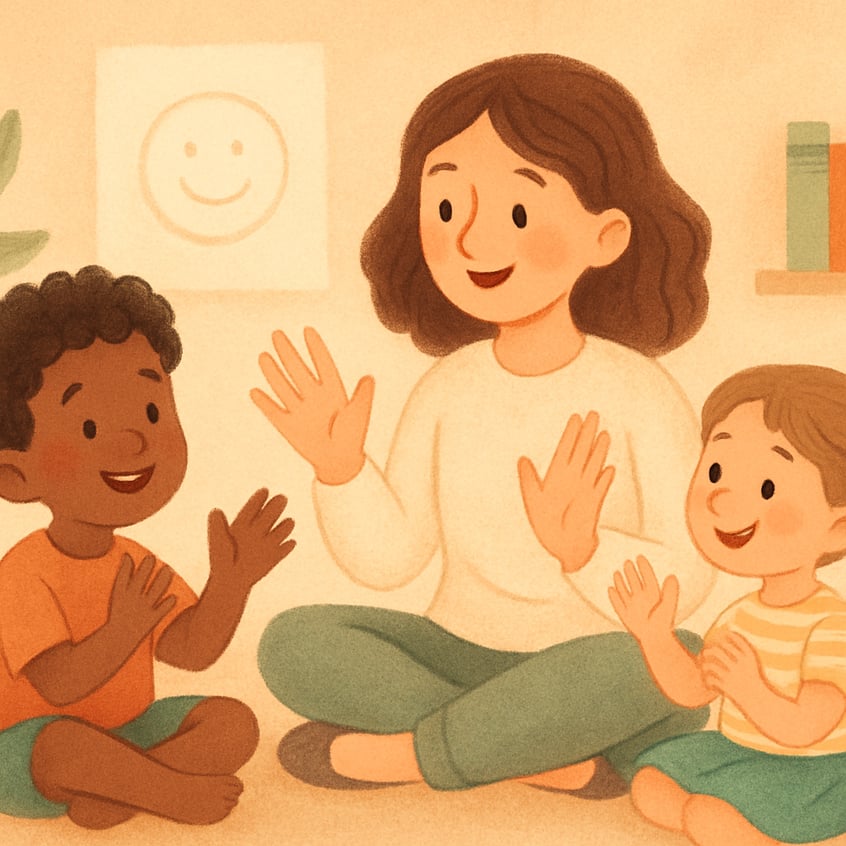
Role-playing is an effective way to build social skills. It allows children to practice real-life situations, such as greetings or conflict resolution, in a low-pressure environment. This hands-on approach boosts confidence and prepares them for successful interactions.
Social stories are another helpful tool. These short narratives explain specific situations and expected behaviors, making social expectations clearer and reducing anxiety—especially for children with autism. Specialists can tailor these stories to individual needs.
Play-based methods also teach social skills through enjoyable activities like turn-taking and cooperation. By learning in a fun, natural setting, kids gain important skills without feeling like they’re in a formal lesson.
A Beginner’s Guide to Getting Started with Socialised Behaviour Therapy
Taking the first step to seek help for your child is a positive move. If you are concerned about their social development, a professional can offer practical support and guidance. For people with disabilities, positive behaviour support under the NDIS helps by creating tailored support plans to teach new skills and improve quality of life.
A therapist can assess your child's unique needs and recommend a supportive plan for your family. The sections below will walk you through how to find the right professionals and what to expect as you begin.
What You Need: Resources, Equipment, and Finding Qualified Therapists
Finding the right professional is key to your child's success. Look for qualified therapists with experience in pediatric behaviour therapy who can provide positive behaviour support. In Australia, the National Disability Insurance Scheme (NDIS) may fund these services. Easy-to-understand resources for families are often available through therapy providers and online knowledge bases.
If your child is an NDIS participant, you can select NDIS-registered providers who meet strict quality standards. These various professionals can develop support plans and offer additional support. It's important to find a therapist you and your child feel comfortable with.
Here are some of the professionals who may be involved in your child's care:
|
Professional |
Role in a Support Plan |
|---|---|
|
Behaviour Support Practitioner |
Conducts assessments and designs the behaviour support plan. |
|
Psychologist |
Helps with emotional and behavioural challenges. |
|
Speech Therapist |
Assists with communication and speaking difficulties. |
|
Occupational Therapist |
Helps develop daily living and social skills. |
Step-by-Step Guide to Beginning Socialised Behaviour Therapy
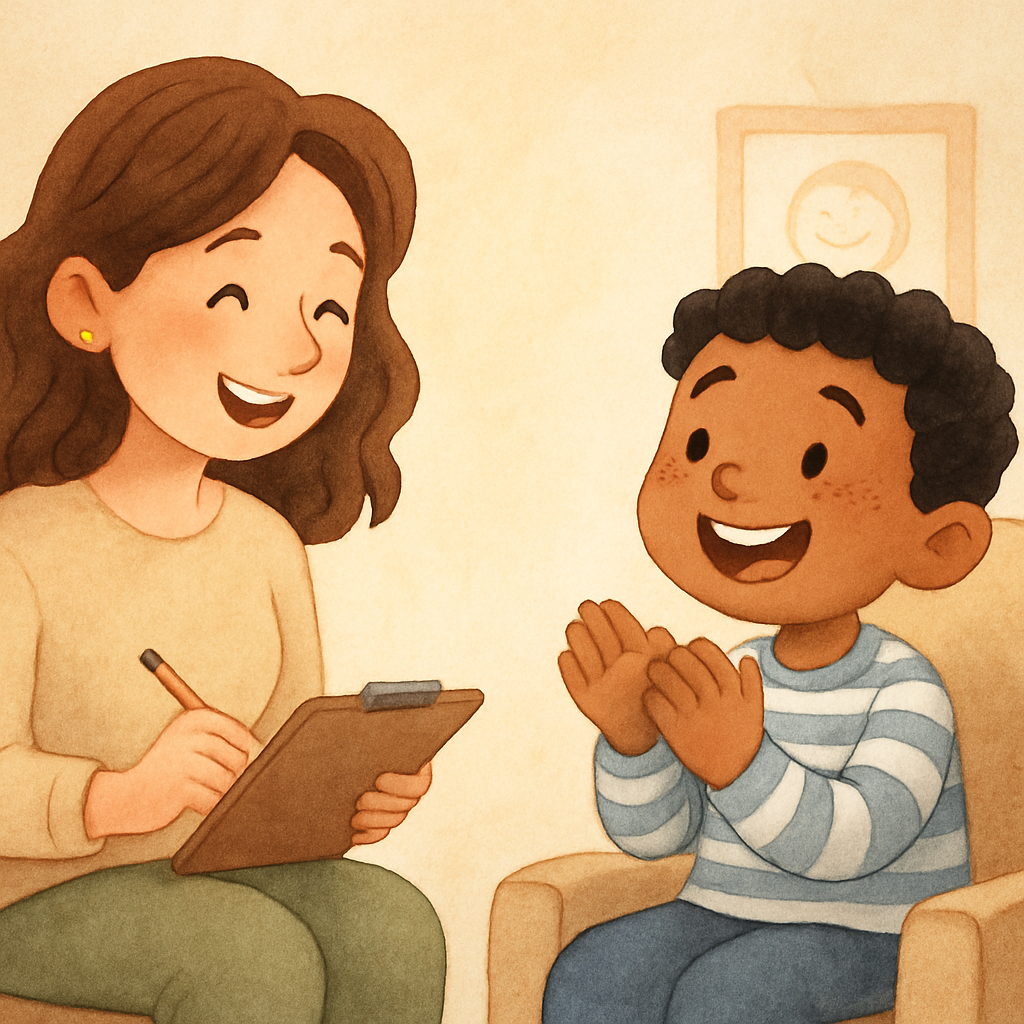
Starting socialised behaviour therapy can feel overwhelming, but a step-by-step approach can make it more manageable. The process begins with understanding your child's unique needs and creating targeted support plans. This ensures that the practical strategies used are tailored to help them succeed.
Professionals can access various training courses to learn about positive behaviour support, ensuring they are equipped with the latest techniques. For parents, the journey involves working closely with these experts to implement the plan.
Here is a simple breakdown of the initial steps:
- Identify your child’s specific needs and set clear, achievable goals.
- Collaborate with therapists and involve family members for consistent support.
- Implement the agreed-upon strategies at home and in other settings.
- Regularly track progress and adjust the support plan as needed.
Step 1: Identifying Your Child’s Needs and Setting Goals
The first step is to identify your child's unique needs. A therapist typically starts with a functional behavioral assessment (FBA) using observation, interviews, and questionnaires to understand the reasons behind certain behaviors.
An FBA helps pinpoint triggers and the purpose of behaviors, allowing the therapist to develop strategies that address root causes rather than just symptoms. This ensures the plan is customized for your child.
After identifying your child's needs, you and the therapist will set clear, measurable goals focused on teaching new skills and reducing challenging behaviors, creating a roadmap for therapy.
Step 2: Working with Therapists and Involving Family
Collaboration is key to effective socialized behavior therapy. Working with professionals like behavior practitioners and psychologists ensures a well-rounded support plan, as each expert offers unique insights and skills.
Family involvement is equally important. Consistent support at home reinforces therapy, and therapists often guide parents and caregivers in using positive behavior strategies daily. This teamwork creates a strong, supportive environment.
Regular communication with your therapy team keeps everyone aligned, allows for timely adjustments, and ensures your child receives consistent, effective support across all settings.
Step 3: Implementing Strategies and Tracking Progress
Once the behavior support plan is in place, consistently apply the practical strategies. This may include creating new routines, using positive reinforcement, or role-playing new skills. Consistency helps your child learn and adapt.
Track progress to see what works. Your therapist will show you how to monitor your child's behavior and goals, often using simple charts or journals. This information guides therapy decisions.
Regularly review progress with your therapist to adjust the plan as needed. Celebrate small successes to motivate you and your child, encouraging growth and positive outcomes.
Conclusion
In conclusion, socialized behavior therapy helps children build social skills, emotional regulation, and resilience. Using positive behavior support and engaging activities like role-playing can strengthen your child’s development. By understanding your child's unique needs and working with qualified therapists, you can support healthier interactions and relationships. Every child is different, so patience is essential.
If you're ready to learn more, request a consultation or call daar at 02 9133 2500 to see how socialized behavior therapy can benefit your child.
Frequently Asked Questions
How does socialised behaviour therapy relate to the NDIS in Australia?
For an NDIS participant, socialised behaviour therapy can be funded if it's considered "reasonable and necessary." Specialist behaviour support providers can create a positive behaviour support plan as part of your child's NDIS support plans, aiming to improve their skills and overall quality of life.
Are there simple resources for families new to socialised behaviour therapy?
Yes, many simple resources are available. Therapy providers often have articles, guides, and workshops that offer practical support. These resources can help you understand your child's support plans, learn strategies for managing challenging behaviours, and feel more confident in teaching new skills at home.
What training is available for professionals in positive behaviour support?
Various professionals, including those in specialist behaviour support roles, can access a range of training in positive behaviour support. These courses cover creating a behaviour support plan, implementing practical strategies, and meeting registration requirements, ensuring they provide high-quality, evidence-based care.
.svg)




.svg)