
.png?width=48&height=48&name=Group%201%20(3).png)























10 March, 2026

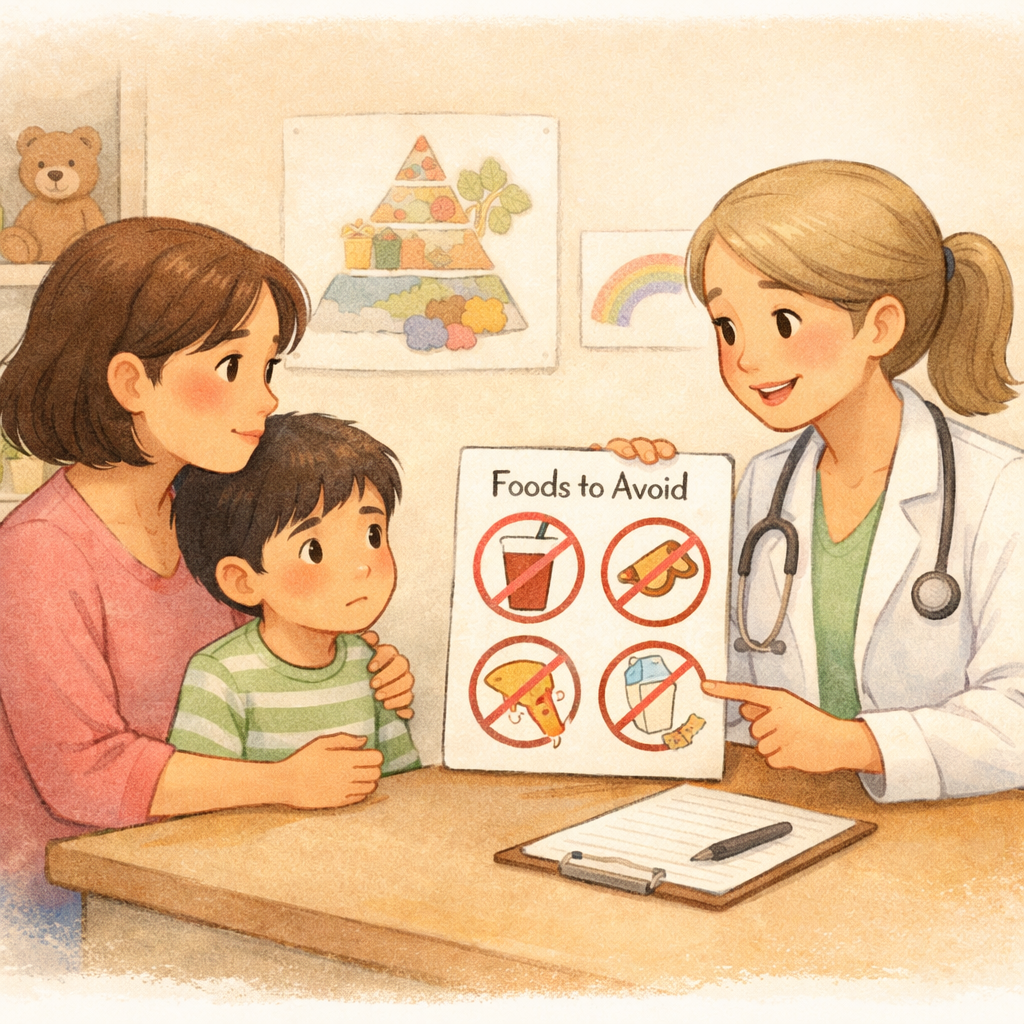
Essential Guide: What Foods Should Autistic Children Avoid?
Key Highlights
- Dietary changes can play a role in managing behavioral symptoms for some individuals on the autism spectrum.
- Common foods to consider avoiding include those with gluten, casein (dairy), and soy due to potential sensitivities.
- Artificial colors, additives, and preservatives are often linked to hyperactivity and other behavioral issues.
- Managing sugar and refined carbohydrate intake can help stabilize energy levels and mood.
- Sensory sensitivities often lead to picky eating, making it crucial to navigate food choices carefully.
- Food allergies are more common in children with autism, highlighting the importance of a well-planned, healthy diet.
Introduction
For parents of children with autism spectrum disorders, navigating daily life involves many considerations, and your child’s diet is a significant one. You might have noticed that certain foods seem to affect your child's mood or behavior. While there's no one-size-fits-all "autism diet," making thoughtful dietary changes can be a powerful tool in managing symptoms and improving overall well-being. This guide will explore common foods that some families choose to avoid and why, helping you make informed decisions for your child.
Understanding the Role of Diet in Autism Spectrum Disorder
The connection between diet and the autism spectrum is a growing area of interest. Research suggests a strong link between gut health and brain development, and for some, dietary intervention can be a supportive strategy. While scientific evidence is still evolving, many parents report positive changes in their children after adjusting their diets.
The goal is always to provide essential nutrients for healthy growth while minimizing potential triggers. Understanding how food allergies or sensitivities might play a part is the first step toward creating a supportive eating plan. Let's look closer at how nutrition can influence symptoms and the challenges posed by sensory-related food choices.
The Impact of Nutrition on Autism Symptoms
Nutrition can impact autism symptoms by influencing brain function and the gut microbiome. The gut-brain axis connects the digestive system and brain, and imbalances in gut bacteria—common in autistic individuals—may lead to gastrointestinal issues and affect behavior.
Certain foods can worsen symptoms for some children. For example, sensitivities to proteins like gluten may cause stomach discomfort and reduced coordination. Research also links nutrients such as vitamin D and fatty acids to brain health, with deficiencies potentially affecting cognition and behavior.
A balanced diet that supports gut health may help manage some autism-related challenges. Monitoring your child’s reactions to different foods is essential in this process.
Sensory Sensitivity and Food Choices
Sensory sensitivity greatly influences the food choices of many autistic children. What appears as picky eating often stems from strong reactions to textures, smells, or colors in food. These aversions can make mealtimes challenging for families.
As a result, autistic children may have narrow food preferences, such as:
- Preferring crunchy over soft foods
- Choosing bland flavors over strong ones
- Selecting foods based on color, like white or beige (e.g., bread, pasta)
This selectivity can lead to nutritional gaps if not addressed. Recognizing that these preferences are due to sensory processing differences is key to gently helping your child try new foods.
Common Foods to Avoid in Autism Diet Planning
When considering an autism diet plan, many families explore an elimination diet. This involves removing specific foods or food groups to see if symptoms improve. Due to food selectivity and potential sensitivities, certain items are commonly pinpointed as potential triggers for behavioral or gastrointestinal issues.
It's always best to work with a registered dietitian or healthcare provider to ensure your child's nutritional needs are met during any dietary change. They can help you identify which foods to focus on and create a balanced plan. Now, let’s explore some of the most frequently discussed food groups to limit or avoid.
Gluten-Containing Foods and Their Effects
Gluten, a protein found in wheat, barley, and rye, is often a primary focus in autism diet planning. Some theories suggest that individuals with autism may have a "leaky gut," which allows incompletely digested particles to enter the bloodstream and affect the brain. For these individuals, gluten might contribute to gastrointestinal issues and behavioral changes.
The opioid theory of autism proposes that peptides from gluten (and casein) can act like opiates in the brain, potentially influencing behavior, social skills, and learning. Removing gluten is thought to reduce these effects. While research is ongoing, many parents report improvements in their child's focus and a reduction in digestive problems after going gluten-free.
Here are some of the potential effects of gluten sensitivity:
|
Potential Effect |
Description |
|---|---|
|
Stomach Sensitivities |
Can cause symptoms like bloating, pain, diarrhea, or constipation. |
|
Decreased Motor Coordination |
May affect physical coordination and fine motor skills. |
|
Decreased Thought Coordination |
Can contribute to "brain fog" or difficulty concentrating. |
|
Reduction in Good Gut Bacteria |
May disrupt the balance of the gut microbiome, leading to further issues. |
Dairy and Casein: Potential Concerns
Along with gluten, casein—a protein in dairy—is commonly removed in autism elimination diets. Found in milk, cheese, yogurt, and ice cream, casein may be processed differently by some autistic individuals, potentially causing behavioral and digestive issues.
The main concern is that undigested casein can form casomorphins—peptides that cross the blood-brain barrier and may have opioid-like effects on mood, behavior, and pain. This theory supports the use of a gluten-free, casein-free (GFCF) diet as an intervention.
Some families report reduced hyperactivity, improved speech, and better social interaction after removing casein from the diet. However, when making these changes, ensure your child gets enough calcium and vitamin D from alternative sources.
Soy Products and Their Influence
Some parents limit or avoid soy products due to allergy concerns, especially since allergies are more common in children with autism. Allergic reactions can cause inflammation and symptoms like digestive issues or behavioral changes.
Soy also contains phytoestrogens, which may disrupt hormone function by mimicking estrogen. Although research on soy’s effect on autism is limited, some worry it could affect development.
For certain children, soy may cause gastrointestinal distress or brain fog. If you choose to remove soy, check food labels carefully—it’s found in many processed foods. Ultimately, avoiding soy depends on individual sensitivities and reactions.
Artificial Additives, Colors, and Preservatives
Many processed foods contain artificial additives, colors, and preservatives designed to enhance flavor, appearance, and shelf life. However, these artificial ingredients have been linked to an increase in behavioral symptoms in some children, including those with autism. Research from the UK, for example, has identified a connection between certain food dyes and hyperactivity.
Because of these potential negative effects, many parents make a conscious effort to reduce or eliminate these substances from their child's food intake. Reading labels and opting for whole, unprocessed foods can be an effective strategy. Let's examine how these additives can affect behavior and where they are commonly found.
How Food Additives Can Affect Behavior
Food additives have been a topic of concern for decades due to their potential to cause negative effects on behavior. For some children, especially those with sensitivities, these chemicals can trigger noticeable behavioral changes. This can include increased hyperactivity, irritability, and difficulty concentrating, sometimes described as brain fog.
The exact mechanism isn't fully understood, but it's believed that certain additives can interfere with neurotransmitter function in the brain. They may disrupt the delicate balance of chemicals that regulate mood and focus. Some of the most commonly discussed additives include:
- Monosodium glutamate (MSG)
- Artificial sweeteners like aspartame
- Preservatives like sodium benzoate
By paying close attention to food labels, you can identify and avoid these potential trigger foods. Many families find that sticking to a diet of fresh, whole foods helps minimize exposure to these additives and supports more stable behavior.
Artificial Colors and Flavors in Everyday Foods
Artificial colors and flavors are common in foods, especially those marketed to children. Bright cereals, candies, and snacks often contain synthetic dyes like Red 40, Yellow 5, and Blue 1, which are linked to behavioral issues.
Some studies suggest artificial colors may contribute to hyperactivity in children. While the FDA hasn’t banned them, many parents avoid these additives as a precaution. Concerns also arise from the fact that some dyes are petroleum-based.
To avoid artificial additives, choose naturally colorful foods. Replacing dyed snacks with fresh fruit eliminates synthetic colors and adds vitamins and fiber. Opting for natural sweeteners over artificial ones can further improve your diet.
Sugar, Sweeteners, and Refined Carbohydrates
A healthy diet often involves managing the intake of sugar, artificial sweeteners, and refined carbohydrates. These ingredients can cause rapid spikes and crashes in blood sugar levels, which may affect mood, energy, and concentration in any child, but the effects can be more pronounced in autistic children.
Some additives, like monosodium glutamate (MSG), are sometimes grouped with these concerns as they can also impact brain chemistry. Focusing on a diet that keeps blood sugar stable can be a beneficial strategy for managing behavioral symptoms. Let's look at how to manage sugar and the role of refined carbs.
Managing Sugar Intake for Improved Wellbeing
Managing sugar intake is a powerful step toward improving your child's overall well-being. High consumption of sugar can lead to cycles of high energy followed by a "crash," which can manifest as irritability, hyperactivity, or difficulty focusing. These swings in blood sugar can exacerbate existing behavioral issues.
Artificial sweeteners, often used as a sugar substitute, come with their own set of concerns. Some studies suggest they may disrupt the gut microbiome and could have neurological effects, though more research is needed. For many, it's simpler and healthier to reduce overall sweetness in the diet rather than replacing one type of sweetener with another.
By limiting sugary drinks, processed snacks, and desserts, you can help stabilize your child's blood sugar levels. This can lead to more consistent energy and mood throughout the day. Focusing on whole foods and naturally sweet options like fruit can satisfy a sweet tooth without the negative consequences of refined sugar.
The Role of Refined Carbs in Autism Diets
Refined carbohydrates, like white bread, pasta, and pastries, behave similarly to sugar in the body. They are quickly digested, leading to a rapid spike in blood sugar. While these foods are often favorites among picky eaters, relying on them too heavily can contribute to behavioral challenges and potential nutrient deficiencies.
These foods have been stripped of their fiber and many essential nutrients during processing. A diet high in refined carbs can lack the vitamins and minerals needed for proper brain function and overall health. This is why they are often considered trigger foods for some children.
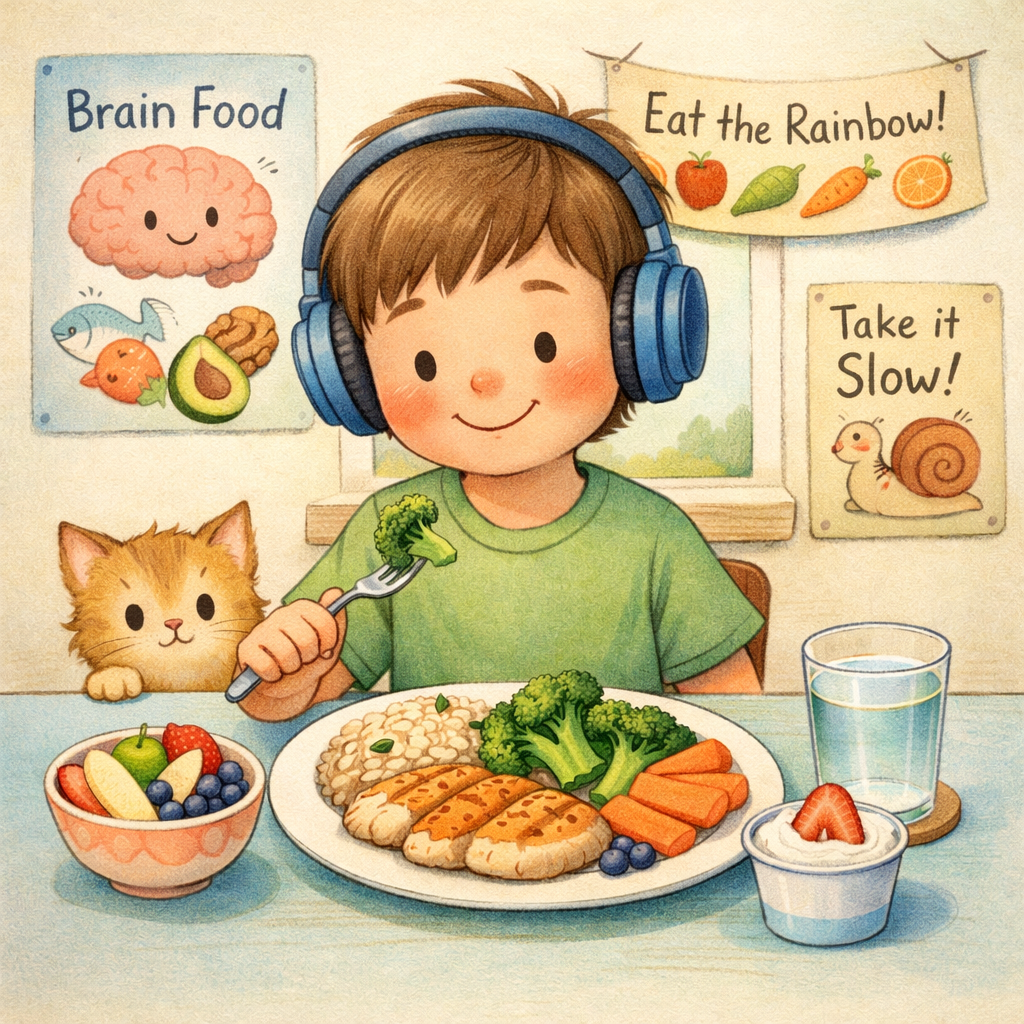
Swapping refined carbohydrates for whole grains is an excellent strategy. Whole grains like brown rice, quinoa, and whole-wheat bread are digested more slowly, providing a steady release of energy. This helps maintain stable blood sugar levels and offers more fiber, vitamins, and minerals, making them a much healthier choice within this important food group.
Conclusion
In summary, understanding the dietary needs of individuals with autism is crucial for fostering their overall well-being. By avoiding specific foods such as gluten, dairy, and artificial additives, you can play an essential role in managing symptoms associated with Autism Spectrum Disorder. A thoughtful approach to diet can lead to improvements in behavior, sensory sensitivity, and overall health. Always remember that each individual is unique, so it's important to tailor dietary choices to their specific needs. If you're looking to make informed dietary changes, consider seeking guidance from a nutrition expert to ensure a balanced and healthy approach to autism diet planning.
Reach out for a consultation or call daar at 02 9133 2500 for guidance from a nutrition expert.
Frequently Asked Questions
Should autistic children avoid artificial colors, flavors, and preservatives?
Many parents choose to avoid artificial colors, flavors, and preservatives, as studies have linked them to increased behavioral symptoms like hyperactivity. While not a universal trigger, removing these artificial ingredients is a common strategy to see if behavior improves, though it can be challenging with picky eaters who prefer processed foods.
Why is a gluten-free casein-free diet recommended for autism?
A gluten-free, casein-free (GFCF) diet is recommended based on the theory that some autistic individuals have a "leaky gut." This may allow peptides from gluten and dairy products to enter the bloodstream and affect the brain, causing behavioral and gastrointestinal issues. This dietary intervention aims to reduce these effects.
Can avoiding sugar help with autism symptoms?
Yes, avoiding or limiting sugar and artificial sweeteners can help manage autism symptoms for some. High sugar intake causes blood sugar spikes and crashes, which can lead to behavioral changes like hyperactivity and irritability. A diet low in sugar supports stable energy levels, which can positively impact mood and brain function.
.svg)




.svg)