
.png?width=48&height=48&name=Group%201%20(3).png)
























6 March, 2026

Foods to Avoid for Autism: Tips for Better Nutrition
Key Highlights
Here are the key takeaways from this guide on crafting a supportive diet for your child:
- Certain foods like gluten, dairy, sugar, and processed items are often avoided to help manage autism symptoms.
- Processed foods with artificial additives, colors, and preservatives can negatively impact a child's behavior and health.
- It is vital to recognize potential food reactions and manage food aversions with patience and positive strategies.
- Practical tips, like creating a food diary and building positive mealtime routines, can support dietary changes.
- Always consult with a healthcare provider to ensure your child receives balanced nutrition during any dietary adjustments.
- Diet can influence gastrointestinal issues and brain function, making nutritional choices a key part of your child's care.
Introduction
Navigating nutrition can be a challenge for any parent, and it often becomes more complex when your child has autism spectrum disorder. You might be wondering if making dietary changes to your child’s diet could improve their overall well-being and behavior. The connection between certain foods and autism symptoms is a growing area of interest. Making thoughtful dietary changes, with professional guidance, can be a powerful and supportive step in managing your child’s health and daily experience.
Key Foods Commonly Avoided in an Autism Diet for Children
When adjusting your child’s diet, it helps to know which specific foods commonly cause issues for children on the autism spectrum. While every child is different, some of the worst foods are those that can trigger inflammation, gastrointestinal issues, or behavioral shifts. Potential trigger foods to consider avoiding include gluten, dairy products, sugar, corn, and anything with artificial ingredients.
An elimination diet can help identify which of these foods, if any, are affecting your child. This process involves removing these foods and reintroducing them one at a time. Let's explore why these food groups can be problematic and how they might impact brain development and health.
Gluten-Containing Foods and Their Effects
Gluten, a protein in wheat, barley, and rye, is often the first thing parents remove from a child’s diet. For some children with spectrum disorders, gluten can worsen symptoms by increasing inflammation in the body and brain, affecting behavior and function.
Many parents notice improvements in digestion and behavior after switching to a gluten-free diet. Some children struggle to fully digest gluten, leading to gut issues and disruptions along the gut-brain axis—even without a true allergy.
While research results are mixed, many families report positive changes, especially for kids with gut health problems. Fortunately, plenty of gluten-free whole grains provide essential nutrients without gluten.
The Role of Dairy and Casein in Autism Symptoms
Like gluten, dairy is often linked to worsening autism symptoms, mainly due to casein, a milk protein. When some children digest casein, their bodies produce exorphins, compounds that may affect the brain and cause issues like brain fog, poor focus, and reduced pain sensitivity.
Dairy can be especially problematic for children with gut issues or food allergies. It’s considered inflammatory, and since inflammation is associated with autism, avoiding dairy may help reduce symptoms. Sensitive immune systems may react to casein, causing digestive distress and behavioral changes. Many families report that removing dairy reduces hyperactivity and resolves bowel problems.
While eliminating dairy can be challenging, many plant-based alternatives are available to meet nutritional needs. For sensitive children, cutting out dairy often leads to noticeable improvements.
Processed Foods and Additives to Limit or Exclude
Packaged and processed foods are convenient but often contain artificial additives that can trigger behavioral issues in children with autism. Ingredients like artificial colors, preservatives, and flavorings have been linked to negative effects and offer no nutritional value.
To reduce these risks, read labels carefully and choose foods with simple, recognizable ingredients. The next sections will detail specific additives to avoid and explain why processed snacks can be especially harmful.
Artificial Colors, Flavors, and Preservatives
Artificial ingredients are often linked to behavioral issues in children. Additives like artificial colors, flavors, and preservatives have been associated with hyperactivity and other concerns. Some studies even suggest a connection between certain preservatives and increased autism diagnoses. For sensitive children, these additives can harm brain health and overall well-being.
When shopping, watch for these common artificial ingredients on labels:
- Artificial food dyes (e.g., FD&C Red No. 40, Yellow No. 5)
- Preservatives (BHA, BHT, sodium benzoate)
- Flavor enhancers (monosodium glutamate/MSG)
Read labels carefully and choose foods with short ingredient lists featuring recognizable items. Whenever possible, select whole, unprocessed foods to avoid these chemicals and support your child’s health.
Processed Snacks and Fast Foods in the Australian Context
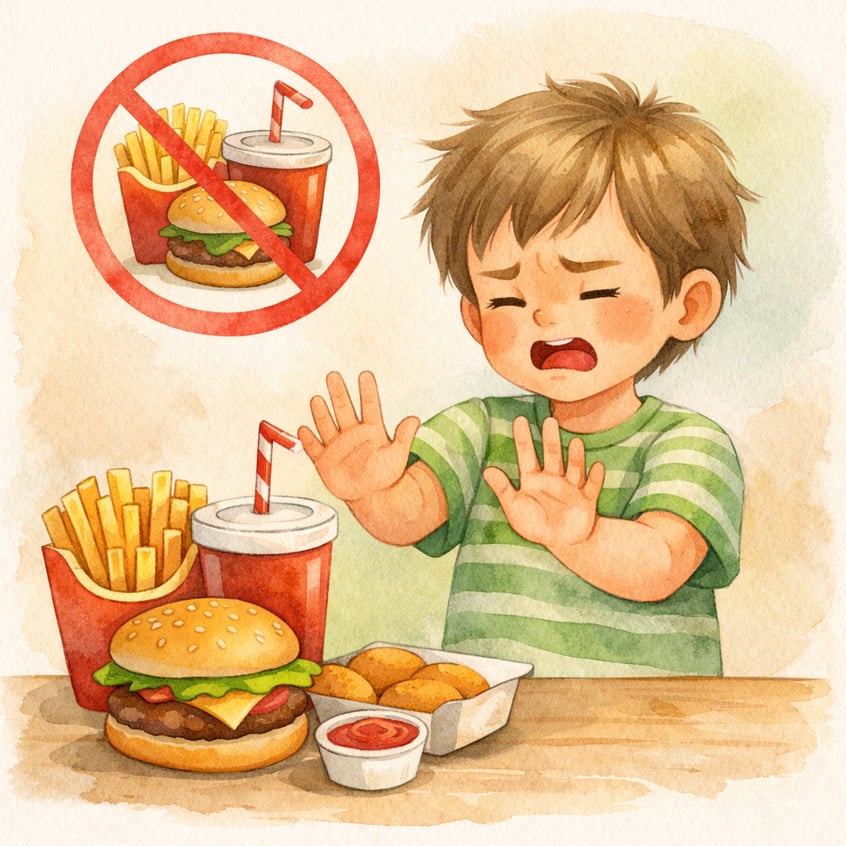
In many Western countries, including Australia, processed foods and fast foods are common parts of daily diets. However, for children with autism, these foods pose significant nutritional pitfalls. They are often high in unhealthy fats, sugar, and salt, and packed with artificial additives that can disrupt gut health, cause unstable energy levels, and trigger inflammation.
A diet high in these items can lead to nutrient deficiencies because they displace healthier options like lean proteins and whole grains that are essential for brain development. This can contribute to issues like imbalanced blood sugar, unhealthy weight gain, and an increased risk of chronic diseases.
Choosing whole, minimally processed foods gives your child the nutrients they need while limiting exposure to harmful ingredients. Here is a comparison of processed snacks and healthier alternatives:
|
Processed Snack Option |
Healthier Alternative |
|---|---|
|
Sugary breakfast cereal |
Oats (certified GF if needed) with fresh fruits |
|
Packaged cookies or cakes |
Almond flour crackers with almond butter |
|
Potato chips |
Baked sweet potato fries or veggie sticks with dip |
|
Fast food chicken nuggets |
Grilled chicken strips |
The Impact of Sugar and Sweeteners on Autism
Sugar is a common concern for parents of children with autism because of its potential impact on behavior. Sugary foods and drinks can cause rapid spikes and crashes in blood sugar levels, leading to irritability, poor concentration, and impulsiveness. Sugar also promotes inflammation and can worsen behavioral symptoms. Many children on the spectrum have difficulty processing sugars, making them even more disruptive.
Additionally, artificial sweeteners are not a safer alternative. They can harm the gut microbiome and negatively affect brain health. Focusing on whole foods and making conscious dietary changes away from both sugar and sweeteners is a key strategy for many families.
Managing Sugar Intake for Improved Behavior
The link between high sugar intake and challenging behavior is well-documented. Fluctuations in blood sugar can lead to energy highs followed by crashes, which often manifest as irritability, hyperactivity, or difficulty focusing. Making dietary changes to reduce sugar can lead to significant behavioral changes and improved concentration.
Reducing your child's sugar consumption doesn't have to be an overnight overhaul. You can start by implementing small, manageable steps. Here are a few tips:
- Swap sugary drinks like soda and juice for water or unsweetened herbal tea.
- Read labels on packaged foods to identify and avoid hidden sugars.
- Limit processed snacks and desserts, offering fresh fruits instead.
Choosing whole foods like fruits, vegetables, and lean proteins can help stabilize blood sugar and provide sustained energy. These alternatives offer essential nutrients without the negative behavioral effects associated with sugary foods.
Sweetener Substitutes and What to Look Out For
When reducing sugar, many people turn to sugar substitutes, but it's important to be cautious. Common artificial sweeteners like aspartame, sucralose, and saccharin are often found in "sugar-free" products. While they don't contain calories, they are artificial additives that may come with their own set of problems.
Research suggests that artificial sweeteners can have negative effects on the body. Some of the pitfalls include:
- They can disrupt the delicate balance of the gut microbiome.
- Some studies link them to negative impacts on brain health.
- They may not satisfy sugar cravings and can even increase them in some people.
Always check the ingredient list on packaged foods and drinks, even those labeled "diet" or "zero sugar." Natural sweeteners like stevia or monk fruit may be better options, but they should still be used in moderation. The best approach is to reduce overall sweetness in the diet and focus on whole foods that don't require added sweeteners.
Strategies for Recognizing and Managing Food Reactions
Identifying food-related symptoms is a critical step in tailoring a diet for your child. Food reactions can manifest as behavioral symptoms like irritability and hyperactivity, or physical ones like gastrointestinal symptoms. It is important to pay close attention to any changes after meals to pinpoint potential food allergies or sensitivities.
There are effective strategies to help you monitor and manage these reactions. Methods like an elimination diet or keeping a detailed food diary can reveal patterns you might otherwise miss. We'll explore these tools next, but remember to work with a healthcare provider for guidance.
Identifying Problem Foods Through Elimination Diets
An elimination diet is a structured way to identify foods that may cause problems. It involves removing potential trigger foods from your child’s diet for a few weeks, then reintroducing them one at a time to watch for reactions. This can help pinpoint food sensitivities that aren’t true allergies.
To try an elimination diet:
- Remove common triggers like gluten, dairy, soy, corn, and artificial additives all at once.
- After several weeks, reintroduce each food group one by one, waiting a few days between each.
- Keep a detailed log of all foods and any symptoms.
Because elimination diets can be complex, always work with a registered dietitian or healthcare professional. They’ll help ensure your child’s nutrition and guide you safely through the process.
Keeping a Food and Behavior Diary for Your Child
A food and behavior diary, or food journal, is a simple tool for tracking how your child’s diet affects their mood and behavior. By consistently recording what your child eats, when they eat, and any changes in behavior or digestion, you can identify patterns linking certain foods to specific symptoms.
For each meal or snack, note:
- Foods and drinks consumed (include ingredients if possible)
- Time of consumption
- Any shifts in mood, behavior, sleep, or digestion
After a few weeks, review the diary for correlations—such as irritability after dairy. This information helps guide dietary decisions and conversations with healthcare providers.
Tips for Supporting Dietary Changes in Autism
Implementing dietary changes can feel overwhelming, especially when your child has strong food preferences or food aversions. The key is to approach the transition slowly and with a great deal of patience. Your support is crucial for building new, healthy eating habits while ensuring a balanced diet that meets all nutritional needs.
Common challenges like picky eating are often related to sensory issues. It's important to work with your child, not against them. In the next sections, we will provide strategies for managing these challenges and creating positive mealtime routines that make the process less stressful for everyone.
Handling Picky Eating and Food Aversions
Picky eating and food aversions are common in children with autism, often due to sensory sensitivities like texture, color, smell, or temperature. Forcing new foods can cause negative associations and anxiety. Instead, make food exploration low-pressure and positive.
Try these strategies:
- Offer tiny portions of new foods alongside favorites with no pressure to eat them.
- Involve your child in preparing meals to increase curiosity and willingness to try new dishes.
- Be patient—many exposures may be needed before your child tries a new food. Celebrate small steps like touching or smelling it.
Positive reinforcement works better than pressure. Success means building a healthy relationship with food, not just eating new items. Be patient and acknowledge that sensory preferences are real.
Building Positive Mealtime Routines at Home

Consistency and positivity are key at mealtimes. Predictable routines reduce anxiety, create a safe space for your child to try new foods, and support healthy eating habits. A calm atmosphere also prevents sensory overload and encourages positive behavior.
To build effective routines:
- Serve meals at the same time and place each day.
- Limit distractions like screens to encourage focus on food and family.
- Offer meals family-style so your child can choose from healthy options.
A supportive, pleasant mealtime environment helps children feel secure enough to try new foods and lets you model good social skills and eating habits.
Conclusion
In conclusion, the right diet can greatly benefit children with autism. Avoiding foods like gluten, dairy, and processed items may reduce symptoms and improve behavior. Using elimination diets and keeping a food diary helps parents identify sensitivities and make informed choices. Since every child is different, dietary changes should be personalized.
For tailored advice, consider booking a consultation or call daar at 02 9133 2500 with a specialist.
Frequently Asked Questions
Can avoiding certain foods improve autism symptoms or behaviors?
For some children on the autism spectrum, yes. Dietary changes that eliminate trigger foods may reduce inflammation and improve gut health. While scientific evidence is still evolving, many parents report improvements in behavioral symptoms like irritability and focus, allowing the child to feel better and engage more easily.
How quickly can changes be noticed after adjusting an autism diet for children?
The timeline for seeing the effects of dietary changes varies. Some parents notice improvements in behavioral changes or gastrointestinal symptoms within days, while for others, it may take several weeks to a month to see a consistent difference in their child's diet and its impact on their well-being.
Is it necessary to consult with a nutritionist before making dietary changes for autism?
Absolutely. It is crucial to consult a registered dietitian or healthcare provider before making significant changes. They can ensure your child’s nutritional needs are met, guide you safely through the process, and help you create a balanced plan that respects your child's unique needs and food preferences.
.svg)




.svg)