
.png?width=48&height=48&name=Group%201%20(3).png)























11 March, 2026

Essential Foods to Avoid for Autistic Children: A Guide

Key Highlights
- Certain foods like those containing gluten, casein, and sugar can worsen autism symptoms for some autistic children.
- Making specific dietary changes may help manage behavioral issues and improve overall well-being.
- Many autistic children have food sensitivities that can lead to digestive problems and behavioral responses.
- Processed foods with artificial additives, colors, and sweeteners are often linked to negative effects on behavior.
- Identifying and avoiding trigger foods can lead to positive changes in your child's health and daily life.
Introduction
If you're raising autistic children, you know that diet and nutrition can be complex topics. Mealtimes might sometimes feel like a challenge, especially with food sensitivities at play. Many parents and caregivers wonder if certain foods could be affecting their child's behavior or worsening the symptoms of autism spectrum disorder. This guide will explore the connection between diet and autism, highlighting specific foods that may be best to avoid. Understanding these links can help you make informed decisions to support your child's health and happiness.
The Role of Diet in Managing Autism Symptoms
Diet significantly influences autism symptoms and overall health, particularly in relation to social skills. While not a cure, thoughtful food choices can support brain function and improve well-being. Certain foods may trigger or worsen behavioral and gastrointestinal issues in some children.
Emerging research suggests dietary changes and early intervention can help some children with autism, though results vary. Some studies show benefits from removing specific foods; others are inconclusive. The following sections will discuss how certain foods affect your child and the role of sensory issues in their eating habits.
How Food Choices Affect Behavior and Wellbeing
Diet and behavior are closely linked for many families, especially those with autistic children with unique food preferences. Certain trigger foods can worsen behavioral symptoms, causing discomfort, irritability, or hyperactivity. When a child’s body struggles to process specific ingredients, it often leads to challenging behaviors.
Removing problematic foods from the diet can lead to noticeable improvements in focus, mood, and social interaction. Eliminating these triggers helps the body and brain function better.
Carefully observing your child after meals and keeping a food journal can help identify foods that affect behavior, leading to a calmer and more balanced life.
Sensory Sensitivities and Eating Patterns in Autism
Sensory sensitivities are common in autism and strongly affect eating habits. The texture, smell, taste, and temperature of food can overwhelm some children, causing picky eating and strong food aversions. These reactions are neurological, not just preferences, making mealtimes stressful.
This sensitivity often leads to food selectivity—children may only accept a limited range of foods, such as preferring crunchy textures and rejecting soft or slimy ones. This makes it challenging to maintain a balanced diet.
Picky eating in autistic children may be due to sensory issues or an attempt to avoid foods that make them feel unwell. Understanding these patterns is key to safely expanding their diet.
Major Foods to Avoid for Children with Autism
Autistic children often have unique dietary needs. Gluten (in wheat) and casein (in dairy) are commonly avoided, as they can cause digestive issues and behavioral changes for some. Food allergies and sensitivities are also more prevalent, so monitoring reactions to foods is important. The next sections explain why gluten and casein are typically excluded from autism spectrum disorder-friendly diets.
Gluten-Containing Foods: Why They Are Often Excluded
Gluten is a protein in wheat, barley, and rye, commonly found in many foods. For some children with autism, gluten is often eliminated from their diet. According to the "leaky gut" hypothesis, some autistic children have increased intestinal permeability, allowing gluten peptides into the bloodstream, which may impact brain function and behavior. Gluten may worsen gastrointestinal issues and alter the gut bacteria and gut microbiome in these children.
Many parents report that removing gluten improves their child's behavior, communication, and digestive issues like constipation or diarrhea. While more research is needed, strong anecdotal evidence encourages many families to try a gluten-free diet. Despite eliminating many common foods, regular physical activity, and there are now plenty of gluten-free alternatives made from grains such as rice and quinoa.
Common sources of gluten include:
|
Food Category |
Examples |
|---|---|
|
Grains |
Wheat, barley, rye, couscous |
|
Breads |
Most breads, bagels, pastries |
|
Pastas |
Wheat-based pasta and noodles |
|
Cereals |
Many cereals; oatmeal (unless labeled gluten-free) |
|
Processed Foods |
Sauces, soups, processed meats, snacks |
Casein and Dairy Products: Potential Impacts
Casein, a protein in all dairy products, can cause issues for some autistic children. When broken down, it may produce opioid-like effects in those with a "leaky gut," leading to behavioral problems and difficulty focusing. Many parents see improvements after removing dairy from their child's diet.
Dairy also commonly triggers gastrointestinal symptoms like constipation, diarrhea, or stomach pain. Eliminating casein can help relieve these issues but may lead to nutrient deficiencies, especially calcium and vitamin D.
Dairy should not be eliminated for all autistic children; decisions should be based on individual responses. If you suspect casein is problematic, try an elimination diet with professional guidance to see if it benefits your child.
The Effects of Sugar and Sweeteners on Autism Symptoms
High sugar intake and the consumption of artificial sweeteners are frequently linked to behavioral changes in many children, and those with autism may be particularly sensitive. Swapping refined carbohydrates for whole grains can help mitigate these issues. Fluctuations in blood sugar can impact energy levels, mood, and focus, potentially worsening some symptoms of autism. Many processed foods and drinks are loaded with hidden sugars, making it easy to consume too much without realizing it.
In addition to sugar, artificial sweeteners are a growing concern. These chemicals are found in many "sugar-free" products but can come with their own set of problems. Next, we'll look at the specific behavioral responses tied to sugar and the worries surrounding artificial sweeteners.
Sugar Intake and Behavioral Responses
For many children, high sugar intake and food intake can cause a brief energy spike followed by a crash, leading to irritability and trouble concentrating. In autistic children, these blood sugar swings can worsen behavioral issues by disrupting mood, energy, and mental health. Sugar sensitivities can create cycles of hyperactivity and fatigue.
Managing sugar is key to stable energy and mood. Diets high in refined sugars may increase inflammation and upset the gut microbiome, which affects brain function. Cutting back on sugar can improve your child’s behavior and well-being.
Common behavioral effects of high sugar include:
- Hyperactivity and restlessness
- Increased irritability or aggression
- Difficulty focusing
Concerns Over Artificial Sweeteners
Artificial sweeteners, often marketed as healthier than sugar, may not be safe for autistic children. These chemicals can be difficult to process and may harm gut health, which can affect behavior due to the gut-brain connection.
Both sugar and artificial sweeteners can trigger hyperactivity, irritability, and digestive issues like gas and bloating in sensitive children. Many parents and professionals have observed these effects.
It’s better to limit sweetness overall or use natural sweeteners in moderation. Choosing whole foods over products with artificial ingredients is safer for supporting your child’s health.
Processed Foods, Additives, and Preservatives
Processed foods often contain artificial additives and preservatives to enhance flavor and extend shelf life. These ingredients can be especially problematic for children with autism, who may be more sensitive to them. Some common additives in processed foods have been linked to worsening autism symptoms and other health issues, including challenges in communication skills.
Choosing a diet of whole, unprocessed foods is an effective way to avoid these substances and support your child’s health. The next sections will outline key additives to watch for.
Common Food Additives Linked to Behavior Changes
Many common food additives are linked to behavioral changes in children in the United States, especially those with autism. Substances like MSG, certain preservatives, and artificial colors can trigger hyperactivity, irritability, and other symptoms by disrupting neurological function.
Processed foods high in additives may also cause nutrient deficiencies, as they lack essential vitamins and minerals necessary for optimal brain health. Some additives even hinder nutrient absorption. To reduce these risks, autistic children should eat mostly whole, unprocessed foods.
Key additives to avoid:
- Monosodium Glutamate (MSG): Found in savory snacks, soups, and processed meats.
- Preservatives (BHA and BHT): Present in cereals and packaged goods.
- Nitrates: Common in processed meats like bacon and hot dogs.
Artificial Colors, Flavors, and Their Effects
Artificial colors and flavors make food look and taste better but offer no nutritional value and may have risks. Studies link artificial colors like Red 40 and Yellow 5 to hyperactivity and inattention, especially in children. Autistic children, who often have heightened sensitivities, may be more affected by these additives.
While more research is needed, experts believe food additives could cause stronger behavioral reactions in autistic children than in neurotypical peers. This is due to sensitivities, not allergies, which can impact mood, emotional regulation, and behavior.
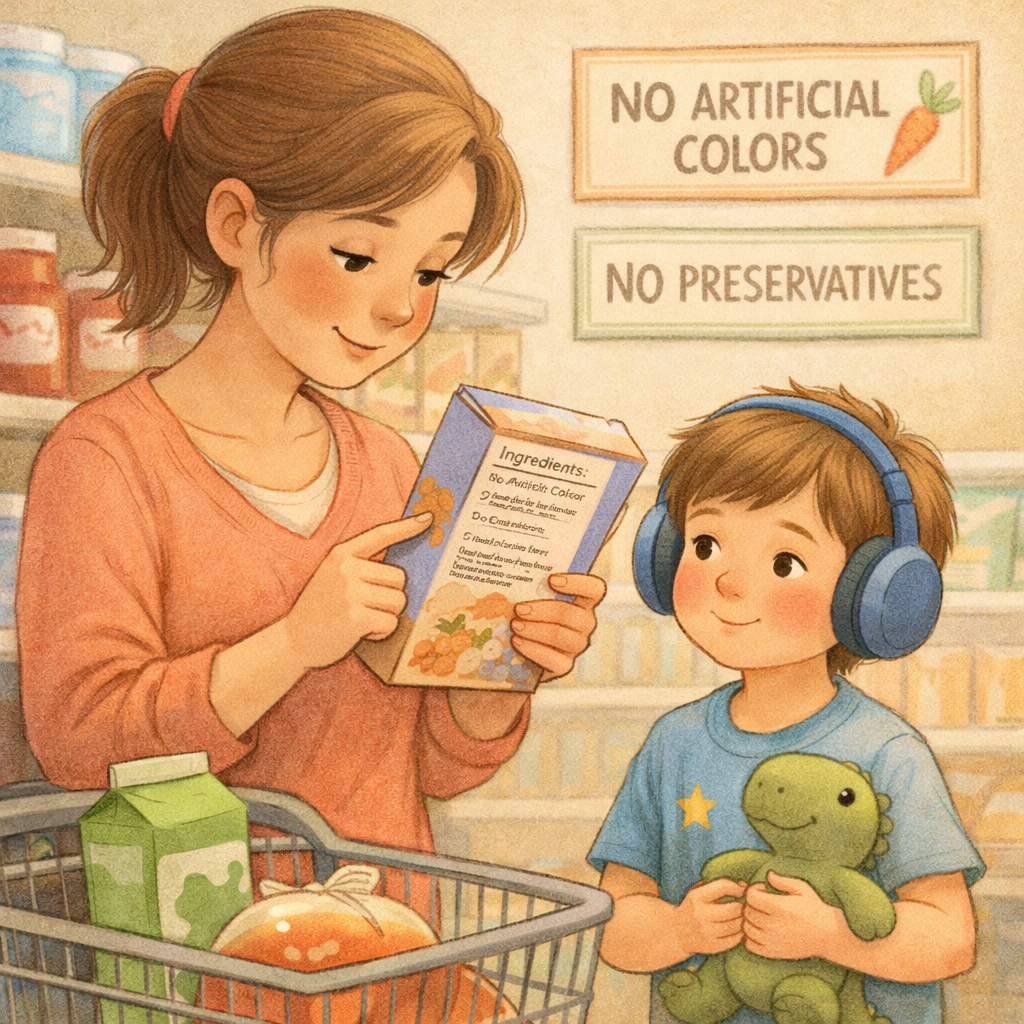
To avoid artificial colors and flavors, read labels carefully—they’re found in many foods like candy, drinks, yogurt, and cereal. Opt for products with natural coloring and flavoring from fruits and vegetables for a healthier choice.
Navigating Soy, Corn, and Other Allergenic Foods
Beyond gluten and dairy, other common allergenic foods like soy and corn can also be problematic for some children with autism. These food groups are common triggers for food allergies and intolerances, which can manifest as both physical and behavioral symptoms. While not every child will react to them, it's worth being aware of their potential impact, especially when considering support strategies like ABA therapy.
The main foods that should be avoided for autistic children often include these top allergens, as sensitivities can contribute to inflammation and digestive issues in a child’s diet. The next sections will explore why soy might be an issue and discuss the general risks of food allergies and intolerances in autism.
Why Soy Might Be Problematic for Some Autistic Children
Soy is a common allergen that can cause digestive issues like gas and bloating, especially in autistic children who may already have gastrointestinal problems. Soy also contains phytoestrogens, which may affect hormonal balance in developing children. Since soy is often found in processed foods and gluten-free or casein-free substitutes, it’s easy to consume unknowingly. If you suspect soy is problematic for your child, carefully check labels and consider removing it from their diet—consult a professional to avoid nutrient deficiencies.
Food Allergies and Intolerance Risks in Autism

Children with autism appear to have a higher risk of food allergies and food intolerance compared to their neurotypical peers. An allergy involves an immune system response that can be severe, while an intolerance typically leads to digestive upset. Both can significantly impact a child's comfort, behavior, and overall quality of life. How do food sensitivities impact the behavior of autistic children? By causing underlying physical discomfort that can lead to irritability, anxiety, and meltdowns.
Identifying these sensitivities can be tricky. A registered dietitian or healthcare provider can help guide you through an elimination diet, a process where you remove a suspected food for a period and then reintroduce it to observe any changes. This type of dietary intervention should be done carefully to ensure your child’s nutritional needs are met.
Working with a professional is key to safely navigating food sensitivities. They can help you create a balanced diet that avoids trigger foods while still providing all the essential nutrients your child needs to grow and thrive.
Conclusion
In conclusion, making informed dietary choices is crucial for managing autism symptoms in children. By understanding the specific foods to avoid—such as gluten, casein, sugar, and processed foods—parents can create a supportive nutritional environment that includes omega-3 fatty acids, which may enhance their child's wellbeing and behavior. It's essential to recognize how certain ingredients can trigger sensitivities and behavioral changes, which can significantly impact daily life. As you navigate this journey, remember that every child is unique, and finding the right dietary approach may take time and experimentation.
If you're looking for personalized guidance, don't hesitate to reach out for a consultation or call daar at 02 9133 2500 to speak with our experts and help tailor a nutrition plan that suits your child's needs.
Frequently Asked Questions
Should all autistic children avoid gluten and dairy?
Not all autistic children need to avoid gluten and dairy products. These diets, particularly those emphasizing lean proteins, are most beneficial for those with specific food sensitivities or gastrointestinal issues. It's best to observe your child for reactions and consult a healthcare provider before making significant dietary changes to ensure their nutritional needs are met.
Are food additives more harmful to autistic children than neurotypical children?
While scientific evidence is still developing, many parents and clinicians report that food additives and artificial colors seem to cause more significant behavioral issues in autistic individuals, impacting their daily living skills. Their sensitive systems may react more strongly to these synthetic substances, leading to increased hyperactivity or irritability compared to their neurotypical peers.
How can parents spot if a food is impacting their autistic child's symptoms?
Parents can observe changes in behavior, communication, or physical health after introducing new foods. Additionally, keeping a food diary helps identify patterns related to specific meals and symptoms. Consulting with healthcare professionals can provide further insights into dietary impacts on autistic children’s well-being, including essential elements that support brain development.
.svg)




.svg)