
.png?width=48&height=48&name=Group%201%20(3).png)
























12 March, 2026

How Autism and Diet Choices Affect Behavior and Health
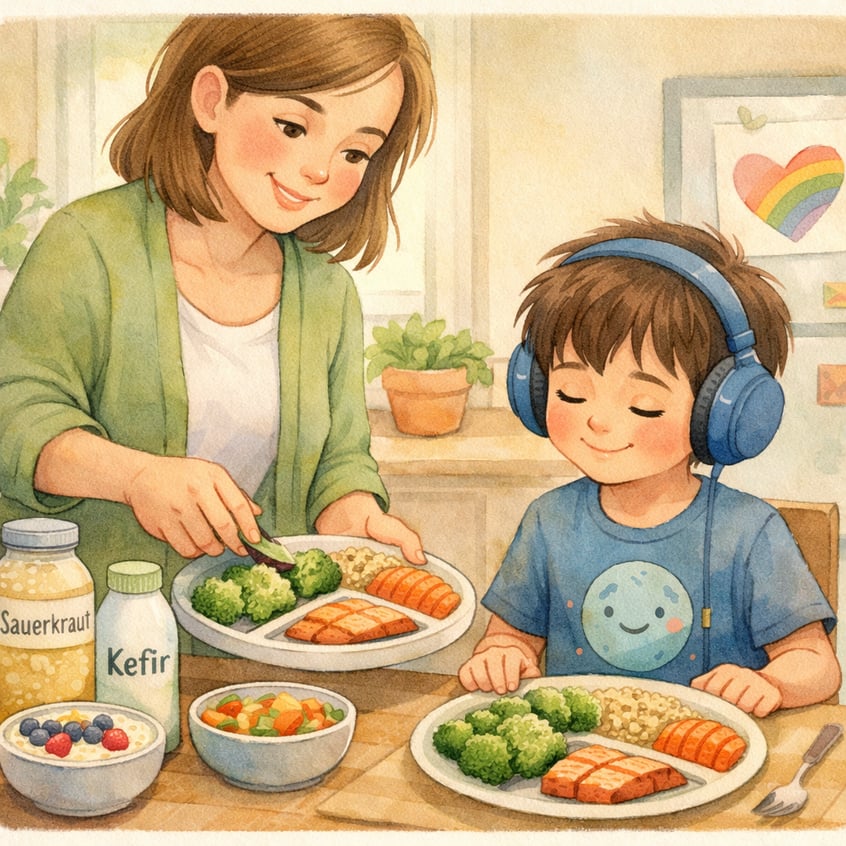
Key Highlights
Here are the key takeaways from this guide on autism and diet:
- Dietary intake can significantly impact behavior and health in individuals on the autism spectrum.
- Many with autism experience food aversions and gastrointestinal issues, making nutritional needs a priority.
- Certain foods, like dairy, gluten, and those with artificial additives, may worsen symptoms for some.
- Addressing food selectivity often involves managing sensory sensitivities and gradually introducing new foods.
- Essential nutrients, such as vitamin D and omega-3 fatty acids, can support overall health.
- Consulting a registered dietitian can help create an individualized meal plan that meets specific needs.
Introduction
Navigating the world of nutrition can be complex, especially when caring for someone on the autism spectrum. The link between diet and well-being is powerful, and understanding it is a key step toward managing health and behavior. For individuals with autism spectrum disorder (ASD), dietary intake can play a significant role in their daily lives. This article will explore the relationship between diet and autism, offering insights into food choices, managing picky eating, and creating a supportive nutritional plan.
Understanding the Relationship Between Autism and Diet Choices
The connection between autism and dietary choices is an area of growing interest. Many individuals on the autism spectrum experience challenges like food preferences that limit their diet, potentially affecting their nutritional status. Gastrointestinal issues are also notably more common in those with ASD, which can influence their overall health and behavior.
Investigating how nutrition impacts development and well-being is vital. By exploring common dietary habits and nutritional concerns, we can better understand how to support individuals with autism. The following sections will look at the specific links between nutrition and ASD and the typical food habits observed.
The Link Between Nutrition and Autism Spectrum Disorder
Nutrition significantly affects behavior and development in autism. Research shows that nutritional status can impact ASD symptoms, as certain foods either support or harm brain health. Neuro-inflammation is a key factor in autism, and inflammatory foods can worsen symptoms. Removing these foods may improve brain function.
Individuals with ASD often experience gastrointestinal issues, which are eight times more common than in neurotypical peers. These GI problems are frequently linked to diet, and dietary changes can lead to better behavior and communication. Proper gut health is essential for neurological development, emphasizing the gut-brain connection.
Overview of Dietary Habits in Autistic Individuals
Children with autism often have limited diets due to strong food preferences and selectivity, leading to unbalanced nutrition. They typically favor a narrow range of familiar foods, often processed and high in sugar or refined carbs. This can result in deficiencies in essential vitamins and minerals and may contribute to inflammation or impaired glucose tolerance.
Sensory sensitivities and a need for routine often drive these dietary habits. Understanding these factors is key to gradually expanding their food choices and improving overall nutrition.
Selective Eating and Food Aversions in Autism
Food selectivity, often called picky eating, is a common challenge for individuals with spectrum disorders. This goes beyond typical childhood fussiness; for many with autism, food aversions are deeply connected to sensory sensitivities. The texture, smell, or even the color of a food can be overwhelming and lead to refusal.
Understanding the root causes of these behaviors is crucial for creating positive mealtime experiences. Exploring why picky eating occurs and how to address the sensory aspects of food can empower parents and caregivers to support better nutrition. Let's look at the drivers of selective eating and how to manage them.
Causes of Picky Eating in Autistic Children
Selective eating in autistic children is often caused by sensory sensitivities. Many are highly sensitive to texture, smell, taste, or appearance, making some foods overwhelming. Repetitive behaviors and a need for routine also play a role; children may insist on specific foods prepared in certain ways. These habits offer comfort and control, not defiance. Recognizing that picky eating stems from sensory differences and routine needs helps caregivers approach mealtimes with empathy and patience.
Addressing Sensory Sensitivities Around Food
To handle food aversions and picky eating in autistic children, start by addressing sensory sensitivities that make mealtimes stressful. Certain textures or smells can cause distress, so aim to make eating less intimidating.
Gradually introduce new foods without pressure—begin by placing them on the table or plate with no expectation to eat. This helps desensitize your child. Adjust food textures, like blending vegetables into sauces or offering crunchy options if soft foods are disliked.
Create a calm, predictable mealtime environment. Try these tips:
- Serve small portions of new foods with familiar favorites.
- Involve your child in preparing meals.
- Avoid pressuring them to eat, as this can increase anxiety.
Strategies for Improving Dietary Diversity
Expanding the range of foods an autistic individual eats is vital for preventing nutritional deficiencies and improving their overall quality of life. Increasing dietary diversity can be a slow process, but it's an important one. The key is to introduce new foods in a way that feels safe and manageable, rather than overwhelming.
A structured and patient approach to expanding food intake can make a significant difference. By using proven techniques and practical tips, you can help your child or yourself become more comfortable with trying new things. The following sections offer effective strategies for encouraging new foods and handling persistent aversions.
Techniques to Encourage Autistic Children to Try New Foods
What are some effective strategies to encourage autistic children to try new foods? One of the most effective methods is to use positive reinforcement. This involves rewarding any step toward trying a new food, even if it's just touching or smelling it. ABA therapy often incorporates this principle by pairing a new food with a preferred activity or item to create a positive association.
Visual supports can also be incredibly helpful. Using a visual schedule or a "first-then" board (e.g., "First, take one bite of broccoli, then you can have your tablet") can make the expectation clear and reduce anxiety. This provides structure and predictability, which many autistic children find calming.
Remember to keep the pressure low and the atmosphere positive to support a healthy food intake. Here are a few more techniques:
- Food Chaining: Link a new food to a preferred one based on a similar taste, texture, or color.
- Small Steps: Start with a tiny portion of the new food, like the size of a pea.
- Model Behavior: Eat the new food yourself and show that you enjoy it.
- Make it Fun: Cut foods into fun shapes or arrange them creatively on the plate.
Practical Tips for Handling Food Aversions
Handling food aversions requires patience and a deep understanding of the underlying sensory sensitivities. Instead of battling over meals, focus on creating a supportive environment where trying new things feels less threatening. Nutritional interventions should be gentle and respectful of the individual's comfort level.
Positive reinforcement is a powerful tool. Celebrate small victories, such as allowing a new food on the plate or bringing it to their lips, without forcing them to eat it. The goal is to build positive experiences around food, which can gradually reduce anxiety and resistance over time. Keep mealtimes calm and predictable to minimize stress.
Here are some practical tips to try:
- Don't hide new foods: Hiding ingredients can break trust. Be open about what's in their meal.
- Offer choices: Let your child choose between two new, healthy options to give them a sense of control.
- Involve them in cooking: Participation can make new foods seem less intimidating.
Foods to Avoid for Autism

When considering diet's role in autism management, it's helpful to know which foods might worsen symptoms. While every individual is different, some foods are commonly reported to cause issues. Many parents find that avoiding processed foods, certain proteins, and items with food additives can lead to improvements.
These dietary changes can help reduce inflammation and ease gastrointestinal issues, which are common in people with autism. The following sections will provide more detail on specific potential triggers like gluten and casein, as well as the impact of artificial ingredients on behavior and dietary intake.
Gluten, Casein, and Other Potential Triggers
What foods should be avoided in the diets of people with autism? Many parents and professionals recommend starting with gluten and casein. Gluten is a protein in wheat, barley, and rye, while casein is a protein found in dairy products. For some individuals with autism, these proteins can cause problems. Casein, for instance, can produce exorphins in the stomach, which may lead to brain fog and concentration issues.
A gluten-free, casein-free (GFCF) diet is a popular nutritional intervention. Research suggests gluten can increase inflammation and negatively affect the cerebellum, a part of the brain often showing decreased function in those with ASD. Avoiding these proteins may help reduce gastrointestinal symptoms and improve behavior. It's important to consult a healthcare professional before starting a free diet.
While the evidence is mixed, many parents report positive changes. Below is a table outlining these common triggers.
|
Food Component |
Found In |
Potential Effects |
|---|---|---|
|
Gluten |
Wheat, barley, rye |
Inflammation, poor gut health, cerebellum issues |
|
Casein |
Milk and dairy products |
Brain fog, spaciness, inflammation, bowel problems |
Artificial Additives and Their Impact on Behavior
Beyond gluten and casein, artificial ingredients found in many processed foods are another area of concern. These substances are not true "foods" but are so common that they are a significant part of many diets. Research suggests a potential link between the preservatives in processed foods and a spike in autism diagnoses.
Artificial additives, including dyes, flavorings, and sweeteners, can have side effects that make behavioral symptoms worse. For example, some studies have connected artificial food dyes to hyperactive behavior in children. Because of this, many families choose to eliminate these substances from their child's diet to see if it helps manage behavior.
When aiming for a healthier diet, avoiding these chemicals is a logical step as they offer no nutritional value. Here are some artificial ingredients to watch for:
- Artificial dyes (e.g., Red 40, Yellow 5)
- Preservatives
- Artificial sweeteners and flavorings
Essential Nutrients and Supplements for Autism Management
While avoiding certain foods can be helpful, ensuring an adequate intake of essential nutrients is just as important. Due to selective eating, many individuals with autism are at risk for nutritional deficiencies. Supplements can play a role in filling these gaps, but they should always be used under the guidance of a healthcare professional.
Key nutrients like vitamin D and omega-3 fatty acids have been studied for their potential benefits in supporting brain health and managing symptoms. The following sections will explore the role of specific vitamins and minerals, as well as the importance of omega-3s for cognitive function.
Role of Vitamins and Minerals in Autism
Are there specific vitamins or nutrients that support autism management? Yes, certain vitamins and minerals are crucial for overall health and may help with some challenges associated with autism. Nutritional deficiencies are common due to restricted diets, so focusing on nutrient intake is vital. For example, low vitamin D levels have been linked to a higher risk of having a child with autism, and this vitamin is important for mood and sleep regulation.
Vitamin C is another essential nutrient that may be lacking. Deficiencies in key vitamins can impact health outcomes, so it's important to ensure a balanced diet or consider supplementation under medical advice.
Addressing these deficiencies can support better overall function. Since picky eating can limit the intake of fresh fruits and vegetables, some individuals may not get enough of these important micronutrients. A healthcare provider can run tests to check for deficiencies and recommend appropriate doses if supplements are needed.
Omega-3 Fatty Acids and Cognitive Health
Omega-3 fatty acids are another critical component for supporting individuals with autism. These essential fats, found in sources like fish oil, play a vital role in brain development and function. Since the body cannot produce them efficiently, they must be obtained through diet or supplements.
These fatty acids are key to maintaining the health of the central nervous system. Research suggests that omega-3s can support cognitive health by reducing inflammation and promoting healthy brain cell communication. For individuals with autism, whose brains may be experiencing inflammatory processes, this can be particularly beneficial.
Including sources of omega-3s in the diet may help with concentration and overall brain function. Consider these sources:
- Fatty fish like salmon and mackerel
- Flaxseeds and chia seeds
- High-quality fish oil supplements
Always consult with a doctor before starting any new supplement regimen to ensure it is safe and appropriate.
Creating an Individualized Meal Plan for Autism
There is no one-size-fits-all diet for autism. The most effective approach is an individualized meal plan that considers the person's unique nutritional needs, preferences, and sensitivities. Working with a registered dietitian or a healthcare professional who understands autism is the best way to develop a safe and effective plan.
A personalized plan can help improve dietary intake, address nutritional gaps, and enhance overall quality of life. The following sections offer guidance on building a nutrient-dense diet and provide sample meal ideas to help you get started.
Building a Nutrient-Rich Autism Diet for Children and Adults
How can you build a nutrient-rich diet for someone on the autism spectrum? The focus should be on whole, unprocessed foods that are naturally packed with vitamins and minerals. Even with a limited palate, you can make small changes to boost nutritional status. Start by slowly introducing new fruits, vegetables, and lean proteins alongside familiar favorites.
For both children and adults, addressing common issues like gastrointestinal distress is key. A diet rich in fiber from whole foods can support gut health. If picky eating is a major hurdle, try different preparation methods. For example, if raw vegetables are rejected, try steaming, roasting, or blending them into soups or smoothies. The goal is to gradually expand the dietary intake.
The best diet tips for autistic adults often involve structure and simplicity. Meal prepping, having a list of go-to healthy meals, and focusing on nutrient-dense options can make healthy eating more manageable. A balanced diet supports not only physical health but mental well-being too.
Sample Meal and Snack Ideas for Australian Families

Is there a recommended meal plan for people with autism? While plans should be individualized, having some go-to ideas can be very helpful. These sample meals focus on nutrient intake while keeping common food preferences in mind, making them suitable for young children and adults alike. Remember to adapt them based on specific dietary needs and habits.
For breakfast, a smoothie with hidden spinach, a handful of berries, and almond milk can be a great start. Lunch could be chicken tenders baked at home with a side of sweet potato fries, offering a healthier version of a kid-friendly classic. For dinner, simple grilled fish with steamed carrots and quinoa provides a balanced plate.
Snacks are important for maintaining energy levels. Consider these simple ideas:
- Apple slices with nut butter
- A small bowl of berries with coconut yogurt
- Rice cakes with avocado
Conclusion
Understanding the intricate relationship between autism and diet choices is essential for fostering better health and behavior in individuals on the spectrum. By recognizing the impact of nutrition, selective eating, and food sensitivities, caregivers can implement strategies to encourage dietary diversity and healthier habits. Moreover, being mindful of potential triggers and ensuring a nutrient-rich diet can play a significant role in managing autism symptoms. The journey toward improving health through diet may present challenges, but the insights gained can lead to profound positive changes.
For more personalized guidance and support, consider reaching out for a consultation or call daar at 02 9133 2500 to explore tailored dietary strategies that work best for your loved one.
Frequently Asked Questions
Can changing diet improve autism symptoms?
Yes, for some individuals, changing their diet can help improve certain symptoms associated with autism. Nutritional interventions, such as eliminating trigger foods, may reduce gastrointestinal symptoms and inflammation. While it is not a cure, a tailored dietary intake can support overall health and well-being on the autism spectrum.
What are the best strategies for handling food aversions in autistic children?
The best strategies involve patience and a gentle approach. Address sensory sensitivities by introducing new foods slowly and without pressure. Use positive reinforcement to reward small steps, like touching or smelling a new food. Creating a calm, predictable mealtime environment can help improve comfort and quality of life.
Are there specific foods or supplements that help manage autism symptoms?
Certain essential nutrients may help. Vitamin D supplementation and omega-3 fatty acids are often recommended to support brain health. Avoiding inflammatory foods like gluten, dairy, and artificial additives can also be beneficial for some. Always consult a healthcare professional to tailor dietary intake to specific nutritional needs.
.svg)




.svg)