
.png?width=48&height=48&name=Group%201%20(3).png)
























10 March, 2026

Find the Right Autism Dietitian for Your Child Today

Key Highlights
- Children on the autism spectrum often have unique nutritional needs due to food selectivity and sensory sensitivities.
- Picky eating can lead to nutrient deficiencies, which may impact overall health and autism symptoms.
- Gastrointestinal issues are common and can affect a child’s appetite and ability to absorb nutrients.
- A registered dietitian can create a personalized plan to address your child's specific dietary challenges.
- Introducing new foods gradually and creating positive mealtime experiences are key strategies for expanding your child's diet.
- Certain nutritional interventions and supplements may help, but always consult a healthcare professional first.
Introduction
Ensuring your child's mental health and proper nutrition can feel like a challenge for any parent, but it can be especially complex when your child is on the autism spectrum. Many children with ASD have specific eating habits and food preferences that make mealtimes a struggle. Understanding their unique nutritional needs is the first step toward building a healthy and balanced diet that supports their growth and well-being. This guide will help you navigate the connections between food, behavior, and health for your child.
Understanding the Unique Nutritional Needs of Children with Autism Spectrum Disorder
Children on the autism spectrum often have unique nutritional needs, shaped by behavioral patterns, sensory sensitivities, and strong food preferences related to developmental disabilities. As a result, they may eat a limited range of foods and miss essential vitamins and minerals.
Meeting these needs goes beyond offering healthy options—it requires understanding the management of autism and why certain foods are accepted or rejected. By recognizing these factors, you can develop strategies to expand their diet and ensure proper nutrition. Let’s look at how autism affects eating behaviors and ways to support your child.
How Autism Spectrum Disorder Impacts Eating Behaviors
Autism spectrum disorder often leads to food selectivity, where children strongly prefer a limited range of foods—sometimes just five or ten. This is not typical picky eating but is tied to autism’s core traits, such as the need for routine and sameness. Children may insist on eating the same foods, prepared each day identically, and any change can cause distress or refusal to eat.
Mealtime can also trigger behavioral challenges. New foods or unfamiliar environments may cause anxiety or overwhelm, making meals difficult. It’s important to recognize these eating habits as part of ASD and approach them with patience and effective strategies.
The Role of Sensory Challenges in Mealtime Habits
Sensory sensitivities often make mealtimes challenging for autistic children. For a child with ASD, food can be overwhelming due to how it looks, smells, feels, or sounds when chewed. This hypersensitivity can cause strong aversions to certain foods based on their sensory properties.
For instance, a child might refuse all soft foods like bananas or yogurt but enjoy crunchy snacks like crackers. Others may avoid foods with strong smells altogether. These are not simple preferences, but genuine aversions caused by how their brain processes sensory input.
Such aversions can lead to a very limited diet and make trying new foods difficult. Working with professionals—like a registered dietitian or occupational therapist—can help identify your child's sensory triggers and develop strategies to reduce mealtime stress.
Influences of Routine and Food Selectivity
For many children with autism, routine provides comfort and shapes their eating habits. This need for predictability often leads to food selectivity—children may only eat foods of certain colors, brands, or shapes, and even minor changes can cause refusal. Such rigid routines drive selective eating.
This behavior makes it difficult to maintain a balanced diet, increasing the risk of nutrient deficiencies and long-term health issues like cardiovascular disease. Selective eating is a significant factor in autism-related nutrition challenges.
At mealtime, this need for sameness may show up as:
- Eating only specific brands
- Demanding food arranged in a particular way
- Refusing food if packaging changes
- Feeling anxious when preferred foods are unavailable
Common Nutritional Challenges in Children with Autism
Navigating nutrition for autistic children often means addressing eating difficulties, food aversions, and food sensitivities common in ASD. Many children follow highly restricted diets, avoiding entire food groups and risking imbalanced nutrient intake.
These patterns can cause gastrointestinal issues, affecting appetite and nutrient absorption. Recognizing these challenges is the first step toward targeted solutions to improve your child’s health. The following sections will explore these issues in detail.
Nutrient Deficiencies Frequently Seen in Autism
Children with autism and other developmental disorders often face nutrient deficiencies due to restrictive diets. Limited food choices make it hard to get essential nutrients for healthy growth and development, affecting bone health and cognitive function.
Common deficiencies include calcium and vitamin D—especially if dairy is avoided—as well as iron for those who skip iron-rich foods. A lack of fiber from fruits and vegetables can lead to constipation and digestive problems.
These issues stem from selective eating habits, such as diets heavy in processed snacks and carbs, which are low in key vitamins, minerals, and healthy fats, ultimately impacting their nutritional intake. Identifying and addressing these gaps is crucial for a comprehensive nutrition plan for children with ASD.
Identifying Signs of Restricted Diets and Eating Difficulties
Early recognition of restricted diets and severe eating difficulties is crucial. While many toddlers are picky eaters, autism-related challenges are often more intense and persistent. A major warning sign is a child consistently eating fewer than 20 different foods.
Other signs include:
- Ritualistic eating behaviors, like needing foods separated or eaten in a specific order.
- Strong emotional reactions—tantrums or anxiety—when offered new foods.
- Complete refusal of entire food groups (e.g., no fruits or vegetables).
- Gagging or vomiting at the sight, smell, or texture of certain foods.
- Reliance on liquids or pureed foods beyond an appropriate age.
- Fear or anxiety during meals or in social eating situations.
These behaviors can signal significant eating difficulties and may resemble disordered eating patterns.
Gastrointestinal Issues and Their Effect on Nutrition
Many children with autism experience more gastrointestinal (GI) symptoms than average, including constipation, diarrhea, abdominal pain, and bloating. These gastrointestinal symptoms can affect appetite, behavior, and willingness to eat.
GI symptoms may create a cycle: discomfort leads to food avoidance, which can worsen nutrition and GI problems—especially if the diet lacks fiber.
Research shows gut health is linked to autism. Children with autism often have different gut bacteria, which may contribute to both GI symptoms and some behavioral traits. Addressing gut issues is important for improving nutrition and quality of life.
Autism Nutrition Therapy Approaches
A structured nutrition therapy approach can effectively address complex eating challenges and evaluate the nutritional status in autism. These interventions focus on expanding food variety, correcting deficiencies, and improving mealtime behaviors in a supportive way—without forcing the child to eat.
A registered dietitian specializing in pediatric nutrition and autism can assess your child’s needs and develop a personalized plan, as highlighted in this systematic review. The following sections highlight key strategies, including individualized plans and techniques for successfully introducing new foods.
Individualized Nutrition Plans for Autistic Children
There is no universal diet for autism; the best approach is a personalized nutrition plan tailored to your child’s needs. A registered dietitian will assess your child’s food intake, growth, and health concerns to identify nutrient gaps and create a practical plan. This plan takes into account food preferences, sensory issues, sensory sensitivities, and daily routines to ensure changes are manageable. The goal is to gradually improve your child’s nutrition without stress. A dietitian offers guidance on fortifying favorite foods and introducing new ones, providing essential support for lasting positive changes in your child’s health.
Strategies for Increasing Acceptance of New Foods
Introducing new foods to a child with autism takes patience, creativity, and structure. The aim is to keep the experience positive and low-pressure. Gradual exposure, without expecting the child to eat right away, works best.
Behavioral interventions are key. Use positive reinforcement—like praise or small non-food rewards—for interacting with new foods (touching or smelling). Keep portions tiny and pair new foods with familiar favorites.
Try these strategies:
- Food Chaining: Connect new foods to preferred ones by taste, texture, or color.
- One-Bite Rule: Encourage just one bite of a new food without pressure for more.
- Involve Your Child: Let them help shop or prepare meals to boost familiarity.
- Model Healthy Eating: Eat the new food yourself and speak about it positively.
Guiding Families Through Gradual Dietary Adjustments
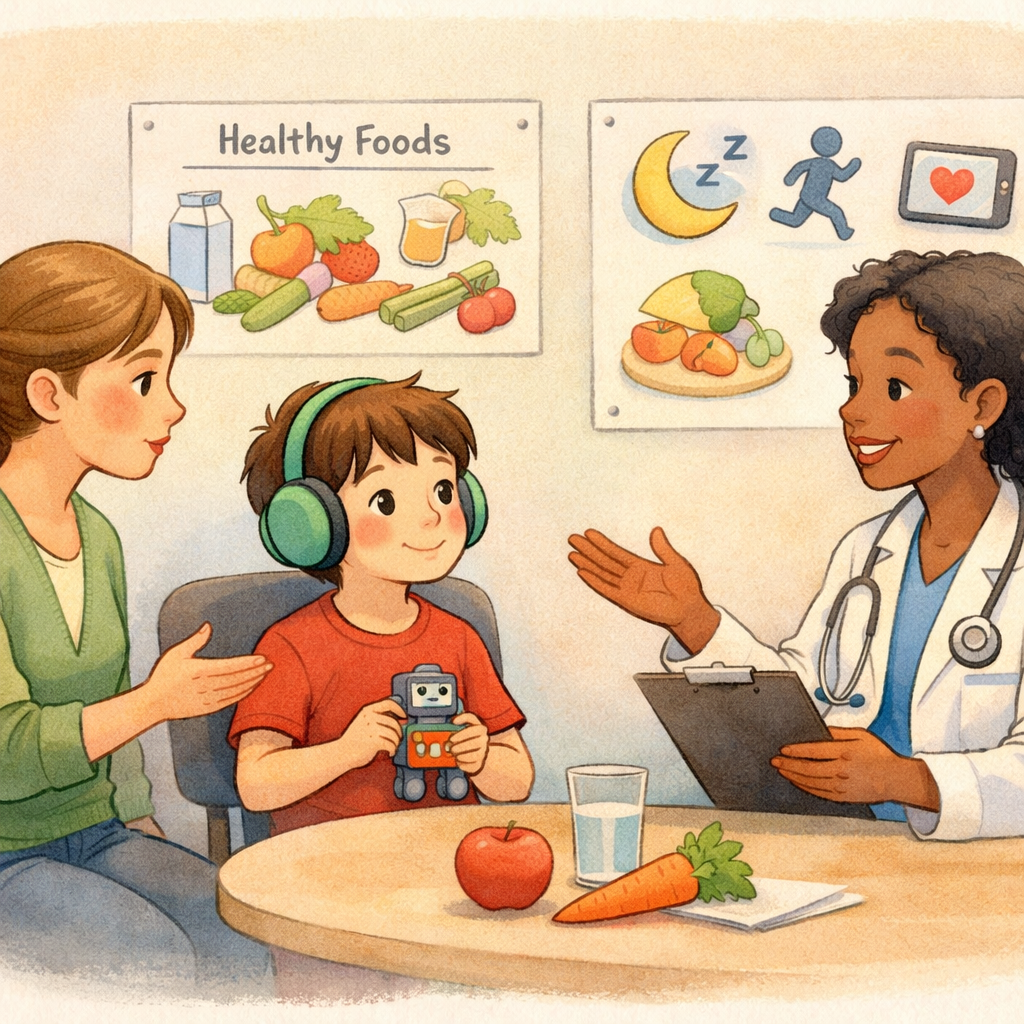
Making dietary changes can be challenging, especially for families with children with autism. Success comes from gradual adjustments rather than sudden overhauls—slow, steady changes are less stressful and more sustainable.
A professional can help break goals into manageable steps. For example, instead of introducing five new vegetables at once, start with one new vegetable on the plate for a week. This honors the child’s routine while gently expanding their diet.
Family support is crucial. Everyone should stay positive, patient, and consistent. Celebrating small victories, like your child tolerating a new food, helps build momentum and makes the process more rewarding for all.
Essential Nutrients and Foods for Autism
While every child's needs are different, focusing on certain essential nutrients can support brain health, gut health, and overall well-being in children with autism. Ensuring an adequate nutrient intake is vital, especially when their diet is limited. These necessary nutrients play a crucial role in everything from cognitive function to mood regulation.
The goal is to incorporate nutrient-dense foods that your child is more likely to accept. By understanding which vitamins, minerals, and macronutrients are most important, you can make more strategic food choices. The following sections will highlight key nutrients and provide examples of foods that contain them.
Important Vitamins and Minerals for Brain and Gut Health
Certain vitamins and minerals are vital for the neurological and digestive health of children with autism. Omega-3 fatty acids support brain development and cognitive function. Zinc and magnesium play key roles in brain processes, mood, and attention.
Vitamin D is also important, as children with restricted diets may lack adequate intake from food or sunlight. For gut health, probiotics and prebiotics promote a balanced gut microbiota and may ease gastrointestinal issues.
Including foods rich in these nutrients can help improve your child’s diet.
|
Nutrient |
Role in the Body |
Common Food Sources |
|---|---|---|
|
Omega-3 Fatty Acids |
Brain health, cognitive function |
Salmon, walnuts, chia seeds, flaxseeds |
|
Vitamin D |
Bone health, immune support |
Fortified milk, salmon, egg yolks |
|
Magnesium |
Nerve function, relaxation |
Spinach, almonds, black beans, avocado |
|
Zinc |
Immune function, metabolism |
Lean meats, chickpeas, pumpkin seeds |
|
Probiotics |
Gut microbiome balance |
Yogurt, kefir, fermented foods |
Sources of Protein, Fiber, and Healthy Fats
Beyond vitamins and minerals, macronutrients—protein, fiber, and healthy fats—are essential for a healthy diet. Protein supports growth and repair, fiber aids digestion, and healthy fats promote brain development. Children with ASD especially need adequate amounts of all three.
If your child has a limited diet, finding acceptable sources can be challenging. If traditional proteins like chicken or fish aren’t an option, try beans, lentils, tofu, or nut butters.
You can also boost fiber and healthy fats by adding them to favorite foods:
- Protein: Lean meats, eggs, dairy, beans, lentils, tofu
- Fiber: Oats, beans, apples, carrots, whole-grain bread (if tolerated)
- Healthy Fats: Avocado, nuts, seeds, olive oil
- Add flaxseed meal or chia seeds to smoothies or baked goods for extra fiber and healthy fats
Encouraging Variety to Prevent Deficiencies
The best way to prevent nutrient deficiencies is by encouraging food variety to ensure your child receives adequate nutrition. For parents of children with autism, this can be challenging, but even small changes in diet can greatly improve nutrition. Aim to gradually expand the range of foods your child accepts.
Begin by making slight changes to familiar foods. For instance, if your child only eats one brand of chicken nuggets, try a similar-looking alternative. This “food chaining” technique helps introduce new foods more easily.
A limited diet is the main cause of deficiencies, so each new food is a win. Expect setbacks, but remember: progress takes time. Patience and consistency are key to improving your child’s long-term health.
Foods to Encourage and Foods to Limit in an Autism Diet Plan
Creating a balanced diet for a child with autism involves making smart food choices that maximize nutrition while respecting their preferences and food sensitivities. The focus should be on encouraging whole, nutritious foods while being mindful of potential food triggers that might worsen behavioral or physical symptoms, as poor nutrition can contribute to unhealthy weight gain.
Building a nutritious diet is about finding healthy foods your child will actually eat and gradually introducing others. At the same time, it can be helpful to limit certain ingredients that are commonly associated with negative reactions. Let’s look at which foods to prioritize and which to approach with caution.
Recommended Food Groups for Children on the Spectrum
When creating a nutritious diet for a child on the autism spectrum, aim to include all food groups, even if the variety is limited. Choose at least one or two accepted foods from each group for better balance.
Build on your child’s current preferences. For example, if they like crunchy foods, try baked sweet potato fries as a vegetable option. If they prefer chicken nuggets, offer small pieces of grilled chicken instead.
Examples of healthy options across food groups:
- Fruits: Berries, melon, apples, bananas
- Vegetables: Carrots, sweet potatoes, broccoli, spinach (blend into sauces)
- Lean Proteins: Chicken, fish, eggs, beans
- Whole Grains: Oats, quinoa, brown rice, whole-wheat bread
Common Food Triggers and Ingredients to Avoid
Some children with autism have food sensitivities or food allergies that can trigger behavioral or physical issues. While not every child reacts to these foods, noticing patterns between your child’s diet and behavior can be helpful.
Common triggers include gluten (in wheat), casein (in dairy), soy, and artificial additives or dyes. Some parents see improvements in focus, mood, or digestion after removing certain foods, but scientific evidence is mixed and these diets don’t help everyone.
Always consult a healthcare professional before removing major food groups. They can guide you in identifying possible food sensitivities safely.
Addressing Additives, Artificial Colors, and Preservatives
Many processed foods contain artificial colors, additives, and preservatives that may affect children's behavior, including those with autism. While research is ongoing, some children seem sensitive to these ingredients, which can cause hyperactivity or irritability.
If you suspect sensitivity, try limiting foods with long ingredient lists and bright artificial colors. Choose whole, unprocessed foods instead of packaged snacks and colored drinks. Make label reading a habit.
Whenever possible, pick foods in their natural state. For example, choose plain yogurt sweetened with fruit rather than pre-flavored options with artificial additives. Simple swaps like these can reduce your child’s exposure to unnecessary additives without major dietary changes.
Supplementation and Alternative Diets: What Families Should Know
Many families explore nutritional supplements and alternative diets as a dietary intervention to help manage autism symptoms and oxidative stress. It's understandable to want to try everything possible to support your child. However, it's important to approach these options with a clear understanding of the evidence and potential risks.
While some supplements can correct specific deficiencies and certain diets may help some individuals, they are not a cure for autism. It is absolutely essential to consult with a healthcare professional or registered dietitian before starting any new supplement or restrictive diet. The following sections will offer more insight into these popular approaches.
Role of Nutritional Supplements and When They’re Needed
Nutritional supplements can support children with autism by addressing specific nutrient gaps, not as a general treatment. They are mainly used to correct deficiencies caused by selective eating.
A doctor or registered dietitian can determine the need for supplements through dietary analysis or blood tests. For example, if a child doesn’t eat dairy, calcium and vitamin D may be recommended. Low iron intake may require an iron supplement to prevent anemia.
Supplements should always be given under professional supervision. High doses can be harmful, so expert guidance ensures your child gets the right nutrients safely and effectively.
Popular Diets for Autism and the Current Research (e.g., Gluten-Free, Casein-Free)
Several alternative diets are popular in the autism community, especially the gluten-free, casein-free (GFCF) diet, which involves removing gluten found in wheat, barley, and rye, and casein found in dairy products from their meals. This approach is based on the idea that some children with autism struggle to digest these proteins, which may affect behavior and gut health. While some parents report benefits, scientific evidence remains inconclusive.
Other restrictive diets, such as the ketogenic diet or specific carbohydrate diet (SCD), have also been tried. These should only be used under medical supervision and are usually considered for co-occurring conditions like epilepsy—not as primary autism treatments.
These diets can be hard to follow, costly, and may cause nutritional deficiencies if not carefully managed. Always consult your child’s healthcare team before making dietary changes.
Safety Considerations Before Starting New Diets or Supplements
Safety should always come first before making major dietary changes or starting new supplements for your child. Drastic changes without professional guidance can cause unintended health issues, including nutrient deficiencies, poor growth, or a more limited diet.
Always consult with your child’s pediatrician and a registered dietitian. They can guide you in making safe, informed choices and monitor your child’s health to ensure nutritional needs are met. Never start a new diet or supplement based solely on advice from the internet or others.
Remember these key steps:
- Consult a Professional: Speak with a doctor or dietitian before making changes.
- Monitor Closely: Track your child’s growth, energy, and digestive health.
- Maintain Nutritional Balance: Work with experts to avoid deficiencies.
- Consider Impact: Weigh the financial, time, and social effects on your family.
Feeding Therapy and Mealtime Strategies for Children with Autism
For children with significant mealtime challenges, feeding therapy can be a transformative intervention. This specialized therapy, often led by an occupational or speech therapist, uses behavioral interventions and sensory strategies to address the root causes of picky eating and food refusal. It focuses on building positive associations with food and improving the motor skills needed for eating.
By working on everything from oral-motor skills to communication skills around food, feeding therapy can make mealtimes less stressful for the whole family. The following sections will explore how this therapy complements nutrition efforts and provides practical tips you can use at home.
How Feeding Therapy Complements Nutrition for Autism
Feeding therapy and nutrition for autism are most effective when tailored to individual needs and combined. A dietitian focuses on what a child should eat for better nutrition, while a feeding therapist addresses how to help the child eat it. Together, they tackle both the nutritional and behavioral aspects of eating.
Feeding therapists help children with autism overcome sensory aversions and oral-motor challenges through techniques such as structured play and desensitization. As therapy broadens the child's willingness to try new food textures and nutritious options, the dietitian recommends introducing them.
This teamwork ensures that as a child’s food choices expand, their diet becomes more balanced and nutrient-rich, supporting better health outcomes.
Practical Mealtime Tips for Parents and Caregivers

Managing mealtime challenges can be draining, but there are practical strategies you can implement to create a more peaceful and productive environment. One of the most important tips is to establish a consistent routine. Having meals and snacks at the same time each day helps your child know what to expect.
Keep mealtimes calm and free of distractions like television or tablets. The focus should be on the food and positive family interaction. Remember to use positive reinforcement for any small step forward, whether it's touching a new food or simply sitting at the table without distress. Avoid pressuring or punishing your child for not eating, as this can increase anxiety.
Here are a few quick tips to try:
- Keep Meals Short: Aim for mealtime of about 20-30 minutes.
- Serve One "Safe" Food: Always include at least one food you know your child will eat.
- Separate Foods: Many children with autism prefer their foods not to touch on the plate.
- Stay Neutral: React calmly and neutrally whether your child eats the new food or not.
Conclusion
In conclusion, meeting the nutritional needs of children with Autism Spectrum Disorder is essential for their well-being. Understanding their unique challenges and adopting tailored dietary strategies can greatly improve the symptoms of autism, health, and behavior. A balanced diet supports cognitive function and emotional stability. Gradual introduction of new foods and professional guidance can make mealtimes easier.
Every small improvement in nutrition can lead to positive changes—contact our experts for a consultation or call daar at 02 9133 2500.
Frequently Asked Questions
Are there signs of disordered eating I should watch for in my child?
Yes, signs can overlap with autism symptoms but may include extreme food selectivity, intense fear of certain foods, ritualistic eating habits, significant weight loss or failure to gain weight, and difficulties in social communication. If you notice these behavioral issues around food, it’s important to discuss your concerns about disordered eating with a healthcare professional.
Is it necessary to work with a dietitian for autism nutrition concerns?
While not always necessary, working with a registered dietitian is highly recommended, especially if your child has a very limited diet or gastrointestinal issues. They can provide an individualized nutrition plan, ensure your child’s nutritional needs are met, and help you navigate dietary changes safely for better health outcomes.
Do nutritional changes really make a visible difference in autism symptoms?
For some children, yes. Correcting nutritional deficiencies and improving gut health through dietary habits can lead to better sleep, improved concentration, and reduced irritability. While nutritional interventions don't cure autism, they can significantly improve physical health and quality of life, which can positively impact behavior and overall well-being.
.svg)




.svg)