
.png?width=48&height=48&name=Group%201%20(3).png)
























5 March, 2026

What Foods to Avoid for Children Diagnosed with Autism
Key Highlights
Here are the key takeaways from this guide on creating an autism diet:
- Making dietary changes for autistic children can help manage certain autism symptoms.
- Many children on the spectrum have food sensitivities or food allergies, especially to gluten and dairy.
- Certain foods, like those with artificial additives and high sugar, may worsen behavioral issues.
- A balanced autism diet focusing on whole foods can support brain function and overall health.
- Introducing dietary changes slowly and with professional guidance is crucial for success.
Introduction
Navigating the world of nutrition can be challenging for any parent, but it becomes even more complex when your child is on the autism spectrum. You might wonder if changing your child’s diet could make a difference in their well-being and behavior. The link between food and autism symptoms is a growing area of interest for many families. Making thoughtful dietary changes, with guidance, can be a supportive step in managing your child's health, and this guide will explore which foods to consider avoiding.
Understanding the Link Between Diet and Autism in Children
Exploring diet for a child on the autism spectrum begins with understanding how food affects their well-being. Research highlights a strong link between gut health and brain function, especially since many autistic children experience digestive issues. Some foods may trigger inflammation or digestive problems, potentially impacting behavior and focus.
Because of this, it’s important to pay close attention to your child’s nutrition. Certain foods can be difficult for some children to digest, causing discomfort and other symptoms. Let’s examine how nutrition matters and which foods could affect your child.
The Role of Nutrition in Autism Spectrum Disorder
Proper nutrition is essential for every child's growth, but it's especially important for children with autism spectrum disorder. A balanced diet supports brain development and can help manage symptoms. The foods your child eats affect their gut microbiome, which influences mood and immunity.
Children with autism may react differently to certain foods due to enzyme deficiencies or an overactive immune system. These reactions can cause inflammation, a factor linked to ASD symptoms.
Some foods can disrupt the gut, trigger inflammation, or interfere with brain function. Understanding nutrition helps you make better choices to support your child's health and unique needs.
How Certain Foods May Impact Autism Symptoms
Certain foods can worsen autism symptoms, often due to food sensitivities or gastrointestinal issues. Parents frequently notice increased behavioral problems, hyperactivity, or brain fog after their child eats trigger foods—likely caused by internal discomfort or inflammation.
Watch for signs like constipation, diarrhea, eczema, irritability, trouble concentrating, sleep issues, or repetitive behaviors after meals. These changes may indicate a negative reaction to certain foods.
Blood sugar fluctuations also affect mood and focus; sugary foods can cause energy highs and crashes. Keeping a food journal helps track meals and related symptoms to identify problematic foods.
Top Foods to Avoid for Children Diagnosed with Autism
When making dietary changes, it's helpful to know which foods commonly cause problems. While every child is unique, some of the worst offenders for children on the spectrum are foods that trigger inflammation, digestive issues, or behavioral changes. This is especially important since food aversions and selectivity are already common.
Foods to consider avoiding include dairy, gluten, sugar, corn, and anything with artificial ingredients. An elimination diet—removing these foods and reintroducing them one at a time—can help identify specific triggers. Next, we’ll look at why these food groups can be problematic.
Gluten-Containing Foods and Their Effects
Gluten, a protein found in wheat, barley, and rye, is often one of the first foods parents consider removing. For some children with autism, consuming gluten can make autism symptoms worse. This is because it may increase inflammation throughout the body, including the brain. Many parents report improvements in gastrointestinal symptoms and behavior after adopting a gluten-free diet.
The connection may lie in how the body digests this protein. Some children have difficulty breaking down gluten, which can lead to digestive issues and affect the gut-brain axis. Even without true food allergies, a sensitivity can be enough to cause problems. While research is mixed, the anecdotal evidence from families who see positive changes is strong, especially for children with existing digestive troubles.
Removing gluten doesn't mean eliminating all whole grains. There are many gluten-free alternatives to explore.
|
Foods With Gluten to Avoid |
Gluten-Free Alternatives |
|---|---|
|
Wheat bread and pasta |
Brown rice, quinoa |
|
Barley-based soups |
Oats (certified GF) |
|
Rye bread |
Corn-based products |
|
Many breakfast cereals |
Buckwheat, millet |
Dairy and Casein: Why Limiting These Matters
Like gluten, dairy is often linked to worsening autism symptoms, mainly due to casein, a milk protein. When digested, casein can produce exorphins that affect the brain, potentially causing brain fog, poor focus, and reduced pain sensitivity.
For children with digestive issues or food sensitivities, dairy can be especially problematic. It’s considered inflammatory, and since inflammation is associated with autism, avoiding dairy may help. Sensitive immune systems may react to casein, triggering digestive distress and behavioral changes. Many families report that removing dairy reduces hyperactivity and resolves bowel issues.
Although eliminating dairy may seem challenging, many plant-based alternatives for milk, yogurt, and cheese are available. Cutting out dairy can lead to noticeable improvements for children with gastrointestinal sensitivities or difficulty digesting milk proteins.
Artificial Colors, Flavors, and Preservatives in Packaged Foods
Packaged foods are convenient but often contain artificial additives that can be problematic for children with autism. Artificial colors, flavors, and preservatives have been linked to behavioral issues like hyperactivity, and some research connects preservatives in processed foods to rising autism diagnoses.
When shopping, watch for ingredients like artificial food dyes (e.g., "FD&C Red No. 40," "Yellow No. 5") and preservatives such as BHA, BHT, and sodium benzoate—all of which may negatively affect sensitive children.
To avoid these additives, read labels closely and choose foods with short, familiar ingredient lists. Whenever possible, opt for whole, unprocessed foods. Your child doesn’t need these chemicals for proper nutrition, and removing them may make a noticeable difference.
How Sugar and Sweeteners Affect Behavior and Focus
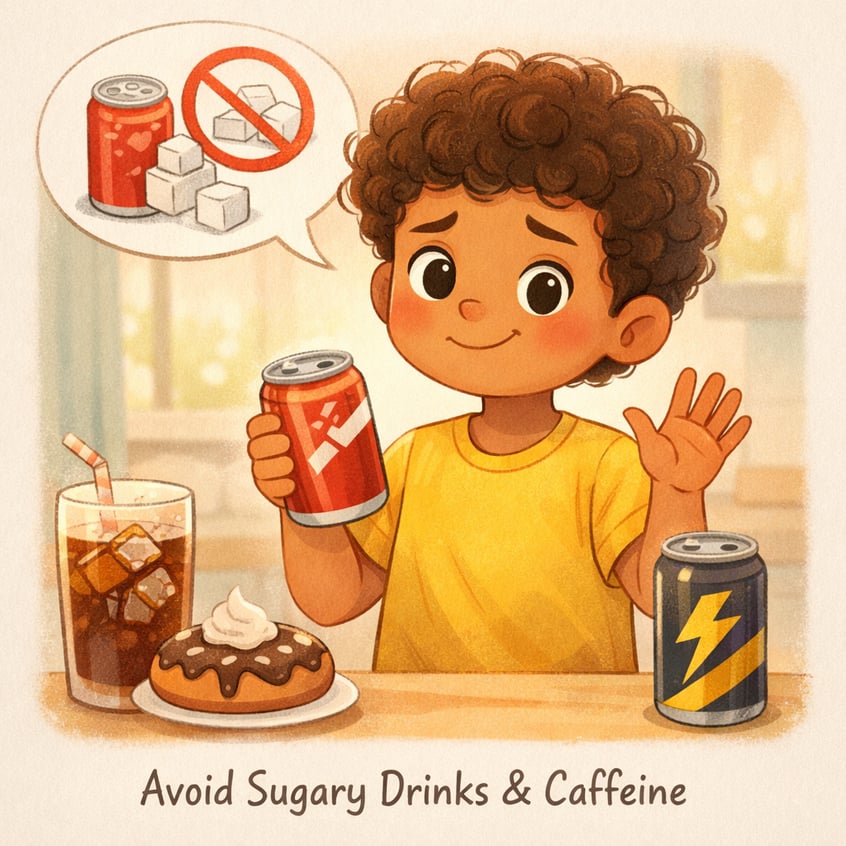
Sugar and artificial sweeteners can disrupt a child's behavior and focus, especially in those with autism. Sugary foods and drinks cause rapid blood sugar spikes and crashes, leading to irritability, poor concentration, and impulsiveness. Sugar also promotes inflammation and erratic brain activity, worsening behavioral issues.
Many children with autism struggle to process sugars due to enzyme deficiencies, making sugar even more disruptive for them. Reducing sugar can significantly improve concentration and behavior.
Artificial sweeteners are not safer; they can harm brain health and gut bacteria. For better focus and stable energy, avoid sugary snacks, sodas, and processed foods with added sweeteners.
The Risks of Fast Food and Ultra-Processed Snacks
Avoiding junk food—like fast food and ultra-processed snacks—is especially important for children with autism. These foods are designed to taste appealing but offer little nutrition, often containing unhealthy fats, excess sugar and salt, and artificial additives that can trigger inflammation and other health issues.
A diet high in these foods increases the risk of nutrient deficiencies. Children on the spectrum are already more prone to inadequate nutrition, and processed snacks make this worse by displacing healthier choices needed for brain development and overall well-being. This can lead to problems such as:
- Unhealthy weight gain or obesity
- Imbalanced gut bacteria
- Higher risk of chronic diseases
Choosing whole, minimally processed foods instead gives your child the nutrients they need to thrive while limiting exposure to harmful additives.
Tips for Implementing Dietary Changes in Your Child’s Routine
Introducing dietary changes can feel overwhelming, especially when dealing with established food preferences and potential behavioral issues. The key is to start slow and be patient. Instead of overhauling your child's entire diet overnight, begin by making small, manageable swaps. Careful meal planning will be your best friend during this transition.
Focus on what your child can have, not just what they can't. By gradually incorporating new, healthy options that are similar in texture or taste to their current favorites, you can make the process less stressful for everyone. In the following sections, we'll offer ideas for building a balanced meal plan and managing common challenges like picky eating.
Building a Balanced Meal Plan Without Trigger Foods
Creating a balanced diet without common trigger foods is entirely possible with a focus on whole foods. The goal is to provide all the essential nutrients your child needs for growth and development. Center meals around lean proteins, healthy fats, fresh fruits, and vegetables. These foods support gut health and provide steady energy.
A simple meal plan could look something like this:
- Breakfast: Scrambled eggs with a side of berries and avocado slices.
- Lunch: Grilled chicken strips with sweet potato fries and steamed green beans.
- Dinner: Wild-caught salmon with quinoa and a side salad.
Don't forget snacks! Options like apple slices with almond butter or a handful of nuts and seeds can keep your child satisfied between meals. It’s also important to ensure your child gets enough of certain nutrients like Vitamin D and omega-3 fatty acids, which can be found in fish and fortified foods or added as supplements with a doctor's guidance.
Strategies for Managing Picky Eating and Social Situations

Picky eating and food aversions are common challenges, often tied to sensory issues with texture, color, or smell. Forcing a child to eat something they are not ready for can create more harm than good. Instead, parents can help by making food exploration a positive, low-pressure experience. Remember that progress isn't just about eating; touching, smelling, or even just having a new food on the plate is a win.
Here are a few strategies to help manage food preferences:
- Introduce new foods alongside favorites: Offer a tiny portion of a new food next to something you know your child loves.
- Involve your child in food prep: Letting them wash vegetables or stir ingredients can make them more curious about trying the final dish.
- Don't give up: It can take many exposures before a child is willing to try a new food from a different food group.
For social situations like parties or school events, planning is key. You can pack safe snacks for your child, speak with the host beforehand about food options, or eat a meal at home before you go. This helps your child feel included without compromising their dietary needs and supports their social skills development.
Conclusion
Being mindful of your child's diet is crucial when managing autism. Some foods can worsen symptoms and affect behavior, so parents should carefully consider nutrition. Avoiding gluten, dairy, artificial ingredients, and unhealthy snacks can improve focus and well-being. Gradual dietary changes and expert guidance can empower you and your child.
For personalized support, contact our specialists for a consultation or call daar at 02 9133 2500. Together, we can promote a healthier lifestyle for your child.
Frequently Asked Questions
Can avoiding certain foods improve behavior or communication in autistic children?
Yes, for some autistic children, avoiding certain foods can lead to improvements in behavior and communication. These dietary changes can reduce inflammation and improve gut health, which may lessen irritability and other behavioral issues. This allows the child to feel better physically, potentially improving their focus and engagement, which can help with communication.
How quickly might parents see changes after dietary adjustments?
The timeline for seeing the potential impact of dietary changes varies for each child on the autism spectrum. Some parents report noticing improvements in behavior or gut health within a few days to a week, while for others, it may take several weeks or even a month to see a consistent change.
Should I consult an expert before starting a restrictive diet for my autistic child?
Absolutely. Before making significant dietary considerations, it's crucial to consult a registered dietitian or healthcare provider who specializes in autism spectrum disorder. They can help ensure your child’s nutritional needs are met, guide you through the process safely, and help monitor for any changes or potential deficiencies.
.svg)




.svg)