
.png?width=48&height=48&name=Group%201%20(3).png)
























10 March, 2026

Essential Pediatric Nutrition for Autism: Key Strategies

Key Highlights
- Understanding the unique nutritional needs of children with autism spectrum disorder is key to their overall health.
- Food selectivity and sensory issues often lead to a limited diet, making a balanced diet challenging.
- Certain dietary supplements, like omega-3s, digestive enzymes, and vitamin D, can help fill nutritional gaps.
- Managing common eating challenges requires patience and structured strategies to reduce mealtime anxiety.
- Specialized diets, such as gluten-free and casein-free, may offer benefits for some children, but require careful consideration.
- Introducing new foods gradually can help expand your child's palate and improve nutritional intake.
Introduction
Navigating the nutritional needs of a child with autism spectrum disorder can feel overwhelming for many parents. Unique challenges, including picky eating and sensory sensitivities, can make mealtimes stressful and impact your child's overall health and quality of life. Understanding how diet influences the symptoms of autism is the first step toward creating a supportive and nourishing environment. This guide will provide you with practical strategies and insights to help you manage your child's diet, address common eating issues, and ensure they receive the nutrients they need to thrive.
Recognizing and Managing Common Eating Challenges
Many autistic children face eating challenges that go beyond simple pickiness, often due to sensory issues with food texture, smell, or color. This can cause extreme food selectivity and mealtime anxiety. Gastrointestinal problems like constipation or abdominal pain are also common and can affect appetite.
Addressing these issues requires patience and structure. Identifying whether the problem is sensory or gastrointestinal is key. Feeding therapy and other strategies can help your child become more comfortable with food, especially if they are experiencing developmental delays. Let’s explore these challenges in more detail.
Sensory Sensitivities and Food Selectivity
Addressing these issues requires patience and structure. Identifying whether the problem is sensory or gastrointestinal is key. Feeding therapy and other strategies can help your child become more comfortable with food, especially if they are experiencing developmental delays. Let’s explore these challenges in more detail.
This selectivity is also linked to the repetitive behaviors seen in autism; many children prefer the predictability of eating the same foods daily. While this can be comforting, it may lead to nutritional gaps that can affect immune function. Understanding these sensitivities is crucial for expanding their diets. Common examples include:
- Texture aversions: Avoiding mushy foods like bananas or crunchy foods like raw carrots.
- Color preferences: Only eating foods of certain colors, such as white or beige items like bread and pasta.
- Temperature sensitivities: Preferring foods that are either hot or cold, but not lukewarm.
Addressing Food Aversions and Mealtime Anxiety
Food aversions in autistic individuals are often deeply rooted and can cause significant mealtime anxiety for families. Forcing a child to eat foods they dislike can increase stress and reinforce negative associations. These aversions are often linked to sensory sensitivities or gastrointestinal discomfort.
A gentle, gradual approach works best. Focus on creating a positive, low-pressure mealtime environment. Instead of insisting your child eat, celebrate small steps like touching or smelling new foods. Feeding therapy can provide personalized strategies. Tips include:
- No Pressure: Offer new foods without expecting your child to eat them.
- Food Chaining: Introduce foods similar in texture or flavor to those they already like.
- Predictable Routines: Keep regular meal and snack times to reduce anxiety.
Key Nutrients for Children on the Autism Spectrum
Children with autism often have unique nutritional needs due to selective eating and gastrointestinal issues, which can cause deficiencies in essential nutrients. Vitamin D and omega-3 fatty acids are especially important for the management of autism, brain health, and immunity. Ensuring adequate intake supports overall well-being.
A limited diet may not provide all necessary nutrients, so supplements are often recommended to fill gaps and support gut health. Knowing which vitamins and minerals are most beneficial helps create a comprehensive nutrition plan.
Essential Vitamins and Minerals to Support Health
Certain vitamins and minerals are especially important for children with autism, who may be at a higher risk for mineral deficiencies due to restricted diets. Vitamin D is one of the most common deficiencies found in children with ASD, and studies suggest that supplementation can lead to improvements in autism severity, social skills, and communication. B vitamins, including B6, B12, and folic acid, are vital for brain function and neurotransmitter production.
Vitamin C is a powerful antioxidant that may help reduce repetitive behaviors and support the immune system. Minerals like magnesium and zinc are also crucial, with magnesium helping to improve sleep and reduce anxiety. When considering high doses of supplements, it's always best to consult with a healthcare professional to determine the right dosages and ensure they are needed. High-quality multivitamins can be a good way to cover multiple nutritional gaps.
|
Nutrient |
Potential Benefits in Autism |
|---|---|
|
Vitamin D |
Supports social interaction and communication and improves nutritional status. |
|
B Vitamins (B6, B12, Folic Acid) |
Aid in neurotransmitter synthesis and brain function. |
|
Vitamin C |
Acts as an antioxidant and may reduce stereotypic behaviors. |
|
Magnesium |
Can improve sleep, reduce anxiety, and support muscle relaxation. |
Importance of Omega-3 Fatty Acids and Healthy Fats
Omega-3 fatty acids are essential for brain health and development. The most important types, EPA and DHA, are mainly found in fish oil. Children with autism often have low omega-3 levels due to restrictive diets, but supplementing can help reduce inflammation, support brain function, and improve attention span.
Some studies show that omega-3 supplements may improve attention, social skills, and mood in children with ASD while helping to address behavioral issues. While research continues, many parents and clinicians notice positive effects when adding omega-3s to a child's routine.
Always consult your child’s doctor before starting any supplement. A healthcare provider can recommend a trusted brand and the right dose to support brain health safely.
Meal Planning Strategies for Balanced Nutrition
Creating a balanced meal plan is fundamental to ensuring your child receives adequate nutritional intake. This involves including a mix of macronutrients (carbohydrates, fats, and proteins) and micronutrients (vitamins and minerals) in their daily diet. Focusing on whole foods, such as lean proteins, fruits, and vegetables, can significantly support their brain development and overall well-being.
Given the complexities of food selectivity and sensory sensitivities, this can be a challenge. Working with a registered dietitian who specializes in autism can provide personalized guidance and practical strategies. They can help you craft a plan that respects your child's preferences while slowly expanding their dietary variety.
Building Balanced Meals: Macronutrients and Micronutrients
A balanced diet, rich in both macronutrients and micronutrients, is essential for children’s health and brain development—especially for those with autism, as it can enhance eye contact. Macronutrients supply energy for growth, while micronutrients support immune and neurological functions.
When planning meals, include one food from each main group—even if choices are limited. For example, pair chicken (protein) with a preferred carb and vegetable to create a balanced plate. Key components include:
- Lean Proteins: For growth and repair—chicken, grass-fed beef, eggs, beans.
- Healthy Fats: Support brain development—avocados, nuts, seeds, fish.
- Complex Carbohydrates: Provide steady energy—oats, brown rice, quinoa.
Practical Tips for Creating Nutritious Meal Plans
Creating a nutritious meal plan that your child will actually eat takes creativity and patience. Start with foods they already like, considering their nutritional needs and any sensitivities. A registered dietitian can help identify gaps and recommend supplements if necessary.
Focus on balanced meals and gently encourage variety—introduce new foods slowly for less stress. The best meal plan is both healthy and manageable for your family. Here are some tips:
- Involve Your Child: Let them help with meal prep, like washing veggies or stirring.
- Offer Choices: Give them two healthy options to choose from.
- Keep it Simple: Use familiar recipes and introduce new foods gradually.
- Use Visuals: Meal schedules can ease anxiety about what’s next.
Dietary Approaches for Children with Autism

For some children with autism, a specialized autism diet or dietary intervention can be a helpful part of their overall management plan. These diets often aim to eliminate foods that may trigger sensitivities or contribute to gastrointestinal symptoms and issues, which are common in children with ASD. Approaches like the gluten-free, casein-free diet have gained popularity, though their effectiveness can vary.
It's important to approach these diets with caution and under professional guidance. While some families report significant improvements in behavior and attention, clinical trials have produced mixed results. Understanding the evidence behind these diets can help you make an informed decision for your child.
Gluten-Free and Casein-Free Diets: Evidence and Recommendations
The gluten-free, casein-free (GFCF) diet is a popular intervention for autism. It eliminates gluten (from wheat, barley, and rye) and casein (a dairy product protein), based on the idea that some children with autism struggle to digest these proteins, potentially worsening symptoms through gut inflammation.
While many parents report improvements in behavior and GI health, clinical studies show mixed results related to the gut microbiome. Some benefit children with gastrointestinal issues, but overall evidence is inconclusive, suggesting the diet may help only certain children.
If you’re considering a GFCF diet, consult a healthcare professional or dietitian to ensure your child’s nutritional needs are met and to monitor any changes.
Allergen-Free, Elimination, and Specialized Diets
Beyond the GFCF diet, other specialized diets are sometimes used for children with autism, especially if food allergies or sensitivities are suspected. Elimination diets remove certain foods—like corn, soy, or artificial additives—to see if symptoms improve and to identify trigger foods affecting behavior or behavioral challenges and gut health.
These diets should be supervised by a healthcare professional to prevent nutritional deficiencies and side effects. A doctor or dietitian can guide safe food removal and reintroduction while ensuring lost nutrients are replaced.
Common approaches include:
- Specific Carbohydrate Diet (SCD): Cuts most carbs to support gut health.
- Feingold Diet: Eliminates artificial colors, flavors, and some preservatives.
- Low Oxalate Diet (LOD): Limits foods high in oxalates, which may affect some children.
Food Sensitivities, Intolerances, and Allergies
Distinguishing between food sensitivities, intolerances, and allergies is essential for managing your child's diet. Allergies trigger immune responses that can be severe, while sensitivities and intolerances usually cause milder digestive symptoms. Children with autism often have more gastrointestinal issues, possibly due to their reactions to certain foods and altered gut microbiota.
These reactions can affect gut health, including gut bacteria, and increase inflammation, which may influence behavior and mood. Identifying and managing these issues can greatly improve your child’s comfort and well-being. Here’s how to spot common sensitivities and choose safe alternatives.
Identifying Common Food Sensitivities in Autism
Identifying food sensitivities in children with autism can be challenging, as symptoms often overlap with sensory issues or other behaviors. Sensitivities may appear as increased repetitive actions, irritability, or digestive issues like bloating or constipation after eating certain foods. Common triggers include gluten, dairy (casein), soy, corn, and artificial additives.
Keeping a detailed food and symptom journal helps track patterns. Record what your child eats and any changes in mood, behavior, or digestion in the United States. This information is valuable for discussions with a doctor or dietitian, who can guide you through an elimination diet to confirm sensitivities. Common trigger foods are:
- Gluten: Found in wheat, barley, and rye.
- Casein: The main protein in dairy.
- Soy and Corn: Widely used in processed foods.
Navigating Safe Food Alternatives
Exploring safe food alternatives can improve the diet of children with autism while incorporating physical activity. Many autistic children have food sensitivities, leading to nutritional deficiencies and limited choices. Working with healthcare professionals, like registered dietitians, helps identify substitutes that maintain nutrition and address gastrointestinal issues.
Choosing foods free from common allergens such as dairy and gluten can reduce symptoms and support overall health. Nutritional supplements can fill gaps caused by selective eating. Gradually introducing these alternatives encourages acceptance, increases food variety, and supports better social skills during meals.
Creative Ways to Introduce New Foods to Children with Autism
Introducing new foods to a child with autism and strong food preferences can be challenging. Sensory sensitivities, fear of the unfamiliar, and a preference for routines often lead to resistance. The key is to keep the experience positive and low-pressure, encouraging exploration over eating.
Creative, playful strategies—like those used in feeding therapy—can make food less intimidating and help build positive associations. Making mealtimes social and enjoyable can also motivate children to try new foods.
Overcoming Resistance to Trying New Foods
Overcoming resistance to new foods is a gradual process that requires patience. Children with limited diets or sensory issues need to feel safe and in control—high-pressure tactics only increase anxiety and refusal. Focus on gradual exposure and positive reinforcement, even for small steps like touching or smelling the food.
Feeding therapy techniques such as "food chaining" can help—start with foods similar to what your child already likes (e.g., a different shape of their favorite chicken nugget) and make small changes over time. Try these strategies:
- One New Food at a Time: Offer one new item alongside familiar favorites.
- Make it Fun: Use cookie cutters or arrange food into fun shapes.
- Model Healthy Eating: Eat the new food yourself and talk about it positively.
- Be Persistent: It may take 15–20 exposures before a child tries a new food.
Easy and Healthy Dinner Ideas for Picky Eaters
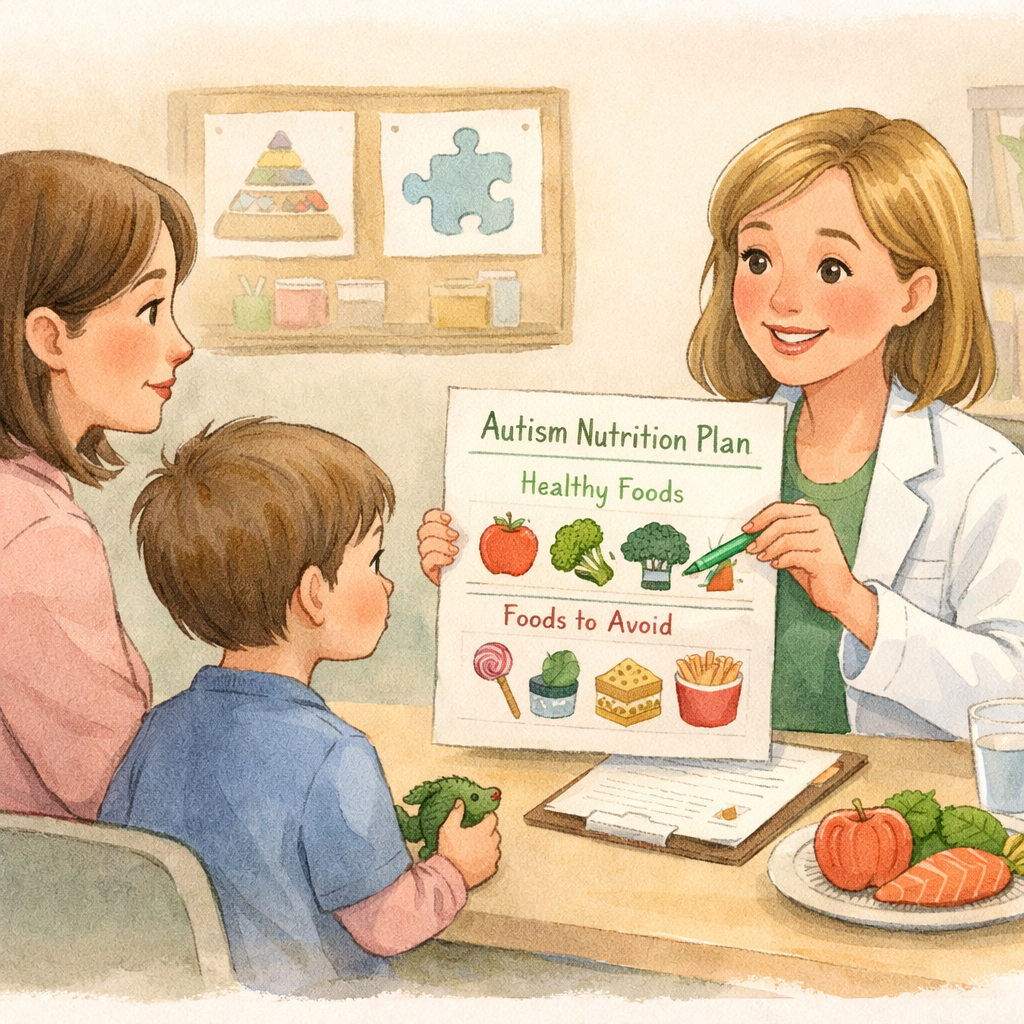
Finding easy, healthy meals for picky eaters can be challenging. Focus on simple, deconstructed meals with separate components so kids can see what they’re eating—this is often less intimidating than mixed dishes like casseroles. Aim for balance by including lean proteins and familiar vegetables.
Build on foods your child already likes. For example, if they love chicken nuggets, serve them with a new vegetable like homemade sweet potato fries. Smoothies are another great way to add nutrition—blend in fruits, veggies, or protein powder without changing the texture.
Here are a few easy dinner ideas:
- Deconstructed Tacos: Serve ground meat, shredded cheese, and lettuce separately with tortillas or chips.
- DIY Pizza: Let your child add toppings to a gluten-free crust or English muffin.
- Chicken and Veggie Skewers: Alternate pieces of chicken with favorite vegetables.
- Pasta with Hidden Veggie Sauce: Blend carrots or spinach into tomato sauce.
Conclusion
Understanding and applying nutrition strategies for children with Autism Spectrum Disorder can greatly benefit both the child and family. Addressing unique eating challenges and planning balanced meals can improve overall well-being and reduce oxidative stress. Be patient and creative when introducing new foods, as small steps lead to lasting changes.
For personalized support, schedule a consultation or call daar at 02 9133 2500 to find strategies that fit your family's needs.
Frequently Asked Questions
Are special diets proven to improve autism symptoms?
While some parents report potential benefits from a dietary intervention, clinical trials show mixed results. Diets like GFCF may help a subset of children, especially those with GI issues, but they are not a universal cure for autism symptoms. More research is needed to confirm if they lead to significant improvements.
How can I help my autistic child eat a more varied diet?
To combat food selectivity, introduce new foods gradually and without pressure. Use strategies from feeding therapy, like food chaining, and make mealtimes a positive social interaction. Celebrating small steps, like touching or smelling a new food, can build confidence and improve communication skills around eating.
What does research say about supplements for children with autism?
Research suggests certain nutritional supplements may be beneficial for cognitive function. Vitamin D and omega-3 fatty acids from fish oil are often recommended to support brain health and behavior. However, it's essential to consult a doctor before starting any supplements to ensure proper dosage and avoid potential side effects.
.svg)




.svg)