
.png?width=48&height=48&name=Group%201%20(3).png)























21 August, 2026

Understanding Expressive Language in Early Childhood
Key Highlights
- Expressive language is how children share ideas, wants, and feelings with others.
- Receptive language is how children understand words, directions, and stories they hear.
- Strong language skills support everyday communication, play, and learning from an early age.
- Missed language milestones can point to expressive language difficulties in young children.
- Speech therapy can target a child’s specific needs and build clearer communication.
- Knowing the difference between expressive and receptive language helps you spot concerns earlier.
Introduction
Expressive language is a big part of early language development. It helps your child share thoughts, ask for help, and connect with people around them. At the same time, receptive language skills help your child understand what others say and enhance their auditory processing skills. These two areas work together, but they are not the same. When you know what to look for, it becomes easier to notice progress, support growth at home, and decide when your child may need extra guidance.
Defining Expressive Language in Early Childhood
Expressive language is the part of communication your child uses to send a message. It includes words, gestures, facial expressions, and figurative language in sentence building. In simple terms, it reflects your child’s ability to put thoughts into a form others can understand.
By contrast, receptive language is about understanding language coming in. A child’s receptive language skills may allow them to understand far more than they can say. Looking at both areas gives a clearer picture of expressive language skills, language use, and where support may be needed.
What Is Expressive Language?
Expressive language is how a child communicates wants, needs, thoughts, and feelings—either verbally or nonverbally, such as through gestures or facial expressions. This skill helps children connect with others and participate in daily life, including in social situations.
Expressive language involves selecting words and organizing them clearly using vocabulary, sentence structure, and grammar rules.
As children develop, their expressive language becomes more detailed. Young children may name objects or ask simple questions; later, they use longer phrases, share experiences, and tell stories in sequence. This growth is essential for development.
Expressive Language vs. Receptive Language
Many parents notice that children often understand the meaning of words in language before they can use it well. That is normal in early development. Expressive language is about sending a message, while receptive language is about understanding spoken or read language. Both are important for communication.
Here is a simple way to see the difference:
- Expressive language means using words, gestures, or signs to communicate.
- Strong receptive language skills mean understanding directions, questions, and stories.
- Expressive language difficulties affect sharing ideas clearly.
- A receptive language disorder affects understanding what others mean.
Sometimes a child has trouble in one area more than the other. For example, your child may follow directions well but struggle to answer questions or name objects. Looking at expressive language and receptive language separately can help you understand where support should begin.
Milestones of Expressive Language Development
Language milestones help you track how expressive language development changes over time. They show how children move from early sounds and gestures to words, short phrases, and the use of visual aids for more organized speech. Watching these steps can make it easier to notice steady growth in language skills.
When a child is not meeting expected milestones, you may start to wonder about a language delay. Expressive language delays often show up as trouble naming, asking questions, or building sentences, which can also impact their social skills. The next sections break down what typical progress may look like.
Typical Stages from Birth to Age Five
Expressive language development changes quickly in the early years, according to Speech Pathology Australia. At different ages, children move from basic nonverbal communication to clearer words and longer messages. In childhood, this growth follows developmental stages. The compiled information focuses on young children, not adults, so the clearest differences described here are across early ages rather than between children and adults.
|
Different Ages |
Child’s Language Abilities |
|---|---|
|
Birth to early infancy |
Begins naming objects, asking simple questions, and using new words, which aids in enhancing listening skills. |
|
Later infancy to toddler stage |
Begins naming objects, asking simple questions, and using new words |
|
Preschool years |
Combines words into phrases and improves sentence structure |
|
Up to age five |
Shares stories, comments more, and explains a sequence of events with more detail |
As children get older, their language milestones become more complex. They move from single words to fuller ideas. You may hear longer phrases, clearer grammar, and better storytelling as expressive language development continues.
Signs of Typical and Delayed Expressive Language
Some variation in language development is normal, but certain signs may warrant attention. Children typically progress from gestures to finding the right words, then short sentences and stories.
Possible signs of expressive language delays include:
- Trouble asking questions or making comments
- Difficulty naming objects or using gestures
- A smaller vocabulary than peers
- Struggling to combine words clearly
If these issues persist, they may indicate more than a temporary delay and can impact daily communication. Early recognition allows for timely support of expressive language skills.
Common Causes of Expressive Language Difficulties
Expressive language difficulties can have more than one cause. In the compiled information, these challenges are linked to missed developmental milestones, individual differences, and conditions that affect language development. Some children show language difficulties because they need more targeted support from a speech pathologist in how they process or produce language.
In other cases, a child’s specific needs may be shaped by biological or environmental factors, including the rules of grammar in their communication. The exact reason is not always obvious at first. That is why understanding the possible causes can help you decide when to seek additional help.
Developmental Disorders Impacting Expressive Language
Expressive language disorders are often identified when children miss developmental milestones in communication, such as asking questions, naming objects, or forming sentences. Some children have a hard time organizing and expressing thoughts due to issues with vocabulary, grammar, or clarity.
Individual differences in language processing also influence how children learn to communicate. In some cases, brain injury may contribute to these difficulties, though it is not always a factor. Because causes vary, thorough assessment of comprehension strategies is essential before providing support.
Environmental and Biological Factors
A child’s environment influences communication development. Frequent exposure to conversations, stories, and varied speech strengthens language skills. Quality interactions support growth, such as discussing what happened at school yesterday.
Biological factors also play a role. Differences in language processing and brain injuries can affect understanding and expression, shaping how easily a child learns words or communicates ideas.
Expressive challenges often occur with weaker receptive skills. If your child struggles to understand or respond, extra support may help. Examining both input and output gives a clearer picture of communication issues.
Recognising Expressive Language Disorders
Recognizing expressive language difficulties starts with noticing patterns, not one-off days. Many young children have moments when words do not come easily. A comprehensive treatment plan may be necessary if the bigger concern is consistent difficulty sharing needs, answering questions, or putting ideas into clear speech and language forms over time.
If these struggles keep showing up, your child may need closer attention. Looking at expressive language skills in daily routines, play, and conversation can help reveal what is hard. From there, our extensive talent pool enables support to be matched to your child’s unique needs in a more focused way.
Key Symptoms in Early Childhood
Early symptoms often emerge in everyday situations. Your child may try to communicate but struggle to find or organize words. These expressive language difficulties can appear during play, meals, or conversations, highlighting the advantage of everyday routines for language development.
Common signs include:
- Delayed naming objects or asking questions
- Limited language skills for their age
- Difficulty using gestures or facial expressions
- Difficulty forming sensible sentences, which may also be discussed in the Journal of Speech.
- Difficulty forming sensible sentences
Not every child will show all these signs. However, if several persist over time, it may indicate a deeper expressive issue. Observing your child's communication in different settings can help determine if support is needed.
How Expressive Language Impacts Learning and Social Interaction
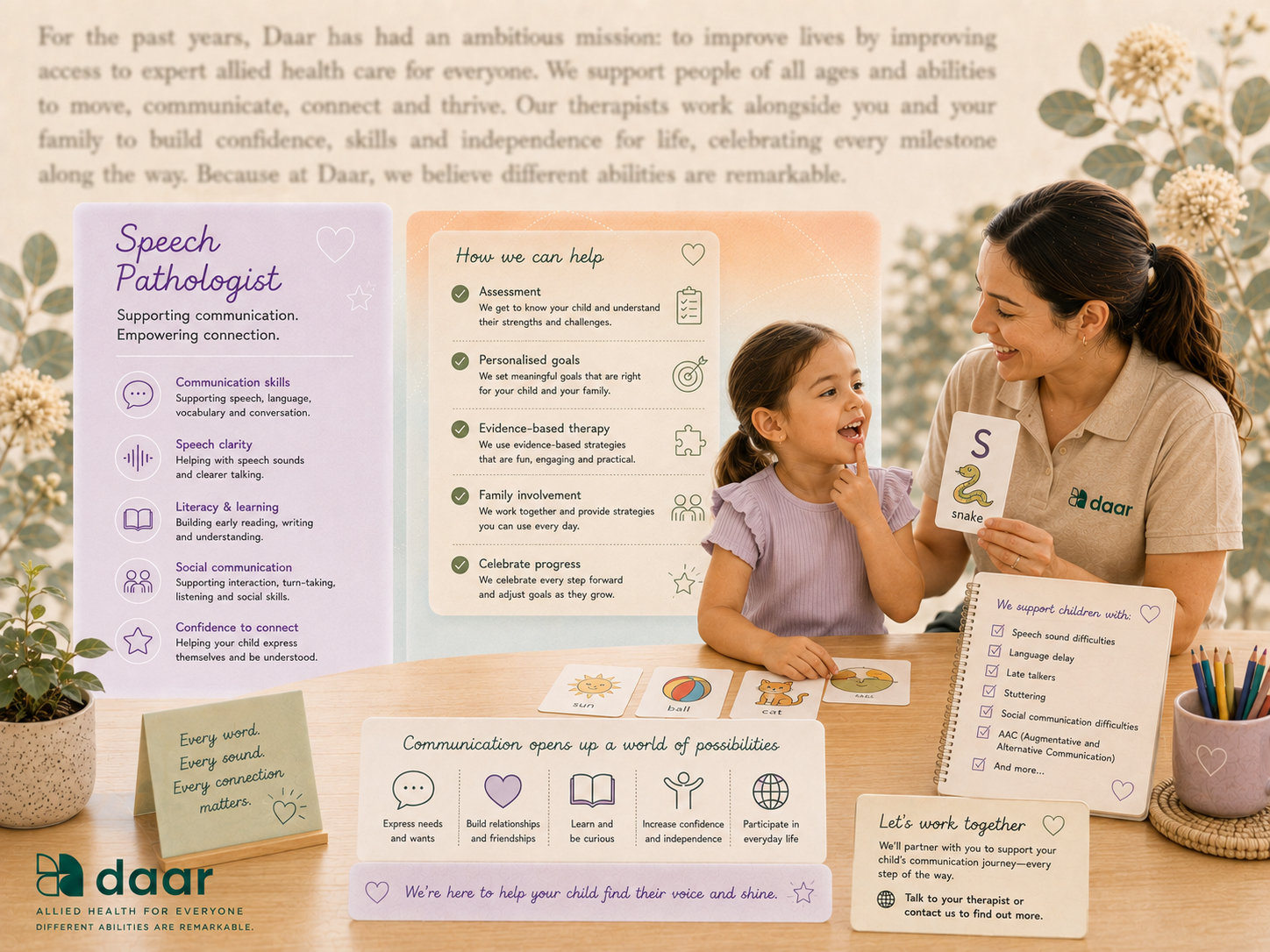
Expressive language is more than just talking—it shapes how children join conversations, answer questions, and share their own stories and ideas. If a child struggles to explain thoughts clearly, participation in stories, classroom tasks, and routines becomes harder.
Socially, expressive language helps children connect with peers, join play, and express needs or feelings. Difficulty processing language can lead to frustration, withdrawal, or trouble keeping up with group interactions.
Over time, these challenges affect development and confidence, especially when it comes to speaking in front of others. Strong communication skills support learning and social growth by making it easier to ask for help and respond to others. Early support is crucial when expressive difficulties impact daily life.
Conclusion
Understanding expressive language development in early childhood is essential for parents and caregivers alike. By recognizing the milestones and signs of both typical and delayed expressive language, you can better support your child's communication journey. Here are some ways parents can engage with their little ones through conversations and activities, you're not only fostering their language skills but also enhancing their social interactions and learning potential. If you suspect any difficulties, being proactive is key—seek guidance, resources, or professional help to ensure your child thrives. Let's prioritize nurturing their expressive language abilities together!
Reach out for a consultation or call daar at 02 9133 2500 for expert guidance tailored to your child’s needs.
Frequently Asked Questions
Can expressive language difficulties be outgrown?
Some children catch up as child development moves forward, especially when progress continues across language milestones. Still, expressive language difficulties during meal times that show consistent difficulty over time should not be ignored. If language development seems stalled, it is wise to seek guidance rather than wait and hope it passes.
What activities help build expressive language skills at home?
Simple daily activities can help a lot. Talk during meals and car rides, ask open questions, encourage pretend play, and invite your child to tell stories to family members. You can also use visuals during these moments to build expressive language skills. These moments build expressive language skills by giving your child’s ability and language use regular, low-pressure practice.
How can speech therapy support children with expressive language needs?
Speech therapy can assess expressive language difficulties and create support based on your child’s unique needs. During speech therapy sessions, children practice tools for sharing wants, ideas, and feelings more clearly. Expressive language therapy is tailored by professionals who hold a doctorate degree, so goals match the areas where your child needs the most help.
.svg)




.svg)