
.png?width=48&height=48&name=Group%201%20(3).png)























2 October, 2026

Key Strategies for Communication Support for Children
Key Highlights
- Early intervention can strengthen communication skills in young children during the most important years of communication development.
- A speech pathologist looks at speech, language, and social communication needs in a practical, individualised way.
- Common supports include AAC, play-based therapy, and structured speech therapy techniques matched to the child.
- Parents, families, and educators all help build communication skills through everyday routines.
- Social communication growth often starts with joint attention, gestures, requests, and simple back-and-forth interaction.
Introduction
Communication shapes how young children connect, learn, and share their needs. When communication skills are hard to develop, it can affect many parts of a child’s development, from play to social interaction. The good news is that effective communication support can begin early and make a real difference. With the right strategies, families can help children build language, confidence, and stronger everyday interactions. This guide explains practical ways to support communication growth step by step.
Understanding Communication Needs in Children
Communication needs in young children are not all the same. Some children struggle with speech sounds, while others find it hard to understand language, use words to express needs, or manage social communication in daily routines.
In some cases, these differences are linked with communication disorders or developmental differences, including autism spectrum disorder. Children with additional needs may need support with language development, eye contact, gestures, turn-taking, or functional communication. Understanding the pattern of strengths and needs is the first step toward useful support. The next sections look at early signs and common profiles.
Identifying Early Signs of Communication Challenges
Sometimes the earliest signs appear in everyday moments. You may notice limited eye contact, reduced response to name, or difficulty sharing attention with another person. A child might not point, gesture, or use facial expressions in ways that support nonverbal communication.
Other children show delays in speech sounds or very limited use of new words. They may seem frustrated when trying to ask for help, make choices, or join simple social routines. Some children understand more than they can say, while others struggle with both understanding and expression.
These early signs can suggest a need for speech therapy or early intervention, especially before age 5. Watch for patterns rather than one isolated moment. If communication development seems slow, if back-and-forth interaction is limited, or if your child avoids shared engagement, early support can help build stronger communication foundations.
Common Communication Disorders and Developmental Differences
Children with additional needs may experience different communication disorders or developmental differences. These do not look the same in every child. Some have trouble producing clear speech sounds. Others have difficulty with expressive language, understanding spoken directions, or using communication in social situations.
Autism spectrum disorder is one common developmental difference linked with communication challenges. In autistic children, support may focus on requesting, joint attention, conversation, gestures, and pragmatic use of language. Some children are minimally verbal, while others speak but struggle with social communication or flexible language development.
Common areas of difficulty include:
- delayed expressive language and limited spoken words
- unclear speech sounds or motor planning challenges
- reduced social use of language in conversation
- difficulty using gestures, eye gaze, or other nonverbal signals
The Importance of Early Intervention
Early intervention matters because young children learn communication skills fastest in the first years of life. When support starts early, children have more opportunities to practice requests, gestures, words, and social exchanges during daily routines.
Research summarised in the compiled information shows better language development, social interaction, and independence when intervention begins before age 5. You do not need to wait for everything to become harder. Starting early can reduce frustration and give children more ways to connect. Next, it helps to look at how this support changes long-term outcomes and milestones.
How Early Support Impacts Speech and Language Outcomes
Early support gives children a working way to communicate before frustration grows. For children with developmental disorders like autism, speech therapy can target requests, understanding, gestures, turn-taking, and social communication. This helps children participate more fully in everyday activities.
Another benefit is that intervention can match the child’s current stage. A therapist may build joint attention first, then move to picture systems, spoken words, or longer phrases. This step-by-step approach strengthens language skills without expecting too much at once.
Just as important, early intervention improves communication development in the settings where children live and learn. It can increase independence, reduce reliance on challenging behaviours as a form of communication, and create more chances for meaningful interaction with family members, peers, and educators. That is why starting sooner often leads to stronger long-term outcomes.
Timelines and Milestones for Communication Development
Communication development does not follow one exact path, but general milestones can guide you. In the early years of life, children usually move from shared attention and simple requests to words, phrases, and back-and-forth interaction. If these steps are missing or very delayed, it may be time to seek support.
The compiled information gives a practical age-based framework often used in therapy planning. It shows how goals change as language skills grow and why timing matters for early support.
|
Years of life |
Main milestones and therapy focus |
|---|---|
|
2-3 years |
Joint attention, first requests, early words, simple speech sounds, functional communication |
|
3-4 years |
Expanding vocabulary, more consistent requesting, early phrases, stronger language skills |
|
4-5 years |
Simple sentences, turn-taking, social communication, clearer expressive language |
|
5+ years |
Conversation, school readiness, pragmatic language, back-and-forth exchange |
Role of Speech Pathologists in Australia
A speech pathologist supports children by assessing how they understand language, express themselves, use speech sounds, and manage social communication. They help identify what is getting in the way and choose strategies that match the child’s needs, abilities, and daily routines.
In Australia, speech pathologists are part of a wider group of allied health professionals and may work alongside occupational therapy providers, educators, and families. Speech Pathology Australia is the professional body in this area. Their role becomes clearer when you look at assessment, planning, and teamwork in practice.
Assessment and Individualised Therapy Plans
Assessment helps speech pathologists understand how a child currently communicates. They examine speech, language understanding, expressive skills, gestures, play, and everyday communication to create a clear picture of abilities.
A formal diagnosis can help, but support shouldn’t wait if there are clear concerns about communication or social interaction. Early action is important.
Therapists then create individualised therapy plans based on the child’s needs—such as requesting, making choices, improving speech sounds, or building longer phrases. Plans are updated as progress is measured to keep support relevant for the child and family.
Collaborating with Families and Educators
Children make the most progress when support continues outside therapy. Families and educators reinforce communication goals during meals, play, classroom routines, and transitions, giving children frequent real-world practice.
Schools help by simplifying language, creating structured response opportunities, and encouraging all communication attempts. At home, families support by pausing, modeling words, and following the child's lead in daily routines.
Effective collaboration involves:
- sharing goals between home and school so everyone addresses the same needs
- integrating communication practice into social and classroom activities
- using consistent supports like picture cues or choice-making routines across settings
Evidence-Based Strategies for Supporting Communication
The most effective communication strategies are the ones matched to the child and used consistently. The compiled information highlights several evidence-based options for autistic children, including AAC, PECS, ABA-based approaches, and play-based methods delivered in natural routines.
No single method fits every child. The strongest plans support functional communication first, then expand speech, language, and social communication over time. These approaches work best when adults use them in meaningful moments, not only in formal sessions. The next two sections explain two of the most practical therapy directions families often hear about.
Augmentative and Alternative Communication (AAC) Approaches
Augmentative and alternative communication gives children another way to share needs when speech is limited. An AAC system may include a tablet app, picture boards, signs, or other tools that support communication abilities. For minimally verbal children, this can provide immediate access to meaningful communication.
The picture exchange communication system is one of the best-known options. It teaches a child to hand over a picture card to request something they want. Over time, the system can move from simple requests toward short sentence use and more flexible communication.
AAC approaches may include:
- speech-generating devices or communication apps
- picture boards and picture card exchanges
- structured use of the picture exchange communication system
A key point from the compiled material is that AAC does not block speech. In many cases, it helps reduce frustration and supports more verbal attempts.
Play-Based and Naturalistic Speech Therapy Techniques
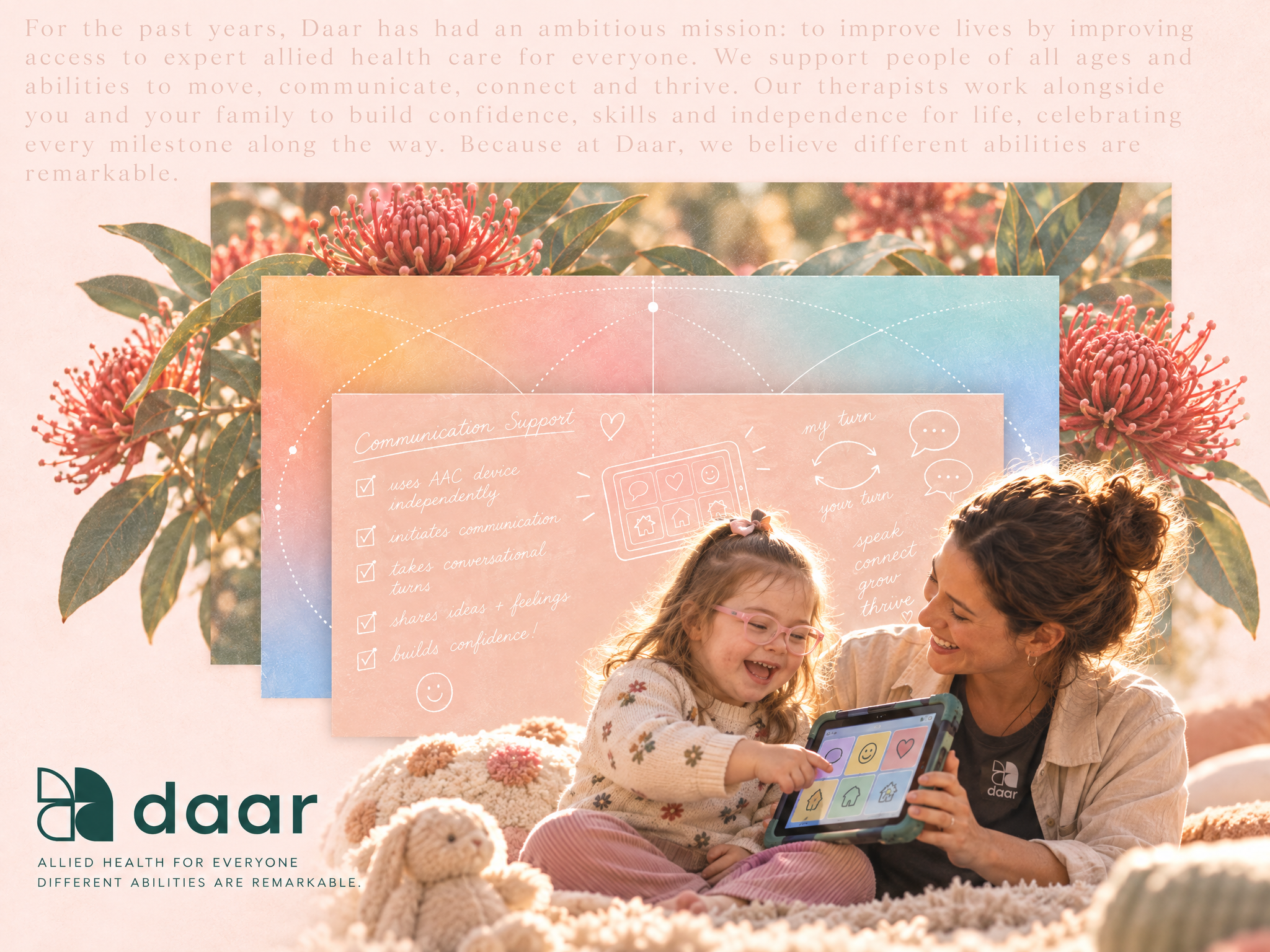
Many young children learn best when therapy feels like play. Play-based therapy uses fun activities to build skills like requesting, turn-taking, imitation, and using new words. Instead of drills, adults follow the child’s interests and create chances to communicate during play.
Natural environment training and pivotal response treatment are examples. These methods teach skills during real routines—snack time, playing with toys, or outdoor activities—so children practice where they’ll use them.
Common techniques include:
- following the child’s interests to encourage communication
- pausing in play to prompt a request or choice
- modeling simple language during daily routines
This approach is especially helpful for toddlers because it supports language learning in a natural, low-pressure way.
Conclusion
Supporting children's communication needs is crucial for their development and well-being. By recognising signs of communication challenges and seeking early intervention, parents and educators can improve speech and language outcomes. Working with qualified professionals, such as speech pathologists, ensures children receive tailored, evidence-based support. Communication is vital to a child’s ability to connect with others—take proactive steps to nurture their growth.
If you have concerns about your child's communication skills, book a consultation or call daar at 02 9133 2500 to seek expert guidance.
Frequently Asked Questions
What are the signs my child may benefit from speech therapy?
Early signs include limited eye contact, few words, delayed speech sounds, weak social communication, reduced gestures, or frustration when trying to express needs. If these patterns continue, speech therapy and early intervention can help identify communication disorders and build stronger everyday communication.
What funding or support is available for speech therapy in Australia?
In Australia, families often start by speaking with a speech pathologist or other allied health professionals about available funding and support pathways. The compiled information does not list specific programs, but it does show that families can seek coordinated support through speech services and related professionals.
How can schools and educators help children with communication difficulties?
Educators and schools can help by using simple language, visual supports, consistent routines, and shared communication goals. When strategies match a child’s needs across classroom activities, play, and transitions, children with communication difficulties have more chances to build participation, confidence, and social skills.
.svg)




.svg)