
.png?width=48&height=48&name=Group%201%20(3).png)























20 August, 2026

Enhance Lives with Positive Behaviour Support (PBS)
Key Highlights
- Positive behaviour support helps people understand behaviour and build safer, more helpful responses.
- A good behaviour support plan focuses on triggers, communication, and practical new skills.
- Under the NDIS, eligible people in Australia may access specialist behaviour support services.
- A qualified PBS practitioner works with families, carers, and support workers as one team.
- Family involvement is central because everyday follow-through supports lasting positive change.
- The main goal is better quality of life, wellbeing, independence, and stronger daily participation.
Introduction
Positive behaviour support is a practical, person-centered approach that helps people understand why behaviours of concern happen and what can be done to reduce them. Instead of focusing only on stopping a behaviour, PBS looks at communication, environment, daily routines, and unmet needs. That matters because real progress happens when the person, family, and wider support network work together. With the right plan, PBS can improve safety, participation, relationships, and overall quality of life.
Accessing PBS Services through NDIS in Australia
Across Australia, the NDIS can fund positive behaviour support services for eligible people with permanent and significant disability. This support sits within the wider National Disability Insurance Scheme and is designed to give participants more choice and control over how services are provided.
For families, the first step is checking eligibility and speaking with the NDIS, an NDIA planner, an early childhood partner, or a local area coordinator. Once approved, specialist behaviour support can involve assessment, planning, and guidance for support workers and carers.
Role of the Positive Behaviour Support Capability Framework
The Positive Behaviour Support Capability Framework guides NDIS providers and behaviour support practitioners by setting clear expectations for capability, professional practice, and quality of support.
For providers, it ensures stronger standards and clearer pathways, emphasising qualifications, skill development, and reflective practice. This keeps services focused on safe, respectful, person-centered support instead of quick fixes.
For families, the framework offers reassurance that PBS is delivered by professionals who understand rights, individual needs, and continuous improvement. Knowing practitioners follow recognised standards makes it easier to trust the process and participate in planning.
How to Find Qualified PBS Practitioners and Training Opportunities
Finding a qualified PBS practitioner starts with seeking professionals trained in positive behaviour support, such as psychologists or experienced therapists. Families can ask their GP, NDIS contacts, or current support team members for local options and referrals.
When choosing a behaviour support practitioner or provider, look for:
- Relevant qualifications and PBS training
- Experience with children, youth, or individuals with similar needs
- A collaborative approach that includes family and carers
- Clear processes for assessment, planning, and review
Becoming a PBS practitioner requires formal training and hands-on experience in assessment, planning, and implementation. This involves earning the right qualifications, learning PBS methods, and applying them in real-world settings.
Family Involvement in Positive Behaviour Support
Family involvement is not optional in PBS. It is a core part of how a behaviour support plan is created and used. A family member often knows the person’s routines, triggers, preferences, and communication patterns better than anyone else.
That information helps practitioners shape supports around real life, not just appointments. Carers, support people, and the broader support network also help carry out strategies at home, school, and in the community. This shared approach makes the plan more consistent and more useful.
Ways Families Can Participate in PBS Plans
A strong behaviour support plan works best when families are active partners. Positive Behaviour Support (PBS) reduces stress, builds communication, and makes daily life more predictable—especially when everyone uses the same strategies.
Families and carers can help by:
- Sharing what happens before, during, and after challenging behaviours
- Identifying triggers, routines, and calming supports
- Practicing new responses at home
- Giving feedback to the support team
Support staff should ask questions and provide clear guidance. Since families use the plan daily, their observations help adjust strategies for greater consistency, progress, and safety for all.
Supporting Children with PBS
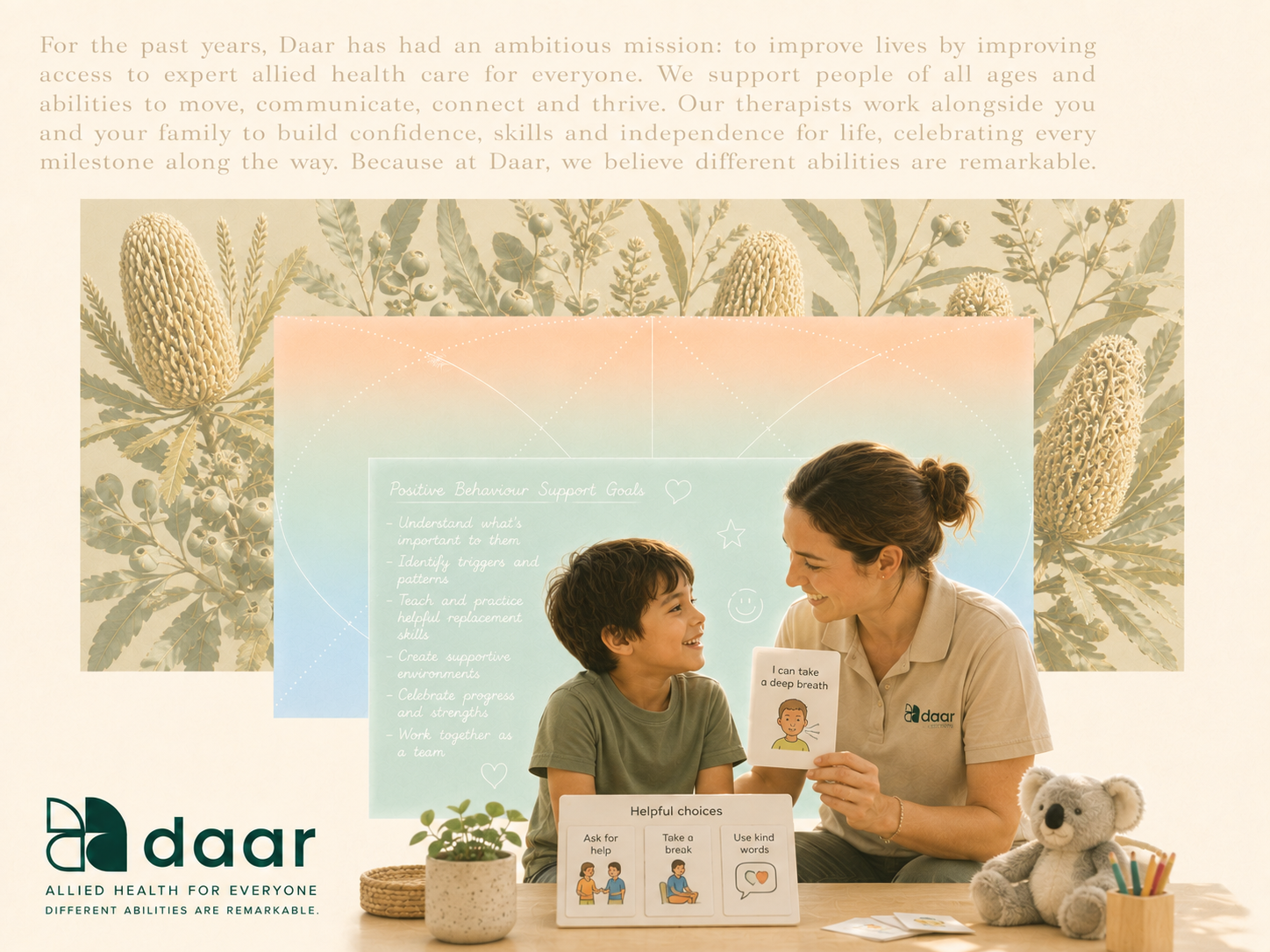
PBS helps adults understand what a child's challenging behaviour is trying to communicate—whether it's avoiding stress, seeking comfort, expressing pain, or meeting another need. Once the reason is clear, adults can teach safer and clearer ways to communicate.
This individualised approach works well for autistic children and those with ADHD or other diverse needs. Instead of a one-size-fits-all rule, PBS focuses on strengths, daily routines, supportive environments, and practical new skills tailored to each child.
At home, in school, and in special education settings, children benefit when adults make environmental changes and stay consistent. This includes adjusting routines, supporting communication skills, and responding calmly to distress. Over time, children can become more independent, participate more fully, and rely less on challenging behaviours.
Conclusion
In conclusion, Positive Behaviour Support (PBS) is a transformative approach that not only enhances the lives of individuals but also strengthens family bonds. By focusing on proactive strategies and involving families in the process, PBS fosters an environment where everyone can thrive. The benefits extend beyond just improved behaviour; they encompass overall well-being and quality of life. As you explore PBS, remember that finding the right practitioners and ensuring family involvement are key components to success.
If you're ready to make a positive change, don’t hesitate to reach out for a consultation or call daar at 02 9133 2500 for expert guidance tailored to your child’s needs and discover how PBS can be tailored to meet your unique needs.
Frequently Asked Questions
How does PBS improve quality of life for individuals and families?
Positive behaviour support improves quality of life by helping people learn safer ways to communicate and take part in daily life. A clear behaviour support plan also guides the support network and support workers, which can reduce stress, improve consistency, and create a more stable routine for families.
What makes a PBS plan successful?
A successful positive behaviour support plan is individualised, practical, and used consistently across daily settings. It should address behaviours of concern, teach new skills, and involve a real team effort from family and professionals. Regular review matters too, because continuous improvement keeps the plan useful as needs change.
Can PBS be effective for autistic children and other diverse needs?
Yes. PBS can be effective for children with autism, ADHD, and other diverse needs because it looks at unmet needs behind challenging behaviour. Positive behaviour support is flexible and person-centered, so strategies can be shaped around communication, routines, sensory factors, and the child’s strengths.
.svg)




.svg)