
.png?width=48&height=48&name=Group%201%20(3).png)























17 February, 2026

Understanding Speech Therapy: From Diagnosis to Expressive & Receptive Language
"He understands everything I say; he just won't say it back."
"She talks all the time, but I can't understand a word of it."
As parents, we are often the first to notice when something feels "off" with our child's communication. You might be watching other children at the park chatting away in full sentences while your little one relies on pointing and grunting. Or perhaps you find yourself constantly translating your child's words for grandparents and teachers.
These moments of worry often lead to a search for answers. You might encounter terms like Expressive language, Receptive language, and Speech sound disorders, leaving you feeling more confused than when you started.
The world of Speech Therapy is vast, but it doesn't have to be overwhelming. Understanding the specific areas where your child might be struggling is the first step toward getting them the help they need.
In this guide, we will break down the different components of communication, explain what a speech delay diagnosis actually entails, and show you how therapy can unlock your child's potential.
The First Step: Seeking a Speech Delay Diagnosis
If you suspect your child is behind on their milestones, the "wait and see" approach is rarely the best strategy. Early intervention is the gold standard because a young child's brain is incredibly adaptable.
A speech delay diagnosis is not a label to fear; it is a roadmap. It tells us exactly where the communication breakdown is happening so we can fix it.
When you visit a Speech-Language Pathologist (SLP) for an evaluation, they aren't just looking at if your child talks. They are looking at how they communicate. The assessment typically covers three main pillars:
- Receptive Language (Input)
- Expressive Language (Output)
- Speech Production (Clarity)
Input vs. Output: Understanding the Difference
One of the most common points of confusion for parents is the difference between speech and language. To understand your child's needs, we need to look at the two sides of the communication coin.
1. Receptive Language (The Input)
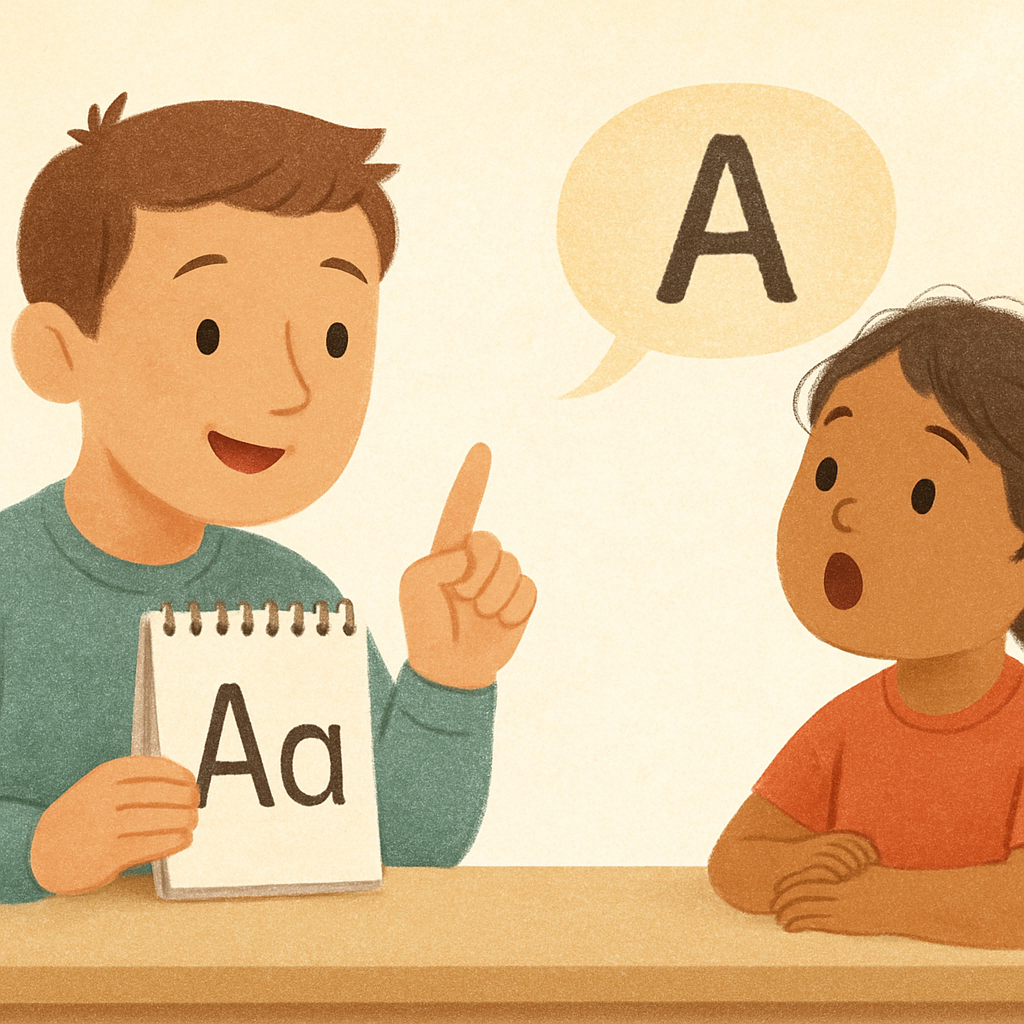
Receptive language refers to a child's ability to understand words and language. It is the foundation upon which all communication is built. Before a child can say "ball," they have to understand what a ball is.
Signs of a struggle with Receptive language include:
- Not responding to their name.
- Difficulty following simple directions (e.g., "Go get your shoes").
- Echoing words back to you without understanding their meaning (Echolalia).
- Looking to others to see what to do in a group setting.
2. Expressive Language (The Output)
Expressive language refers to a child's ability to use words, sentences, gestures, and writing to convey meaning. This is what we typically think of when we think of "talking."
Signs of a struggle with Expressive language include:
- Having a smaller vocabulary than peers.
- Using nonspecific words like "thing" or "stuff" frequently.
- Leaving words out of sentences (e.g., "Me go park" instead of "I want to go to the park").
- Difficulty retelling a story or explaining what happened at school.
It is common for children to have a "Mixed Receptive-Expressive Language Disorder," meaning they struggle with both understanding and using language. Speech Therapy targets both areas, often using visual aids and play-based activities to build comprehension and vocabulary simultaneously.
When Clarity is the Issue: Speech Sound Disorders
Sometimes, a child has excellent Receptive language (they understand everything) and great Expressive language (they have complex sentences), but you simply cannot understand what they are saying.
This falls under the category of Speech sound disorders.
These disorders refer to difficulties in producing the sounds of speech clearly. They generally fall into two buckets:
Articulation Disorders
This involves difficulty physically producing specific sounds.
- Example: A child who has a lisp (saying "thoup" for "soup") or cannot make the "R" sound (saying "wabbit" for "rabbit").
Phonological Disorders
This involves difficulty with the patterns of sounds. The child can physically make the sound, but they use it incorrectly or leave it out entirely.
- Example: "Cluster reduction," where a child simplifies complex sounds (saying "poon" for "spoon" or "top" for "stop").
A speech delay diagnosis will differentiate between these two, as the treatment approach for an articulation issue is very different from a phonological one.
How Speech Therapy Helps
Speech Therapy is not a one-size-fits-all solution. Once we have a clear diagnosis—whether it is a delay in Expressive language, a deficit in Receptive language, or Speech sound disorders—we create a tailored plan.
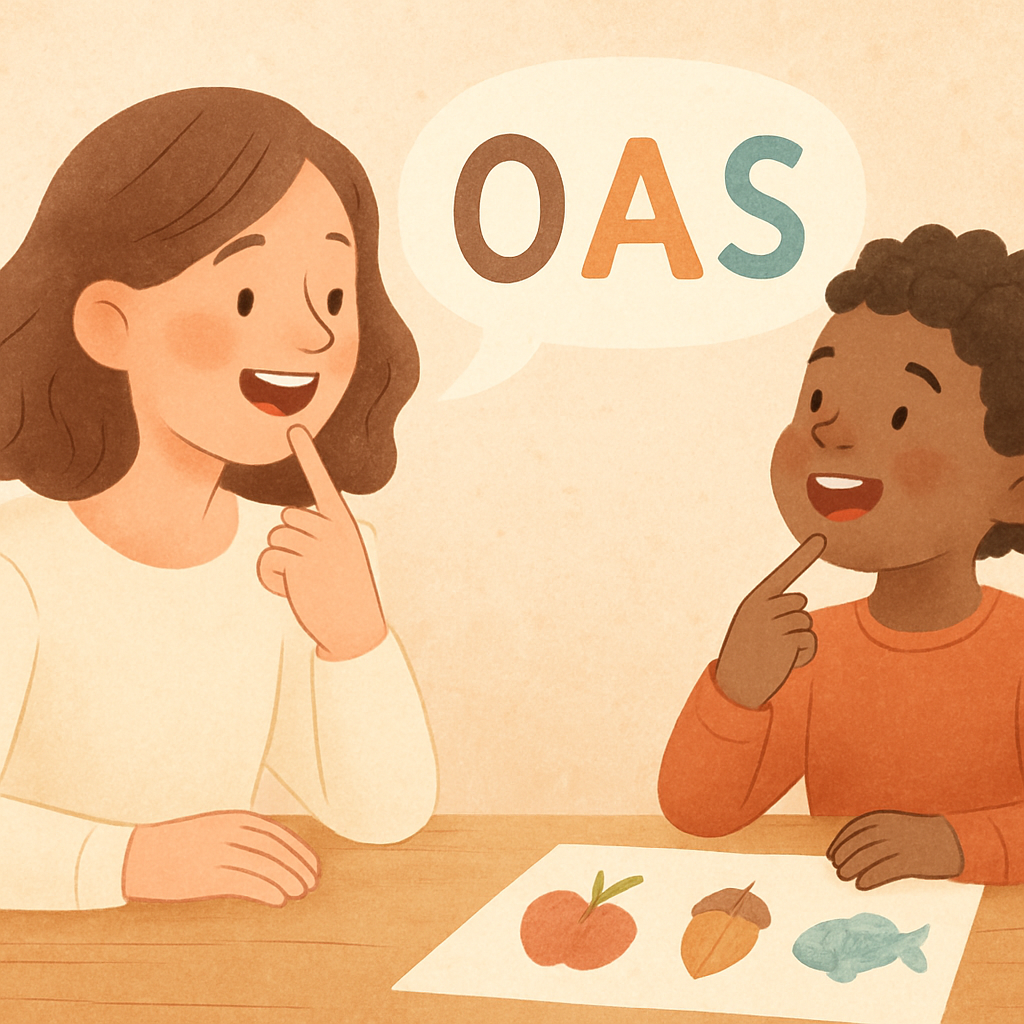
For toddlers, therapy looks like play. We use bubbles, blocks, and cars to create "communication temptations" that motivate the child to speak. For older children, we might use games, books, and conversation practice to refine their sounds and sentence structure.
The goal is always the same: to give your child the confidence to connect with the world around them.
Conclusion
Communication is complex. It involves hearing, understanding, processing, planning, and speaking. When one part of that chain breaks down, it can be frustrating for the whole family.
But you don't have to navigate this alone. Whether your child needs help boosting their Expressive language, decoding Receptive language, or smoothing out Speech sound disorders, Speech Therapy offers a path forward.
A speech delay diagnosis is the first step toward clarity. It turns "I don't know what's wrong" into "I know how to help."
If you have concerns about your child’s speech or language development, we are here to help. Our team of experienced Speech-Language Pathologists specializes in comprehensive evaluations and personalized therapy.
Contact us today to schedule for a consultation or call daar at 02 9133 2500 for an assessment and give your child the gift of confident communication.
FAQ: Common Questions for Parents
At what age should I worry about Speech sound disorders?
It is normal for young children to make mistakes (like saying "wawa" for "water"). However, by age 3, a stranger should be able to understand about 75% of what your child says. By age 4, they should be 100% intelligible, even if they still have a few minor errors.
How long does Speech Therapy take?
There is no set timeline. It depends on the severity of the diagnosis, the child's age, and consistency of practice at home. Some children need a few months to "catch up," while others with Speech sound disorders like Apraxia may need support for several years.
Do I need a referral for a diagnosis?
In many cases, you can self-refer to a private Speech-Language Pathologist. However, if you are seeking insurance coverage or public health services, a referral from your pediatrician may be required.
.svg)




.svg)