
.png?width=48&height=48&name=Group%201%20(3).png)























22 January, 2026

Speech Therapy Telehealth: Your Guide to Remote Therapy
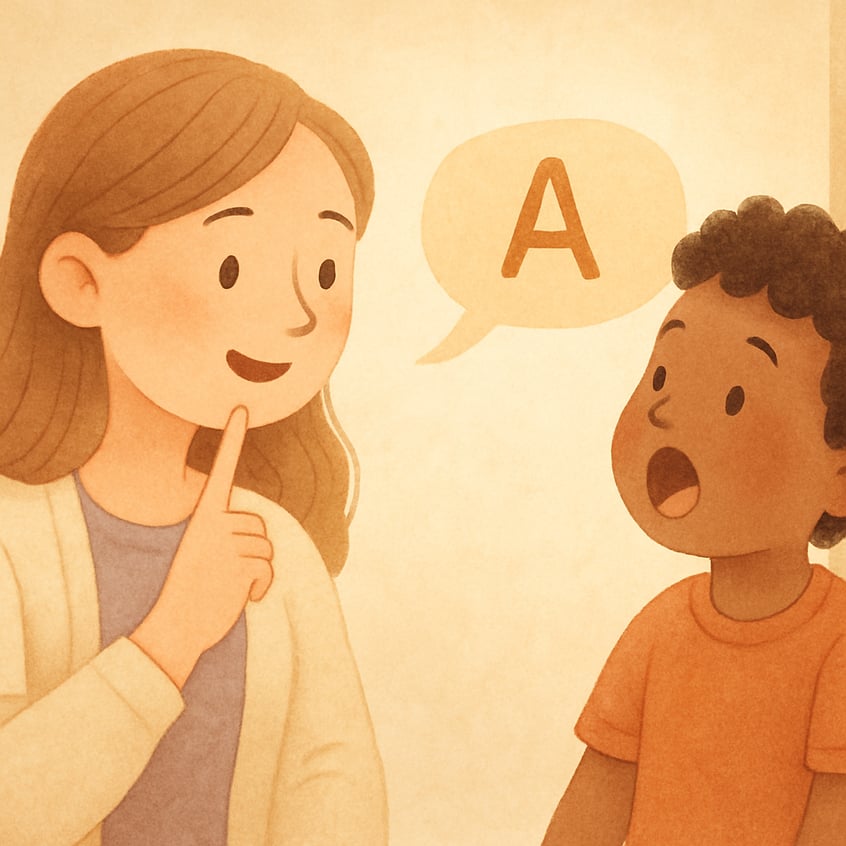
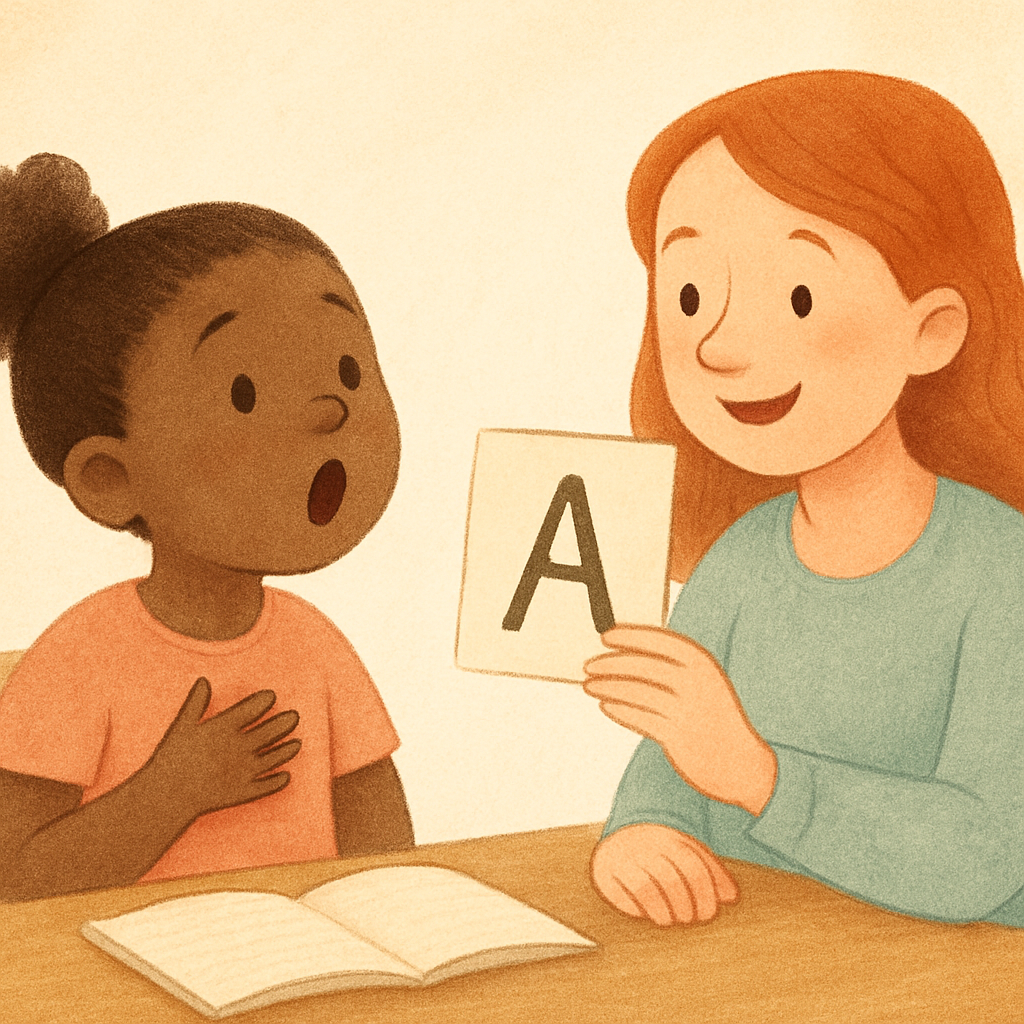
Introduction
Welcome to the world of remote speech therapy! In today's digital age, getting support for communication challenges is easier than ever. Speech therapy telehealth brings expert care right to your home, offering convenient and effective speech therapy sessions for you or your child. This guide will walk you through how online therapy supports language development, helps manage communication disorders, and connects you with the right professionals to achieve your communication goals from the comfort of your own space.
Key Highlights
-
Telehealth makes speech therapy sessions more accessible through remote therapy options.
-
Speech therapy helps people of all ages with various communication disorders.
-
A qualified speech pathologist can diagnose issues and create a personalized therapy plan.
-
Online sessions use interactive tools to build essential communication skills effectively.
-
Early intervention and consistent practice are key to successful outcomes.
-
Remote therapy provides a convenient way to improve your quality of life.
Identifying the Need for Speech Therapy
Wondering if you or a loved one might benefit from speech therapy? Recognizing the need is the first step toward better communication. Difficulties with pronunciation or understanding others may signal underlying speech or language disorders that a professional can address.
Common reasons to seek help include expressive language disorders—difficulty forming sentences—or fluency issues like stuttering. Noticing these signs is key to supporting healthy language development. Let’s review specific indicators and the differences between therapy for children and adults.
Signs Your Child or You Might Benefit from Speech Therapy
Identifying the need for speech therapy starts with noticing specific communication challenges. These can affect both children and adults, impacting daily interactions and confidence.
Speech disorders often involve unclear speech, while language disorders affect understanding or expressing ideas. Difficulty with social skills—like turn-taking or interpreting non-verbal cues—and hearing loss can also signal a need for help.
Key signs include:
-
Trouble pronouncing sounds or words
-
Difficulty following directions or understanding others
-
Problems expressing thoughts or feelings clearly
-
Speaking too quickly, merging words, or stuttering
Early Intervention vs. Adult Speech Therapy – What to Know
Speech therapy is tailored to each age group’s needs. For children, early intervention targets developmental delays, genetic disorders, or hearing loss to build a solid communication foundation. For adults, therapy addresses issues from life events such as stroke or neurological conditions, focusing on regaining lost skills or adapting to new challenges.
While both approaches are personalized, their goals and methods differ by age and circumstance.
|
Aspect |
Early Intervention (Children) |
Adult Speech Therapy |
|---|---|---|
|
Primary Focus |
Building foundational language skills, addressing developmental delays |
Regaining skills, adapting to changes from injury or illness |
|
Common Conditions |
Developmental delays, autism, articulation disorders, cleft palate |
Stroke, brain injury, Parkinson’s disease, voice disorders |
|
Goals |
Support development and prevent long-term difficulties |
Restore abilities and improve quality of life |
How Speech Therapy Telehealth Works
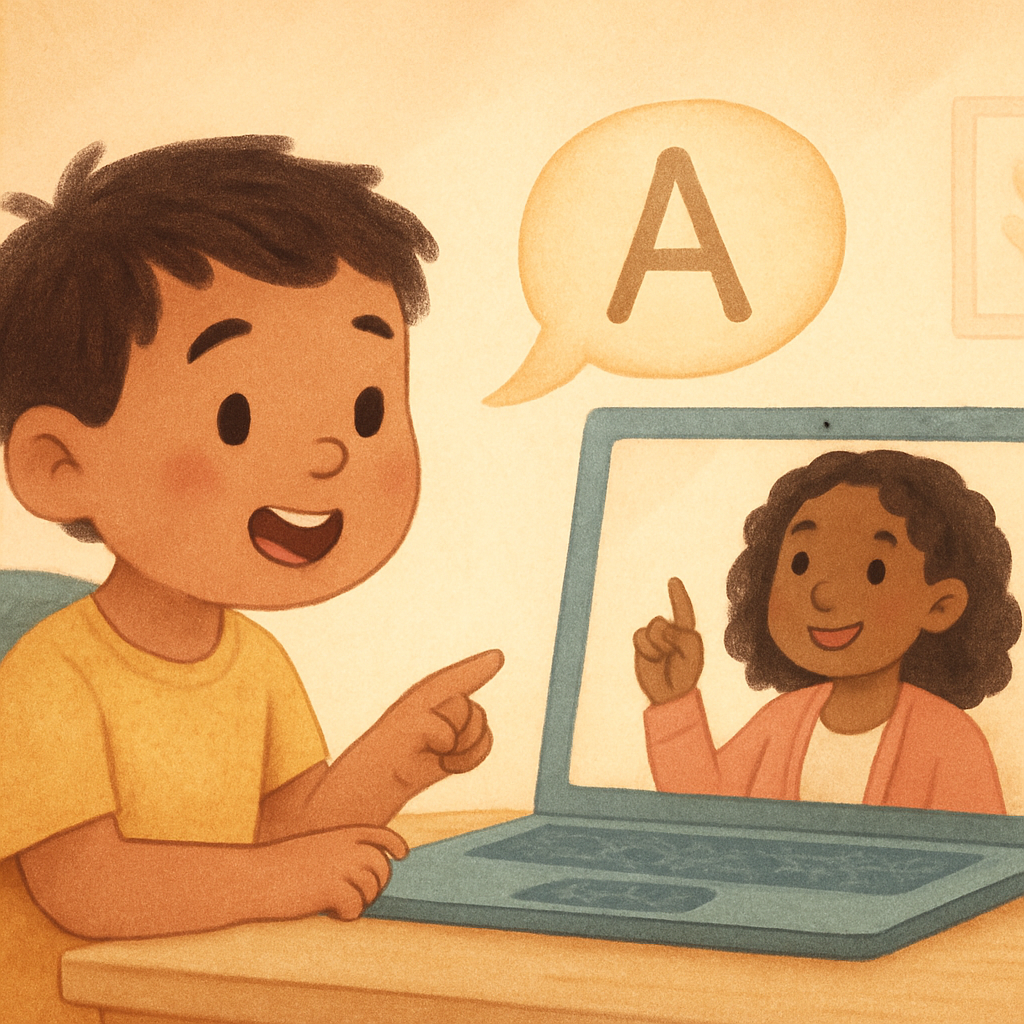
So, how does speech therapy telehealth actually happen? It’s simpler than you might think! Online speech therapy uses secure video conferencing to connect you with a speech-language pathologist for live, interactive therapy sessions. This telehealth model brings professional care directly to you, eliminating travel time and making scheduling more flexible.
During these sessions, therapists use the same proven speech therapy techniques as they would in person. They adapt their methods for the virtual environment to ensure you receive high-quality, effective treatment. Next, we’ll explore what a typical online session looks like and how it compares to traditional therapy.
What Happens in a Typical Online Speech Therapy Session?
An online speech therapy session is both engaging and effective. Your therapist will guide you or your child through activities tailored to specific goals. For children, sessions often include games and digital resources to make learning fun.
Therapy focuses on interaction. The therapist models correct sounds and gives real-time feedback, just like in-person sessions. They use various digital tools to enhance learning.
In a typical session, you might:
-
Play interactive games targeting vocabulary, sentence structure, or pronunciation.
-
Use digital whiteboards, pictures, and objects to practice communication skills.
-
Learn to use AAC devices if needed for severe speech impairments.
Comparing Traditional vs. Remote Speech Pathology Services
When considering speech pathology, you may wonder how traditional and online services differ. Traditional therapy takes place in clinics or schools, offering structure but requiring travel and fixed schedules.
Online speech therapy happens wherever you are, providing convenience and flexible scheduling—ideal for busy families or those with limited specialist access.
Both methods share the same goal: improving communication through expert guidance.
|
Feature |
Traditional Therapy |
Online Speech Therapy (Telehealth) |
|---|---|---|
|
Location |
Clinic, office, or school |
Home or any private location with internet access |
|
Convenience |
Travel required; fixed hours |
No travel; flexible scheduling |
|
Interaction |
In-person with therapist |
Live video sessions with therapist |
|
Resources |
Physical materials (books, toys, flashcards) |
Digital tools (games, apps, virtual whiteboards) |
Choosing the Right Speech Pathologist for Telehealth in Australia
Finding the right speech pathologist is a crucial step in your telehealth journey. You want to ensure the professional you choose is qualified, experienced, and a good fit for you or your child. In Australia, speech therapists must meet specific standards to practice, and it's important to verify their qualifications.
Professional bodies, like Speech Pathology Australia, are excellent resources for finding certified professionals. When selecting a therapist, consider their experience with telehealth and the specific communication challenges you need to address. Let's cover the key credentials to look for and how to find a therapist who meets your needs.
Qualifications and Credentials to Look For
When searching for a speech therapist, you may see titles like "speech pathologist" or "speech and language therapist." These terms refer to the same professionals who specialize in communication.
To ensure your therapist is qualified, check for:
-
A master's degree in speech-language pathology
-
State licensure or registration (e.g., Speech Pathology Australia)
-
Certificate of Clinical Competence (CCC) from ASHA (in the U.S.)
-
Experience with your specific communication needs
Tips for Finding a Local or Online Speech Therapist
Finding the right speech therapist can seem challenging, but many resources are available. Whether you need local or online services, look for a therapist whose expertise matches your needs.
Start by checking professional directories like Speech Pathology Australia’s database of certified members. Your doctor or your child’s school may also provide trusted referrals for in-person or telehealth options.
Tips for your search:
-
Use professional organization directories.
-
Ask healthcare providers or schools for recommendations.
-
Read reviews and testimonials.
-
Schedule a consultation to assess fit.
Maximizing Success with Telehealth Speech Therapy
To get the most out of your telehealth therapy sessions, a little preparation goes a long way. Creating a positive and productive environment is key to helping you or your child focus and improve communication abilities. Success is not just about what happens during the session, but also the support provided outside of it.
Engaging in speech therapy activities between sessions can significantly boost progress. This involves both setting up your space for success and ensuring parents or caregivers are actively involved. Let's explore how you can prepare your environment and play a crucial role in the therapy process.
How to Prepare Your Environment for Online Sessions
A proper setup is key to effective online therapy. Choose a quiet, dedicated space to minimize distractions and help you or your child focus—especially during the first session.
Before starting, check your technology: ensure a stable internet connection, a working camera, and clear audio. Preparing in advance prevents technical issues and helps create an environment similar to in-person sessions.
To prepare:
-
Pick a quiet room with minimal noise.
-
Test your computer, internet, and video software ahead of time.
-
Have any recommended materials (like headphones or toys) ready.
Ensuring Progress: Parent and Caregiver Involvement
Parental involvement is key to successful speech therapy, especially in early intervention. Active participation reinforces skills learned in sessions and leads to faster, lasting progress.
Therapists offer activities and strategies for home practice. Integrating these into daily routines helps your child apply new skills, improving both social interaction and communication. Collaboration between family and therapist makes therapy most effective.
To support your child’s progress:
-
Practice exercises and activities from the therapist.
-
Model correct speech and language during conversations.
-
Offer positive encouragement to boost confidence.
Conclusion
Speech therapy telehealth offers a convenient and effective way to improve communication skills from home. You can access qualified speech pathologists, participate in personalized sessions, and track your progress easily. Whether supporting your child's speech or managing your own challenges, telehealth provides flexible, tailored solutions. Your involvement is key to maximizing results. Ready to get started?
Book a consultation or call daar at 02 9133 2500 today!
Frequently Asked Questions
Is speech therapy telehealth effective for children and adults?
Yes, telehealth is highly effective for people of all ages. Studies and clinical practice show that online speech therapy sessions deliver excellent results for young children needing language intervention as well as for adults with acquired communication disorders. The key is the personalized approach that tailors therapy to each individual's needs.
How secure and private are online speech therapy sessions?
Your privacy is a top priority. Professional therapists conduct online speech therapy sessions using secure, HIPAA-compliant platforms to protect your personal information. Just like other remote health services, these systems are designed to ensure that your sessions are confidential and your data is kept safe during remote therapy.
Can telehealth speech therapy address social communication disorders?
Absolutely. Telehealth is a great way to work on social communication disorders. Therapists use speech therapy techniques like role-playing and guided conversations to practice the social aspects of communication in a safe environment. This approach is very effective for individuals with conditions like autism spectrum disorder.
.svg)




.svg)