
.png?width=48&height=48&name=Group%201%20(3).png)























20 August, 2026

Receptive Language Skills: How to Support Your Child
Key Highlights
- Receptive language skills support your child’s ability to understand words, directions, and stories.
- These skills are a key part of language development and usually grow before expressive language.
- Strong listening skills help children follow routines, answer questions, and join daily activities.
- Receptive language development improves with conversation, books, visuals, and predictable routines.
- Parents can help at home by using simple language, asking follow-up questions, and playing listening games.
- Early support matters when understanding spoken language seems harder than expected.
Introduction
Receptive language skills are the tools your child uses to understand what they hear, read, or see in communication. These skills shape language development and support everyday communication skills, from following directions to understanding questions and stories. If your child seems confused by simple instructions, it can affect learning, play, and social connection. The good news is that parents can support growth at home through regular interaction, clear speech, and daily routines that make language easier to understand.
Understanding Receptive Language Skills in Children
At its core, receptive language skills help children understand spoken or written language. This part of language development lets young children make sense of directions, questions, stories, and the meaning of words they hear each day.
When these skills are weak, a child may have trouble following along even when they want to. In some cases, ongoing difficulty with understanding language may point to a language disorder. To see how this works in real life, it helps to break down what receptive language is and why it matters.
What are receptive language skills?
Receptive language skills are the “input” side of communication—they involve understanding spoken or written language. This includes knowing word meanings, recognising objects, and interpreting questions or comments.
These skills require processing language. For example, if you say, “Put on your coat,” your child must listen, understand, and act. The same applies when listening to a story and answering questions about it.
In everyday life, receptive language shows up as following directions, identifying pictures, understanding gestures, and grasping meaning in conversation. Children typically understand language before they can clearly speak it.
Why are receptive language skills important for development?
Receptive language development is crucial because children must understand language before using it effectively. Strong receptive skills support learning, play, and everyday communication, helping children follow routines, answer questions, and engage in family life.
These skills also foster independence. When children understand others, they can follow directions, join conversations, and better comprehend stories and group activities—building confidence over time.
If understanding language remains challenging, it may impact schoolwork, behaviour, and social connections. In some cases, this may signal a receptive language disorder. Early support can improve daily communication and help children participate more fully.
Receptive vs. Expressive Language: Key Differences
Receptive language skills involve understanding language. Expressive language skills involve using language to share wants, ideas, feelings, or needs. One is the input of language, and the other is the output.
In typical development, children often understand more before they can say more. Both areas matter for language development, and a child may have difficulty in one or both. Looking at how these two systems connect can help you better understand your child’s communication profile.
How receptive and expressive language work together
Receptive and expressive language work together. Children first process what they hear, then use that information to respond. If language processing is difficult, understanding or speaking may be affected.
For example, one child might understand but struggle to express thoughts, while another talks a lot but doesn’t fully grasp what’s said. Both issues can impact communication and expressive language development.
These language skills also influence social interactions. Children rely on them to follow conversations, answer questions, participate in class, and share stories. When both areas develop together, communication becomes smoother at home, school, and during play.
Common signs of receptive language difficulties
Sometimes receptive language difficulties can look like poor attention or refusal. In reality, your child may be trying hard but struggling to understand spoken language. That is why it helps to watch for patterns rather than one-off moments.
You may notice concerns in daily conversations, play, or school tasks. Children with language delays or a receptive language disorder often show weak comprehension skills in familiar situations.
- They often ask for instructions to be repeated.
- They follow only part of a multi-step direction.
- They seem confused by “why” or “how” questions.
- They struggle to understand stories, TV plots, or class discussions.
- They may look lost in group conversations or classroom settings.
Recognising Receptive Language Delays and Challenges
Receptive language delays can show up in different ways across ages. Some children miss language milestones, while others seem to understand less than expected during conversations, stories, or routines.
Because receptive language difficulties can affect learning and social interaction, early intervention is important. A careful look at patterns over time can help parents act sooner rather than later. The next sections cover early signs and the factors that may play a role in these delays.
Early indicators parents should watch for
In early childhood, delays in understanding language may be easier to spot during play and routines than in formal settings. Your child might hear you, but not seem to connect your words with meaning. That can affect language development in quiet but important ways.
Early identification matters because parents often notice changes before anyone else does. Watching developmental milestones can help you decide whether extra support is needed.
- Difficulty following one- or two-step directions
- Trouble identifying familiar objects, colors, numbers, or letters
- Problems answering simple wh- questions like who, what, or where
- Limited understanding during turn-taking or shared activities
If these patterns continue, it is worth paying close attention and seeking guidance instead of waiting for them to disappear on their own.
Causes and risk factors for receptive language delays
There is not always one clear cause for receptive language disorder or delay. Compiled information shows that understanding language can be influenced by exposure to speech, the quality of the language environment, and individual differences in processing.
Some children may also have related diagnoses, while others simply need more support in early childhood. Reduced participation in conversation, reading, or group activities can limit chances to build understanding through everyday use.
|
Factor |
How it may affect understanding |
|---|---|
|
Limited exposure to speech |
Fewer chances to hear vocabulary, simple sentences, and the speech of others |
|
Quality of the language environment |
Less conversation with family members may slow learning of meaning and routines |
|
Individual language processing differences |
A child may need more time or support to understand spoken information |
|
Related developmental conditions |
Some children with broader needs may also show receptive language difficulties |
Practical Strategies for Supporting Receptive Language at Home
Home is one of the best places to support receptive language development. Small changes in your language environment can help your child understand more during ordinary moments.
Think about daily activities like meals, car rides, reading, and play. When you use visuals, gestures, predictable routines, and clear directions, you make language easier to process. The next two sections share practical ways parents can build these skills without turning home into a classroom.
Everyday activities that encourage receptive language
You do not need special materials to build receptive language skills. Many of the most useful moments happen during daily routines. A short conversation, a game, or a bedtime story can all support understanding.
Keep your language clear. Use simple sentences, point to familiar objects, and ask simple questions your child can answer. You can also pause and let them think before repeating yourself.
- Read books or play audiobooks, then ask follow-up questions
- Play listening games like Simon Says or I Spy
- Tell and retell your own stories during meals or car rides
- Practice directions using toys, body parts, or household items
- Use predictable routines so your child knows what words connect to actions
These are some of the most powerful tools for young children because they fit naturally into family life.
Tips for creating a language-rich environment
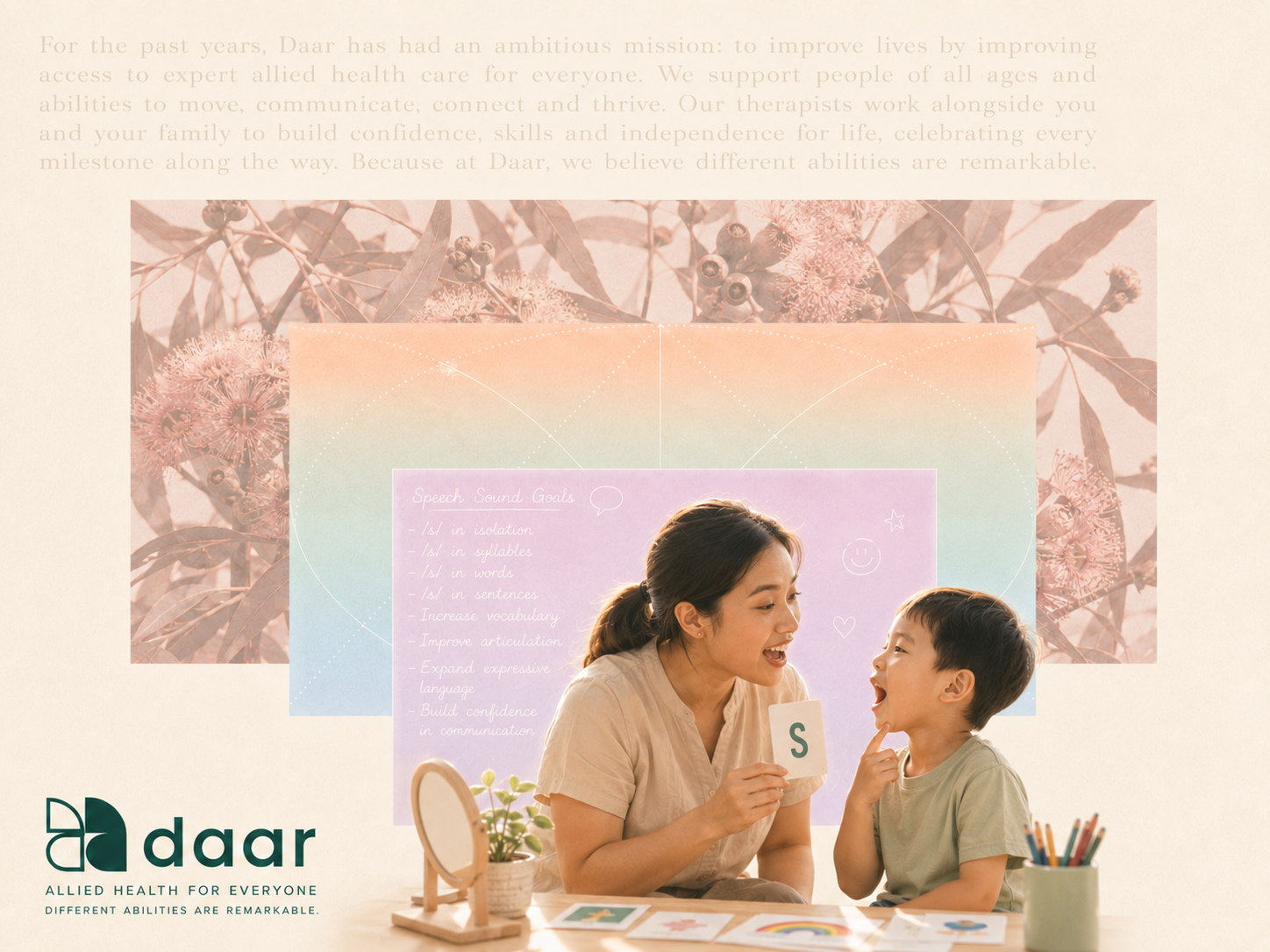
A strong language environment exposes your child to words in context through conversation, shared attention, and everyday support. This boosts both understanding and expressive language skills.
Make your speech easy to follow using gestures, eye contact, facial expressions, and visual aids. These strategies work well in classrooms too:
- Use short, clear phrases during routines
- Show visuals like pictures, books, or simple videos
- Pair speech with gestures or pointing
- Minimize distractions and use quiet spaces when needed
Repeating language during meaningful moments helps children link words to actions and ideas.
Conclusion
In conclusion, supporting your child's receptive language skills is essential for their development and communication. By understanding these skills and recognising challenges, you can create a language-rich environment at home. Everyday activities that promote listening and comprehension can greatly benefit your child. Remember, every child develops at their own pace, so be patient and encouraging. x
If you have concerns or need help, seek a consultation or call daar at 02 9133 2500 for professional support to help your child thrive.
Frequently Asked Questions
Are receptive language skills assessed differently from expressive language skills?
Yes. In speech-language therapy, assessment looks at receptive language skills by checking how well a child understands directions, questions, vocabulary, and stories. Expressive language skills are measured through what a child says or communicates. Both areas are compared with age expectations and language milestones.
What strategies are most effective for teaching receptive language?
The most effective teaching strategies are simple and consistent. Use short directions, repeat key words, add visual aids, and build practice into daily activities like reading, meals, and play. These routines support receptive language skills and make language development feel natural instead of forced.
When should parents seek extra help for their child’s receptive language development?
If your child regularly struggles to understand directions, questions, or stories, it is a good idea to seek help. A speech pathologist can look at receptive language development, compare skills with typical development, and suggest early intervention when language difficulties continue over time.
.svg)




.svg)