
.png?width=48&height=48&name=Group%201%20(3).png)























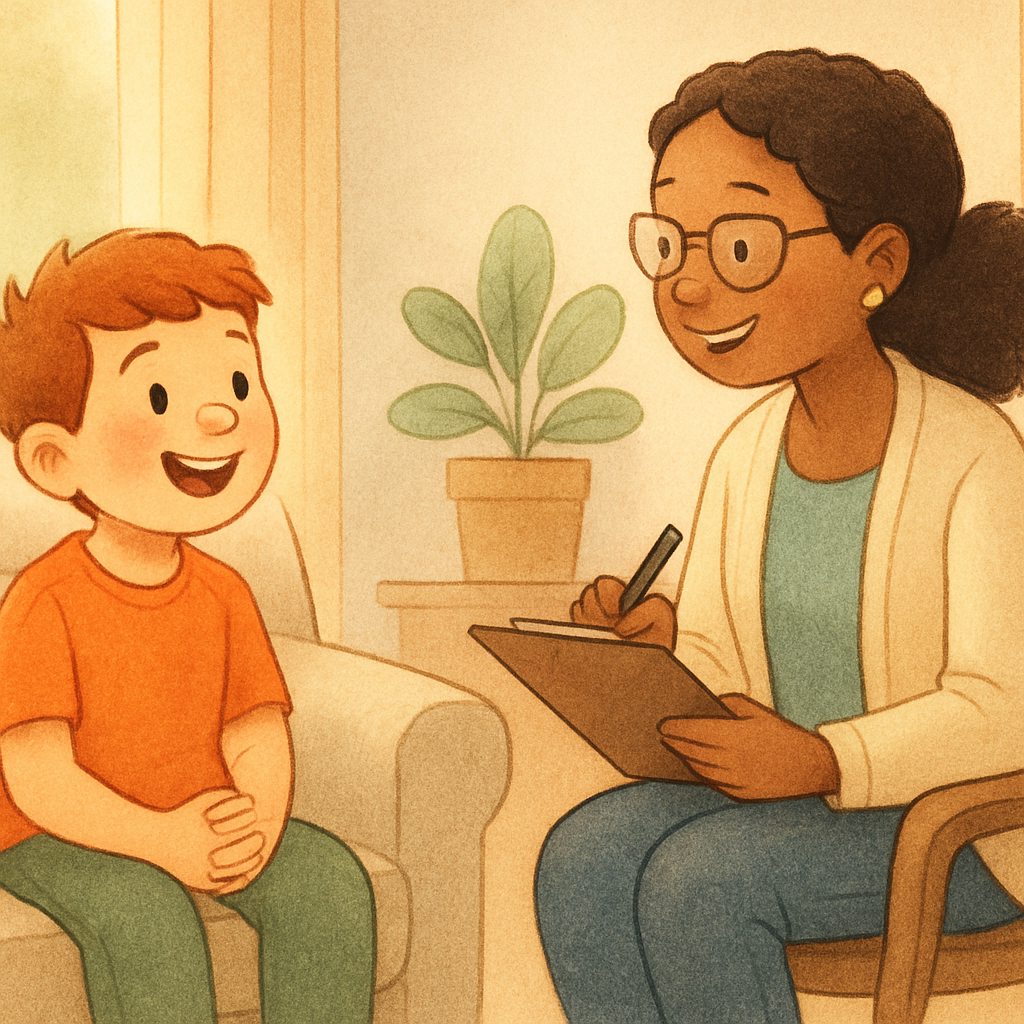
30 January, 2026

Understanding Behavioural Therapy: A Guide for Parents

Introduction
Watching your child struggle with their behaviour can be challenging. You want to provide the best support, and that's where behaviour therapy can make a real difference. This effective approach to children's mental health focuses on action and change. Instead of just talking about problems, it gives children practical tools and new skills to navigate their world more successfully. It empowers them to replace difficult behaviours with positive ones, paving the way for a happier, healthier future.
Key Highlights
- Behaviour therapy is a practical approach focused on changing unhelpful behaviours in children to improve their mental health.
- It is based on the idea that behaviours are learned and can be changed through targeted strategies.
- Common types of therapy include cognitive behaviour therapy (CBT), which addresses thoughts and actions.
- The primary goal is to reinforce positive behaviours and reduce problematic ones.
- This form of therapy can lead to a better quality of life by teaching children new, constructive skills.
Understanding Behaviour Therapy for Children
Behaviour therapy is a mental health treatment focused on identifying and changing unhealthy behaviours. Unlike other therapies, it targets current problems with practical solutions, based on the idea that behaviours are learned and can be changed.
With professional guidance, children can benefit from behaviour therapy for issues like anxiety, ADHD, and oppositional defiant disorder. It helps them develop better coping skills and respond more positively to challenges. This overview will explain how behaviour therapy works and its core principles.
How Behaviour Therapy Works
Behaviour therapy brings about change by systematically altering patterns of behaviour through evidence-based techniques. At its core, it is grounded in the science of learning, particularly the theories of classical and operant conditioning developed by psychologists like Ivan Pavlov and B.F. Skinner.
Classical conditioning involves associating a neutral stimulus with a meaningful one to elicit a desired response. For example, a therapist might help a child who has anxiety around dogs by gradually pairing the presence of a calm dog with positive experiences, eventually reducing fear.
Operant conditioning, on the other hand, relies on consequences to shape behaviour. Positive reinforcement (such as praise or rewards) increases the likelihood that a desired behaviour will occur again, while negative consequences (like loss of privileges) can decrease unwanted actions. This framework allows therapists to design structured interventions—setting clear expectations and providing immediate feedback—to teach new skills and reduce problem behaviours.
Therapists often use additional techniques such as:
- Shaping: Reinforcing small steps toward a larger goal so that children learn complex behaviours gradually.
- Token economies: Using tokens or points as rewards for specific behaviours, which can later be exchanged for privileges or treats.
- Social skills training: Practicing appropriate interactions in controlled settings before applying them in real life.
Modern therapies such as Cognitive Behavioural Therapy (CBT) expand on traditional behavioural methods by addressing not just actions but also thoughts and emotions underpinning those actions. CBT teaches children (and adults) to recognize unhelpful thought patterns, challenge them, and replace them with more constructive ones. By combining cognitive restructuring with behavioural exercises like exposure or role-playing, individuals gain tools to handle challenges more effectively.
The action-oriented nature of behaviour therapy makes progress measurable and goals attainable. Families are often involved in the process so that strategies used in therapy sessions are reinforced at home and school. This collaborative approach helps children develop self-control, resilience, and confidence that lasts beyond the therapy setting.
In summary, behaviour therapy creates change through structured, practical interventions backed by decades of research. Its evidence-based techniques can be adapted to address various issues—from ADHD and autism spectrum disorders to anxiety or disruptive behaviours—helping children achieve meaningful improvements in daily life.
Principles and Goals of Behaviour Therapy
Behaviour therapy’s main goal is to improve your child’s daily life by changing problematic behaviours. It reinforces helpful actions and reduces those causing distress, focusing on current issues and practical solutions—not the distant past.
This action-oriented approach encourages children to actively learn and practice new skills. Therapy targets specific behaviours for efficient change.
Key principles include:
- Focusing on observable, measurable behaviours
- Teaching new, positive actions
- Tailoring treatment to each child
- Addressing present problems rather than their origins
Common Types of Behaviour Therapy Used with Children
Behaviour therapy refers to several types of therapy that aim to change behaviour, each using different strategies. This variety lets mental health professionals choose the best option for a child’s unique needs and personality.
Some therapies focus only on actions, while others—like cognitive therapy—also address thoughts and feelings. Knowing about these approaches can help you find the right support for your child. Here are some common types used with children.
Cognitive Behaviour Therapy (CBT)
Cognitive Behaviour Therapy (CBT) stands out as a popular type of psychotherapy that focuses on transforming negative thought patterns that contribute to mental health issues. By recognizing these unhelpful behaviours, individuals can learn to develop new skills for better coping and improved quality of life. This therapy uses techniques like cognitive restructuring and exposure therapy to address various mental health conditions, from anxiety disorders to borderline personality disorder. Its structured approach often leads to significant improvement in managing problematic behaviours for individuals of all ages.
Positive Behaviour Support and Applied Behaviour Analysis (ABA)
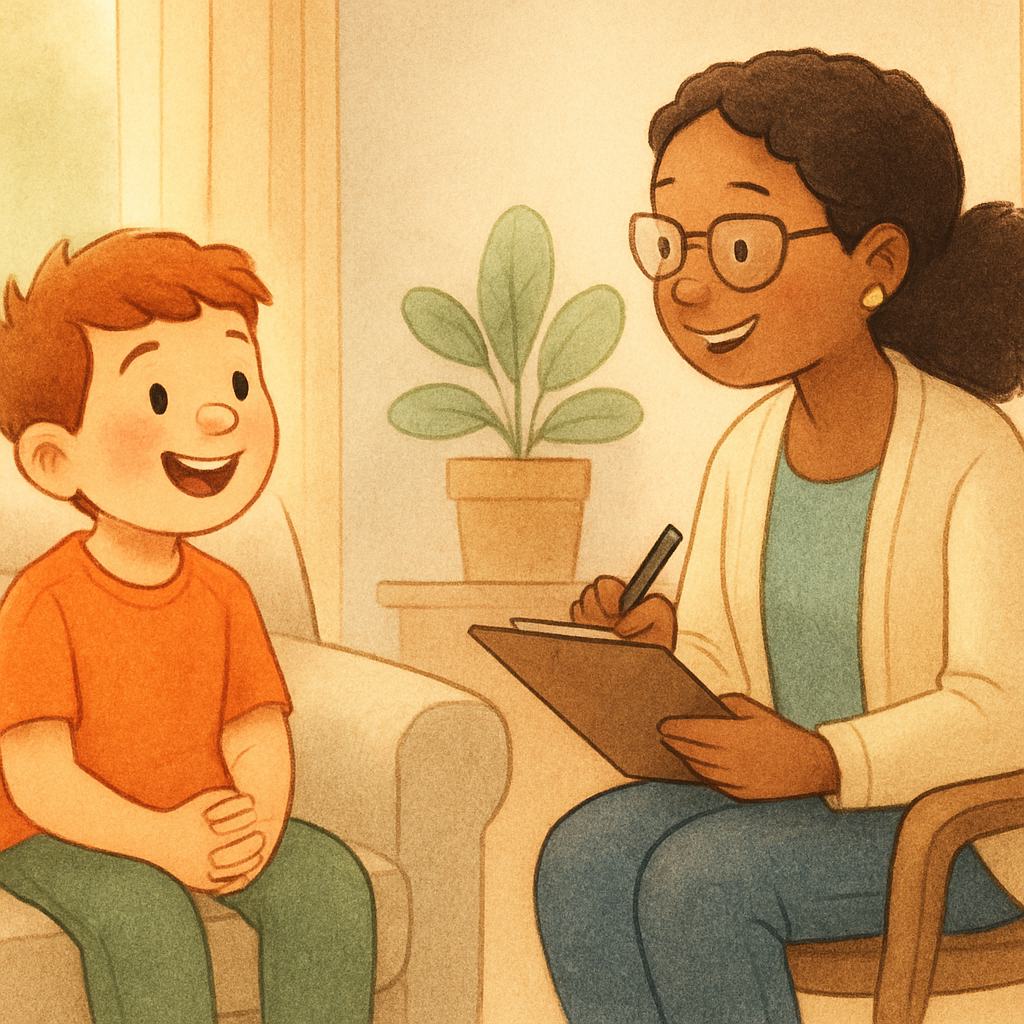
Applied Behaviour Analysis (ABA) is a widely used therapy for children with autism. It applies learning and motivation principles to teach skills by breaking tasks into small steps and using reinforcement. ABA helps children develop communication and social abilities.
Positive Behaviour Support (PBS) is a broader approach that often includes ABA techniques. PBS aims to prevent challenging behaviours by creating supportive environments tailored to the child's needs. Professionals collaborate with families and schools to identify behaviour causes and teach positive alternatives.
Key elements of PBS:
- Creating predictable, supportive environments
- Teaching and reinforcing positive social skills
- Developing team-based plans with parents, teachers, and therapists
Behavioural Therapy Techniques for Kids
Therapists use creative, age-appropriate techniques to make behavioural therapy engaging and effective for children. These methods help kids learn new skills naturally and enjoyably, with each type of therapy using different tools to meet its goals.
For instance, play therapy lets young children express themselves non-verbally, while exposure therapy helps them face fears in a safe environment. The main aim is to equip your child with practical tools for handling life’s challenges. Let’s explore some of these approaches in detail.
Play-Based Approaches
Young children often struggle to express their feelings. Play therapy allows them to communicate naturally through play, giving therapists insight into their emotions and experiences. This creates a safe space for children to process feelings without words.
Cognitive behavioural play therapy blends playful activities with CBT goals. For instance, a child with social anxiety may use puppets to practice interactions while the therapist teaches coping skills and new behaviours.
Play-based therapy helps children:
- Express emotions they can't put into words
- Develop problem-solving and social skills
- Face fears in a safe, supportive setting
Reward Systems and Reinforcement
Reinforcement is essential in behaviour therapy, using operant conditioning to encourage positive actions. Rewards like praise, stickers, or extra playtime motivate children to repeat good behaviours, boosting confidence and supporting lasting change.
Reward systems make expectations clear. For example, therapists may use charts where children earn tokens for tasks like homework or sharing. Tokens can be exchanged for larger rewards.
Common reinforcement strategies include:
- Token Economies: Earning tokens for good behaviour to exchange for rewards.
- Verbal Praise: Specific compliments, such as “I love how you shared your toy.”
- Contingency Management: Contracts outlining goals and rewards.
- Positive Attention: Quality time given as a reward for effort.
Accessing Behaviour Therapy Services in Australia
Finding the right support for your child is essential. In Australia, accessing behavioural therapy usually starts with a visit to your GP, who can assess your child and refer you to qualified pediatric mental health professionals.
Navigating the system can be overwhelming, but many resources are available. From understanding funding options like the NDIS to choosing the right therapist, there are clear steps to help your child get the support they need. The following sections will guide you through these key considerations.
NDIS Funding for Behaviour Therapy
If your child has a permanent and significant disability affecting their mental health, you may qualify for NDIS funding for behavioural therapy. The National Disability Insurance Scheme (NDIS) can fund this therapy under ‘Improved Daily Living’ or ‘Improved Relationships’ in your child’s plan.
To be funded, the therapy must be ‘reasonable and necessary’, directly related to your child’s disability, and focused on building skills, increasing independence, or supporting community participation.
To access NDIS support:
- Check your child’s NDIS eligibility.
- Discuss behavioural therapy at your planning meeting.
- Link therapy to specific goals in the plan.
- Choose a registered provider for therapeutic supports.
Finding a Qualified Behavioural Therapist
Finding a qualified therapist who connects with your child is essential. Start by asking your doctor for referrals to pediatric mental health professionals, such as psychologists or accredited social workers. Family support during this process can help.
When contacting therapists, ask about their qualifications, experience with children, and therapy approach. Choose someone who fits your child's personality and needs, and with whom you both feel comfortable.
Tips:
- Get recommendations from your doctor, school, or trusted professionals.
- Check professional organizations for accredited therapists nearby.
- Prepare questions about their methods and experience for the first consultation.
Conclusion
In conclusion, behaviour therapy is essential for improving children’s emotional and social skills. Understanding available therapies like Cognitive Behaviour Therapy and Positive Behaviour Support helps families make informed decisions. Access to qualified therapists and resources such as NDIS funding further enhances outcomes. Prioritizing mental health creates a supportive environment and empowers children to thrive. If you’re considering behaviour therapy for your child, seek professional guidance to explore the best options for their well-being.
If you're interested in learning more, feel free to reach out for a consultation or call daar at 02 9133 2500!
Frequently Asked Questions
Are there any risks or side effects with behaviour therapy for children?
Behaviour therapy is generally considered safe with minimal side effects, especially when conducted by a qualified professional. A child might feel temporary discomfort when facing fears, but therapists are trained to manage this in a supportive and safe environment. The long-term benefits for their mental health typically far outweigh any short-term challenges.
How effective is behavioural therapy in treating social behaviour disorders?
Behavioural therapy is a highly effective mental health treatment for social behaviour disorders. Studies show that it can lead to a significant improvement in behaviour, social skills, and relationships. Early intervention is key, as it can prevent challenges from escalating and greatly enhance a child's long-term quality of life.
What can families expect during a typical behavioural therapy session?
During a typical behavioural therapy session, you can expect a collaborative and active process. The therapist will create a safe environment to work with your child on specific goals. Sessions often involve both the child and a family member, focusing on practicing new skills through structured activities, play, or conversation.

.svg)




.svg)