
.png?width=48&height=48&name=Group%201%20(3).png)























26 January, 2026

Speech Therapy Telehealth Liverpool: Your Guide to Benefits
Introduction
Welcome to your guide on speech therapy telehealth in Liverpool. Are you wondering what a speech therapist does or who might need their help? A speech pathologist is a trained professional who diagnoses and treats a wide range of communication disorders to help people express themselves more effectively. This article will explore how technology is making these vital services more accessible. You will learn about the benefits of online therapy and how it can support the unique needs of you or your loved ones, improving communication skills and confidence.
Key Highlights
-
Speech therapy telehealth offers accessible support for various communication disorders, breaking down geographical and mobility barriers for people in Liverpool.
-
A qualified speech pathologist can help individuals of all ages improve their communication skills, from early language development in children to recovery after a brain injury in adults.
-
Telehealth provides flexible scheduling, making it easier to fit speech therapy sessions into your busy life and ensuring consistent progress.
-
Online therapy effectively addresses a wide range of challenges, including articulation disorders, language difficulties, and social communication issues.
-
By using engaging digital tools and personalized plans, telehealth is a modern approach designed to improve your overall quality of life.
Benefits of Speech Therapy Telehealth
Choosing speech therapy telehealth opens up a world of advantages for individuals facing communication challenges. Whether you're recovering from a brain injury or have a child with speech disorders, online services provide high-quality care directly in your home. This modern approach enhances accessibility and ensures you receive consistent support.
Many studies and patient experiences show that online speech therapy can be just as effective as in-person sessions. The convenience and flexibility of telehealth often lead to better engagement and, ultimately, a greater improvement in your quality of life. Let's explore the specific benefits you can expect.
Accessibility: Breaking Barriers in Speech Therapy
Telehealth offers exceptional accessibility, removing barriers to care for those who find in-person appointments challenging. It’s especially valuable for people with mobility issues or those living in remote areas without access to specialized clinics.
This digital approach supports inclusivity, making services like speech therapy accessible to individuals with disabilities, neurological conditions, or brain injuries who may struggle to travel. Telehealth ensures everyone has equal access to care that can improve communication disorders.
Telehealth is particularly beneficial for:
-
Individuals with physical disabilities or mobility challenges
-
People in rural or underserved areas
-
Clients with conditions such as cerebral palsy or multiple sclerosis, where travel is difficult
Convenience: Flexible Scheduling for Better Engagement
Life is busy, and scheduling appointments can be tough. Speech therapy telehealth offers unmatched convenience, letting you book sessions that fit your family's schedule. This flexibility eliminates travel and minimizes disruptions to work, school, or other commitments.
Telehealth makes therapy easier to manage, leading to better attendance and consistent engagement—key for steady progress. Online services help you continue improving communication without interruptions.
Key telehealth benefits:
-
No travel or transportation costs
-
Therapy from home
-
Easier scheduling and shorter wait times
Key Conditions and Challenges Addressed by Speech Therapy
What conditions can speech therapy address for both kids and adults? Speech-language pathologists work with a broad spectrum of issues affecting people of all ages. From speech disorders that impact clarity to language disorders affecting comprehension, therapy is tailored to meet diverse communication needs.
Whether it's helping a child with fluency disorders like stuttering or an adult with articulation disorders after a stroke, a speech therapist provides personalized strategies. The following sections will explore some of the key challenges that speech therapy helps manage.
Articulation and Speech Sound Disorders
Do you or your child struggle with pronouncing certain sounds? Articulation and speech sound disorders make it difficult to produce sounds clearly, which can impact how well others understand you. For example, someone might say “wed” instead of “red.”
Speech therapy addresses these issues with exercises that strengthen the mouth and tongue muscles. Speech pathologists demonstrate correct tongue movements and often use fun, play-based activities for children to keep practice engaging.
With regular practice, speech clarity improves, boosting confidence in social situations. Targeted therapy can also help with motor speech disorders like apraxia of speech.
Language and Communication Difficulties
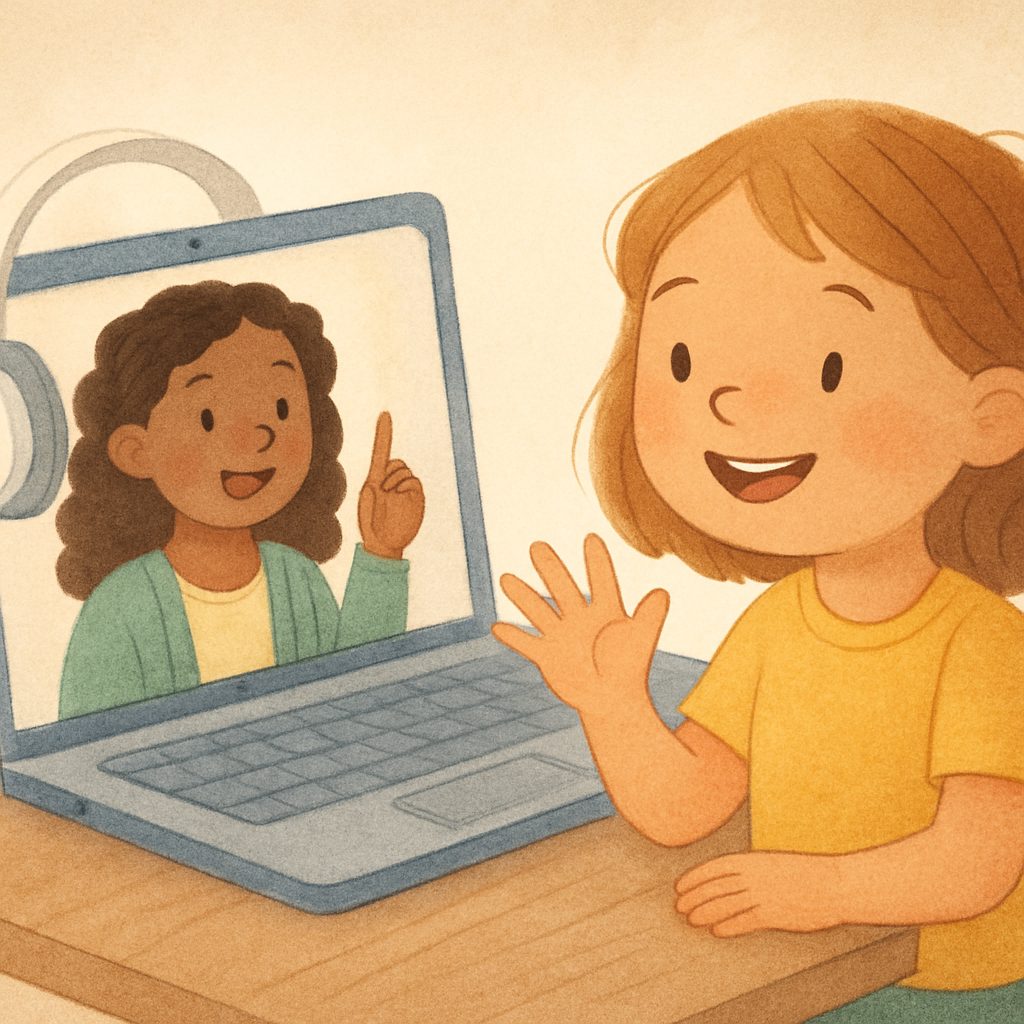
Language and communication difficulties impact how you understand others (receptive language) and express your own thoughts (expressive language). You may struggle to follow directions, have limited vocabulary, or form correct sentences. These issues can arise from developmental delays, hearing loss, or neurological conditions.
Language therapy builds a foundation for better communication. Speech pathologists use activities like games and exercises to expand vocabulary and improve sentence structure. These techniques strengthen both written and oral comprehension.
The goal is to give you stronger language skills for everyday life. By improving understanding and expression, language therapy boosts confidence in academic, professional, and social settings.
Social Communication Issues
Social communication goes beyond words, involving unspoken social rules. Challenges in this area can make it hard to start conversations, take turns, or read nonverbal cues like body language and tone. These issues often relate to conditions such as autism spectrum disorder.
Speech therapy targets key social communication skills, including understanding sarcasm, recognizing others’ emotions, and following conversational flow. Therapists often use role-play to practice these skills in a supportive setting.
Improving social communication helps individuals build stronger relationships and interact more confidently. Effective social skills can reduce anxiety and lead to more positive interactions, supporting overall mental health and well-being.
The Telehealth Approach to Speech Therapy
The rise of technology has transformed how many health services are delivered, and speech therapy is no exception. Speech therapy telehealth uses video conferencing and digital tools to connect you with a qualified therapist from anywhere. This approach is changing the landscape for private practices and clients alike.
Are online speech therapy services as effective as in-person sessions? For many, the answer is yes. Telehealth combines evidence-based therapeutic techniques with the convenience of modern technology, offering a powerful alternative to traditional therapy. Let's look at how it works and what you can expect.
How Speech Therapy Telehealth Services Work
Starting speech therapy via telehealth is simple. First, you'll have a video consultation where a speech pathologist assesses your needs and sets therapy goals.
Sessions take place on a secure video platform, similar to Zoom. Your therapist leads targeted exercises and activities tailored to your goals. For children, sessions are interactive and play-based to keep them engaged.
You'll receive real-time feedback and strategies to practice between sessions, reinforcing progress from home and supporting consistent improvement in your communication skills.
Comparison: Telehealth Versus In-Person Sessions
When deciding between telehealth and traditional therapy, it's helpful to compare the two. In-person sessions offer direct, face-to-face interaction in a clinical setting, which some people prefer. However, this model requires travel and offers less scheduling flexibility, which can be a barrier for many.
Telehealth, on the other hand, delivers health services directly to your home, eliminating travel time and costs. While it relies on technology, research and clinical experience show that it is a highly effective alternative for a wide range of communication disorders. Many private practices now offer both options to best serve their clients' needs.
This comparison can help you decide which format best suits your lifestyle and contributes most to your quality of life.
|
Feature |
Telehealth Sessions |
In-Person Sessions |
|---|---|---|
|
Location |
From home or any private space with internet |
At a clinic, school, or hospital |
|
Accessibility |
High; ideal for remote areas or mobility issues |
Limited by geography and travel requirements |
|
Convenience |
High; flexible scheduling and no travel |
Lower; fixed appointment times and travel needed |
|
Environment |
Familiar and comfortable home setting |
Clinical or office environment |
|
Technology |
Requires a stable internet connection and device |
No technology needed for the session itself |
Online Tools and Resources Used by Therapists
To make telehealth sessions engaging and effective, speech pathologists use various online resources and digital tools. These include digital whiteboards, interactive apps, shared-screen games, and videos—all designed to create interactive therapy similar to in-person sessions.
Specialized apps target specific speech sounds or language skills, while websites and games keep activities fun and motivating. These tools let therapists tailor sessions to each client’s interests and needs for maximum productivity.
Digital aids keep therapy fresh, especially for younger clients. Common tools include:
-
Interactive apps for articulation and language practice
-
Digital storybooks and games for building vocabulary
-
Video clips to observe social cues and body language
-
Shared online whiteboards for drawing and writing
Steps in a Speech Therapy Assessment and Treatment Plan
What is the typical process for a speech therapy assessment and treatment plan? The journey begins with a thorough initial evaluation to understand your unique communication challenges. Based on this assessment, the therapist collaborates with you to set meaningful goals and develop a personalized treatment plan.
This structured therapy process ensures that your specific needs are at the forefront of every session. The plan is designed to be a roadmap, guiding you toward achieving your communication goals with clear, actionable steps. Let's explore each phase in more detail.
Initial Evaluation and Goal Setting
The first step in speech therapy is the initial evaluation. A speech pathologist will assess your communication strengths and challenges through tests, observations, and conversations with you and your family.
This assessment identifies the root cause of difficulties by evaluating speech clarity, language comprehension, voice quality, and social skills.
Based on the results, your therapist will help you set personalized goals to guide treatment and track progress.
How Personalized Treatment Plans Are Developed
After setting your goals, your speech pathologist will create a personalized treatment plan based on your initial assessment. This dynamic plan targets your specific needs to build communication skills effectively.
Therapy sessions will follow activities and techniques from your plan, using evidence-based methods to help you reach your goals—whether that’s improving speech sounds, expanding vocabulary, or enhancing social skills.
I'll be reviewing your progress regularly. The therapist will adjust your plan as needed, ensuring therapy stays relevant and effective as you improve.
Conclusion
In conclusion, speech therapy telehealth offers a convenient, accessible way to address communication challenges from home. This model removes geographic barriers and allows for flexible scheduling to fit busy lives. Through advanced online tools, therapists deliver effective, personalized sessions. Embracing telehealth means prioritizing your communication goals and taking a proactive step toward improvement.
Ready to see the benefits? Reach out for a consultation or call daar at 02 9133 2500 today!
Frequently Asked Questions
Are Telehealth Speech Therapy Services Effective?
Yes, telehealth has proven to be a highly effective delivery model for speech therapy. Research and clinical experience show that online sessions can produce outcomes comparable to in-person services. The convenience of the therapy process often leads to better consistency, which is a key factor in improving your quality of life.
How Do I Find a Qualified Speech Therapist in Liverpool?
You can find a qualified speech pathologist by searching for private practices in the Liverpool area that offer speech therapy telehealth. Many hospitals and community health care centers can also provide referrals. Ensure any therapist you consider is a certified practitioner with the appropriate credentials and experience.
What Qualifications Are Needed to Become a Speech Therapist in Australia?
In Australia, a speech pathologist must complete a bachelor's or master's degree in speech pathology. The profession is regulated by Speech Pathology Australia, which ensures that all practicing medical professionals meet high standards of competence and ethics. Many will also pursue ongoing education to maintain their clinical skills.
.svg)




.svg)