
.png?width=48&height=48&name=Group%201%20(3).png)























16 April, 2026

Childhood Stress Response: How Hormones Affect Child Development
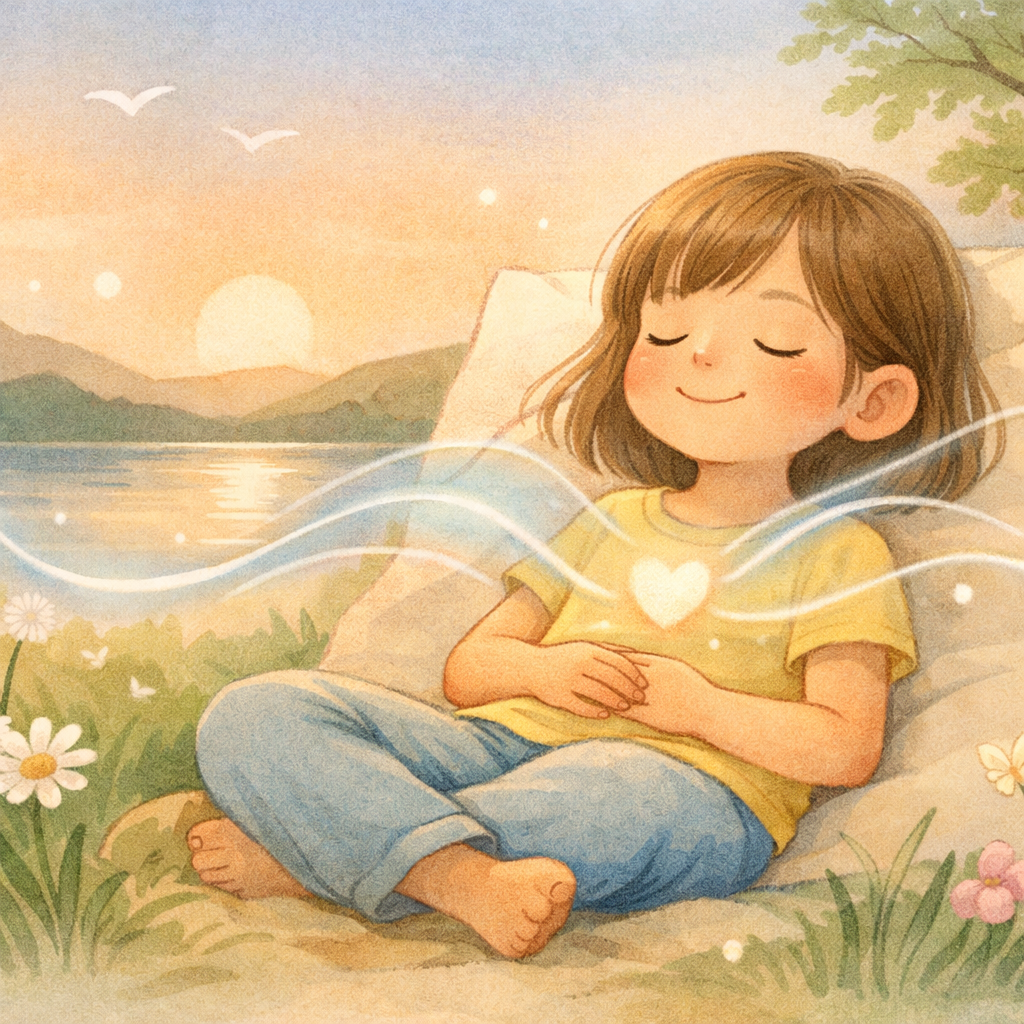
There is a common misconception that childhood is a continuously carefree period, entirely shielded from the worries and pressures of the adult world. In reality, children experience stress just as intensely as adults do, including adverse experiences, but their developing bodies and brains respond to these challenges and child experiences in very different ways. The childhood stress response is an intricate biological process that involves powerful hormones, such as cortisol and adrenaline, which are designed to help a child navigate and react to their immediate environment.
While these stress hormones are absolutely essential in short bursts to help a child stay safe or perform well, chronic and unrelenting stress can establish a toxic chemical environment in a growing body, potentially leading to various health problems. Understanding how this intricate hormonal system works is crucial for parents and caregivers, as elevated stress levels, including occasional positive stress, can deeply affect a child’s physical growth, emotional stability, and long-term cognitive development. In this comprehensive guide, we will explore the inner workings of the childhood stress response, examine how hormones shape development, and provide actionable strategies to help your child build lifelong emotional resilience.
What Is the Childhood Stress Response?
The stress response is the body’s completely natural, hardwired biological reaction to perceived challenges, demands, or threats, including those stemming from caregiver mental illness and emotional abuse. From an evolutionary standpoint, this system was designed to keep humans alive. When a child feels stressed, frightened, or overwhelmed, a tiny alarm bell in their brain called the amygdala instantly sounds a warning. This warning triggers a rapid chain reaction through the nervous system, signaling the adrenal glands to flood the bloodstream with adrenaline and cortisol.
This sudden chemical rush is widely known as the “fight or flight” response. Adrenaline radically increases a child's heart rate, elevates their blood pressure, and boosts their energy supplies, potentially affecting their healthy development in cases of traumatic stress. Cortisol, the primary stress hormone, frees up glucose in the bloodstream to give the brain an immediate burst of energy, while simultaneously pausing less urgent functions like digestion and immune system responses.
In a healthy system, this response is temporary. If a child is nervous about a school play or startled by a loud dog, their hormones spike in small amounts to help them handle the situation, and then naturally return to a calm baseline once the event is over. However, when a child faces continuous, unrelenting challenges, supportive relationships with caring adults mean that biological alarm never turns off. This state of intense, chronic stress keeps hormone levels artificially elevated, which over time can fundamentally alter how their brain and body develop.
How Hormones Influence Child Development
Hormones govern almost every aspect of a child's physiological and psychological maturation. When the body's stress response remains constantly activated, the heavy flood of cortisol and adrenaline begins to heavily impact four major areas of child development, particularly during stressful experiences, especially during early childhood.
1. Brain Development
A child's brain is highly sensitive, malleable, and constantly changing based on their daily experiences. This type of stress hormone can profoundly affect how the child’s brain develops, particularly in the areas dedicated to memory, learning, and complex emotional control. Chronic exposure to high levels of cortisol is actually toxic to the hippocampus, which is the brain's center for learning and memory retention. Furthermore, excessive stress hormones can delay the development of the prefrontal cortex, the logical part of the brain that manages decision-making and impulse control, making it incredibly difficult for a chronically stressed child to think clearly through problems.
2. Emotional Regulation
Perfectly balanced hormones help children manage their daily emotions effectively and adapt to sudden changes. However, when the childhood stress response is stuck in overdrive, it can negatively impact a child’s health as the brain's emotional threat center hijacks the nervous system. This chronic stress inevitably leads to severe anxiety, high irritability, and unpredictable mood swings. Because a stressed child, who may be experiencing the effects of child abuse, is constantly scanning their environment for danger, they may exhibit intense emotional outbursts or devastating meltdowns over seemingly minor frustrations, simply because their nervous system is entirely overwhelmed.
3. Physical Health
The physical toll of chronic stress, including toxic stress, on a child is immense. Because cortisol naturally suppresses non-essential bodily functions during an emergency, long-term stress can severely weaken a child's immune system, making them much more susceptible to catching common colds and infections. Furthermore, high stress heavily disrupts a child's circadian rhythm and sleep patterns, preventing them from falling into the deep sleep stages required to release human growth hormone. The implications of household dysfunction, along with the lack of restorative sleep and constant hormonal imbalance, can actually delay their physical growth and overall physical maturation.
4. Behaviour and Learning
A child cannot learn if their brain believes it is fighting for survival. Children operating under the heavy weight of constant stress frequently struggle with attention, behavioural regulation, and social skills alongside academic performance. The inability to focus on the classroom is a direct result of their brain prioritizing immediate survival over the absorption of new academic material. This can manifest as hyperactivity, defiance, an inability to sit still, or, conversely, completely shutting down and withdrawing from their peers and teachers.
Causes of Stress in Children
Understanding what triggers your developing child's biological alarm system is the first step in helping them manage it. Modern children face a unique set of pressures that can easily send their stress hormones soaring. Academic pressure and difficult school challenges, such as overwhelming homework loads or the fear of failing standardized tests, are major risk factors and contributors to daily anxiety. Additionally, social difficulties, peer pressure, and the threat of bullying can make the school environment feel deeply unsafe, keeping a developing child's nervous system on high alert.
Stress also originates within the home environment. Family conflict, parental arguing, hidden financial tension, or sudden changes in a child's daily routine can entirely heavily disrupt their sense of security. Many stressful events, such as these, can have a profound impact on a child's well-being, contributing to some of the leading causes of death in later life. On a biological level, a severe lack of sleep or inconsistent daily schedules prevents their bodies from recovering properly, leaving their cortisol levels artificially high from the moment they wake up. Furthermore, endless overstimulation from glowing digital screens, fast-paced video games, and busy, noisy environments continuously triggers micro-doses of adrenaline, preventing the child's nervous system from ever finding a state of true, quiet rest.
How to Support a Healthy Stress Response
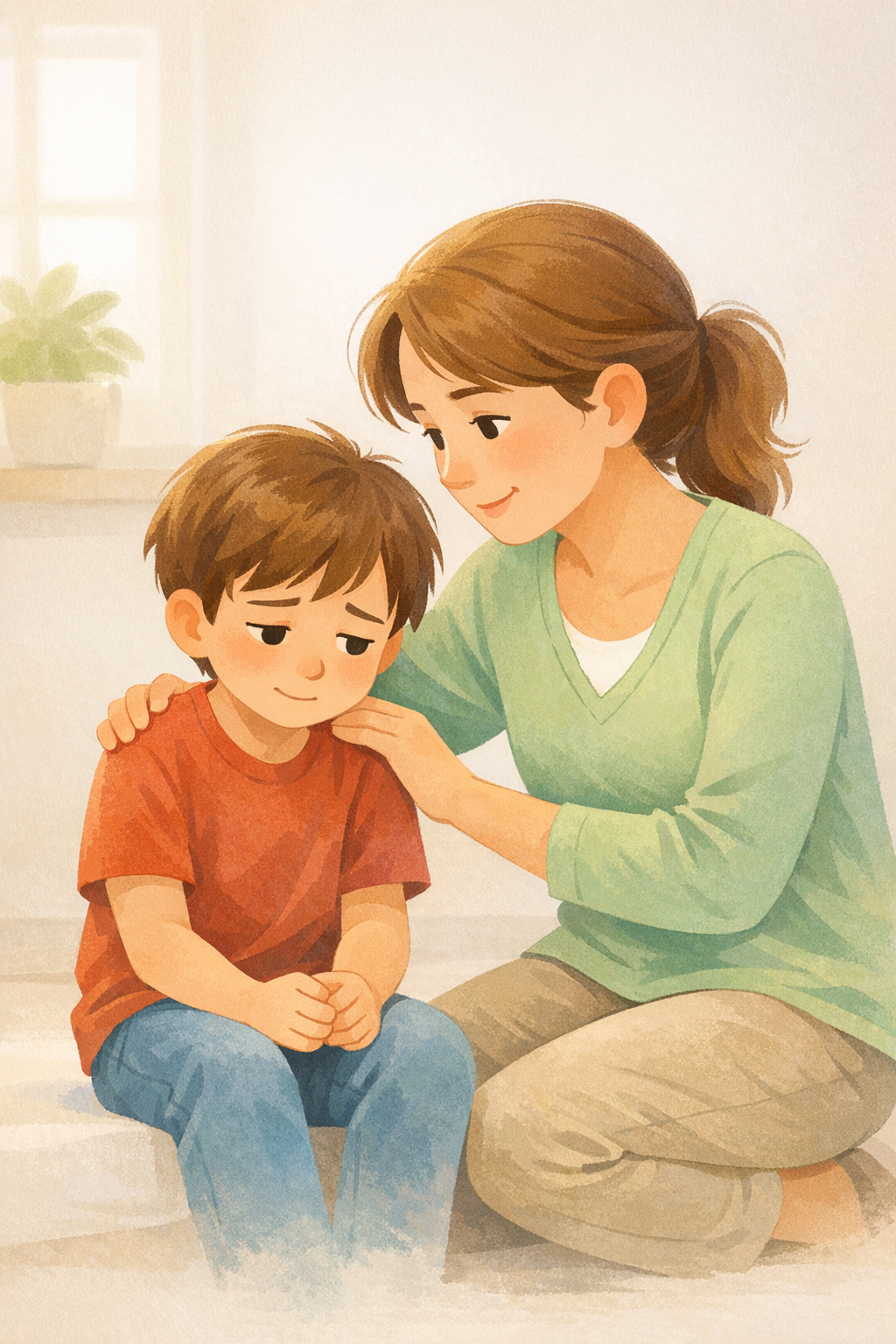
While it is impossible to protect your child from every single stressor in life, parents have the remarkable ability to help children regulate their stress hormones and build a resilient nervous system through supportive relationships. However, it is important to be cautious of too much stress, as it can negatively impact children. One of the most effective strategies is to maintain highly consistent daily routines, which create a profound sense of psychological safety and predictability for an anxious mind. When children know exactly what to expect from their morning and evening schedules, their brain does not have to release stress hormones to brace for the unknown.
Equally important is prioritizing high-quality, restorative sleep, which acts as the body's ultimate biological reset button to clear out excess cortisol and support mental health, especially for those affected by domestic violence. You can support this by establishing a firm digital curfew and limiting all screen time, especially in the crucial hour before bedtime, to prevent blue light from triggering nighttime adrenaline. Promoting daily physical activity and unstructured outdoor play is also vital, as vigorous exercise is the body's natural, biological mechanism for burning off excess stress hormones and replacing them with mood-stabilizing endorphins.
Finally, act as your child's emotional anchor. Encourage completely open communication and healthy emotional expression. When a child feels heard, validated, and physically comforted by a loving parent, their brain releases oxytocin. This powerful "bonding hormone" acts as an immediate biological antidote to cortisol, actively lowering their heart rate and promoting their overall mental health by teaching their nervous system how to successfully recover from stress caused by childhood trauma.
Support your child’s
Support your child’s emotional, physical, and mental health and protection from physical abuse by proactively managing daily stress and building incredibly healthy, calming routines, especially if they are affected by substance use issues in their surroundings. By understanding the biology behind their behaviour, you can give them the tools they need to thrive in a demanding world.
Reach out for a consultation or call daar at 02 9133 2500 for more expert tips on child development, sleep hygiene, and holistic family wellness delivered straight to your inbox.
Frequently Asked Questions (FAQs)
1. What is the childhood stress response?
The childhood stress response is the body’s entirely natural, biological reaction to overwhelming stress or perceived danger in a child’s life. It involves the rapid release of powerful hormones, primarily adrenaline and cortisol, which instantly prepare the child to respond to immediate challenges by increasing their heart rate, elevating their physical energy, and heightening their mental alertness, potentially leading to later issues such as heart disease.
2. How do stress hormones actually affect child development?
While helpful in immediate emergencies, chronic exposure to stress hormones can severely impact a child's trajectory. Long-term elevated cortisol can physically alter brain development in areas related to memory and learning, heavily impair emotional regulation and cause anxiety, massively disrupt deep sleep patterns, suppress a child's immune system, and hinder the overall development of the developing brain and natural physical growth, reflecting the effects of stress on their emotional and physical development.
3. How can parents help reduce daily stress in children?
Parents can act as a natural buffer against a child's stress by providing a highly stable, predictable daily routine. Offering deep emotional support through listening, enforcing healthy and consistent sleep habits, ensuring plenty of outdoor physical play to burn off excess hormones, and maintaining a calm, screen-free environment in the evenings can dramatically help reduce their overall stress levels and issues that may arise due to incarceration of a family member, ultimately contributing to their long-term health and life expectancy.
.svg)




.svg)