
.png?width=48&height=48&name=Group%201%20(3).png)























15 April, 2026

Understanding Cortisol for Kids: Key Facts to Know

As parents, we want nothing more than for our children to grow up happy, healthy, and resilient. But in today’s fast-paced world, kids experience stress just like we do. You might have heard of cortisol, often called the "stress hormone," but what exactly does it do, and how does it impact your little one over a long time? Cushing's syndrome is a condition caused by having too much cortisol in the body. In children, Cushing's syndrome can lead to symptoms such as rapid weight gain, slowed growth, high blood pressure, and changes in mood or behaviour. Early recognition and treatment are important, as Cushing's syndrome can significantly affect a child's overall health and development.
Understanding cortisol in kids is key to supporting their emotional and physical well-being. Let’s dive into what this hormone is, how it affects your child’s condition and development, and actionable ways you can help them keep it in balance.
What is Cortisol?
Cortisol is a vital hormone produced by the adrenal glands. While it's most famous for being the body’s main stress hormone, it actually does much more than trigger the "fight or flight" response. Cortisol helps regulate metabolism, reduce inflammation, manage the sleep-wake cycle, and control blood pressure and heart rate.
In short, cortisol isn't intrinsically "bad." In healthy amounts, the stress hormone in children is essential for everyday functioning and survival.
The Effects of Cortisol on Child Development
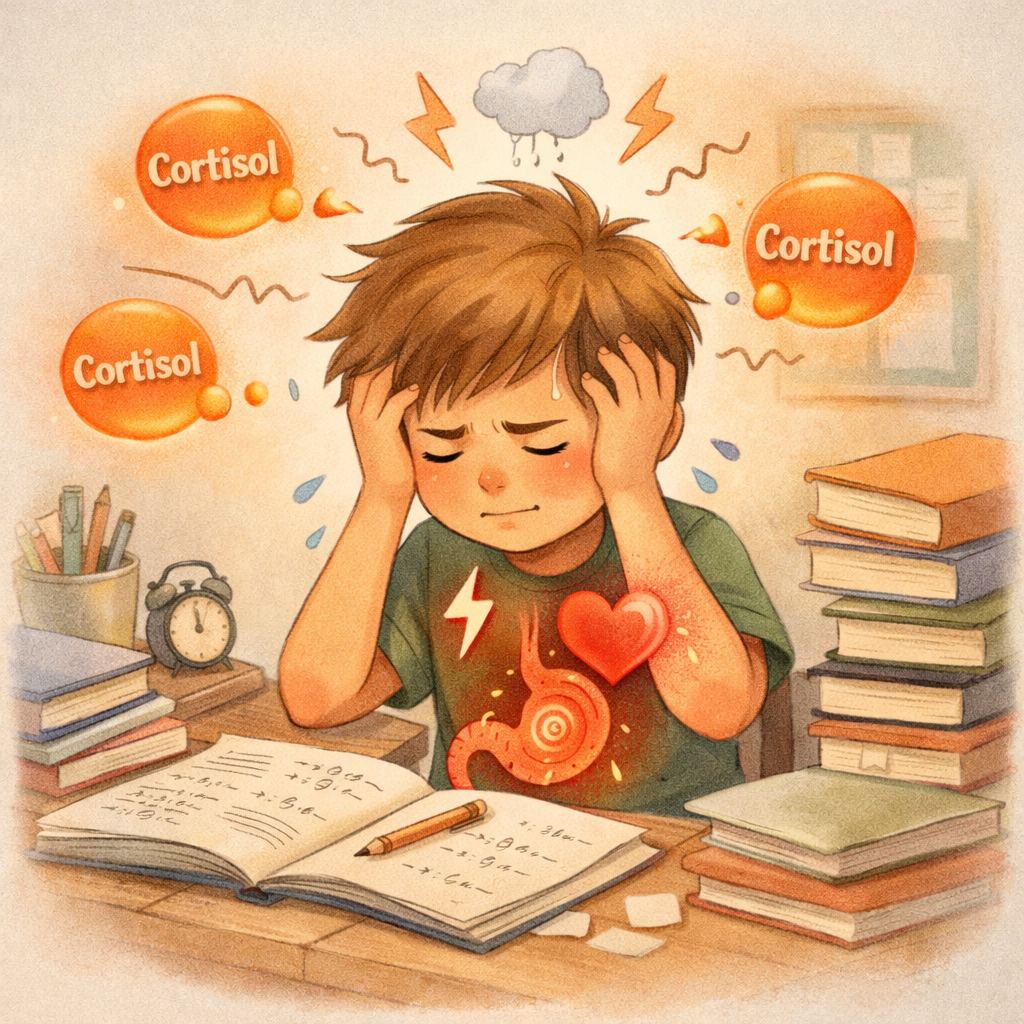
While a normal amount of the stress hormone cortisol is necessary, chronically high or abnormally low levels can significantly impact a child's health, behaviour, and growth. Here is a look at how stress affects kids and the specific systems cortisol influences:
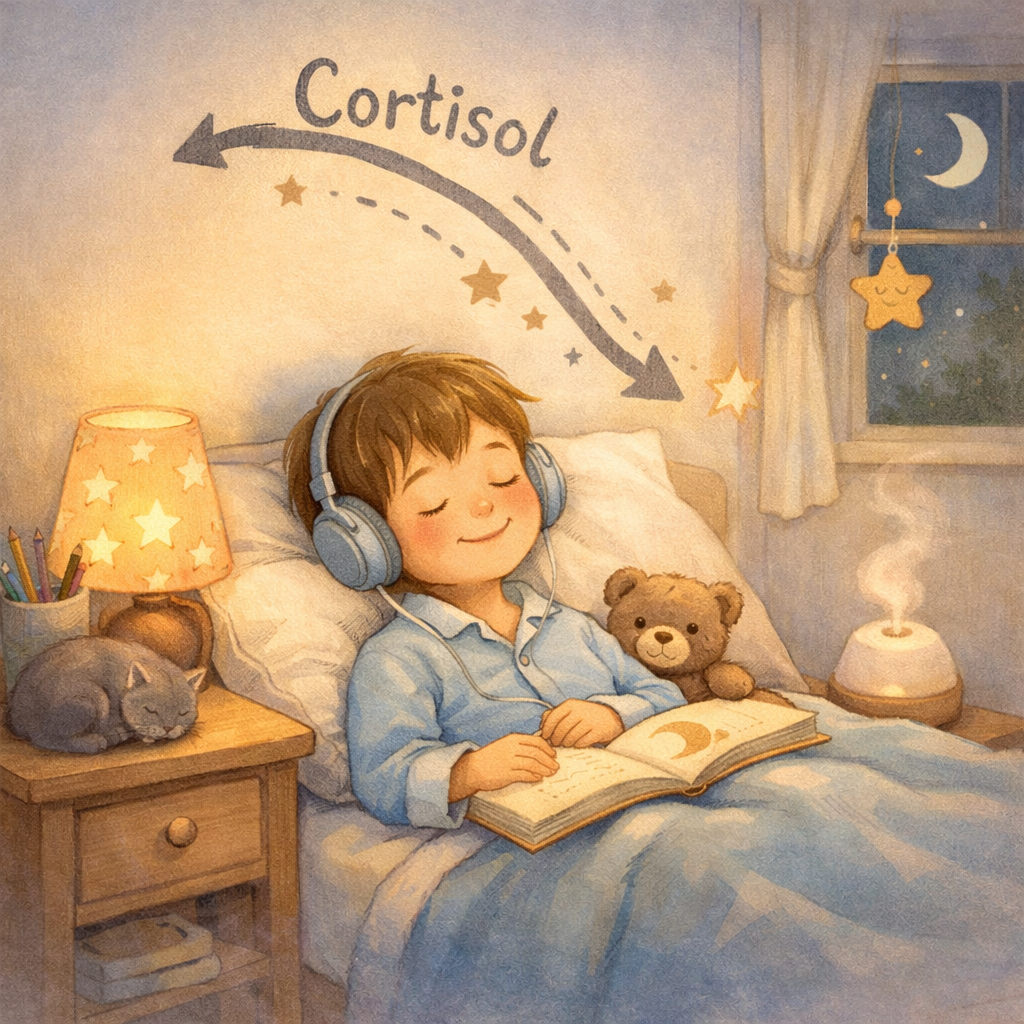
- Sleep: The production of cortisol levels naturally rises in the morning to help us wake up and drops at night to prepare for sleep. If a child’s cortisol levels stay elevated in the evening due to stress, it can lead to severe sleep disruptions, insomnia, and difficulty winding down.
- Mood and Behaviour: High cortisol can put kids in a constant state of high alert. This often translates to mood swings, anxiety, irritability, or frequent tantrums, while some children growing up in stressful environments might even experience low levels of cortisol.
- Immune Function: While short-term cortisol release reduces inflammation, chronic stress and prolonged high cortisol can suppress the immune system, making children more susceptible to catching colds and infections.
- Growth and Brain Development: The effects of cortisol on child development are profound. Prolonged exposure to high cortisol levels can interfere with a child's development, specifically affecting areas of the brain related to memory, learning, and emotional regulation. It can also suppress growth hormones over time.
Causes of High or Low Cortisol Levels in Kids
Cortisol levels naturally fluctuate throughout the day, but certain factors can cause them to become imbalanced.
What Causes High Cortisol?
- Academic pressure or bullying at school.
- Major life changes (moving, divorce, a new sibling).
- Lack of quality sleep or irregular sleep routines.
- Poor diet high in processed sugars and lacking in essential nutrients.
- Over-scheduling and a lack of unstructured free time.
- Exposure to family conflict or chronic household stress.
What Causes Low Cortisol?
Though less common, abnormally low cortisol (adrenal insufficiency) can occur due to high levels of cortisol or as a separate medical issue caused by problems with the adrenal or pituitary glands, or prolonged use of certain medications like corticosteroids.
Signs of Cortisol Imbalance: When to Be Concerned
Kids don't always know how to say, "I'm stressed." Instead, stress manifests through their behaviour and physical health. If you notice these common signs of the symptoms of Cushing syndrome due to a cortisol imbalance:
- Changes in Sleep Patterns: Difficulty falling asleep, frequent waking, or nightmares.
- Behavioural Shifts: Increased aggression, clinginess, withdrawal from friends, or regressions (like bedwetting).
- Physical Symptoms: Frequent stomach aches, headaches, or seemingly unexplained fatigue and lethargy.
- Frequent Illnesses: Catching every bug that goes around school due to a weakened immune system.
- Changes in Appetite: Sudden overeating (especially craving sweets/carbs) or a complete loss of appetite.
When to Seek Medical Advice: If your child is experiencing persistent physical symptoms, severe anxiety that interferes with daily life, extreme fatigue, or unexplained weight loss/gain, it is time to consult your paediatrician. They can help rule out underlying medical conditions and provide guidance or referrals to a child psychologist if necessary.
How to Reduce Cortisol in Children
The good news is that parents play a massive role in buffering their kids against stress, which can help promote healthy cortisol levels in children. If you are wondering how to reduce cortisol in children, here are some practical, science-backed tips:
1. Establish a Calming Sleep Routine
Since cortisol and mental health are deeply connected, a predictable bedtime routine is crucial. Have your child power down screens at least an hour before bed (blue light suppresses melatonin and can spike cortisol). Encourage calming activities like reading, taking a warm bath, or listening to quiet music.
2. Prioritize Nutrition
What kids in the Australia eat affects how their bodies handle stress. Serve a balanced diet rich in whole foods, lean proteins, healthy fats, and complex carbohydrates. Limit highly processed foods and excess sugar, which can cause energy crashes and contribute to mood swings and hormonal imbalances.
3. Encourage Active Play and Exercise
Physical activity is a natural stress-reliever. It burns off excess adrenaline and cortisol, a steroid hormone, while triggering the release of feel-good endorphins. Aim for at least 60 minutes of physical activity a day—whether that's riding bikes, playing tag, or taking a family walk.
4. Teach Simple Stress Management Techniques
Equip your child with tools to handle stress in the moment:
- Deep Breathing: Teach them "belly breathing" or "smell the flower, blow out the candle" exercises, which can be beneficial in the care of children.
- Mindfulness: Practice simple grounding techniques, like naming five things they can see and four things they can touch.
- Creative Outlets: Drawing, journaling, or playing music can help kids process complex emotions.
5. Provide Plenty of Unstructured Downtime
In a culture that glorifies being busy, young children need time to just be. Make sure their schedule isn't packed with back-to-back extracurriculars. Free play gives their brains a chance to rest and process the day, naturally lowering cortisol.
6. Be Their "Calm"
Children are highly sensitive to their parents' stress levels (a process called co-regulation). By managing your own stress and responding to your child's big emotions, especially for those with conditions like congenital adrenal hyperplasia, with a calm, validating presence, you signal to their nervous system that they are safe, which directly lowers their cortisol.
Final Thoughts
Understanding cortisol in kids empowers you to create a nurturing, balanced environment. While you can't protect your child from every stressful event or situation, you can give them the tools, routines, and emotional support they need to manage stress effectively. By prioritizing sleep, nutrition, playtime, and connection, you are setting the foundation for a resilient, healthy childhood.
Reach out for a consultation or call daar at 02 9133 2500 for expert guidance tailored to your child’s needs.
Frequently Asked Questions (FAQ)
1. Is all cortisol or stress bad for my child?
Not at all! It is a common misconception that all stress is harmful. In fact, a normal release of cortisol in kids is healthy and necessary. Short-term stress (often called "positive stress" or eustress) helps your child focus during a spelling test, run faster during a soccer game, and naturally wake up in the morning. The goal isn't to eliminate all stress, but rather to prevent chronic stress from stressful experiences, where cortisol levels stay elevated for long periods without a chance for the body to recover and relax.
2. Can too much screen time increase my child’s cortisol levels?
Yes, it certainly can. Fast-paced video games, intense television shows, and even scrolling through social media can trigger a mild "fight or flight" response in a child's brain, causing a spike in the stress hormone in children. Additionally, the blue light emitted by screens suppresses melatonin (the sleep hormone), which forces cortisol to stay high in the evening when it should naturally be dropping. The dexamethasone suppression test can further help evaluate cortisol levels. Creating screen-free zones, especially an hour before bed, is one of the most effective ways regarding how to reduce cortisol in children.
3. Are there specific foods that can help lower my child’s cortisol production?
Absolutely! A balanced diet plays a massive role in hormone regulation. Foods rich in Vitamin C (like strawberries and citrus fruits) and Omega-3 fatty acids (like salmon, chia seeds, and walnuts) have been shown to help lower cortisol levels. Magnesium is also known as the 'relaxation mineral,' so offering magnesium-rich snacks like pumpkin seeds, almonds, or bananas can help calm their nervous system. On the flip side, try to limit highly processed sugary snacks, as sugar crashes can trigger the body to release more cortisol to stabilize blood sugar levels.
.svg)




.svg)