
.png?width=48&height=48&name=Group%201%20(3).png)























6 February, 2026

Children's Misbehavior and Anger: A Parent’s Guide to Finding Calm
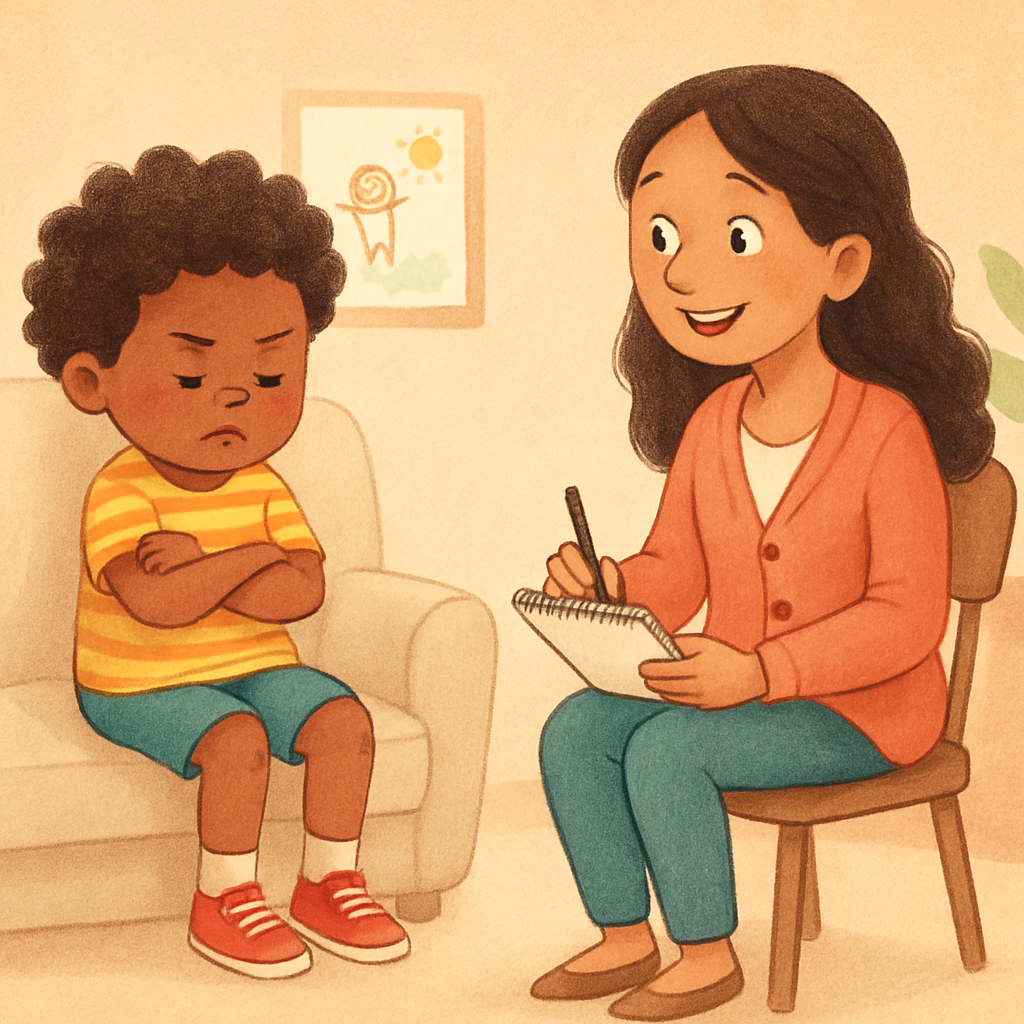
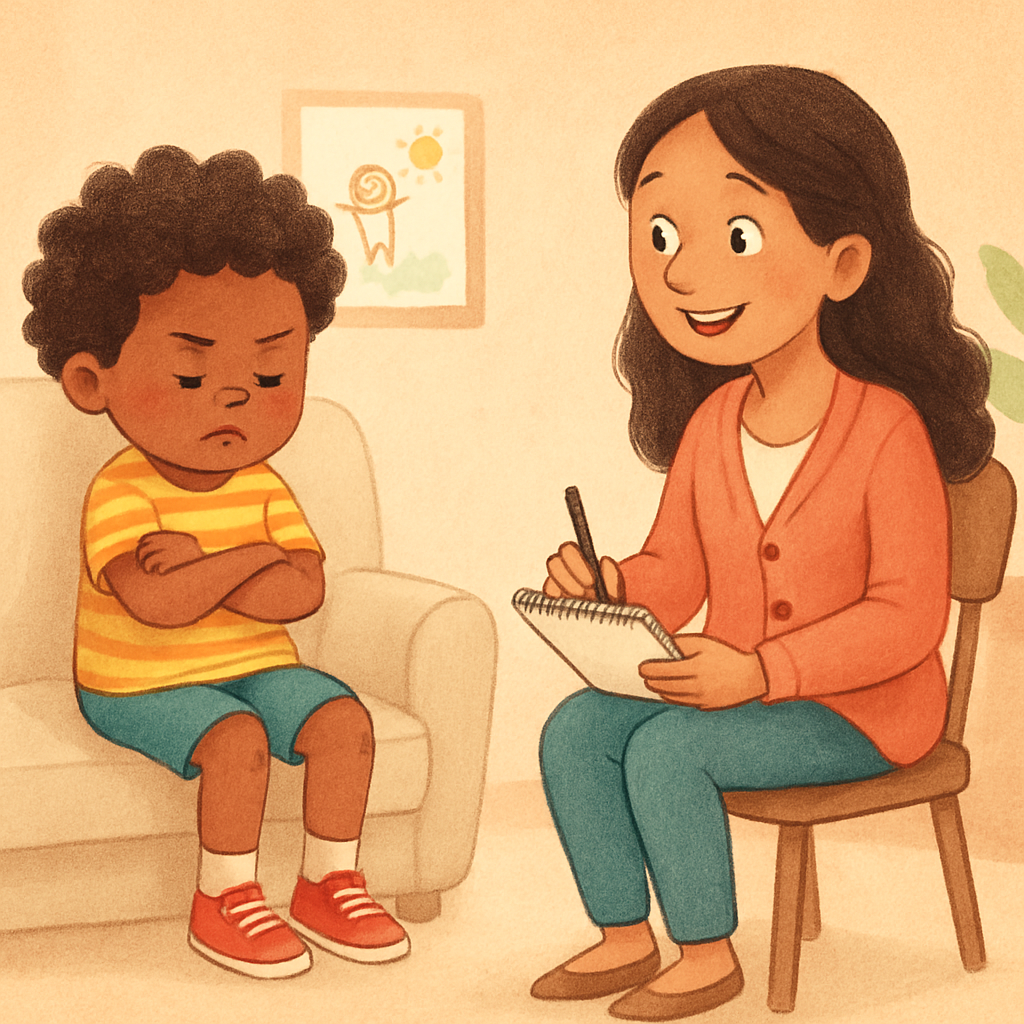
Parenting is a journey filled with immense love, but it is also punctuated by moments of confusion and exhaustion. Every parent has been there: the supermarket meltdown, the refusal to put on shoes, or the sudden outburst of anger over a seemingly small issue. When these moments happen, it is natural to wonder, "Is this normal?"
Navigating the emotional landscape of a young mind is challenging. You might find yourself dealing with an angry child one minute and a tearful one the next. While children's misbehavior is a natural part of growing up and testing boundaries, persistent issues can leave parents worrying about potential behavioral concerns of a child.
This guide is designed to help you decode your child’s behavior. We will explore the difference between typical developmental phases and signs that might require extra support, offering you practical tools to bring peace back to your home.
Understanding the "Why" Behind the Behavior
Before we can address children's misbehavior, we must understand its root cause. Children, especially young ones, do not have the vocabulary to say, "I am feeling overwhelmed by the noise in this room," or "I am anxious about school tomorrow." Instead, they communicate through their actions.
The Iceberg Analogy
Think of behavior as an iceberg. The tantrums, the shouting, and the defiance are just the tip—the part you can see. Underneath the water lies the bulk of the issue:
- Unmet Needs: Hunger, fatigue, or a need for connection.
- Skill Deficits: Inability to regulate emotions or communicate effectively.
- Environmental Stressors: Changes in routine, sensory overload, or family stress.
When we shift our perspective from "my child is giving me a hard time" to "my child is having a hard time," we open the door to more effective solutions.
Tantrums vs. Meltdowns: Knowing the Difference
While the terms are often used interchangeably, there is a distinct difference between a tantrum and a meltdown and handling them requires different approaches.
The Tantrum
Tantrums are usually goal-oriented. The child wants something (a toy, a cookie, to stay up late) and is using behavior to get it.
- Signs: The child might check to see if you are watching. They may be able to stop if they get what they want.
- Strategy: Calmly hold the boundary. Do not give in, as this reinforces the behavior. Ignore the behavior but not the child.
The Meltdown
A meltdown is a reaction to being overwhelmed. It is not a choice; it is a "system overload."
- Signs: The child seems out of control, doesn't care if you are watching, and cannot stop even if you offer them what they originally wanted.
- Strategy: Focus on safety and co-regulation. Reduce sensory input (lights, noise) and stay close until the storm passes.
When to Worry: Identifying Behavioral Concerns of a Child
It is the question on every parent's mind: Is this just a phase? Most children's misbehavior is temporary and developmental. However, there are red flags that suggest it might be time to seek professional advice regarding behavioral concerns of a child.
Intensity and Frequency
If tantrums or aggressive outbursts are happening multiple times a day, every day, and are intense enough to disrupt family life, this is a signal to look deeper.
Duration
A typical tantrum might last 5 to 15 minutes. If an angry child remains unregulated for 30 minutes or more and cannot be soothed, they may lack the neurological tools to calm down on their own.
Safety Risks
Behavior that involves self-harm (banging head, biting self) or significant aggression toward others (hitting, kicking, throwing dangerous objects) requires immediate attention.
Impact on Functioning
Are the behaviors preventing your child from making friends, learning at school, or sleeping? If the behavior is shrinking their world, it is time to seek support.
Strategies for Managing the Angry Child
Dealing with an angry child can trigger our own stress response. However, fighting fire with fire rarely works. Here are evidence-based strategies to de-escalate the situation.
1. The Power of Co-Regulation
Children borrow our calm. If you escalate (yell, threaten), they will escalate further. Take a deep breath. Lower your voice. Your calm presence signals to their brain that they are safe, which is the first step out of the "fight or flight" mode.
2. Name It to Tame It
Validation is a powerful tool. Acknowledge their feelings without judging the behavior.
- "I can see you are furious that we have to leave the park."
- "It is really frustrating when the tower falls."
When a child feels heard, they often don't need to shout as loud to get their point across.
3. Catch Them Being Good
It is easy to fall into a cycle of only noticing children's misbehavior. Flip the script. Praise them for the behaviors you want to see.
- "I noticed you took a deep breath when you were frustrated. That was really brave."
- "Thank you for using your words to tell me you were mad."
4. Consistent Boundaries
Children feel safer when they know the rules. If hitting results in a time-out today but is ignored tomorrow, the child becomes confused and anxious. Consistency provides a secure framework for them to operate within.
Conclusion
Raising a child is a complex, demanding, and beautiful task. If you are currently in the trenches dealing with tantrums and an angry child, know that you are not alone. These behaviors are often a sign that your child is struggling to manage the big feelings inside their growing body.
By distinguishing between normal children's misbehavior and genuine behavioral concerns of a child, you can respond with empathy and effectiveness. Remember, the goal isn't to have a "perfect" child who never gets upset, but to raise a human being who has the skills to navigate their emotions healthily.
If you are feeling overwhelmed or suspect your child needs more support than you can provide at home, reach out to us. Our team of child development specialists can help you understand your child's unique needs and provide a roadmap for a calmer, happier home.
Contact us today to schedule a consultation or call daar at 02 9133 2500.
Frequently Asked Questions (FAQ)
At what age do tantrums usually stop?
While the "terrible twos" are famous, tantrums often persist into the preschool years (ages 3-4). By age 5 or 6, most children have developed enough language and impulse control that physical outbursts decrease significantly. If they persist intensely past age 7, it is worth consulting a professional.
How can I tell if my child has ADHD or just high energy?
ADHD involves a persistent pattern of inattention and/or hyperactivity-impulsivity that interferes with functioning or development. If the misbehavior or inability to focus is present in multiple settings (e.g., at home and at school) and is impacting their learning or social life, a professional assessment is recommended.
Should I ignore an angry child?
"Planned ignoring" can be effective for minor attention-seeking behaviors (like whining). However, ignoring a child who is in genuine distress or having a meltdown can be damaging. They need to know you are there for them, even when they are having a hard time. You can ignore the behavior (the screaming) while supporting the child (staying nearby).
.svg)




.svg)