
.png?width=48&height=48&name=Group%201%20(3).png)























13 March, 2026

Addressing Autism and Sleep Problems in Children
Key Highlights
It's very common for children on the autism spectrum to face sleep problems, with some studies showing that up to 80% experience sleep disturbances. These issues can range from difficulty falling asleep to frequent night wakings. Fortunately, many sleep disorders can be managed with behavioral strategies and consistent routines. Creating good sleep habits is crucial for improving your child's overall well-being. For persistent sleep problems, professional support and treatments are available to help your child get good sleep.
Introduction
A good night's rest is essential for every child's growth, development, and ability to learn. However, for many children on the autism spectrum, including those with autism spectrum disorder (ASD), achieving good sleep can be a significant challenge. Sleep problems are common and can stem from various causes, affecting not just the child but the entire family. Understanding the link between autism and sleep disorders is the first step toward finding effective strategies to improve sleep quality and help your child feel rested and ready for the day.
Common Types of Sleep Problems Autism Presents
Sleep issues are common in children with autism, affecting up to 80%. Problems include insomnia, frequent night wakings, bedwetting, and night terrors. Causes are varied—irregular circadian rhythms, sensory sensitivities, and conditions like ADHD or epilepsy.
Factors such as screen time before bed, inconsistent naps, and bedding choices can worsen sleep disturbances. Keeping a sleep diary helps track patterns. Addressing daytime routines and bedtime habits is key to improving sleep for children with autism. Next, we’ll explore these challenges in more detail.
Difficulty Falling Asleep and Staying Asleep
Many children with autism struggle to settle down at bedtime, often lying awake due to anxiety, difficulty relaxing, or missing social cues that signal sleep. Disruptions in their circadian rhythms and irregular melatonin production can make a consistent bedtime challenging. ADHD may further complicate winding down for sleep.
Parents often need to take gradual steps to help their child adjust, aiming for a regular bedtime and enough rest. Small changes and positive reinforcement can significantly improve sleep patterns. Autistic adults also experience sleep problems, including difficulty falling asleep and staying asleep, making it important for people of all ages to address sleep challenges related to autism.
Night Wakings, Early Morning Awakenings, and Irregular Sleep Patterns
Autism often disrupts sleep. Many autistic children struggle to fall or stay asleep, frequently waking for unclear reasons. They may get up, have trouble returning to sleep, or engage in favorite nighttime activities, disturbing others.
Early morning awakenings and difficulty falling back asleep are common, leading to poor sleep and insufficient rest. Some experience night terrors and other parasomnias, which can persist into adolescence if not addressed.
Healthy sleep habits are essential. Late naps and inconsistent routines fragment sleep. A calm, predictable bedtime routine signals the body to rest and supports a regular sleep-wake cycle.
How Sleep Problems Affect Children with Autism in Daily Life
People with autism often have sleep problems due to a mix of biological, psychological, and environmental factors. Irregular melatonin production, sensory sensitivities, anxiety, and conditions like ADHD can disrupt their natural sleep-wake cycle.
Poor sleep affects more than just nighttime rest; it impacts daytime behavior, learning, and overall wellbeing. The following sections discuss how these issues influence daily functioning and family stress.
Impacts on Behavior, Learning, and Well-being
When a child with autism doesn’t sleep well, it often shows in their daytime behavior. Poor sleep can cause irritability, more frequent meltdowns, and trouble focusing. A tired child may have more difficulty managing emotions and may engage in repetitive behaviors to cope.
Sleep is also crucial for learning. Without quality rest, memory, cognitive function, and school performance suffer. Ongoing sleep problems can create a cycle where daytime struggles make falling asleep even harder.
Consistent sleep is essential for a child’s overall well-being. Addressing sleep issues supports both mental and physical health, helping your child thrive.
Effects on Families and Caregivers
When a child’s sleep is disrupted, the whole family feels it. Parents and caregivers often lose sleep themselves, leading to stress, exhaustion, and anxiety that impact family life. Concerns about nighttime safety—especially for children who wander—add even more pressure.
Managing sleep disorders can feel isolating. Advice from friends or family may not fit the unique challenges of autism, leaving caregivers feeling unsupported. Maintaining good sleep hygiene becomes overwhelming when one member struggles.
Where can you find support? Caregivers should seek help for themselves and their child. This may include asking family members for assistance, using respite services, or consulting healthcare professionals like a GP or pediatrician. These experts can provide evidence-based strategies and check for underlying medical issues, easing the burden on caregivers and supporting the whole family’s well-being.
Practical Strategies to Address Sleep Problems Autism Brings
How can I help my autistic child sleep better? The good news is that many practical strategies can make a real difference. Establishing healthy sleep habits is the cornerstone of any approach. This involves creating consistent routines and making the sleep environment as comfortable as possible. Simple changes, like limiting screen time before bed and encouraging your child to sleep in their own bed, can have a big impact.
Keeping a sleep diary is an excellent first step to identify patterns and potential triggers for poor sleep in older children. This information is invaluable when discussing the issues with professionals. While behavioral strategies are the first line of defense, some children may benefit from medical supports like melatonin under a doctor's guidance. The following sections will provide detailed tips on creating routines and exploring professional treatments.
Creating Consistent Bedtime Routines and Sensory-Friendly Environments
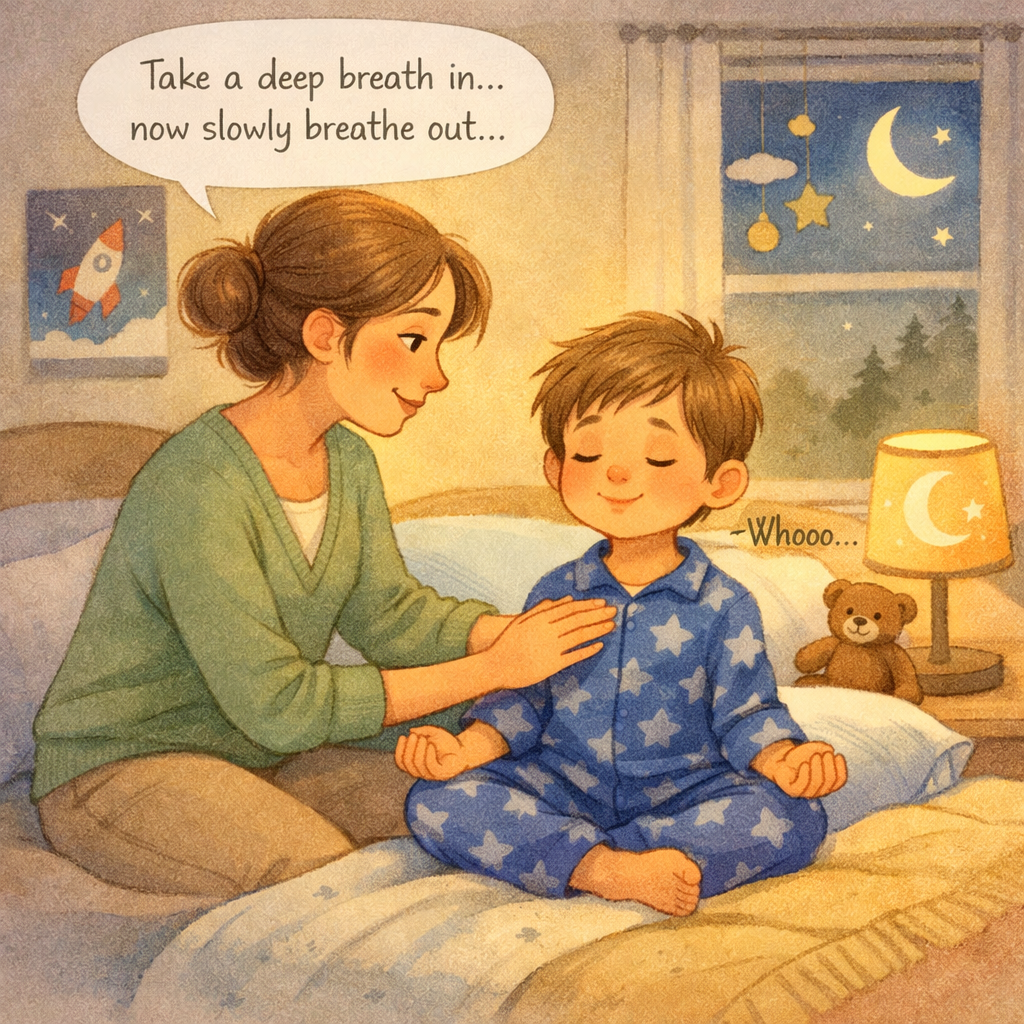
To support better sleep for children with autism, establish a predictable and calming bedtime routine. Reduce stimulating activities and screen time at least an hour before bed. Use visual aids, like picture charts, to help your child follow the steps and ease anxiety.
Make the bedroom sensory-friendly:
- Block out light: Use blackout curtains.
- Reduce noise: Try thick carpets, earplugs, or a white noise machine.
- Comfortable bedding: Choose fabrics and pajamas your child likes; remove irritating tags.
- Minimize distractions: Limit toys and bright posters to make the room restful.
Stay consistent with bedtime habits—even on weekends. Avoid long or late-afternoon naps so your child is sleepy at bedtime. Calmly redirect them if they get out of bed and use positive reinforcement to encourage progress.
Professional Treatments and Safe Sleep Supports for Autistic Children
Treatments for sleep disorders in people with autism include behavioral strategies, professional support, and medical interventions. If behavioral approaches aren't enough, consult your GP or pediatrician to rule out underlying medical conditions like epilepsy or gastrointestinal issues. Keeping a sleep diary can help track patterns and inform treatment.
Medication may be considered for some children. Melatonin, prescribed by a doctor, can help regulate sleep cycles. Always use medication under medical supervision to ensure proper dosage and monitor side effects. Be cautious of any treatments claiming to "cure" sleep problems.
Professional and medical sleep supports include:
|
Support Type |
Description |
|---|---|
|
Behavioral Interventions |
Sleep psychologists or pediatricians offer evidence-based strategies for settling issues and night wakings. |
|
Medical Evaluation |
GPs or pediatricians assess for conditions like sleep apnea, epilepsy, or food sensitivities that disrupt sleep. |
|
Melatonin Supplements |
Doctors may prescribe melatonin to help regulate the internal clock and improve sleep onset and duration. |
|
Dietitian Consultation |
Dietitians address food challenges or gastrointestinal issues with diet modifications. |
Conclusion
In summary, addressing sleep problems in children with autism is crucial for their overall well-being and development. By understanding the unique challenges these children face, parents and caregivers can implement practical strategies, such as establishing consistent bedtime routines and creating sensory-friendly environments. These efforts not only improve sleep quality but also positively impact behavior and learning. Remember, you're not alone in this journey; support and resources are available.
If you're looking for personalized guidance, don't hesitate to reach out for a consultation or call daar at 02 9133 2500. Taking proactive steps today can lead to a brighter, more restful tomorrow for your child.
Frequently Asked Questions
What are some common sleep problems experienced by children with autism?
Children on the autism spectrum often experience sleep disturbances like insomnia, which includes difficulty falling asleep and staying asleep. Other common issues include frequent night wakings, waking up very early, and parasomnias such as night terrors. These problems prevent them from getting consistent, good sleep.
How can parents create a bedtime routine that supports better sleep for children with autism?
Parents can establish good sleep hygiene by creating a consistent and calming bedtime routine. This includes limiting screen time and naps before bed, engaging in relaxing activities, and using visual schedules. Making the bedroom a dark, quiet, and sensory-friendly space also helps reinforce positive bedtime habits and ensures your child gets much sleep.
What role does sensory sensitivity play in sleep issues for children on the autism spectrum?
Sensory sensitivities are a major cause of sleep disturbances for children on the autism spectrum. Hypersensitivity to light, noise, touch (like bedding fabric), or even smells can cause overstimulation and make it difficult to relax and fall asleep, leading to poor sleep. Creating a sensory-friendly environment helps promote healthy sleep habits.
.svg)




.svg)