
.png?width=48&height=48&name=Group%201%20(3).png)























10 March, 2026

Autism and Sleep: Addressing Common Challenges Together
Key Highlights
- Individuals on the autism spectrum frequently experience significant sleep difficulties.
- Poor sleep is linked to issues like insomnia, night waking, and circadian rhythm disruptions.
- Sensory sensitivities to light, sound, or touch can make it hard to fall and stay asleep.
- Good sleep hygiene, including consistent bedtime routines, is crucial for managing these challenges.
- Behavioral strategies and environmental changes can greatly improve sleep quality.
- Addressing sleep problems enhances daytime functioning and overall quality of life.
Introduction
If you have a loved one with autism spectrum disorder (ASD), you know that getting a good night's rest can be a major hurdle. Sleep disturbances are incredibly common, affecting up to 80% of children with autism. These sleep issues don't just cause daytime tiredness; they can impact behavior, learning, and mental health for the entire family. Understanding the link between autism and sleep is the first step toward finding effective solutions and improving everyone's quality of life.
Types of Sleep Problems in Autism
Many autistic individuals face a variety of sleep problems that disrupt their daily lives. The most common challenges include having trouble falling asleep, waking up frequently throughout the night, and rising very early in the morning. These sleep disturbances can lead to irregular sleep patterns and significant daytime sleepiness.
These issues can affect both children and adults on the spectrum, often making it difficult to maintain a consistent sleep-wake cycle. The result is often poor-quality, fragmented rest, which can worsen other autism-related challenges. We'll now look closer at specific types of sleep issues, starting with insomnia and circadian rhythm disruptions.
Insomnia, Trouble Staying Asleep, and Night Waking
There is a strong link between autism and insomnia. Many autistic children and adults struggle to "shut off" their minds at night, making it hard to fall asleep. Racing thoughts and worries are common causes of these sleep issues. Even after falling asleep, frequent night waking is typical.
Over half of young children with ASD have sleep problems like trouble falling asleep, frequent awakenings, or early morning waking. These issues often persist; while 10–15% of autistic children have difficulty sleeping, the rate rises to over 70% in adults.
This ongoing sleep struggle can exhaust both individuals and their families. Poor sleep quality often leaves them feeling unrested, underscoring the need for targeted support.
Circadian Rhythm Disruptions and Autism
Disruptions in circadian rhythm are common among autistic individuals and can lead to various sleep difficulties. These disruptions may result in poor sleep habits, causing challenges like trouble falling asleep or excessive daytime sleepiness. Factors such as sensory sensitivities and the presence of sleep disorders, like sleep apnea or restless legs syndrome, are often involved. Establishing a consistent bedtime routine can significantly improve sleep quality, leading to better overall mental health and enhanced quality of life for autistic children and adults.
Sensory Sensitivities and Their Impact on Sleep
Sensory sensitivities are a core feature of autism and can disrupt sleep. Many autistic people find the world overwhelming, and at night, these sensitivities often intensify, making it hard to relax and fall asleep.
Minor sounds, certain fabrics, faint lights, or room temperature can all interfere with sleep. Identifying these triggers is essential for creating a restful environment. Let’s look at common sensory triggers and ways to manage them.
Common Sensory Triggers That Affect Sleep in Autism
Environmental factors and sensory triggers significantly impact sleep for many on the spectrum. Minor annoyances for neurotypical individuals can be major sleep barriers for those with heightened sensory sensitivity. It’s important to carefully adjust the bedroom environment to minimize these disruptions.
Irritating textures in bedding or sleepwear can prevent relaxation, while unnoticed visual and auditory stimuli may keep an autistic person alert. Identifying and modifying these environmental factors is key to improving their sleep.
Common sensory triggers include:
- Light: Even minimal light from electronics or outside can disrupt sleep.
- Sound: Background noises like appliances or distant conversations can interfere with rest.
- Touch: Uncomfortable fabrics or clothing tags can cause distress.
- Temperature: Rooms that are too hot or cold can hinder falling asleep.
- Smell: Strong odors from food or cleaning products may be overstimulating.
Strategies for Managing Sensory Issues at Night
Managing sensory sensitivities at night is essential for good sleep hygiene. A calming, predictable bedtime routine signals the brain to wind down, using activities that soothe the senses.
The aim is to create a sensory-safe sleep environment by minimizing triggers. Simple adjustments can significantly improve sleep quality for those with sensory sensitivities.
Strategies for parents and caregivers include:
- Use blackout curtains for darkness.
- Mask distracting sounds with a white noise machine.
- Choose soft, seamless pajamas and bedding in preferred textures.
- Try a weighted blanket for deep pressure comfort.
- Maintain a cool, comfortable room temperature.
- Use unscented laundry detergents and avoid strong fragrances.
Assessing and Diagnosing Sleep Problems in Autism
When sleep problems persist, a professional assessment may be needed to identify the cause. For autistic individuals, this means examining behavior and biology. Professionals often use questionnaires and sleep diaries from caregivers or the individual to spot patterns and triggers.
If more information is needed, a doctor may recommend a formal sleep study to rule out underlying sleep disorders. The following sections will cover how professionals assess sleep and the tools they use for diagnosis.
How Professionals Evaluate Sleep Quality in Autism
Professionals assess sleep quality in people with autism using both subjective and objective methods. The process often starts with parental questionnaires and sleep diaries, which track bedtimes, wake times, night wakings, and factors affecting sleep over several days or weeks.
They also gather detailed histories from parents, teachers, and caregivers to identify current sleep issues and contributing factors, such as developmental challenges, recent medications, or daytime napping.
For more objective data, a sleep study may be conducted to measure metrics like sleep efficiency—the percentage of time spent asleep while in bed. Combining caregiver reports with scientific data helps professionals accurately evaluate sleep quality and identify specific concerns.
Tools and Methods Used in Diagnosing Sleep Disorders
To diagnose sleep disorders, professionals use several key tools:
- Actigraphy: A non-invasive wrist device that tracks movement to estimate sleep patterns like total sleep time and how long it takes to fall asleep.
- Polysomnography (PSG): The gold standard, this overnight lab study monitors brain waves, eye movements, muscle activity, and breathing to diagnose conditions such as sleep apnea, restless legs syndrome, or REM sleep behavior disorder—especially relevant for autistic individuals.
Combining these objective tests with clinical history gives a comprehensive picture of an individual's sleep.
|
Assessment Tool |
What It Measures |
Purpose |
|---|---|---|
|
Sleep Diary |
Bedtime, wake time, awakenings, daily activities |
Identifies patterns and factors affecting sleep |
|
Actigraphy |
Movement over days/weeks |
Estimates sleep-wake cycles and total sleep time |
|
Polysomnography (PSG) |
Brain waves, eye movements, muscle tone, heart rate, breathing |
Diagnoses specific disorders like sleep apnea or RLS |
Interventions and Strategies for Better Sleep
Achieving better sleep often requires a multi-faceted approach. There is a range of effective treatment strategies available, focusing on improving sleep habits and establishing solid sleep hygiene. The most successful interventions are typically non-pharmacological, emphasizing consistency and routine.
Behavioral therapies and environmental adjustments are the cornerstones of managing sleep issues in autism. These strategies aim to teach the brain and body how to relax and prepare for rest. The following sections will provide practical guidance on building routines and creating a sleep-promoting environment to help your loved one get the rest they need.
Behavioral Therapies and Routine-Building
Behavioral therapies are highly recommended for sleep problems. Cognitive behavioral therapy for insomnia (CBT-I) can help manage thoughts and habits that disrupt sleep by addressing bedtime anxieties and building consistent routines. A predictable bedtime routine, supported by visual schedules and calming activities like reading or soft music, signals it's time to wind down and helps with executive function challenges.
Channeling repetitive behaviors into positive bedtime rituals can promote relaxation. If a child becomes upset after being put to bed, brief, reassuring check-ins can offer comfort while reinforcing boundaries. Though these strategies may be challenging initially, consistency usually leads to significant long-term improvements in sleep.
Environmental Modifications to Promote Good Sleep
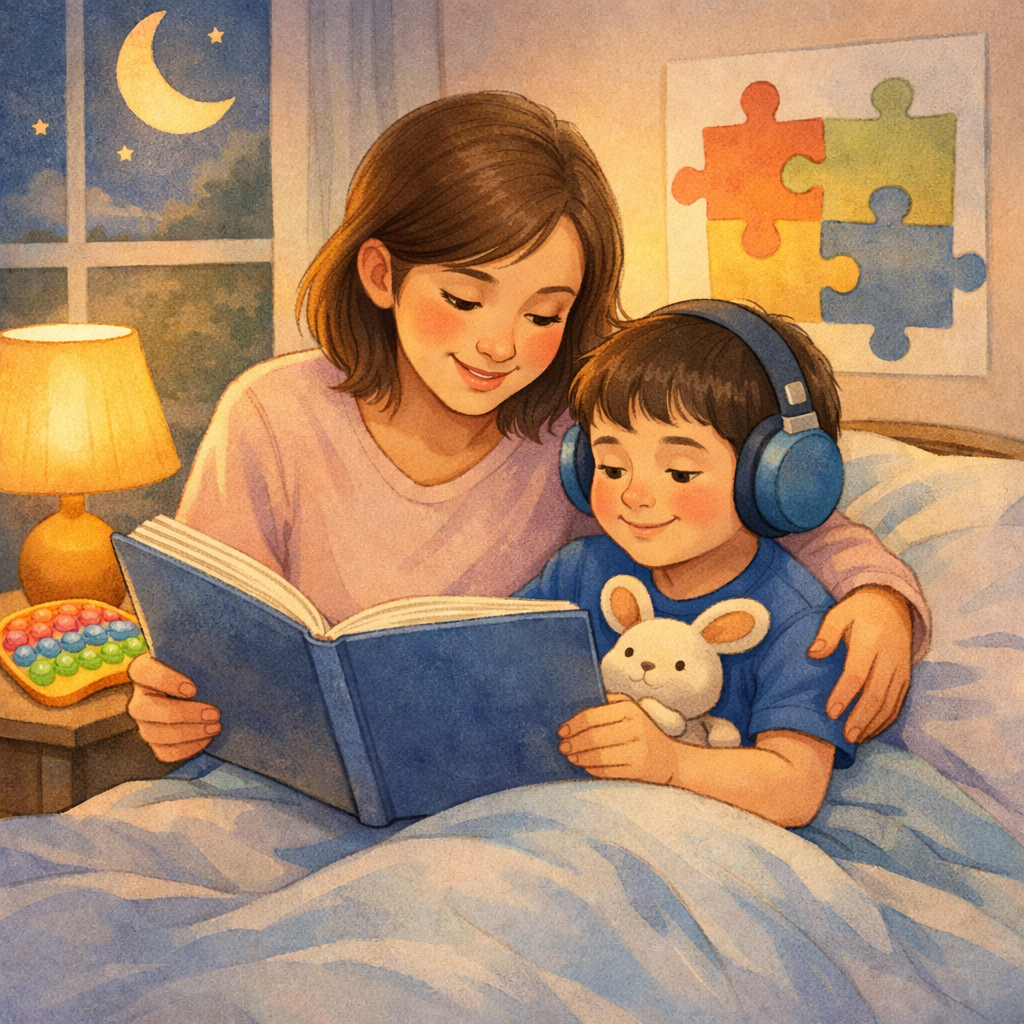
Creating the right sleep environment is an effective way to improve sleep hygiene, especially for autistic individuals. Simple changes can help them feel calm and secure enough to fall and stay asleep. The goal is to design a bedroom that reduces stimulation and addresses unique sensory needs.
These adjustments are essential for better sleep patterns. By controlling light, sound, and other sensory factors, you can turn the bedroom into a peaceful sanctuary instead of a source of anxiety—directly addressing many sleep challenges in autism.
Effective environmental modifications include:
- Limit screens: Avoid TVs, tablets, and phones at least one hour before bed, as blue light disrupts sleep.
- Darken the room: Use blackout curtains to block outside light.
- Quiet the space: Try a white noise machine to mask disruptive sounds.
- Optimize comfort: Keep the room cool and use bedding with soothing textures.
Conclusion
In summary, addressing sleep challenges in individuals with autism requires understanding the unique factors involved. Recognizing common issues like insomnia and circadian disruptions allows caregivers to tailor effective strategies. Managing sensory sensitivities with targeted interventions can greatly improve sleep quality. Consistent bedtime routines and a calming environment are essential.
For personalized support, explore our consultation or call daar at 02 9133 2500 options—we’re here to help your loved one achieve better sleep.
Frequently Asked Questions
What strategies can parents use to help their autistic child sleep better?
Parents can help their autistic children by establishing a consistent, calming bedtime routine and practicing good sleep hygiene. Modifying the environment to reduce sensory triggers, like using blackout curtains and a white noise machine, is also very effective. These treatment strategies help manage sleep difficulties by creating a predictable and relaxing atmosphere.
Is there a connection between ADHD sleep issues and autism-related sleep problems?
Yes, there's a significant overlap. Both attention deficit hyperactivity disorder (ADHD) and autism spectrum disorder often involve challenges with self-regulation, which can cause sleep disruption. ADHD symptoms like hyperactivity and a racing mind can make it hard to fall asleep, similar to the sleep difficulties seen in many autistic individuals. In cases where behavioral interventions are not sufficient, medications are sometimes used to treat sleep problems in autism. However, these medications can have risks, such as side effects including next-day drowsiness, irritability, or dependency, so they are generally prescribed with caution and under close medical supervision.
Are certain sleep disorders more frequent in people with autism?
Yes, autistic people appear to be at a higher risk for certain sleep disorders. Conditions like insomnia, sleep apnea, and restless legs syndrome are more frequently observed. Additionally, sleep disturbances such as parasomnias (e.g., night terrors) and REM sleep behavior disorder are also reported more often in this population.
.svg)




.svg)