
.png?width=48&height=48&name=Group%201%20(3).png)























6 March, 2026

Neurodivergent Kids and Screen Time
Key Highlights
- Neurodivergent children, especially those on the autism spectrum, can be more sensitive to the negative effects of excessive screen time.
- While screen use can offer benefits like social connection through educational apps and social media platforms, it also poses risks to mental health.
- Excessive screen time may impact brain development, affecting attention, emotional regulation, and executive function.
- Finding a healthy balance is crucial, as overuse can lead to sleep problems, cyberbullying, and addiction.
- Parents can help by setting clear boundaries, encouraging offline activities, and modeling healthy screen habits.
Introduction
Many parents worry about the effects of screen time and screen use on their kids, but the conversation is different for neurodivergent children. For those with autism spectrum disorder or other neurodevelopmental differences, technology can be a double-edged sword. It can provide a safe space for learning and connection, yet it also comes with unique risks. Understanding both the benefits and the potential downsides is key to helping your child build a healthy, balanced relationship with screens. Let's explore how screen time specifically impacts these special brains.
How Screen Time Affects Neurodivergent Children
Screen time significantly affects brain development, especially in young children who are neurodivergent. Interactive electronic devices, particularly those that contribute to early screen exposure, can overstimulate sensitive brains, leading to hyperarousal and difficulty regulating emotions and stress. Neurodivergent kids are more vulnerable to these negative effects and often struggle to recover from them.
What might be manageable for neurotypical children can be overwhelming for their neurodivergent peers, impacting sleep and social interactions in the short term. The following sections will explore the specific impacts on children with autism, ADHD, and other conditions.
The Impact on the Autistic Brain
Certain screen use patterns can worsen symptoms in autistic individuals. While screen time doesn't cause autism, it can intensify traits by further reducing brain integration, especially in the frontal lobe—key to executive function and emotional regulation in early childhood. Autistic children are more sensitive to screen stimulation, which can disrupt hormones and brain chemistry, impacting focus and self-soothing.
Research on tech addiction shows heavy screen use may damage white and gray matter in the frontal lobe, further hindering brain integration. Some studies, including a systematic review, link early excessive screen time to a higher chance of an autism diagnosis, but this does not mean screens cause autism. Autism is shaped by complex genetic and environmental factors; screens may simply amplify existing vulnerabilities. This underscores the importance of strategies like ABA therapy for managing behaviors.
Differences in Effect for ADHD, Dyslexia, and Other Conditions
Excessive screen time and excessive screen use are especially challenging for children with ADHD, dyslexia, and other neurodevelopmental differences. They are more prone to screen addiction, which can worsen ADHD symptoms and create a negative cycle. Constant screen stimulation makes it harder for them to focus on essential, less engaging tasks.
Heavy tech use also impairs executive function—skills like planning, organizing, and self-control. For kids struggling with self-regulation, screens provide easy rewards that further disrupt their ability to manage thoughts, emotions, and behaviors.
While technology has benefits, overuse strains attention and drains mental energy, making school and daily life harder. Balance is crucial to support healthy development without adding extra challenges. For these children, too much screen time can:
- Worsen ADHD symptoms through overstimulation
- Hinder the growth of executive function skills
- Disrupt self-regulation of thoughts and emotions
- Make it harder to focus on important but less stimulating tasks
Benefits of Screen Time for Neurodivergent Kids
Despite the concerns, screen use can offer clear benefits for preschool children and neurodivergent kids, enhancing everything from communication skills to social interaction. In a world that can often feel overwhelming, technology provides a predictable and safe space for these children to explore, learn, and be themselves. For kids who find face-to-face interactions challenging, screens can open up new worlds.
Educational apps, video games, and online communities allow them to connect with others who share their passions. Let's look at how these tools can support learning and social connection in more detail.
Educational Apps and Learning Opportunities
Not all screen time is equal—educational apps can support child development. Gamified learning engages kids who struggle with traditional lessons, building skills from language to problem-solving. These apps make learning feel like play, which can boost academic performance.
For students facing challenges with reading, writing, or communication, technology offers valuable support. Tools like speech-to-text and text-to-speech can be transformative. Virtual and augmented reality also help teach life skills, especially for autistic children.
Still, educational content should be chosen carefully. Select apps and games that:
- Encourage active participation over passive watching
- Teach specific skills such as coding or social etiquette
- Engage without overstimulation
- Include accessibility features like text-to-speech
Social Connection and Online Communities
For many neurodivergent young people, including autistic people, social media and online communities can be a lifeline. These platforms offer a way to connect with peers who share their interests without the pressures of face-to-face communication. This can be a space to build confidence and practice social skills in a lower-stakes environment. In fact, one study found that autistic students reported higher-quality friendships thanks to social media.
Technology allows children to connect with like-minded peers from near and far, fostering friendships that may not be possible in traditional settings. By removing some of the pressures of typical peer interaction, digital spaces can help neurodivergent kids build social skills, whether it’s learning etiquette from a TV show or collaborating in a video game.
However, parents should guide this engagement. Managing social media use involves teaching online safety, setting boundaries, and monitoring interactions to ensure they remain positive. Open communication about online experiences is key to helping them navigate these communities safely and effectively.
Risks and Concerns of Excessive Screen Time
While screen devices can be beneficial, excessive screen time poses a higher risk of negative impacts and consequences for neurodivergent children. The main concern is what screens replace—essential activities like physical play, hands-on learning, and face-to-face interaction that support healthy development. Overuse can interfere with basic life functions and may be an indicator of mental health issues like depression or burnout.
Common concerns include addiction, decreased focus, and sleep problems. These risks are not just about the amount of time spent on screens but also about the content and context of that use. We'll now examine some of these specific risks more closely.
Sensory Overload and Emotional Regulation
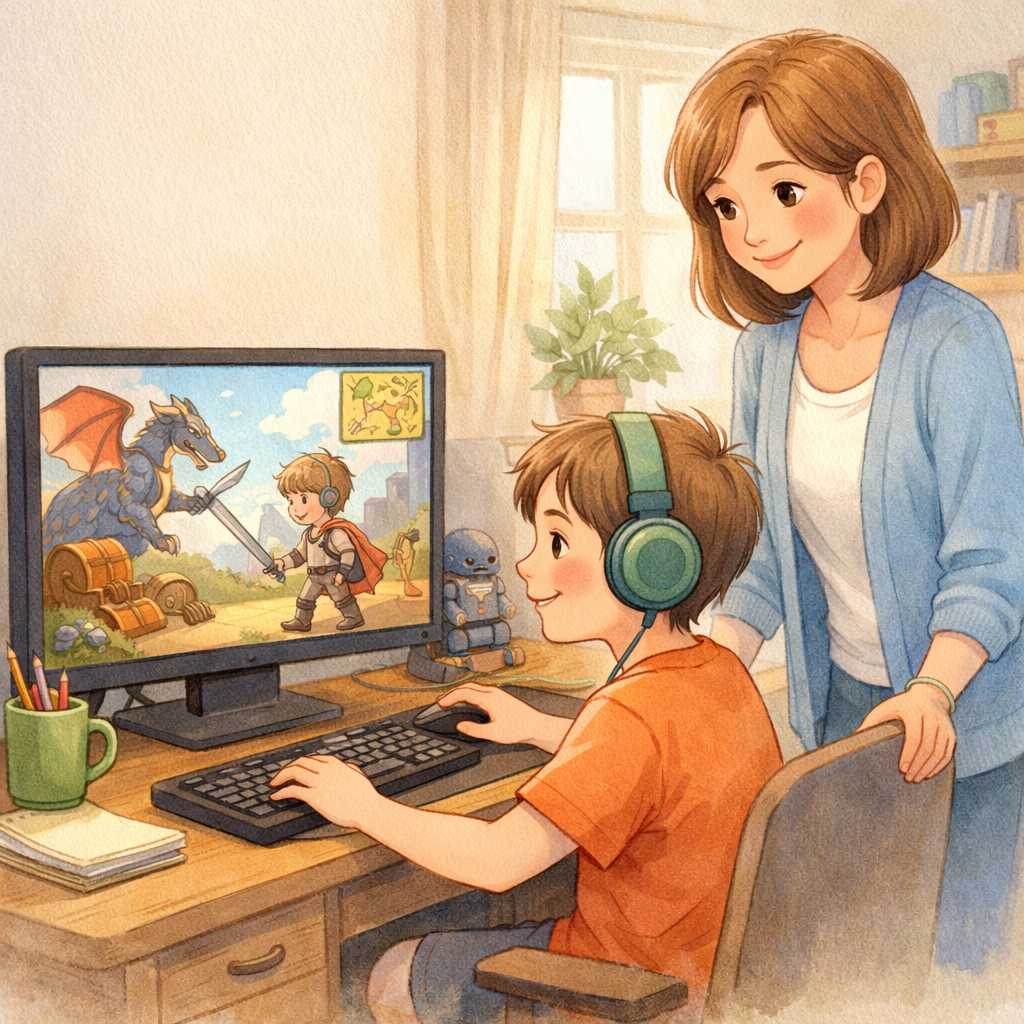
Neurodivergent children often struggle with sensory processing, and too much screen time can cause sensory overload. Fast-paced visuals and sounds may overstimulate sensitive brains, making emotional regulation harder and leading to meltdowns or aggression—especially when transitioning away from devices.
For autistic children, screens can become an unhealthy coping tool. While devices might offer short-term calm, they prevent the development of healthier emotional regulation strategies and keep the nervous system overstimulated, potentially affecting the white matter in their brains.
This creates a cycle: children use screens to manage stress, but screen time worsens dysregulation. Parents should encourage alternative ways for children to self-soothe and handle sensory input without relying on technology.
Physical Health, Sleep, and Eye Health Issues
The impact of too much screen time on physical health is a serious concern. When a child spends hours with a device, they are not getting the physical activity essential for their well-being. This sedentary behavior can displace time for movement and is linked to a higher risk of health issues.
Sleep quality is another major casualty of screen exposure. The blue light emitted from screens disrupts the body's circadian rhythms by suppressing melatonin, the hormone that regulates sleep. This makes it harder for kids to fall asleep and can lead to poor, non-restorative sleep, further contributing to an increased likelihood of difficulties for children with autism who may already have low melatonin; this effect is particularly damaging.
Poor sleep contributes to fatigue, mood disturbances, and difficulty concentrating. In addition to sleep, other physical health concerns include:
- Reduced Physical Activity: Less time for movement can lead to a sedentary lifestyle.
- Poor Sleep Quality: Blue light from screens interferes with the body's natural sleep cycle.
- Eye Health: Prolonged screen use can cause eye strain and headaches.
- Metabolic Health: A sedentary lifestyle is linked to an increased risk of obesity and metabolic syndrome.
Comparing Neurodivergent and Neurotypical Screen Use
While many young people spend a significant amount of time in the digital world, the patterns of screen use can differ between neurodivergent and neurotypical children. Neurodivergent kids may use screens more intensely or for different reasons, such as to regulate emotions or connect with niche communities that are hard to find offline, which can impact their language development.
Their relationship with technology is often more complex. What might be a simple pastime for a neurotypical child could be a vital coping tool or a source of significant overstimulation for a neurodivergent one. Understanding these differences is key to providing the right support.
Why Neurodivergent Kids May Be More Sensitive
Neurodivergent children are often more sensitive to screen time than neurotypical peers due to differences in sensory processing and emotional regulation. Screens can easily overstimulate them, leading to significant dysregulation.
For example, autistic children may have less integrated brain regions, and screens can further disrupt these connections. This hampers executive function and social skill development, as screens reduce face-to-face interactions necessary for cognitive development and learning cues like eye contact and body language.
As social interaction becomes harder, children may retreat more into screens, creating a cycle that limits skill-building opportunities. Because of this heightened sensitivity, parents and caregivers should be especially mindful of technology use.
How Digital Media Habits Differ in Australia’s Context
In Australia, as in many parts of the world, digital media use is a common part of daily life for children. However, screen habits can be influenced by various environmental factors, including access to technology and cultural norms. For neurodivergent children in Australia, media use might be more pronounced as they use it for social connection, learning, and regulation.
There are no specific national guidelines in Australia for neurodivergent kids' screen time, so parents in the United States often rely on general advice that emphasizes balance. This means families must create their own media plans based on their child's individual needs, ensuring screen time doesn't interfere with other important activities.
The focus is on the quality of screen use rather than just the quantity. Here’s a look at how habits might differ:
|
Aspect of Media Use |
Neurodivergent Children |
Neurotypical Children |
|---|---|---|
|
Purpose |
Often used for regulation, specialized learning, and connecting with niche online communities. |
Primarily for entertainment, general education, and mainstream social interaction. |
|
Intensity |
May engage in more intense, focused screen use, sometimes leading to hyper-fixation. |
Usage is often more varied and spread across different activities. |
|
Sensitivity |
Higher sensitivity to overstimulation from fast-paced content, ads, and notifications. |
Generally less prone to sensory overload from typical screen content. |
|
Social Connection |
Online platforms can be a primary, lower-pressure way to build and maintain friendships. |
Online interaction complements a wider range of offline social activities. |
Setting Healthy Screen Time Limits
Finding the right balance for screen time, including one hour of screen time, is not as simple as setting a strict time limit. Even the American Academy of Pediatrics has moved away from rigid rules, now favoring a more nuanced approach. The goal is to ensure that screen time fits into a child's daily life without displacing essential activities like sleep, physical activity, and social interaction.
This means creating a family media plan that considers your child’s individual needs. The following sections will offer guidance on recommended daily hours and the importance of family routines in establishing healthy habits.
Recommended Daily Hours for Different Age Groups
Instead of prescribing daily screen time limits, focus on how devices impact your child’s life. The American Academy of Pediatrics (AAP) emphasizes flexible guidelines for all ages to support healthy language acquisition. The main goal is to make sure media use doesn’t interfere with sleep or physical activity.
For younger children, the recommendations are more specific. For older kids and teens, set consistent limits and teach them to self-monitor—a valuable lifelong skill.
Here’s a general guide based on AAP recommendations, suitable for neurodivergent children:
|
Age Group |
Recommended Screen Time |
Key Considerations |
|---|---|---|
|
Under 18 months |
Avoid screens (except video-chatting). |
Rapid brain development; hands-on play is essential. |
|
18–24 months |
Only high-quality programming with a parent. |
Co-viewing helps kids understand content. |
|
2–5 years |
Max one hour per day of quality programs; co-view with them. |
Parents should help relate content to real life. |
|
6+ years |
Consistent limits on time and type of media. |
Ensure screen time doesn’t replace sleep, exercise, or healthy habits. |
These are starting points—adjust as needed for your child’s unique needs.
The Role of Family Routines and Consistency
Consistent family routines are key to managing screen time and supporting healthy development and the use of information. Clear, predictable tech rules reduce arguments and help children understand expectations, providing security—especially for neurodivergent kids who need routine.
Setting tech-free times and zones, like during meals or in bedrooms, boosts family connection and sleep quality. These boundaries work best when everyone follows them, making the rules feel like shared values rather than punishments.
The ultimate goal is to help your child learn to self-monitor their screen use. A supportive, consistent environment not only enforces rules but also teaches lifelong tech management skills.
Choosing Safe and Supportive Content
The quality of screen use often matters more than the quantity. Choosing safe and supportive content is essential, especially for neurodivergent children. Quality educational media can enhance learning and skill development, while positive social media interactions can foster connection. However, it's equally important to be aware of online safety.
Parents play a key role in guiding their children toward beneficial content and away from potential risks. The following tips will help you select appropriate media and manage online interactions to create a safer digital experience for your child.
Selecting Quality Educational Media
Not all educational media is equal. The best options are interactive and encourage active participation, which supports brain development more than passive viewing. Choose apps and games that promote problem-solving, collaboration, and creativity to boost communication and language skills.
Play or watch with your child to understand their interests, bond, and monitor whether the content is genuinely beneficial or simply distracting.
When selecting content, ensure it aligns with goals like those in ABA therapy. Look for media that:
- Requires active participation and problem-solving.
- Teaches specific skills (e.g., coding, map reading, social etiquette).
- Is interactive and avoids addictive features like endless scrolling.
- Supports parent-child engagement and bonding.
Managing Social Media and Online Safety for Neurodivergent Kids

Social media can help neurodivergent kids connect, but it also poses risks like cyberbullying and scams. Their concrete thinking makes them more vulnerable, so teaching online safety is essential. Discuss dangers such as catfishing and create a plan for handling issues.
Set clear rules and monitor your child’s online activity to keep them in safe, age-appropriate spaces. Establish guidelines for platform use and information sharing, and limit screen time to reduce exposure.
Key strategies:
- Talk openly about online risks and make a safety plan.
- Set rules for platforms and sharing information.
- Monitor their activity for safe environments.
- Model healthy social media habits.
Conclusion
In conclusion, navigating screen time with neurodivergent kids requires a delicate balance to ensure their well-being and development. While there are undeniable benefits, such as educational opportunities and social connectivity, it's crucial to remain vigilant of the risks associated with excessive use and how much time is spent on screens. Establishing healthy limits, choosing appropriate content, and fostering family routines can help create a supportive environment that maximizes the positives while minimizing potential challenges. By being proactive and informed, you can empower your child to thrive in a digital world.
If you have further questions or need personalized advice, feel free to reach out for a consultation or call daar at 02 9133 2500!
Frequently Asked Questions
How much screen time is safe for autistic and neurodivergent children?
There are no hard-and-fast rules for how much screen time is safe for children on the autism spectrum. Instead of focusing on a specific amount of time, observe how screen devices impact your child. It's best to follow general guidelines for recommended daily hours by age and ensure screens don’t interfere with sleep or physical activity.
Are there any benefits to allowing screen time for neurodivergent kids?
Yes, there are many benefits. For neurodivergent children, screens can be a gateway to social interaction and learning. Educational apps can improve communication skills, while online communities offer a low-pressure way to connect with peers who share similar interests, fostering a sense of belonging and confidence.
What are some tips to manage screen time with neurodiverse children in Australia?
In Australia, managing screen time for neurodiverse children involves creating clear family routines. Set consistent time limits and establish tech-free zones, like during meals. The focus of media use should be on balance, ensuring it doesn't replace physical activity, sleep, or family connection. Modeling healthy habits is also key.
.svg)




.svg)